

Bullish Candlestick Patterns Explained for Traders
📈 Master bullish candlestick patterns to spot upward trends in South African markets. Get practical tips and handy PDF guides to boost your trading skills today!
Edited By
Michael Ashford
Candlestick patterns are a staple in technical analysis, helping traders and investors predict possible market movements. Originating from Japanese rice traders centuries ago, these patterns use the shape and colour of "candles" on a chart to signal potential price reversals or continuations. South African traders increasingly rely on these charts to time their entries and exits effectively.
At its core, a candlestick displays four key prices within a set timeframe: the opening, closing, high, and low. The body shows the range between opening and closing prices, while the wicks—or shadows—extend to the high and low points. Colour coding (often green for upward moves and red for downward moves) makes spotting market sentiment intuitive.
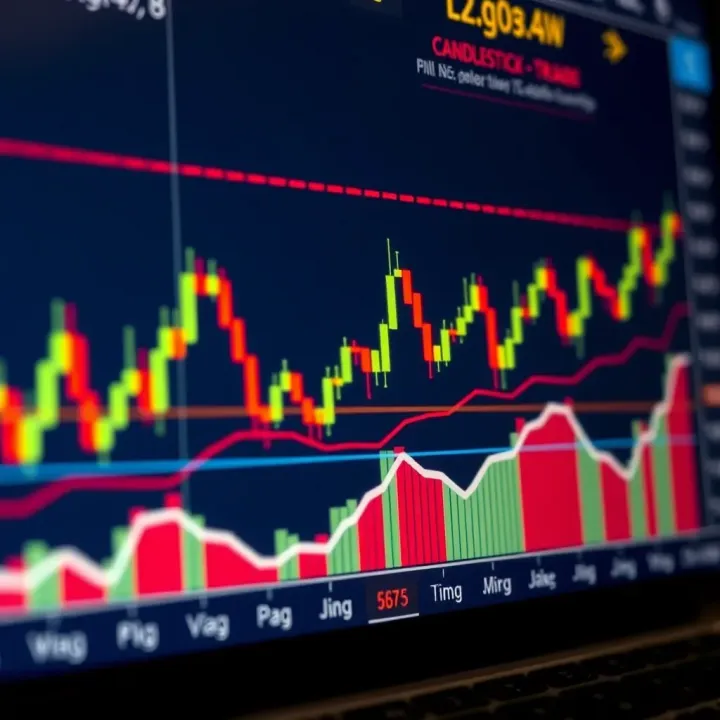
Understanding specific patterns unlocks insights into market psychology. For instance, the Hammer indicates a possible bullish reversal after a downtrend, formed when the candle has a small body and a long lower wick. Conversely, the Shooting Star signals bearish reversal potential after an uptrend, marked by a small body and a long upper wick.
Beyond visual identification, formulas help quantify these patterns. Calculations often involve measuring candle sizes, ratios between body and shadow, and comparing consecutive candles. For example, the Bullish Engulfing pattern requires the current candle's body to completely cover the previous candle's body, suggesting buyer strength. These rules make the patterns measurable rather than purely subjective.
Correctly applying candlestick formulas alongside price action offers a more disciplined trading approach, reducing guesswork.
Many traders find it helpful to have concise PDF guides summarising common patterns and their formulas at hand. Such resources offer quick reference during trading hours. Local trading education platforms and brokers often provide tailored PDFs reflecting South African market nuances, including recommended pattern parameters adjusted for JSE equities or forex.
In practice, combining candlestick pattern recognition with other tools—like support and resistance levels or volume analysis—strengthens decision-making. It helps you avoid relying on patterns alone, which can mislead during erratic market phases often seen in emerging markets.
To sum up, grasping candlestick basics, learning the formulas behind patterns, and using well-structured PDF references can sharpen your trading edge. It’s a practical skill set for anyone serious about navigating South Africa’s dynamic financial markets.
Candlestick charts offer traders and investors a straightforward, visual way to assess price movements and market sentiment over a set period. Understanding the basics is essential because these charts distil complex market data into simple visual cues, enabling quicker decisions without losing sight of crucial price points. Whether you're analysing the JSE Top 40 or trading shares of Sasol or Naspers, grasping candlestick fundamentals helps you spot patterns that could signal potential buy or sell moments.
Candlestick charts originated in Japan during the 18th century, initially developed by rice traders to track market prices. Unlike traditional Western bar charts, candlestick charts showed more details about daily price ranges and investor psychology through intuitive visuals. This historical method stuck around for good reason: it delivers price information in a way that's easy to read and interpret, even for those less familiar with complex technical analysis.
Knowing that these charts have stood the test of time is also reassuring in today's fast-moving markets. While technology platforms such as TradingView or ThinkorSwim automatically generate candlestick charts, understanding their roots reveals why they're so effective and trusted worldwide.
Every candlestick consists of a body and wicks (also called shadows). The body represents the range between the opening and closing prices of the trading period (for instance, one day). A filled or coloured body usually indicates a drop in price (close lower than open), while a hollow or lighter body signals a price increase.
The wicks stretch above and below the body, marking the highest and lowest prices traded in that period. These elements combined give a snapshot of trading activity and volatility. For example, a long wick at the top with a small body near the bottom could indicate selling pressure.
Understanding these components helps traders see more than just price levels; they glimpse the battle between bulls and bears in the marketplace.
Candlestick patterns quickly reveal shifts in market momentum and sentiment by summarising price action into clear shapes and colours. These visuals help traders identify potential reversals or continuations without hunting through columns of numbers. For example, a hammer pattern might suggest a possible bullish reversal, giving you a chance to prepare entry plans.
This visual approach makes it easier to compare different stocks or indices at a glance. Instead of just seeing numbers, you see stories about trader psychology and possible future trends, which prove valuable during volatile periods, like amid rand fluctuations or Eskom load shedding effects.
Compared to line or bar charts, candlestick charts provide more detailed information within the same time frame. A line chart simply connects closing prices over time, lacking insight into intra-day highs or lows. Bar charts add some details, but candlesticks show these price points more distinctly, making pattern recognition simpler.
Plus, candlesticks function well alongside technical indicators like moving averages or the relative strength index (RSI), providing a fuller picture of market conditions. This makes them popular among traders who need speedy yet reliable cues to act on.
Good candlestick chart knowledge helps you read market moves efficiently—your edge in South African markets where timing and quick decisions matter.
Candlestick patterns offer traders and investors a visual shortcut to understanding market behaviour. These patterns, derived from the open, close, high, and low prices of an asset within a given timeframe, help to anticipate potential price movements. In South African trading contexts, recognising these patterns is especially useful considering the volatility often seen in the JSE and currency fluctuations. Understanding the specific formulas behind these patterns sharpens your analysis, letting you pick setups with more confidence.
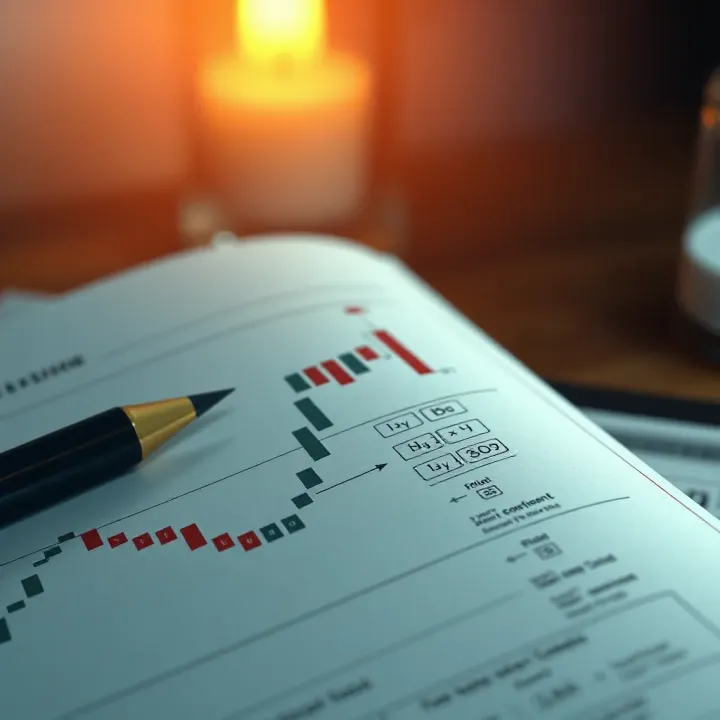
The Doji candlestick represents indecision in the market. It forms when an asset's opening and closing prices are essentially equal, producing a body so narrow it appears almost as a line. The formula involves calculating the difference between the opening and closing prices, which should be minimal (usually less than 10% of the total candle range). Traders treat a Doji as a potential signal of a trend reversal when it appears after a strong price movement. For example, if a JSE stock rises sharply and then a Doji forms, it might suggest the bulls are tiring.
Both patterns appear as single candles with small bodies near the top of the range and long lower shadows. The key is their context. A Hammer occurs in a downtrend and suggests a possible bullish reversal, whereas a Hanging Man appears at the top of an uptrend, hinting at a bearish reversal. Formula-wise, the lower shadow should be at least twice the length of the body, while the upper shadow remains minimal. This proportion signals strong rejection of lower prices. In practise, spotting these can help South African traders time entries or exits, especially in volatile small-cap shares.
A Spinning Top has a small body with shadows on both ends, indicating indecision between buyers and sellers. The body size, calculated as a small percentage of the candle's range, shows neither side gained a decisive edge. These candles often hint that a current trend may be weakening. For instance, if Naspers shares exhibit this on daily charts during an uptrend, it might prompt watching for a short-term pause or reversal.
The Engulfing pattern involves two candles: a smaller first candle followed by a larger one that fully “engulfs” it. In bullish engulfing, the second candle’s body entirely covers the first's body and closes higher, suggesting buying momentum. Bearish is the opposite. The numerical check ensures the second candle's body exceeds the previous candle’s body size and that the closing price confirms the pattern's direction. This pattern is reliable for South African traders scanning for momentum swings in shares like Sasol or MTN.
These triplet patterns are useful for spotting reversals. The Morning Star appears at a downtrend’s bottom, with a long bearish candle, a small-bodied candle (star) that gaps down, and then a strong bullish candle closing near the first candle’s open. The Evening Star is the bearish mirror. The formula focuses on the gaps and candle body sizes to confirm the setup. For local investors, this can help identify turning points in gold mining stocks or banking shares.
These patterns consist of three consecutive candles moving in the same direction with progressively higher closes (three white soldiers) or lower closes (three black crows). Each candle's body should be long with minimal shadows, indicating sustained pressure from buyers or sellers. Seeing three white soldiers rallying could point to strong bullish sentiment on resource counters, whereas three black crows might warn of a sharp pullback.
Mastering these common candlestick patterns and their defining formulas helps you read the market’s language more clearly. Especially for South African markets, where external factors like rand swings and loadshedding influence trends, combining these signals with local context can improve your trading edge.
Candlestick patterns are often seen as visual cues, but understanding the formulas behind them is what separates guessing from informed trading decisions. These formulas detail the precise relationships between price points during a trading session—helping traders spot setups that could signal whether a market might reverse, continue, or stall. Essentially, each pattern is built on specific numerical criteria that quantify body sizes, shadow lengths, and price relations. When you get these right, you remove much of the guesswork.
The size of a candlestick’s body—the box between its open and close prices—tells a story about buyer or seller dominance. Traders often use body size ratios to compare the current candle against previous ones or measure its size relative to the candle’s total range (high to low). For example, a 'hammer' pattern typically has a small body, often less than 30% of the total candle height. This tells us the price opened and closed near each other despite a significant low during the session, hinting at rejection of lower prices.
In practice, breaking down body sizes helps avoid mistaking minor price fluctuations for meaningful signals. Automated systems in platforms like TradeStation or MetaTrader use these body ratios to flag potential bullish or bearish entries and exits.
Shadows, or wicks, reflect the price extremes outside the open and close. The length of these shadows compared to the body size is vital. For example, a long lower shadow with a small body can indicate buying pressure after a dip, as seen in the 'hammer'. Conversely, a long upper shadow might show rejection at higher prices, common in 'shooting star' patterns.
Shadow length formulas express these proportions as ratios, specifying whether a shadow must be longer or shorter than a multiple of the body size. This helps traders filter out candles where shadows aren’t pronounced enough to imply potential trend changes. In volatile South African stocks like Sasol or Naspers, this clarity becomes crucial to avoid false positives.
The positions of the open and close set the candlestick's tone—whether bullish or bearish. Formulas defining their relations help distinguish patterns such as engulfing or doji candles. For instance, in a bullish engulfing pattern, today’s candle closes above the previous candle’s open and opens below the previous close, fully 'engulfing' the prior body.
By putting these conditions into precise numerical terms, traders ensure consistent pattern identification. This proves especially handy when employing technical analysis software or scripting custom indicators.
Modern trading platforms offer automated candlestick pattern detection, fundamentally relying on the formulas discussed. This feature scans real-time or historical data to highlight patterns matching specific numerical criteria without manual effort.
For South African traders, this capability improves efficiency by cutting down tedious chart scanning. Instead of eyeballing every candle, you let the software alert you when a valid pattern forms, allowing you to focus on confirming signals with other tools like volume or moving averages.
Local markets like the Johannesburg Stock Exchange (JSE) may experience unique price behaviours due to rand volatility, load shedding impacts, and market liquidity. Customising pattern recognition parameters allows traders to adjust for these conditions—for example, tweaking minimum body sizes or shadow ratios to filter out noise caused by abrupt price swings.
Custom settings might also accommodate longer candle durations or specific session timing influenced by local economic events or trading hours. Such tailoring ensures pattern recognition remains reliable despite the quirks of South African financial markets.
Factoring in these numerical and software application aspects of candlestick patterns equips you with tools to make more confident, data-backed trading calls. Understanding the exact formula behind what your charts show can save you from costly errors and improve decision-making consistency.
Accessing reliable PDFs on candlestick patterns boosts your trading knowledge by offering structured, ready reference material. These digital guides lay out pattern formulas clearly, helping you recognise setups without guessing. For South African traders dealing with the rand’s moves and JSE stocks, having well-organised PDFs at hand ensures you can quickly check patterns during active trading or study sessions.
Financial education websites often host free or paid PDF downloads tailored to market analysis. Platforms like Investopedia or TradingView provide detailed explanations paired with examples. South African educational portals occasionally curate materials reflecting local market conditions, making the resources more relevant than global generic guides. Such PDFs are perfect for traders wanting step-by-step insights into patterns and their calculation without sifting through endless articles.
Trading platform resources are another solid source for PDFs. Providers like EasyEquities and ThinkMarkets often supply downloadable guides, blending pattern formulas with usage tips specific to their charts and tools. This practical link between theory and platform functions makes the PDFs especially valuable for day traders who need quick refreshers during hectic market hours.
South African market-specific guides address unique trading challenges, such as dealing with load shedding interruptions or rand volatility. These PDFs usually incorporate examples from JSE Top 40 stocks or index movements to illustrate candlestick setups. This local angle sharpens your pattern recognition skills in the context where you actually trade, preventing misinterpretation caused by overseas market behaviours.
Printing and annotation tips go a long way in making PDFs more usable. Print your guides on A4 paper and use coloured pens or highlighters to mark key formulas or patterns you struggle with. Writing brief notes in margins can help solidify understanding. Keeping a printed copy clipped on your desk means you avoid constant screen toggling during trading.
Integrating PDFs into study plans is about planning targeted revision sessions. Assign specific patterns or formula sections for daily focus. Combine reading with practice worksheets or chart drills where you identify patterns manually. Regular interaction with the PDFs prevents knowledge from becoming just theory, boosting long-term retention.
Using PDFs alongside live trading practice bridges the gap between classroom learning and real markets. Keep your PDF open on a second screen or printed nearby and pause frequently to cross-check data against live candlestick charts, especially when you spot an unfamiliar formation. This habit helps cement the link between formula, pattern, and actual price action, making you a sharper trader.
Reliable PDF guides act as solid companions whether you are learning candlestick patterns from scratch or need a quick rundown during trading. South African traders especially benefit by choosing resources that acknowledge local conditions and integrate easily with popular trading platforms. Proper annotation, scheduled study, and active use alongside market practice transform these PDFs from passive reads into effective trading tools.
Understanding the practical use of candlestick patterns within South African markets requires more than just knowing the basics. Local market conditions, alongside external factors, can significantly influence the effectiveness of these patterns. This section highlights key tips that South African traders and investors should keep in mind to improve their trading decisions.
Effect of loadshedding on trading timing: Loadsidding (scheduled power outages by Eskom) can disrupt internet connectivity and access to trading platforms, particularly for retail traders working from home. Traders need to align their routines with stable power supply periods, often shifting active trading to times before or after loadshedding stages. For example, if stage 2 loadshedding is scheduled from 2 pm to 6 pm, placing or managing trades during these hours may be risky. Keeping a reliable backup such as a UPS or a generator can also help maintain uninterrupted market access.
Considering rand volatility: The South African rand (ZAR) frequently experiences swings driven by local political events, commodity prices, and global economic shifts. This volatility can affect the price action reflected in candlestick charts. A bullish engulfing pattern on a JSE stock may look strong, but sudden rand weakness could undermine gains when converting profits. Therefore, it’s practical to combine candlestick observations with an understanding of rand dynamics, possibly monitoring currency futures or related FX pairs to anticipate shifts.
Popular stocks and indices in JSE: Traders should focus on candlestick patterns in major listed companies such as Sasol, Naspers, or MTN, alongside indices like the FTSE/JSE Top 40 or All Share Index (ALSI). These have higher liquidity, reducing the noise and false signals often found in smaller stocks. For instance, a hammer pattern forming on the Sasol daily chart after a sell-off could suggest potential support, but confirmation with volume or other indicators is prudent.
Volume confirmation: The volume traded during the formation of candlestick patterns provides crucial context. A bullish reversal pattern backed by higher-than-average volume confirms stronger buying interest. If a morning star appears but volume is below average, it could be a false signal. South African traders often reference volume from platforms like the JSE market data or broker reports to validate the strength behind patterns.
Moving averages: Applying moving averages like the 20-day or 50-day SMA (simple moving average) helps clarify trend direction and filter signals. A candlestick pattern signalling a buy near or just above the 50-day SMA tends to be more reliable than one formed far below it. For instance, a spinning top at the 20-day SMA line on Pick n Pay’s chart suggests market indecision at a commonly respected level, signalling traders to wait for more clarity.
Relative strength index (RSI): RSI measures overbought or oversold conditions in a stock or index, complementing candlestick signals. A hammer forming when the RSI dips below 30 can strengthen the case for a bounce. Conversely, a bearish engulfing pattern accompanied by an RSI above 70 might warn of a looming pullback. Combining the two helps South African traders avoid blind spots that might arise from relying solely on candlestick patterns.
Combining candlestick patterns with volume, moving averages, and RSI increases the chance of making informed, timely trading decisions tailored to local market nuances.
These practical insights help sharpen your trading approach in South Africa, making candlestick patterns a more useful part of your toolkit.
📈 Master bullish candlestick patterns to spot upward trends in South African markets. Get practical tips and handy PDF guides to boost your trading skills today!
📊 Master candlestick chart patterns for smarter trading! Discover key signals, practical tips, and handy PDF resources tailored for South African investors.

Master the hammer candlestick pattern 🔨 in trading! Learn to spot key traits, variations, and how to use it for smarter market decisions in SA.
📊 Master advanced candlestick patterns for smarter trading and investing in South Africa. Learn to spot key signals, apply them confidently, plus access handy PDF guides.
Based on 15 reviews