
Choosing and Using Forex Trading Software
Explore how to choose and use forex trading software effectively 📊. Learn about automated systems & tools to boost your trading success in South Africa 🇿🇦.
Edited By
Emily Carter
Forex trading can feel like navigating a busy Johannesburg robot during rush hour — a bit overwhelming and tricky to get right. Whether you're just setting out or you've been in the game for a while, having a forex trading coach can make a real difference. A coach helps you sharpen your skills, avoid costly mistakes, and build a strategy that suits your style and risk tolerance.
South African traders face unique challenges: volatile markets, varying access to trading platforms, and the impact of rand fluctuations. A coach experienced with these realities can offer practical guidance that goes beyond generic advice.

A good coach isn’t just about charts and numbers; they guide you to understand market behaviour, manage emotions, and stay disciplined — all crucial for lasting success.
In this guide, we’ll cover what a forex trading coach does, why coaching matters, how to pick the right one for your needs, and how to get the most out of your coaching sessions. Expect down-to-earth tips tailored for our local context, helping you cut through the noise and focus on boosting your trading results.
So, whether you're trading in your flat in Cape Town, at a café in Pretoria, or juggling trades during a Durban robot stop, this guide aims to equip you with practical tools to engage effectively with a forex trading coach.
Grasping the role of a forex trading coach is key before investing time and money in coaching. Unlike self-study or generic courses, a coach provides targeted help tailored to your strengths, weaknesses, and trading goals. This personalisation is particularly relevant for South African traders navigating volatile rand exchange rates and global market shifts.
A forex trading coach acts as both a guide and accountability partner. They examine your trading history, pinpoint mistakes, and help you develop practical strategies. For example, if your approach relies heavily on technical indicators but lacks risk management, a coach might introduce stop-loss techniques or portfolio diversification suited to your style. Shifting from guesswork to disciplined trading often comes with the coach's support.
A coach also helps with mindset challenges. Trading can trigger emotional decisions, especially when the market moves unpredictably during times of local uncertainty like Eskom loadshedding or political events. Coaches train you to maintain composure, reinforcing good habits and fine-tuning decision-making under pressure.
While courses offer structured theory and mentoring might focus on sharing personal experience, coaching zeroes in on your unique needs with interactive guidance. Courses are one-size-fits-all and rarely adapt to your trading history or learning pace.
Mentoring can be less systematic, often revolving around observing and mimicking the mentor's style. In contrast, coaching involves analysing your performance data — like trading journals or platform reports — and jointly crafting improved strategies.
A forex trading coach helps you work smarter by focusing on your specific habits and market context, not just handing down advice or theories.
In practice, coaching sessions might include reviewing your recent trades, identifying patterns in mistakes, role-playing market scenarios, or setting measurable targets. This dynamic approach ensures you build practical skills you can apply directly, not just knowledge you might forget.
For South African traders, coaching can also offer context-specific insights, such as managing rand exposure, navigating local broker regulations, or adapting strategies around regional economic data releases.
Understanding these distinctions helps you recognise what to expect and ensures you pick the right support for your forex journey.
Working with a forex trading coach can significantly improve your trading journey, especially if you've hit a plateau or find it tricky to stay consistent. The benefits go beyond just learning new tactics — a coach brings a tailored, disciplined approach that can reshape how you trade, helping you avoid costly mistakes common to many self-taught traders.
A trading coach doesn’t offer one-size-fits-all advice. Instead, they tailor their input to your individual strengths, weaknesses, and goals. For example, if you tend to overtrade during volatile market hours, a coach can help you refine your strategy to focus on timeframes or currency pairs that suit your style and risk appetite. This personalised approach means you’re not just blindly copying strategies from internet forums but building a robust plan grounded in your own experiences and circumstances.
Forex trading can be an emotional rollercoaster — fear, greed, and impatience often lead to rash decisions. A coach holds you accountable and helps you manage these emotional pitfalls. Imagine having someone review your trades with you, calling out when you’re acting impulsively or sticking to your plan under pressure. This kind of support teaches discipline, making it less likely you'll chase losses or exit trades prematurely, which are common traps for many traders.
Risk management is where many new traders stumble. A forex coach helps you understand how to size your positions properly, set stop-loss orders, and adjust your risk based on market conditions. Beyond that, they guide you to analyse your decision-making process critically. Did you enter the market because of a well-reasoned setup or just a gut feeling? By learning to question your trades and improve your risk strategies, you reduce exposure to big losses and increase your chance of steady gains.
A good forex coach turns your trading from guesswork into a structured, learnable skill.
In South Africa, where market dynamics and broker conditions can have unique challenges, having a coach familiar with local trading environments adds practical insights. For example, they might advise on brokers regulated by the Financial Sector Conduct Authority (FSCA) or how to adjust strategies during periods of Rand volatility.
Ultimately, a forex trading coach is more than a teacher — they’re a partner who equips you to trade smarter, stick to your plan, and build long-term success.
Selecting the right forex trading coach can make a significant difference in your progress and success as a trader. Given the variety of coaches offering their services, picking one that aligns with your style, goals, and budget is essential. A good coach not only improves your technical skills but also helps you manage the emotional rollercoaster that comes with trading volatile currencies.
Start by verifying the coach’s credentials carefully. Look for a proven history of profitable trading rather than just flashy marketing. A credible coach should be able to provide verifiable records or testimonials from clients who have seen real improvements. For example, if a coach claims they consistently outperformed the USD/ZAR pair over three years, ask to see evidence or references. Avoid coaches who offer vague promises without solid backing. Additionally, consider whether they have experience with the platforms and strategies you intend to use.
Different traders absorb information in different ways. Some benefit from step-by-step demonstrations, while others prefer conceptual explanations or interactive discussions. It’s wise to have an initial conversation or trial session to gauge whether the coach’s communication style works for you. For instance, a coach who uses jargon-heavy explanations might discourage beginners. Moreover, check if they provide written materials, video resources, or live trading sessions to complement teaching. Strong communication also means timely feedback and patience, especially when grappling with mistakes or losses.
Be clear and upfront about all costs and what services are included. Some coaches charge a flat fee, while others offer packages depending on the number of sessions or access level. Make sure you understand if fees cover one-on-one coaching, group sessions, or continuous support via chat or email. Also, clarify the expected time commitment on both sides. For example, is weekly coaching feasible for your schedule, or would monthly sessions be more practical? This helps avoid misunderstandings and ensures you get value for your investment.
Taking the time to assess these factors reduces the risk of disappointment and helps you build a productive relationship with your forex trading coach.
Choosing a coach with appropriate credentials, a teaching style that suits you, and transparent fees sets the stage for steady growth in the complex world of forex trading. This is particularly relevant in South Africa, where traders face unique market conditions and regulatory environments that a qualified coach should understand well.
Starting forex coaching can feel overwhelming, but knowing what to expect from sessions helps you get the most out of the process. These sessions focus on practical steps to improve your trading, from assessing where you stand to crafting realistic plans tailored to your style and goals.
The first session usually kicks off with an honest assessment of your current trading knowledge, habits, and performance. The coach will ask about your experience and review any trading journals or logs you keep. This helps identify strengths and weaknesses, while laying a foundation for setting achievable goals. For example, if you’re struggling with managing losses, your goal might be to strengthen risk management over the next quarter rather than chasing quick profits.
Clear, measurable goals guide your progress. These might be daily targets for reviewing charts, practising specific strategies on demo accounts, or managing risk effectively on live trades. Good coaches also factor in your personal circumstances, such as how much time you can realistically devote to trading, avoiding overly ambitious targets.
Regular review of your trading history is key to improvement. Coaches often ask for access to your trade logs, including entries, exits, reasons for decisions, and emotional state during trades. This honest review exposes recurring mistakes or behavioural patterns that hold you back.
For example, if your logs show a habit of entering trades without confirmation from key indicators like moving averages or RSI (Relative Strength Index), the coach helps you recognise these lapses. Over time, coaching drives you to spot and correct such tendencies before they impact your results.
Likewise, reviewing losing trades together offers a chance to sharpen your understanding of why things went pear-shaped, not just blaming luck. This reflection builds discipline—a must-have when Eskom loadshedding hits and market moves become tricky.
With clear insights, your coach will support you in creating detailed, realistic trading plans. This might include entry and exit criteria, position sizing rules, risk limits, and how you respond to market news. Coaches often provide proven techniques and tools but encourage adapting these to fit your personal style and risk tolerance.
Practical examples matter here. Instead of vague advice like "be patient," your coach might show you how to set pending orders or use stop-losses in a way that matches South Africa’s time zone patterns and local market behaviour. They may introduce useful platforms commonly used here, such as MetaTrader 4/5 or TradingView, ensuring you're comfortable with the technology.
Expect coaching sessions to be a two-way street: as much about listening and adjusting your approach as it is about learning new concepts. The goal is not to copy someone else's style but to build your own reliable trading method.
In summary, forex coaching focuses on real-world improvements through honest assessment, careful review of your performance, and crafting trading plans that work for you. Knowing what to expect lets you approach sessions confidently, ready to put advice into practice and gradually improve your edge in the currency markets.
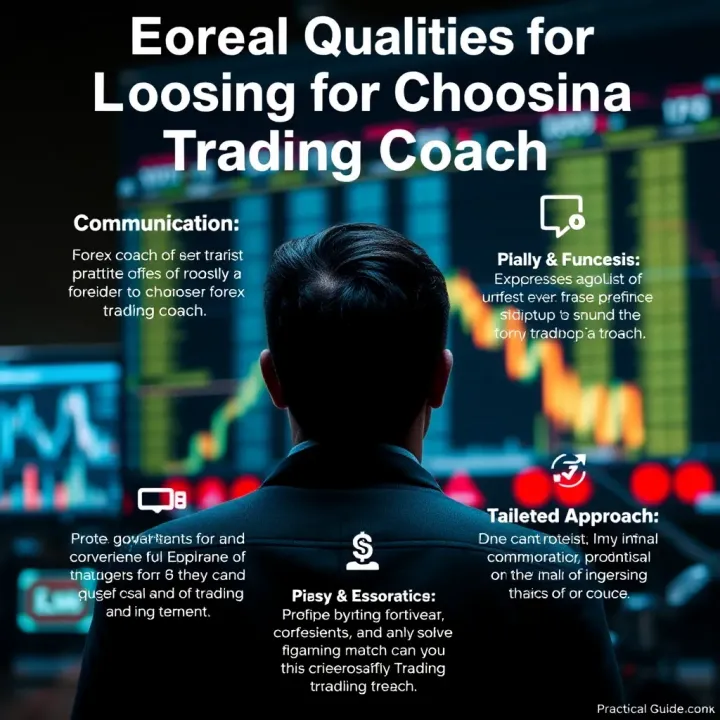
Knowing the key qualities of a good forex trading coach helps you avoid being misled or wasting time with someone who won’t really improve your skills. A coach isn’t just a trader with a decent track record; they need a mix of practical experience and soft skills to guide you well. Understanding these qualities means you’re more likely to find someone who fits your style and trading stage.
A trading coach's real-world experience speaks volumes. Look for someone who can show consistent results over a meaningful period, not just a short streak or flashy marketing. For instance, a coach who’s been trading since before the 2020 market upheaval and adapted through volatility provides valuable insights about different market cycles. Beyond numbers, honesty matters. A coach must openly share their successes and failures, not sugarcoat losses or push unrealistic promises. This transparency builds trust and sets realistic expectations, especially crucial when the rand-dollar exchange fluctuates or during high volatility.
Forex trading isn't about quick wins; it’s about developing skills steadily. An effective coach patiently guides you through the learning curve without rushing towards profits. Remember, some traders are like slow cooks—taking time on each step. A patient coach will focus on building discipline, emotional control, and risk management before chasing big gains. For example, they might spend weeks ensuring you understand position sizing or how to manage Eskom loadshedding disruptions on trading routines before moving on to advanced strategies.
Everyone learns differently. Some pick up charts and indicators quickly, while others need more hands-on examples or step-by-step breakdowns. A good forex coach adjusts their approach to your learning style. If you’re more visual, they might use annotated charts and recorded sessions. If you prefer discussion, expect regular feedback dialogues. For South African traders, this adaptability also means considering your trading environment—like unreliable internet during peak times—and offering offline material or mobile-friendly summaries.
Finding a coach who matches your needs and mirrors the realities of South African markets can make all the difference. It’s about having a guide who knows the journey, respects your pace, and tailors the roadmap to suit how you learn.
When selecting a forex trading coach, focusing on these qualities provides a solid foundation for productive sessions. They keep you grounded, challenge your assumptions, and sharpen your skills toward building a sustainable trading approach.
Explore how to choose and use forex trading software effectively 📊. Learn about automated systems & tools to boost your trading success in South Africa 🇿🇦.

📊 Find the best free forex trading platform in South Africa! Compare features, security, tools & mobile access to suit your trading style without extra costs.

Looking to trade forex on your mobile in South Africa? 📱 Discover how to choose and safely set up the right forex trading app compliant with local regulations and tailored for you.
Explore top forex trading software for South Africa 🇿🇦. Learn features, local rules, smart tips, & best platforms to trade securely and boost your skills 📊💡.
Based on 6 reviews