
Best Trading Apps for South African Beginners
Find the best trading app in South Africa for beginners 🇿🇦. Compare costs, safety, features, and regulation to trade confidently and grow your R investment portfolio 📈.
Edited By
Charlotte Evans
Choosing the right trading app can make a real difference for South African investors. Whether you’re aiming to trade shares listed on the JSE or dive into global markets like the NYSE or Nasdaq, the app you pick needs to match your investment style and daily routine.
Start by pinpointing what matters most: is it low fees, a slick user interface, or strong security? For example, some popular platforms like EasyEquities offer affordable fees and fractional share buying, perfect for first-timers or those with smaller amounts to invest. Meanwhile, apps like ThinkMarkets or IG might appeal more to seasoned traders looking for advanced tools and faster execution.
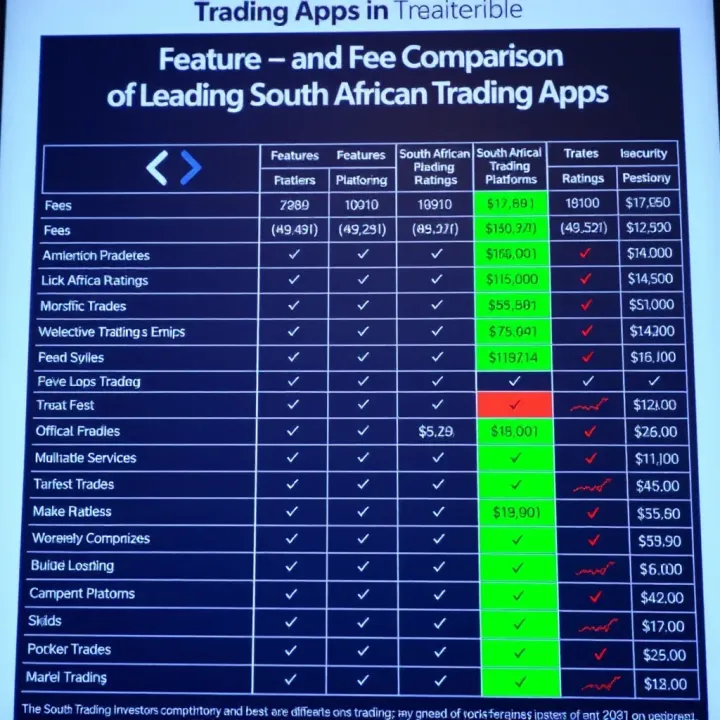
Remember, the cost structure can make or break your returns. Some apps charge a monthly subscription, others levy commission per trade or have hidden forex conversion fees when trading international stocks. Don’t forget to factor in the impact of these costs over time—sometimes a seemingly cheap app ends up more expensive than a pricier but more transparent competitor.
Security is another key concern. Local regulation compliance, two-factor authentication (2FA), and clear data protection policies shouldn’t be overlooked. South African users need assurance that their investments and personal data won’t be left exposed.
A good trading app balances ease of use, affordability, and safety without compromising on the features you need for your trading level.
It's also worth checking whether the app provides educational materials and market news relevant to your investments. This is particularly handy if you want to stay informed without jumping between multiple platforms.
Finally, consider customer support. A responsive helpline or chat support could save you plenty of headaches, especially when markets move fast or technical glitches occur.
By focusing on these practical points, you’ll be better positioned to identify the trading app that fits your needs well. This article will guide you through evaluating options, understanding costs, and securing your investments on reliable platforms tailored for South African investors.
Choosing the right trading app matters more than you might think because it affects your day-to-day experience and overall investment success. A good app should match your trading style, provide the tools you need, and keep your investments secure. South African investors, in particular, must consider how the app handles local features like JSE access, currency conversions, and compliance with our financial rules.
For beginners, ease of navigation is key. An app with a clean layout and clear menus helps you learn without feeling overwhelmed. For example, EasyEquities uses simple charts and straightforward language, making it approachable for newcomers. If you can find your way around without drilling through endless tabs, you’re off to a good start.
Experienced traders want customisation. This means tweaking dashboards, setting advanced alerts, or using technical indicators tailored to their strategies. Apps like Interactive Brokers cater to such users with more complex interfaces that still offer smooth control over trades and portfolio insights.
Mobile responsiveness and stability are non-negotiable. When you’re caught in traffic or queues, a slow or glitchy app can cost you an opportunity. A responsive app adjusts well to different screen sizes and won’t crash halfway through placing an order, which saves worry, especially during volatile times.
Having access to JSE stocks and Exchange-Traded Funds (ETFs) is a must for South African investors wanting to grow local wealth. Popular platforms like SatrixNOW focus on these, offering direct exposure to homegrown companies and industries.
On the other hand, some want to diversify globally. Apps such as eToro or Interactive Brokers open doors to markets in the US, Europe, and Asia. This widens your portfolio beyond the rand and local economy, although you need to be mindful of currency risks.
Beyond shares, some traders explore contracts for difference (CFDs), forex, and cryptocurrencies. These assets can offer quick gains but carry more risk. South African platforms usually have stricter rules here, but international apps make these choices accessible, provided you understand their complexities.
Upfront trading commissions and spreads impact your bottom line immediately. A low-fee app like EasyEquities might charge a flat fee per trade, which benefits small trades, whereas apps with percentage-based fees could eat into profits for bigger transactions.
Withdrawal and deposit fees add up, especially if you frequently move money in and out. Watch out for hefty fees when transferring from a Rand account to foreign currency, as these costs can surprise.
Hidden charges or inactivity fees hurt over time. Some apps deduct monthly fees if you don’t trade often, which could catch casual investors off guard. Studying the fee schedule carefully pays off.
The Financial Sector Conduct Authority (FSCA) plays a vital role in keeping your investments safe. Always check if the app is registered and regulated in South Africa. This legally obliges the provider to follow strict consumer protection and transparency standards.
Data protection matters, too. Apps using strong encryption prevent cybercriminals from accessing your personal info. For instance, two-factor authentication enhances safety by requiring a second proof of identity during login.
Account security measures like biometric login (fingerprint or face recognition) and immediate alerts for suspicious activity provide peace of mind. Trading platforms without these safeguards risk your funds and data.
Choosing a trading app isn't just about features; it's about trust and suitability. Evaluate usability, investment scope, costs, and security with a South African lens to find what truly fits your goals.
Knowing which trading apps are popular and reliable can save you time and hassle when choosing a platform. South Africans face a unique mix of local market focus and international exposure, so understanding what each app offers helps you pick the right tool for your investment goals. This section looks at key apps designed specifically for the Johannesburg Stock Exchange (JSE), alongside global platforms accessible to local traders, highlighting their features and practical benefits.
EasyEquities has made a name by simplifying stock investment for everyday South Africans. It allows users to buy shares on the JSE with fractional investment, removing the barrier of needing large sums upfront. This is particularly useful for beginners or those with limited capital who want to build a diversified portfolio gradually. EasyEquities also offers access to ETFs and some international stocks, making it versatile despite its local focus.
RazorTrade caters more to serious traders looking for comprehensive access to the JSE and other global exchanges. Its platform offers advanced charting tools, real-time data, and options for margin trading. South African investors who want to take a more active role and take advantage of technical analysis may find RazorTrade a strong fit. The platform also supports both Rand-denominated accounts and foreign currency, helping with multi-market trading.
SatrixNOW is a good choice for investors focused on passive income through exchange-traded products. Satrix is a well-known South African provider of ETFs and unit trusts, and their app targets users who want straightforward access to these products. It’s designed for investors who prefer a buy-and-hold strategy without frequent trading, meaning it suits those prioritising low fees and simplicity.
eToro brings social trading to the table, where you can follow and copy trades of experienced investors worldwide. While it offers access to JSE stocks, its strength lies in international stocks, cryptocurrencies, and CFDs. For South Africans aiming to diversify beyond the Rand and tap into global markets, eToro’s user-friendly social features make investing more interactive and less intimidating.
Interactive Brokers is tailored for highly active or professional investors needing broad market access and low trading costs. Their platform covers JSE, US, European, and Asian markets with complex order types and robust research tools. Although it’s less beginner-friendly than some others, it appeals to those who want full control and access to deep liquidity across multiple asset classes.
Plus500 focuses mainly on trading CFDs, including forex, indices, and commodities, with reasonable spreads and easy-to-use mobile apps. South Africans interested in short-term speculation or hedging strategies might find Plus500 convenient, though it doesn’t support direct stock ownership. Its regulatory status and local support are important to check given the risks associated with derivative trading.
When choosing a trading app, consider your investment style, the markets you want to access, and the level of trading tools you require. Local apps often provide a smoother path for JSE investments with Rand funding, while global platforms open doors to wider opportunities but may involve currency conversion and additional complexity.
Getting started with a trading app in South Africa may seem daunting at first, but it’s a crucial step towards managing your investments efficiently. This section breaks down the process into manageable parts, from registration and funding to placing your first trade. Each step involves particular considerations to ensure your trading experience is smooth, secure, and aligns with your financial goals.
Providing ID and proof of residence is a mandatory step dictated by South African regulations to confirm your identity. Typically, you’ll need a valid South African ID book/card or passport for foreign nationals. Proof of residence can be a recent municipal rates statement, utility bill, or bank statement dated within the last three months. This process is straightforward but important to prevent fraud and protect your account.
Complying with FICA requirements means that the trading platform must verify you against the Financial Intelligence Centre Act (FICA). The act aims to combat money laundering and fraud by ensuring platforms collect and verify customer information. When you submit your documents, the app will cross-check your details with national systems, then allow you access once verified. This may delay immediate trading slightly but provides a layer of security that benefits all users.
Setting up personal and banking details involves entering your contact information, banking details for deposits and withdrawals, and possibly tax-related information like your tax number for SARS reporting. Make sure the data you provide is accurate to avoid delays or issues when withdrawing funds. Many apps allow you to link multiple bank accounts and support debit orders or EFTs for regular contributions.
Deposit methods supported usually include electronic funds transfers (EFT), credit/debit cards, and sometimes instant payment platforms like Ozow. EFTs are the most common and cost-effective but can take up to 2–3 business days to clear. Credit card deposits come through faster but may carry additional fees, so it pays to check the terms of your chosen app.
Transfer timeframes and limits vary by platform. For example, EasyEquities may allow smaller minimum deposits from R200 upwards, which suits beginner investors, while other apps might require a higher minimum. Attention to deposit limits is important if you plan to move large amounts, as some platforms impose daily or monthly caps to comply with regulatory policies.
Managing conversion from Rands to foreign currency is particularly relevant for investors interested in international stocks or ETFs. Most trading apps handle this behind the scenes but keep an eye on the foreign exchange rate and any conversion fees. For instance, Interactive Brokers typically charges a small forex fee when converting ZAR to USD for US market trades. Understanding this cost helps you calculate your total investment expenses.
Choosing assets to trade means deciding whether you want to buy JSE shares, local ETFs, or venture into international markets. Local platforms like SatrixNOW focus on the JSE, while global apps such as eToro offer more variety including forex and cryptocurrencies. Assess your risk tolerance and investment goals to select the right asset mix.
Using market and limit orders enables you to control how you buy or sell. A market order buys or sells immediately at the current price, ideal for fast execution but can expose you to price fluctuations. Limit orders set the maximum or minimum price at which you’re willing to trade, offering more control but no guarantee of execution. Knowing when to use each can protect your capital.
Monitoring trade performance doesn’t end at the purchase. Most apps provide portfolio trackers, alerts, and analytics tools to follow your investments over time. It’s sensible to set price alerts or rebalance your portfolio periodically to align with changing market conditions or personal financial goals. Keeping an eye on fees and tax obligations related to your trades also avoids surprises during SARS submissions.
Setting up and starting to trade isn’t just about getting your foot in the door. It’s about ensuring every step is secure, transparent, and tailored to your needs. That way, your money can start working for you without unnecessary hassles or risks.
Navigating the financial markets from South Africa comes with its own set of hurdles. This section highlights the specific challenges local traders often face and offers practical tips to manage them effectively. By understanding these common pitfalls, you can safeguard your investments and trade with greater confidence.
The South African rand (ZAR) is known for its volatility, often moving sharply against major currencies like the US dollar or euro. This fluctuation directly affects the value of overseas investments, so a drop in the rand might mean you lose money even if the foreign asset price remains steady. For example, if you invest in US shares and the rand weakens, your returns in rands terms might actually increase — but the reverse can happen just as quickly.
To protect yourself from such swings, consider currency hedging. This involves using financial instruments such as forward contracts or currency ETFs designed to offset adverse currency moves. Although hedging adds complexity and costs, it’s a useful tool, especially when investing heavily offshore. Alternatively, spreading your investments across different currencies offers a natural hedge. Many South African platforms provide guidance or built-in options for currency risk management, which is worth exploring.
Loadshedding can disrupt your trading activities if your device or internet access suddenly drops offline. To minimise this risk, many traders purchase backup power solutions such as inverters, UPS (uninterruptible power supplies), or solar-powered systems. Pairing these with reliable mobile data bundles that can switch seamlessly between networks if one fails is also smart. Providers like Vodacom and MTN often extend coverage into more remote areas, which helps if fibre or ADSL connections are unstable.
Planning your trades around Eskom’s loadshedding schedule is another practical step. Many trading apps allow pre-scheduling of trades, so you can set orders in advance. Also, avoid initiating complex or time-sensitive trades during a stage 4 or 5 loadshedding period if possible. This reduces the chance of missing opportunities or suffering losses due to technical disruptions.
The last thing any trader wants is to fall victim to a scam or use an unregulated platform that might vanish with your funds. Always check if a trading app or broker is registered with the Financial Sector Conduct Authority (FSCA). The FSCA maintains a public register, so you can easily verify if the platform is authorised to offer financial services in South Africa.
Watch out for red flags such as promises of guaranteed returns, pressure to invest quickly, or opaque fee structures. A lack of clear contact information or poor customer support also signals caution. If a trading platform isn't transparent about its regulation status or refuses to provide verifiable information, it’s best to steer clear. Protecting your investment means dealing only with providers who comply with South African regulations and demonstrate sound business practices.
Staying alert to these challenges and applying simple strategies will help you build a solid foundation as a South African trader, no matter your experience level.
Using a trading app effectively goes beyond just placing trades. To really benefit, you need to tap into educational tools, track your progress carefully, and align your trading activities with your broader financial goals. Doing so helps you avoid costly mistakes and boosts your chances of steady growth, especially in a market full of variables like the JSE and other global exchanges.
Many trading apps offer tutorials and webinars aimed at both beginners and seasoned traders. These resources explain key concepts like how the JSE works, the nuances of exchange rates, or how geopolitical events affect asset prices. For instance, EasyEquities provides regular webinars that break down current market trends, helping South Africans make sense of local and international shifts. Such learning tools empower you to make more confident decisions instead of trading blindly.
Good customer support is essential when using any trading app. Whether you’re struggling with account verification under FICA rules or need help with depositing funds in Rands, reliable support ensures you don’t get stuck. Apps that offer live chat, responsive email support, or even phone assistance make a big difference, especially during chaotic times like loadshedding or volatile market phases. Without this quick help, missing a deposit deadline or misunderstanding a platform feature could lead to costly delays.
Setting specific goals and alerts keeps you focused and prevents impulsive trades. For example, an investor might set a target to increase their equity holdings by 15% over a year and use app alerts to notify them when a stock hits a desirable price or when their portfolio’s value falls below a set threshold. This hands-on tracking allows you to respond proactively, which is crucial when the rand fluctuates sharply against the dollar.
Regularly reviewing fees and understanding tax implications is just as important. Many South African investors overlook brokerage or FX conversion fees, which can eat into returns quietly. Being aware of costs related to each trade and how capital gains tax applies on profits ensures you keep a cleaner ledger and avoid surprises come tax season. Using app features that summarise fees and generate reports simplifies this practice.
Combining trading with saving plans can help balance risk. For instance, while contributing monthly to a fixed deposit or retail endowment, you might allocate a smaller portion to higher-risk trades. This strategy can stabilise your overall financial growth and provide a buffer during market downturns.
Understanding your risk tolerance is vital before committing funds on an app. Are you comfortable with the ups and downs of forex trading, or do you prefer relatively stable JSE stocks? Recognising your own appetite for risk helps you select the right assets and trading styles to prevent emotional decisions during sudden market swings. Many apps include risk profiling tools to help you gauge this, ensuring your investments fit your personal comfort zone.
Using your trading app well means combining education, monitoring, and financial planning, making sure it works for you — not the other way around.
In short, making the most of your trading app sets the foundation for smarter, safer investing in South Africa’s unique financial environment.
Find the best trading app in South Africa for beginners 🇿🇦. Compare costs, safety, features, and regulation to trade confidently and grow your R investment portfolio 📈.

Find the best forex trading app for South African users 📱. Compare features, costs, security, and usability to trade smart and secure forex today 💹.

🌍 Discover how to trade forex from South Africa using Australian platforms, navigate local regulations, and manage risks for smart and safe investing in R and global currencies.

Master demo trading apps 🖥️ to practise risk-free before investing real R. Learn key features, top tips & how South African traders can confidently switch to live trading.
Based on 9 reviews