
Forex Trading Tutorials for Beginners and Beyond
📈 Master forex trading with step-by-step tutorials for every skill level. Learn market basics, analysis, risk management, and trading platforms confidently.
Edited By
Charlotte Evans
Trading forex through Australian platforms offers South African investors a unique combination of opportunities and challenges. Australia’s forex market is one of the world’s largest and most liquid, attracting traders with its solid regulatory framework and access to diverse currency pairs. However, for South Africans, navigating this landscape requires understanding both local and Australian rules, platform choices, and the particular currency pairs that matter.
Australia’s financial markets fall under the regulation of the Australian Securities and Investments Commission (ASIC). ASIC enforces strict rules on forex brokers to protect traders, such as ensuring adequate capital reserves and mandating transparent disclosure of risks. This oversight provides a layer of security not always guaranteed in other jurisdictions.
South African investors will find Australian platforms well-suited, thanks to their robust trading infrastructure and wide range of currency pairs, including the US dollar (USD), euro (EUR), and naturally, the South African rand (ZAR). Popular platforms like IG Markets, Pepperstone, and CMC Markets offer user-friendly interfaces, competitive spreads, and tools that accommodate varying experience levels.
Getting started typically involves providing identification as part of Know Your Customer (KYC) processes, much like in South Africa, complying with the Financial Intelligence Centre Act (FICA) and the Regulation of Interception of Communications and Provision of Communication-Related Information Act (RICA). Be prepared to upload documents like your ID, proof of residence, and possibly a tax compliance certificate.
It’s also worth noting the tax implications. South African traders must declare their forex profits according to SARS guidelines, regardless of where the broker is based. Keeping detailed records of trades, including deposits and withdrawals, will make tax time less of a headache.
Practical tip: Before committing real money, test out demo accounts to get a feel for Australian platforms. Remember that forex trading carries risk, and leveraging too heavily can amplify losses.
In the sections ahead, we explore the nuts and bolts of trading on Australian platforms from South Africa, covering how to choose currency pairs strategically, manage risk, and comply with both countries’ regulations. This practical guide aims to set you on the right track toward confident and informed forex trading across borders.
Understanding forex trading within an Australian framework is key for South African investors who want to expand their portfolios internationally. This knowledge helps you navigate the differences in regulations, market hours, and unique trading opportunities offered by Australian brokers compared to local or global options. Knowing these specifics can prevent costly mistakes and improve your trading outcomes.
Forex trading simply involves buying one currency while simultaneously selling another. Traders aim to profit from changes in exchange rates between currency pairs, like the Australian dollar (AUD) against the South African rand (ZAR) or the US dollar (USD). For instance, if you buy AUD/ZAR expecting the Aussie dollar to strengthen against the rand, you profit when the exchange rate rises.
The forex market is decentralised, operating 24 hours a day across different global hubs. Australia’s market overlaps partly with Asian and European trading hours, providing unique trading windows. This means South African traders can act on market-moving events in Australia during their afternoon or evening, offering fresh opportunities beyond their local market hours.
Australia sits roughly 7 to 9 hours ahead of South Africa, which means the Australian forex market opens when the South African market has closed for the day. This advantage enables South African traders to position themselves based on overnight market news or to manage trades during hours when South African platforms might be offline or less active.
Australian platforms typically offer access to a broad range of currency pairs, including popular ones like AUD/USD, AUD/JPY, and AUD/NZD. These pairs sometimes have different price behaviours and volatility that can be advantageous. Plus, you can trade exotic pairs involving the rand more easily through Australian brokers that provide wider global access.
Australian forex markets benefit from significant liquidity, especially during the overlap of Asian and European markets. Higher liquidity means tighter spreads and lower transaction costs, which is crucial for traders in South Africa seeking efficient and cost-effective trading environments. For example, AUD/USD trades generally feature narrower spreads compared to some rand pairs on local platforms.
It’s wise to grasp these Australian market nuances before committing funds. Understanding when and how the market moves gives you a practical edge, reducing risks linked to unexpected market closures or price gaps.
Understanding the regulatory framework that governs forex trading in Australia is vital for South African investors looking to trade through Australian platforms. Regulation provides a legal backbone that protects traders and ensures market transparency. In this section, we’ll focus on the role of the Australian Securities and Investments Commission (ASIC) and how Australian rules compare with South African requirements, especially regarding identification and currency controls.
ASIC is the primary regulator overseeing financial markets in Australia, including forex trading. It requires brokers operating in the country to hold a valid Australian Financial Services Licence (AFSL). This licensing process involves a thorough review of the broker's financial health, business reputation, compliance systems, and the fairness of their client dealings. For South African traders, this means that choosing an ASIC-licensed broker adds a layer of confidence, knowing the entity meets stringent standards.
Beyond licensing, ASIC implements investor protection measures designed to reduce risks associated with forex trading. This includes rules on the disclosure of risks and costs, limits on leverage for retail traders, and strict conduct standards. For instance, ASIC limits leverage on major currency pairs to 30:1 for retail clients, preventing traders from overextending themselves. Furthermore, ASIC enforces regular audits and requires brokers to segregate client funds, making it less likely that client investments could be misused.
South African forex traders must also comply with local regulations like the Financial Intelligence Centre Act (FICA) and the Protection of Personal Information Act (POPIA). FICA demands thorough identity verification, including proof of residence and source of funds, much like ASIC’s KYC (Know Your Customer) protocols. Meanwhile, POPIA ensures personal data, including trading information, is handled securely. South African traders will find the compliance requirements familiar but should remain vigilant to differences in documentation or data handling when dealing with Australian brokers.
The South African Reserve Bank (SARB) has its own set of rules on foreign currency transactions, affecting how local traders can fund and withdraw from forex accounts abroad. For example, SARB’s Exchange Control Rules limit the amount South Africans can send offshore annually—currently set at R10 million for individuals under a single discretionary allowance. This cap means South African traders using Australian platforms must track their offshore transactions carefully to avoid breaching exchange control limits. It also affects timing and methods of currency transfers, as some cross-border transactions can incur delays or additional paperwork.
Choosing an ASIC-licensed broker aligns well with South African controls, but understanding SARB’s exchange rules is key to keeping trading activities smooth and compliant.
In summary, knowing the regulatory landscape on both sides helps South African investors trade confidently through Australian forex markets. They benefit from ASIC’s strong protections while remaining mindful of local rules that affect account funding and data privacy.
Choosing the right forex platform is vital for South African investors looking to trade in the Australian market. It’s where ease, costs, currency choice, and controls all come into play. The platform acts like your trading cockpit — what features it offers can affect your efficiency, costs, and ultimately, your returns.
A platform should feel natural when you log in, especially if forex trading isn’t your full-time gig but a side hustle or gradual build-up. Cluttered interfaces with too many buttons can throw you off, increasing mistakes or slowing your reactions. For example, platforms like MetaTrader 4 and 5 offer a balanced approach: they provide advanced tools but remain accessible to beginners after some exploration. Fast execution and clear charts are also must-haves because every millisecond counts in forex.
Here’s where you hold on to more of your Rands. Spreads — the difference between buying and selling price — by far contribute the most to trading costs. Brokers with narrow spreads are attractive, but watch for hidden commissions that might show up elsewhere. For instance, a platform quoting tight spreads might offset that with a per-trade fee. Comparing the effective overall cost matters. For South Africans trading via Australian brokers, local bank fees for transfers mustn’t be overlooked too, as these add up.
Variety opens up opportunities to find profit pockets. The Australian forex market often features common pairs like AUD/USD, EUR/AUD, and AUD/JPY, which are quite liquid. Yet, having access to exotic pairs or cross-rates involving the South African Rand (ZAR) can benefit a local trader. Leverage, on the other hand, is a double-edged sword — it can magnify gains and losses. Australian platforms regulated by ASIC typically cap leverage at reasonable levels, but understanding that cap in relation to South African risk appetite is key.
ASIC registration assures you the broker complies with Australian financial regulations, including capital requirements and investor protection rules. Examples include IG Markets and Pepperstone, both well-known across South Africa and Australia. Their ASIC licences mean you deal with firms subject to strict oversight, giving added peace of mind versus unregulated outfits.
Some Australian platforms welcome South African clients directly, while others might have limitations due to local exchange controls or compliance concerns. Even when the platform is trustworthy, cross-border bank transfers or KYC processes can cause delays or extra costs. For instance, deposit holds or RICA/FICA checks through local banks might require patience. It pays to pick a broker with a proven track record of servicing South African traders smoothly, such as Plus500 or CMC Markets, which handle local realities well.
It’s not just about picking a platform that looks flashy but one that fits your trading style, budget, and local circumstances. Especially from South Africa, consider platforms where you won’t get trapped by exchange rules or hidden fees.
In short, trading from Mzansi into the Australian forex world demands due diligence on your platform choice. Factor in user-friendliness, cost transparency, product variety, and licensing for a cleaner path to better trades.
Forex trading is never without risks, especially when dealing with markets overseas like Australia's. Understanding how to handle those risks is what keeps your investment safer and your trading smarter. South African investors, in particular, face unique challenges, from exchange controls to access issues, that require careful navigation.
Leverage in forex trading means using borrowed funds to increase your trading exposure beyond your actual capital. While it can amplify profits, the flipside is equally true—losses multiply just as quickly. For example, a 10:1 leverage means that a R1,000 deposit controls R10,000 worth of currency. A small 1% move against your position wipes out your capital. That’s why knowing how to manage leverage is critical: start small, use stop-loss orders, and avoid blowing your budget on high-risk bets.
Volatility refers to the rapidity and size of price movements. Forex markets can swing sharply due to economic data, geopolitical events, or central bank decisions. For instance, the Australian dollar might react strongly to commodity price shifts, impacting paired trades like AUD/ZAR or AUD/USD. Such sudden moves can trigger margin calls or wipe out your trading account if you’re overexposed. Keeping an eye on the economic calendar and staying informed about both South African and Australian macro factors help you prepare and avoid nasty surprises.
The forex world has its share of scams and unregulated brokers, especially when dealing with platforms outside South Africa. Many tout promising returns but lack proper licensing with the Australian Securities and Investments Commission (ASIC) or local South African authorities. Always verify the broker’s licence status through official bodies and read reviews from verified South African users. This due diligence helps steer you clear from fraudulent operations that could vanish overnight with your funds.
Exchange control regulations in South Africa pose another hurdle. The South African Reserve Bank (SARB) requires compliance for moving funds abroad. You can’t just freely transfer unlimited amounts from a local bank to an Australian trading platform. For instance, the Single Discretionary Allowance limits individuals to R1 million per year for overseas investments without prior approval. Understanding these rules keeps you on the right side of the law and prevents unwanted penalties.
Besides regulatory matters, traders need to consider data costs and platform access. South African internet data prices often jump, which can make continuous real-time trading expensive. Moreover, some Australian platforms might have restrictions or slower access due to server locations and internet routing. To reduce costs, many use Wi-Fi with reliable fibre connections at home, or pick platforms with mobile apps that consume less data. Also, practising on demo accounts locally before moving real capital helps avoid unnecessary data use.
Keeping risks and challenges in perspective isn't about scaring you off but about equipping you to trade confidently and sensibly across borders.
By understanding how leverage and volatility interplay, recognising scams, respecting exchange controls, and managing data-related costs, South African investors can better manage their forex trading journey with Australian platforms. Practical risk management isn’t optional—it’s the backbone of any successful forex trading approach.
Starting forex trading in Australia requires a clear understanding of the practical steps involved, especially for South African investors. This section sheds light on the essentials: setting up a trading account correctly and building a strategy that fits your needs. It helps avoid common hiccups and ensures your trading journey begins on stable footing.
When opening a trading account with an Australian broker, you'll need to provide documentation that meets regulatory standards. For South African traders, this typically means submitting FICA-compliant documents (Financial Intelligence Centre Act) such as a certified copy of your ID or passport, proof of residential address like a recent utility bill, and possibly proof of income or source of funds. These help brokers verify your identity and comply with anti-money laundering laws.
Funding your account is the next step. Australian brokers usually accept multiple currency funding options, including major foreign currencies like South African Rand (ZAR) via international bank transfers, credit/debit cards, or e-wallets such as Skrill or Neteller. Bear in mind transfer fees and exchange rates when moving money internationally. For instance, transferring R10,000 might incur both bank charges and a small margin on the currency conversion between ZAR and AUD.
Before committing real money, testing your approach on paper trades or demo accounts is invaluable. These accounts allow you to simulate trading conditions without financial risk. For example, platforms like IG or CMC Markets offer demo accounts reflecting live market prices, helping you build confidence and refine strategies suited to the Australian forex landscape.
It's also essential to understand the tax side of trading. In South Africa, forex profits are generally taxable as income or capital gains depending on your trading activity and frequency. Keeping detailed records of trades, deposits, and withdrawals — including dates and amounts — simplifies reporting to SARS and helps avoid future headaches.
Practical tools support this record-keeping and analysis. Spreadsheet software or specialised tracking platforms like Myfxbook can log trades, calculate returns, and analyse performance trends. Using these tools regularly sharpens your trading edge and helps spot patterns or mistakes early.
Starting the right way matters. From clear documentation to disciplined strategy and thorough record-keeping, these steps build trust with brokers and tax authorities while empowering you to trade smarter across Australian forex markets.
📈 Master forex trading with step-by-step tutorials for every skill level. Learn market basics, analysis, risk management, and trading platforms confidently.
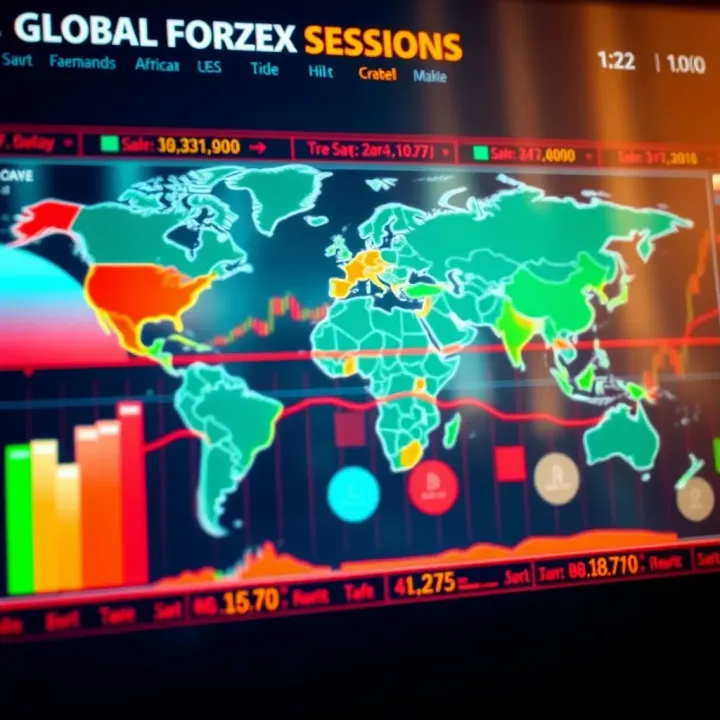
🌍 Learn how Forex trading sessions impact your strategy in South Africa 🇿🇦. Discover session traits, overlaps, and tips to boost your trades effectively.
📈 Master forex basics with this practical guide for South African traders. Learn market structure, risk management, reading pairs, and choosing brokers confidently.
Discover how to trade forex confidently in South Africa 🇿🇦. Learn market basics, strategies, risk tips, legal rules & practical steps to start trading today. 📈💡
Based on 15 reviews