
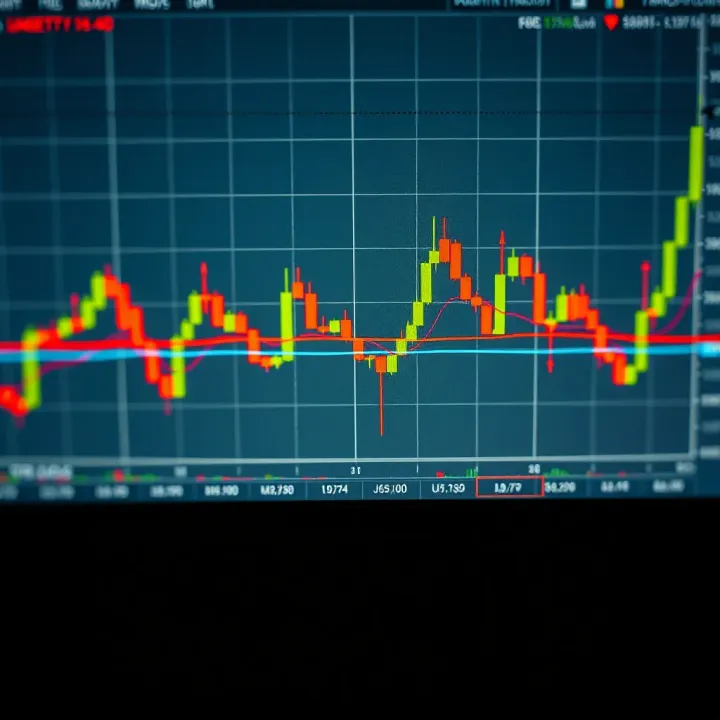
Understanding Candlestick Chart Patterns
📊 Master candlestick chart patterns for smarter trading! Discover key signals, practical tips, and handy PDF resources tailored for South African investors.
Candlestick charts give you a snapshot of how prices moved in a specific period, making it easier to read market moods. Each ‘candle’ summarises opening, closing, high, and low prices, helping you spot patterns that hint at what traders might do next.
For South African traders navigating the JSE or other markets, understanding these patterns can improve your timing and confidence when buying or selling. Instead of diving into complicated jargon, we'll simplify the basics and show you which patterns signal whether buyers or sellers are in control.
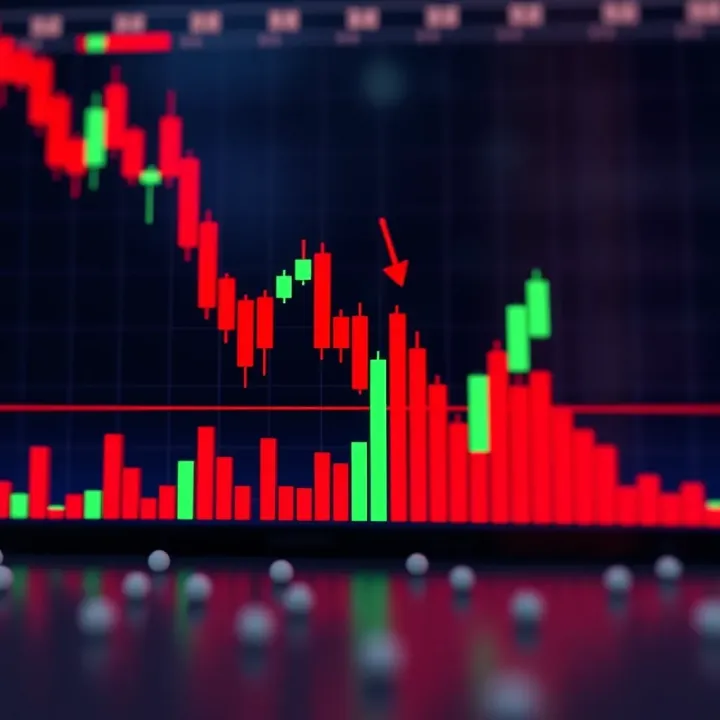
Reading candle patterns isn’t about crystal balls; it’s about making sense of what’s on your screen so you can trade smarter.
They show price action visually, not just numbers.
They help identify trend changes early.
They reveal market sentiment – are bulls or bears calling the shots?
Body: The wide part shows the difference between opening and closing prices.
Wicks (or shadows): Thin lines above or below the body showing the highest and lowest prices reached.
Colour: For most charts, a green (or white) candle means price closed higher than it opened (bullish), while red (or black) means it closed lower (bearish).
Practical example: Imagine a stock on the JSE opens at R50, hits R52 at its peak, dips to R49, then closes at R51. The candle’s body will stretch from R50 to R51, with wicks reflecting the R52 high and R49 low. This immediately tells you about that session’s price swing.
Understanding patterns involves noticing how these candles cluster and change. A series of strong green candles might signal rising buyer interest, while long upper wicks can hint at selling pressure.
This overview sets the groundwork for recognising key bullish and bearish candle patterns, combining them with volume and timeframe for more reliable trading decisions on local markets. Keep in mind that candle charts work best when used alongside other tools and sound market knowledge.
Candlestick charts form the backbone of technical analysis for traders and investors. Understanding their structure helps you read market sentiment quickly and make informed decisions. Each candlestick sums up price action within a specific timeframe, offering insight that line or bar charts alone can’t provide.
A candlestick consists of a body, alongside upper and lower wicks or shadows. The body represents the difference between the open and close prices for the period. If the close is higher than the open, the body is typically filled with a lighter colour or left hollow, indicating bullish movement. The wicks mark the highest and lowest prices reached during that interval, showing price volatility beyond the open-close range.
For instance, imagine a stock that opens at R100, climbs to R110, drops to R95, and closes at R105. The body runs from R100 to R105, while the upper wick extends to R110, and the lower wick dips down to R95. This structure reveals buying pressure pushing prices up, but also some selling that dragged the price lower before settling.
Open, close, high, and low prices together determine a candle’s shape and the story it tells. The open and close dictate the body size and direction, while the high and low define the wicks’ lengths. Long wicks suggest indecision or quick reversals, which alert you to market volatility or potential trend changes. Paying attention to these components can save you from misreading temporary price spikes as trend shifts.
Candlestick charts present price action visually in a way that’s easier to grasp at a glance than line charts. While line charts connect closing prices over time, candlesticks reveal more detail about intraday swings. This added detail is vital for spotting momentum, reversals, and support or resistance levels effectively.
More importantly, candlestick charts allow traders to identify patterns swiftly. Patterns like the hammer, shooting star, or engulfing formations are easier to spot because of the distinct candle shapes. This visual clarity helps traders react faster to changes without getting lost in raw numbers or complex data.
Recognising candle patterns quickly can mean the difference between seizing an opportunity and missing out, especially in markets affected by sudden moves or loadshedding interruptions.
By mastering the basics of candlestick charts—their components and what they represent—you build a solid foundation to apply more advanced trading strategies. This knowledge enhances your ability to read market sentiment precisely and increases your chances of smarter, more confident trading decisions.
Bullish candle patterns play a vital role in helping traders spot potential upward movements in the market. In particular, recognising these patterns early can guide you in entering trades where buying pressure is likely to increase. This section takes a look at several key patterns that often signal trend reversals or continuations, making it easier to make smarter trading decisions.

The hammer is a classic bullish reversal pattern that appears after a downtrend. It features a small body with a long lower wick, showing that sellers pushed the price down but buyers fought back strongly before the close. This shift in momentum can indicate that the selling pressure is easing, and a price rebound might follow. Inverted hammers look similar but have a long upper wick instead; they can also mark a potential bottom when confirmed by subsequent price action.
For example, if a share listed on the JSE shows a hammer on its daily chart near a support level, it might be a sign to watch closely for a rally. But remember, the hammer alone isn’t a silver bullet; confirmation is needed.
A bullish engulfing pattern forms when a small bearish candle is completely overshadowed by a larger bullish candle the next day. It’s like the buyers are taking control, quite literally "engulfing" the sellers. This pattern suggests a strong shift in market sentiment from selling to buying, often signalling the start of an upward move.
Imagine a stock with steady declines showing a bullish engulfing pattern coupled with higher volume — this can be a neat signal traders look out for, especially when it occurrs near a key support zone.
The morning star is a three-candle pattern that points to a potential trend reversal. The first candle is bearish, the second is small-bodied (often a doji) reflecting indecision, and the third is a solid bullish candle that closes well into the first day’s trading range. This sequence shows the market shifting gears: from sellers in control, into a pause, then finally buyers stepping up.
In practise, spotting a morning star on a daily chart after a sharp decline can hint that a recovery is likely, giving traders a chance to jump in early.
Volume is the fuel behind price moves. If a bullish pattern appears but the volume is low, it often lacks conviction. Higher volume during or after the pattern gives it more weight. For instance, a bullish engulfing candle with a spike in volume suggests more traders are buying in, making the signal more reliable.
On the other hand, low volume might mean the market is just testing the waters, and the move may fizzle out. Volume confirmation helps reduce false alarms.
Candlestick patterns do not exist in isolation. Their significance depends a lot on the bigger picture. For example, a hammer forming during a high-volatility session or around major economic news might carry different implications than the same pattern showing up in a calm market.
Also, understanding support and resistance zones, market sentiment, and recent news around the specific share or sector can help verify whether a bullish pattern is likely to hold. Without this context, even the clearest candle signals might mislead.
Remember: Combining candle patterns with volume and market context sharpens your trading decisions. It’s like getting a second opinion before placing a bet on the market.
In short, learning to spot and confirm bullish candlestick patterns is a practical skill that can add an edge to your trading toolkit, especially in a South African market known for its volatility and reacting strongly to global and local developments.
Recognising bearish candle patterns is essential for spotting potential downtrends before they escalate. These patterns offer early warnings that selling pressure may take over, helping traders avoid sudden losses or capitalise on short opportunities. In South Africa’s volatile markets, where economic news and global events can rattle prices fast, understanding these signals sharpen your trading edge.
Shooting Star and Hanging Man are single-candle patterns signalling possible reversals. A shooting star forms after an uptrend and has a small body near the candle's low, with a long upper wick showing that buyers pushed the price up but sellers regained control by close. This suggests hesitation to continue upwards.
The hanging man looks similar but appears after a rise in price; it has a small body near the top and a long lower wick. It indicates that although bulls tried to push prices higher, bears started to bite, sparking potential selling pressure. Traders often wait for confirmation with the next candle before acting.
Bearish Engulfing is a two-candle pattern that strongly signals a shift in momentum. The first candle is bullish, but the following bearish candle completely engulfs the first one's body. This shows sellers overwhelming buyers, often marking the start of a downward move. For example, on a JSE-listed share, seeing a bearish engulfing pattern at a resistance level can prompt a timely exit.
Evening Star combines three candles: a strong bullish candle, a small indecisive candle (often a doji), and a bearish candle closing deep into the body of the first. This pattern marks a clear top and signals downside risk building up over several sessions. South African traders watch this pattern especially around important news releases or after a sustained rally.
Volume spikes frequently accompany bearish patterns and add weight to the signal. A sudden rise in volume during a bearish candle shows genuine selling interest, not just typical profit taking. For instance, if a silver miner listed on the JSE shows volume spiking alongside a bearish engulfing, it confirms that sellers are likely gaining control.
Market sentiment shifts underpin many candle reversals and should always be considered alongside patterns. Local factors like political uncertainties, Eskom loadshedding affecting businesses, or commodity price declines can shift sentiment quickly, amplifying bearish signals. Tracking investor sentiment via news and social media helps you avoid false alarms and plan trades better.
Spotting these bearish candle patterns and combining them with volume and market sentiment offers a clearer picture of when the tide might turn against bulls, letting you protect capital or seize shorting chances.
Understanding key bearish candle patterns equips you to recognise early signs of market weakness. But always remember to confirm with other indicators and wider market context before making a move. Trading smart means balancing caution with decisiveness, especially in South Africa’s dynamic markets.
Candle patterns offer more than just a snapshot of price moves; they’re a practical tool to build trading strategies that respond to actual market behaviour. By recognising certain candlestick formations, traders can anticipate potential price movements and time their entries or exits better. However, these visual clues work best when paired with other technical indicators to confirm signals and improve decision-making.
Support and resistance levels are crucial context markers for candle patterns. Traders watch these horizontal price zones where the market tends to pause or reverse. For instance, spotting a bullish engulfing pattern right above a strong support level may hint at a real recovery instead of a brief bounce. This combination raises confidence that the price might rise rather than pull back again. Without recognising these levels, candle signals on their own can easily mislead, especially in choppy markets.
Moving averages smooth price data, highlighting the prevailing trend and acting as dynamic support or resistance. Pairing candle patterns with moving averages allows traders to filter signals better. Imagine seeing a hammer candle while prices drop close to the 50-day moving average—that’s often a sign the dip could be short-lived. Conversely, a bearish engulfing candle breaking below a moving average can warn of further drops. Using moving averages this way helps avoid false signals that occur when candlestick patterns form during sideways price action.
Interpreting candle patterns depends heavily on the timeframe you’re analysing. Short-term versus long-term analysis differs because smaller timeframes, like 15 minutes or an hour, capture quick, often noisy price movements ideal for day traders. Long-term charts, such as daily or weekly, reflect broader market trends that suit investors holding for weeks or months. A bullish pattern on a daily chart usually carries more weight than the same pattern on a 5-minute chart, which could just be random fluctuations.
When comparing intraday versus daily charts, intraday candlesticks provide granular insight for those managing trades actively. For example, a morning star pattern appearing on a 30-minute chart might signal a short-lived reversal within the day, helping a trader scalp quick profits. On the other hand, daily chart patterns give a clearer picture of market sentiment over longer periods, crucial for swing traders or investors planning their moves. Adjusting your strategy to match the timeframe of candle patterns ensures you align your trades with the market’s pace.
Pairing candle patterns with support, resistance, moving averages, and suitable timeframes sharpens trading decisions and reduces the chance of chasing false signals.
By combining these tools thoughtfully, South African traders can create more resilient strategies that respect local market quirks and global influences alike.
Candlestick patterns can offer great insights, but traders often stumble over common mistakes that lead to false signals or missed opportunities. Understanding these pitfalls helps you avoid costly errors and improves your timing when making trading decisions.
Relying solely on candlestick patterns can lure you into traps. A bright green engulfing candle might look like a strong buy signal, but without more context, it’s risky to act on that alone. Patterns may form frequently without leading to worthwhile moves, much like seeing a cloud and predicting heavy rain—it sometimes happens, but not every time. Many traders fall into the trap of jumping in too soon just because a pattern looks textbook perfect, only to find the move fizzles out.
Equally, overlooking market context and volume can be a costly oversight. Picture a bullish hammer candle appearing after a long downtrend, signalling potential reversal. If this happens on very low volume, it’s a red flag that few participants support the move. Volume confirms the strength of a price action. Ignoring how the pattern fits within broader trends or key support and resistance levels often means missing the bigger picture. For instance, an engulfing pattern near a strong resistance zone might fail to sustain a rally, especially if market sentiment is negative or there’s a big economic event looming.
Waiting for pattern completion is vital to avoid jumping the gun. Some candle patterns take a few sessions to fully form — like a morning star where the middle candle must gap lower but close within the previous range to signal a reversal correctly. Acting before the pattern finalises is like calling the finish line before the race is run. Take your time.
Also, using additional indicators for confirmation shields you from false alarms. For example, pairing a bullish engulfing candle with a rising moving average or RSI showing oversold conditions adds weight to the trade signal. RSI divergence or support zones can reinforce candlestick clues, so use a toolbox approach. Even a simple volume spike on the pattern day can confirm stronger conviction.
Patience combined with multiple confirmations helps separate promising signals from mere noise, improving your edge.
Avoid misreading candle patterns by looking beyond the shapes. Consider volume, broader market moods, and other indicators before committing. This well-rounded approach prepares you better for the realities of volatile markets and helps protect your capital in unpredictable trading environments.
📊 Master candlestick chart patterns for smarter trading! Discover key signals, practical tips, and handy PDF resources tailored for South African investors.
🧶 Learn how to read and use free crochet chart patterns with simple tips and local resources. Perfect for South African crocheters eager to craft with confidence!

Learn how to trade gold in the forex market with strategies, risk tips, and insight on global impacts 🌍 plus a guide for South African investors looking to grow their portfolios.

🇿🇦 Start forex trading confidently with this beginner's guide! Learn how the forex market works, key terms, strategies, and risk tips tailored for South African traders 📈💰
Based on 5 reviews