
Understanding Forex Trading Systems
Explore how forex trading systems work, types to choose from, top risk management tips, and tech tools 🚀 for smarter trades in South Africa and beyond.
Edited By
Isabella Thornton
Forex trading might seem like a labyrinth at first glance, especially if you're new to financial markets. But breaking it down into its core pieces makes it much easier to grasp. This guide aims to clear the fog, laying out the practical steps and concepts you need to understand before diving into forex trading.
We'll go over the nuts and bolts: what forex trading really involves, how currency pairs work, and why certain factors make prices jump up or down. You'll also get a good look at the platforms South Africans can use, which are reliable and user-friendly.
Forex isn’t just about guessing which way a currency will move; it’s about understanding the forces at play and managing your risks smartly.
Whether you’re a trader, investor, broker, or analyst, knowing these ins and outs helps you make informed choices. No fluff, no jargon — just clear info you can apply.
In the sections ahead, expect clear explanations, examples from real market behavior, and some practical tips tailored for the South African context. By the end, you’ll be in a better position to trade currency pairs confidently and wisely.
Understanding what forex trading really is and how it operates lays the foundation for becoming a confident trader. It’s not just about guessing currency prices—it’s about grasping the mechanics behind currency exchange and the roles different players take on. This part of the article clears up any fog and shines a light on the nuts and bolts, making sure you’re not stepping into the market blind.
Forex, or foreign exchange, is where currencies are bought and sold. Think of it like a marketplace bustling 24 hours a day—Monday through Friday—where money from different countries is traded like commodities or stocks. When you hear about the US dollar, euro, or South African rand, their values come from this market.
What sets forex apart is the pairing system. Currencies are traded in pairs (like ZAR/USD or EUR/GBP), meaning you’re buying one currency while selling another. The value you see for the pair indicates how much of the second currency you need to buy one unit of the first. For a practical example, if ZAR/USD shows 0.065, it means 1 South African rand equals 0.065 US dollars.
This market thrives because it's highly liquid and accessible—anyone with an internet connection can get involved via brokers. Whether it’s a business trying to pay for imports or everyday traders speculating on price moves, the forex market facilitates these transactions, impacting prices continuously.
The forex market isn’t dominated by any single player. Instead, it includes a variety of participants with different goals:
Banks and financial institutions: They account for the lion’s share of trades, moving massive amounts to facilitate client trades or speculate.
Corporations and businesses: They use forex to handle international payments and hedge currency risk.
Governments and central banks: These players step in to manage their currency’s stability, intervene in times of volatility, or adjust monetary policy.
Retail traders: Individual traders like yourself who seek profits from currency fluctuations.
Understanding who is behind each move helps you read the market pulse better. For instance, if a central bank hints at raising interest rates, it’s often a green light for traders to buy that currency, expecting it to strengthen.
Trading forex means dealing in pairs. To "go long" (buy) a currency pair means you expect the base currency (the first in the pair) to strengthen against the quote currency (the second). Conversely, "going short" (selling) means you believe the base currency will weaken.
Imagine you think the South African rand will gain strength against the US dollar, so you buy ZAR/USD. If the rand indeed gets stronger, you make a profit when you sell later. But if it weakens, you face a loss.
This system offers flexibility—you can profit from both rising and falling markets, unlike many other forms of trading that only benefit from price increases.
Every currency pair in the market has two prices:
Bid price: The price at which the market (or your broker) will buy the base currency from you.
Ask price: The price at which the market will sell the base currency to you.
The difference between these two is the spread, which is essentially the broker’s commission. For example, if EUR/USD has a bid of 1.1050 and an ask of 1.1052, the spread is 0.0002 (or 2 pips).
Understanding bid and ask prices is critical because they impact your entry and exit point in a trade. High spreads mean higher costs, which can eat into profits, especially on short-term trades.
Grasping how these elements fit together turns forex from a confusing concept into a practical tool you can use wisely. It’s like knowing the gears of a car before driving – without this, you’ll struggle to get far.
This section sets the stage for everything that follows, ensuring you’ve got the technical basics and market structure before moving into strategies and more complex ideas.
Understanding currency pairs is like getting the hang of a new language for anyone stepping into forex trading. Every trade in the forex market involves buying one currency and selling another simultaneously, and these two form a currency pair. This concept is at the heart of how forex trading works. Appreciating the role of currency pairs helps traders spot opportunities and manage risks better.
Major currency pairs are the rock stars of forex trading and include pairs like EUR/USD, USD/JPY, and GBP/USD. These pairs involve the world’s most traded currencies and usually have low spreads, meaning lower trading costs. For instance, EUR/USD is the most liquid pair with huge daily volumes, making it a popular choice for beginners and pros alike.
Minor currency pairs don't feature the US dollar but involve other strong currencies like the euro, yen, or British pound — think EUR/GBP or AUD/NZD. These pairs tend to have somewhat wider spreads than majors, but offer unique trading opportunities, especially for those who want to diversify beyond the dollar.
Exotic currency pairs mix a major currency with a currency from an emerging or smaller economy, like USD/ZAR or EUR/TRY. These pairs tend to be more volatile and come with higher spreads. In South Africa, USD/ZAR is particularly watched due to the significant influence of local economic and political factors.
Trading currency pairs isn’t a one-size-fits-all situation. Major pairs tend to be less volatile and more predictable, making them suitable for conservative traders. Exotic pairs, on the other hand, can swing like a rollercoaster due to thinner liquidity and regional instability. For example, political changes in Turkey or economic shifts in South Africa can cause the USD/TRY or USD/ZAR to move sharply.
This volatility brings both opportunity and risk. While big price moves can lead to bigger gains, they can equally cause steep losses if you're caught on the wrong side. Wise traders adjust their strategies according to the pair’s volatility, using tighter stop-loss orders or smaller trade sizes on exotic pairs.
Currency prices aren’t pulled out of thin air; they’re shaped by numerous factors kicking and pushing markets every day. Interest rates play a big role — when a country’s central bank hikes rates, its currency usually gains strength as higher returns attract investors. Conversely, inflation can erode a currency’s value since it lowers purchasing power.
Economic indicators like employment figures, GDP growth, or trade balances also steer exchange rates. For example, if South Africa announces a bump in mining exports, it might strengthen the rand (ZAR) because more foreign buyers need local currency to pay.
Global headlines can send forex markets into a frenzy overnight. Events such as elections, geopolitical tensions, or unexpected central bank announcements can instantly sway exchange rates. Take the US Federal Reserve’s rate decisions — these often create waves across all major pairs.
News matters because traders constantly adjust their positions based on changing expectations. For South African traders, keeping an eye on local political developments, commodity prices like gold or platinum, and international trends helps in anticipating currency moves. Remember, trading around big news is like walking on thin ice: the risks rise, but so do opportunities.
Understanding the dynamics behind currency pairs and exchange rates gives traders a clearer view of the market landscape. It’s not just numbers on a screen; it’s the real world, economics, and human reactions all rolled into one hectic dance.
By recognizing the types of currency pairs and the elements that move exchange rates, traders can make more informed decisions, tailor their strategies, and better manage risks in the forex arena.
Diving into forex trading in South Africa means stepping into a market that’s both exciting and competitive. Understanding where to start can make a world of difference, especially given the unique regulatory environment and the options available locally. This section will help you get your bearings, highlight practical steps to take, and explain why it’s important to begin on the right foot.
In South Africa, the Financial Sector Conduct Authority (FSCA) is the watchdog overseeing forex brokers. Choosing a broker licensed and regulated by the FSCA isn't just a box to tick—it’s a safety net. Licensed brokers adhere to standards that protect your money and ensure fair trading practices. For example, a broker registered with the FSCA must keep clients' funds separate from their operating capital, reducing the risk of losing your money if the broker runs into trouble.
Always check the FSCA register before committing your cash. Ignoring this can expose you to rogue brokers who might disappear with your funds.
The trading platform is your gateway to the markets, so it needs to be user-friendly and reliable. Look for popular platforms like MetaTrader 4 or MetaTrader 5, which are widely supported and offer plenty of tools for analysis. Some brokers also provide easy-to-use mobile apps, which are a must if you want to trade on the go.
Fees vary widely between brokers—these can include spreads, commissions, and overnight swap fees. A spread of 1.5 pips on the EUR/ZAR pair, for example, might seem tiny but can add up quickly if you trade often. Some brokers offer fixed spreads, which help with cost predictability, while others have variable spreads that widen during high volatility. Understanding these fees helps you choose a broker that fits your trading style and budget.
Opening an account generally requires proof of identity and residence—think national ID or passport and a recent utility bill or bank statement. This is standard practice, part of anti-money laundering laws. South African brokers might also ask for a tax number or source of income details to comply with local financial rules. Having these documents ready speeds up the account opening process and ensures you meet regulatory requirements.
A demo account is a risk-free playground where you can test strategies without risking real money. These accounts often mirror live market conditions closely, letting beginners practice and gain confidence. However, trading with fake money doesn't quite replicate the pressure you feel when your own cash is on the line.
Once comfortable, switching to a live account means real stakes and real emotions. Start small, only investing money you can afford to lose. Remember, many successful traders began by losing and learning, gradually increasing their trades as their skills improved.
Getting started wisely with the right broker, understanding local rules, and choosing the right kind of account sets you up for a smoother trading experience. In South Africa’s growing forex market, these early steps are crucial for any trader looking to avoid pitfalls and trade confidently.
When it comes to trading forex, the tools and platforms you choose can make a big difference in your success. These aren’t just fancy gadgets; they’re the core around which your trading activities revolve. Without the right platform or tools, even the sharpest trader can stumble. It’s like trying to drive a car without knowing how the dashboard works. This section takes a close look at why these tools matter and which ones you should consider.
MetaTrader, particularly MetaTrader 4 (MT4) and MetaTrader 5 (MT5), have become household names in the forex world. They gained popularity because they offer a user-friendly environment packed with powerful features—ideal whether you’re a newbie or a seasoned trader. For instance, MT4 provides real-time price charts, automatic trading with Expert Advisors, and extensive customisability for indicators.
Another good example is cTrader, which appeals to traders who want a slicker interface with enhanced order management tools. Both platforms support algorithmic trading, so if you're keen on automating your trades, these options have got you covered.
Choosing one often boils down to what kind of trading experience you’re after. MetaTrader works well on moderate internet speeds and offers vast community support, especially helpful for people in South Africa where stable connectivity varies.
Trading on the move has become a norm, but it’s important to understand the pros and cons of mobile versus desktop trading. Desktop platforms generally offer a more comprehensive set of features, larger screen real estate for multiple charts, and easier navigation for in-depth technical analysis.
On the other hand, mobile apps provide convenience and flexibility, letting you check the market or close a trade while waiting in line or travelling. For example, the MetaTrader mobile app mirrors many desktop functionalities but with a simplified layout. However, not all indicators or tools available on desktop are on mobile versions, so it’s wise to avoid making complex trade decisions exclusively on your phone.
Traders often find that using both works best—desktop for planning and analysis, mobile for monitoring and quick decisions.
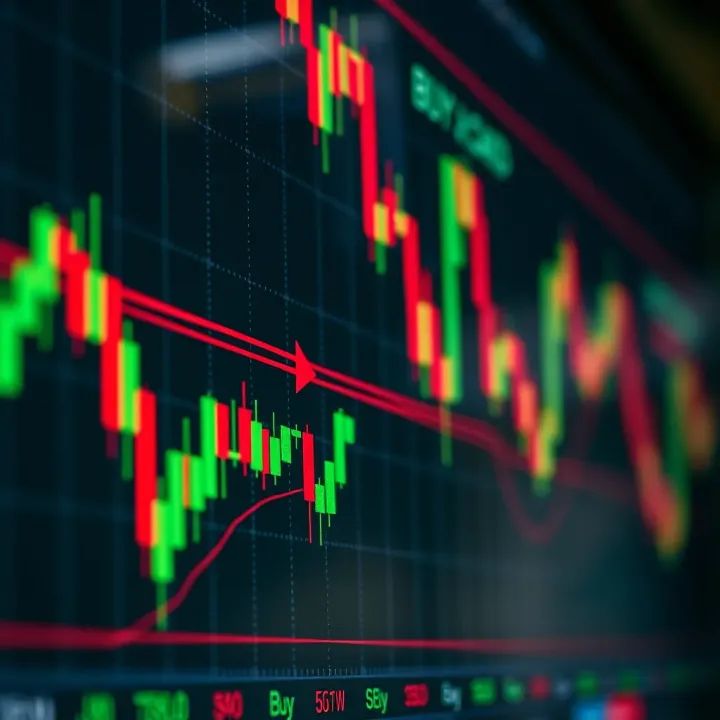
Charts are the heartbeat of forex analysis. The most common ones include line charts, bar charts, and candlestick charts, with candlestick charts being particularly popular because they pack lots of info into visual ‘candles’ representing price movements.
Indicators like the Relative Strength Index (RSI), Moving Averages, and Bollinger Bands help traders spot trends, identify overbought or oversold conditions, and estimate price volatility. For example, a moving average crossover strategy is a simple yet effective method to signal when to enter or exit trades.
Knowing how to read and combine these indicators is a skill that traders develop over time, and most good platforms provide easy access to dozens of these tools.
Technical analysis isn't just about pretty charts; it’s a practical tool for making informed decisions. A trader might use a combination of a support and resistance level with a momentum indicator like RSI to decide when to buy or sell.
For example, if the EUR/USD pair approaches a strong support level, confirmed by an RSI that’s bottoming out, it might be a cue to enter a buy position, anticipating a bounce. Conversely, if the price hits resistance and volume drops, it could signal selling time.
The key is to avoid relying on a single indicator—combining signals reduces guesswork and helps manage risk better. Remember, analysis tools are there to support your judgment, not replace it.
In the end, trading platforms and tools shape your ability to react swiftly and wisely to market moves. Using the right combo can make all the difference between a lucky guess and a consistent trading strategy.
Forex trading isn't a walk in the park; it comes with its fair share of risks and hurdles that every trader, especially beginners, need to get their heads around. Understanding these difficulties is crucial because it helps you prepare better and avoid unnecessary losses. From the high swings of the market to shady brokers trying to take you for a ride, knowing what to expect and how to handle these challenges can make your trading experience a lot less stressful and way more profitable.
Currency markets are notorious for their unpredictability. Imagine planning to buy the Euro against the South African Rand only to wake up to a surprise interest rate change in Europe overnight. Such shifts can send prices zooming up or plunging down without warning, causing trades to hit stop losses quickly or miss out on profits. This quick motion means traders must monitor the market constantly or risk getting caught off guard.
For example, traders who weren't ready for the abrupt US Fed announcement often saw their positions wiped out or seriously hurt within minutes. Such volatility emphasizes why forex trading requires not just knowledge but a sharp eye and solid nerves.
Handling this wild ride isn't just about guessing which way the market will turn but managing your risks smartly. Setting stop-loss orders and taking profits at planned points can save you from significant hits. It’s like putting on a seatbelt; you can’t control the road, but you can protect yourself.
Risk management tools help you size your trades properly relative to your account, meaning you don’t throw too much money behind a single bet. Use of leverage should be cautious — going in heavy on borrowed funds may multiply gains but also losses, often catching even seasoned traders off guard.
Tip: Always decide in advance the maximum amount you’re willing to lose per trade, then stick to it like glue. Consistency trumps heroics in forex trading.
Unfortunately, the forex scene attracts some bad apples trying to scam newcomers. Common warning signs include promises of guaranteed returns, pressure to invest quickly, or complicated jargon designed to baffle you. Also, if a broker or signal service asks for payments that seem excessive or uses unsanctioned payment methods like gift cards, it’s a clear red flag.
A word to the wise: No one can promise you’ll double your cash overnight. Treat such claims like a phishing scam—keep your guard up.
Start by choosing brokers regulated in South Africa by the Financial Sector Conduct Authority (FSCA). Regulated firms must follow strict rules designed to protect clients. Use payment methods that offer recourse such as credit cards or reputable electronic wallets, rather than direct bank transfers when possible.
Additionally, keep personal info tight and avoid sharing login details or passwords. Consistently check your account activity so any unauthorized transactions stand out early.
Bottom line, protecting your money is as much about picking the right broker and staying alert as it is about using technical trading skills.
Understanding the core strategies in forex trading is essential for anyone serious about making money in the market. These strategies are the tools traders use to navigate price movements and manage their risk. Without a solid strategy, trading often ends up feeling like a shot in the dark, especially in fast-moving exchanges like forex. For South African traders, grasping these basic approaches can help avoid costly mistakes and increase chances of success.
A good trading strategy isn’t just about picking when to buy or sell; it also involves knowing how long to hold a position and how to react to market swings. The two common broad strands we'll look at are short-term trading approaches, such as day trading and scalping, and longer-term strategies, like swing and position trading. Each has perks and pitfalls, so knowing which fits your style and schedule can make a big difference.
Both day trading and scalping revolve around quick entries and exits, usually within a single day. Day traders might hold a position for hours or minutes, while scalpers aim to make lots of tiny profits by trading in and out in seconds or minutes. The idea is to capitalize on small price changes caused by intraday volatility.
Imagine a trader keeps an eye on a currency pair like EUR/USD during London trading hours. If they spot a sudden dip of a few pips due to a news release, they might jump in to scalp a quick profit before the price bounces back. This requires intense focus, fast decision-making, and reliable trading software.
One big upside is that day trading and scalping avoid overnight risk—no need to worry about unexpected news hitting while markets sleep, which can suddenly turn your position sour. These methods can also generate frequent profit opportunities for those ready to hustle.
On the flip side, this nonstop pace can sap your energy and lead to costly mistakes if you’re not disciplined. Trading fees from many quick trades can eat into your earnings. Also, it's not easy for beginners to get this right without practice; the learning curve can be steep, like trying to catch a fast-moving train.
Remember, fast doesn't always mean better. Sometimes, slower and steadier wins the race in forex.
Swing and position trading take a slower approach, holding onto trades for days, weeks, or even months. This style relies on spotting medium to long-term trends, such as a currency pair gradually strengthening or weakening due to underlying economic factors.
Consider a Swing trader who buys USD/ZAR anticipating a rally due to expected interest rate hikes by the South African Reserve Bank. They stay in the trade for several days or weeks, riding the trend instead of reacting to price jitters on a minute-by-minute basis.
The longer horizon means less frantic screen-watching and lower trading costs since you make fewer trades. But it also demands patience and ability to weather price dips. Risk management becomes vital here—setting stop-losses that prevent hefty setbacks while leaving room for the trade to develop.
Effective swing and position traders often combine technical analysis with awareness of major news or economic indicators. Finding the right balance can be like managing a see-saw: too tight with stops, and you get kicked off trades prematurely; too loose, and a stupid dip can wipe out your profits.
There's no perfect strategy for everyone. The key is to experiment, learn, and adapt according to your own rhythm and risk tolerance.
By understanding these basic trading strategies, South African forex traders can better navigate their way through the twists and turns of the currency markets. Whether you’re eyeing fast trades or slow holds, a clear approach grounded in education and realistic expectations is the backbone of potential success.
Economic factors play a big role in shaping currency markets. Understanding these can give traders an upper hand, especially if you're watching the South African rand or other major currencies closely. When central banks shift policies, or inflation rises unexpectedly, forex prices react — sometimes sharply. These movements aren't random; they stem from real changes in a country's economic health.
Knowing how interest rates, inflation, and political stability influence forex trading helps traders move with the current, rather than against it. For example, when South Africa's Reserve Bank adjusts rates, it can impact the rand's strength and how attractive it is to investors. Staying ahead of such events means fewer surprises and better trade decisions.
Central banks, like South Africa’s Reserve Bank or the US Federal Reserve, set interest rates to keep the economy in check. When they raise rates, borrowing becomes more expensive, often slowing down spending and inflation. Lower rates usually encourage borrowing and spending but can lead to higher inflation.
For traders, watching these policy changes is vital. A rate hike in South Africa, for example, often makes the rand stronger because it offers better returns for investors. Conversely, if inflation creeps up too fast and the central bank doesn't respond, that currency might weaken.
A practical tip? Check the calendar for central bank meetings and announcements. You don’t want to be caught off-guard by sudden rate changes that move the market.
Interest rates and inflation heavily influence a currency's appeal. Higher interest rates generally draw investors seeking better returns, pushing the currency value up. Inflation, if kept in check, often reflects a stable economy and supports currency strength. But if inflation hikes get out of control, purchasing power erodes, sending the currency down.
Consider the rand in volatile times: if inflation spikes but the Reserve Bank holds rates steady, the rand might fall due to fears of declining buying power. On the other hand, timely rate increases can bolster confidence and attract capital flows.
Elections in any country can stir up the forex market. New leadership often means new policies, which can either reassure or unsettle investors. In South Africa, for instance, a change in government direction on economic policies or foreign investment can send the rand on a rollercoaster.
Elections bring uncertainty, so traders often see increased volatility beforehand. It’s smart to monitor polling trends and potential policy shifts to anticipate currency moves rather than react after the fact.
Tensions between countries—whether trade disputes, military conflicts, or diplomatic breakdowns—can rattle forex markets worldwide. Such uncertainties tend to push traders toward so-called "safe haven" currencies like the US dollar or Swiss franc.
If geopolitical risk rises near South Africa, investors might shy away from the rand, seeking stability elsewhere. Traders must keep a keen eye on global headlines and understand how these tensions affect regional currencies.
Being tuned into both local and global economic factors is a must for anyone serious about forex trading. These forces drive price swings that can either make or break a trade.
In short, grasping how interest rates, inflation, political shifts, and tensions intersect with currency markets lets traders position themselves wisely. It's less about guessing and more about reading the economic signals that steer the forex world.
The world of forex trading can be like walking a tightrope—exciting, but with plenty of room for slips. This is why adopting responsible and effective trading habits is more than just a nice-to-have; it’s essential. These tips help traders navigate the choppy waters without losing their shirt or their peace of mind. Practicing discipline, setting clear goals, and managing emotions keep traders from chasing quick wins and instead build a foundation for sustainable success.
When you jump into forex trading, it's tempting to dream big—maybe turning a small sum into a fortune in days. But the reality is different. Understanding potential returns sets a grounded expectation that safeguards you from disappointment. For example, a modest 5% monthly return is more achievable and realistic than expecting a 50% jump overnight. Knowing what's reasonable helps you plan and avoid risky bets that often lead to losing it all.
Avoiding overtrading goes hand in hand with realistic goals. Picture this: you’ve had a couple of losing trades and suddenly feel the urge to ‘‘win it back’’ by opening multiple positions—often bigger and riskier than before. This knee-jerk response usually ends up compounding losses. Instead, set daily or weekly trading limits. This way, you won’t exhaust your capital or attention span. For instance, limiting trades to two or three a day can reduce impulsive decisions and help maintain clarity.
Forex trading can test your nerves, especially when losses hit. Dealing with losses calmly is crucial. Losses are inevitable—even the pros face them. The trick is to see them as part of the learning curve, not a catastrophe. For example, setting stop-loss orders in platforms like MetaTrader 4 allows you to cap losses automatically, easing the emotional burden. It’s a practical way of taking the emotion out of the equation.
Maintaining discipline means sticking to your trading plan no matter what. It’s easy to get swayed by the market buzz or ‘‘hot tips’’ from forums. Yet, those who thrive do the opposite—they trust their strategy and rules. That might look like closing a losing trade instead of hoping it reverses or not doubling down impulsively when things get rough. Keeping discipline might sound trivial, but it’s the difference between a trader who quits quickly and one who sticks around long-term, refining their edge.
Remember: Forex isn’t a lottery; it’s more like chess. It requires patience, thought, and a clear mind. Letting greed or fear take over will hurt you faster than any bad trade.
In short, the surefire way to prevent burnout and unnecessary losses is by setting achievable goals, limiting risky behaviors, and mastering your emotions. These aren’t just buzzwords—they’re your toolkit for turning the chaos of forex markets into manageable, strategic moves.
It's easy to get caught up in myths when stepping into forex trading, especially with all the hype surrounding overnight successes. Clearing up these misunderstandings is crucial because they affect how you approach the market and manage your risks. Knowing what’s real can save you from unnecessary losses and help build a stronger foundation as a trader.
Many come into forex with dreams of fast cash—buying a pair of currencies and doubling their money overnight. The truth is, forex trading is far from a guaranteed shortcut to wealth. Setting realistic expectations is key. Success doesn't come from luck but from patience, discipline, and a solid strategy.
Time and effort involved can’t be stressed enough. Mastering forex requires studying charts, understanding economic news, and practicing on demo accounts before risking real money. For example, a South African trader might spend months learning how the Rand behaves against the US Dollar before making consistent profits. Trading feels more like running a marathon than a sprint; quick wins are rare and usually come with higher risks.
It might seem like only financial wizards or those with fancy degrees can make money from forex, but that’s another misconception. The learning process might be steep, but it’s open to anyone willing to put in the work.
The learning curve for beginners can look intimidating because there's a lot to absorb—terms like pip, leverage, stop-loss, and candlestick patterns aren't everyday talk. However, breaking it down into manageable chunks helps. For instance, many South African traders start by learning simple strategies on well-known platforms like MetaTrader before exploring more complex tactics.
Luckily, there are plenty of resources available to level the playing field. From free online tutorials to paid courses, webinars, and even local trading communities that share tips and experiences. Demo trading accounts provided by brokers such as IG or HotForex let beginners test the waters without risking cash, helping build confidence and know-how before committing real funds.
Understanding these misconceptions can drastically change your trading outlook. Forex isn’t a magic money-maker, nor an exclusive club for experts—it’s a skill you develop over time.
By keeping your expectations grounded and embracing a learner’s mindset, you set yourself up for smarter, safer trading decisions. That’s where real progress begins.
When stepping into forex trading as a South African, understanding the legal framework and tax obligations is more than just following rules—it’s about protecting your investments and staying clear of trouble. Knowing who oversees trading activities and how taxes apply can save you headaches and unexpected costs.
The Financial Sector Conduct Authority (FSCA) is South Africa’s watchdog for financial markets, including forex trading. It’s their job to make sure brokers, platforms, and financial service providers behave fairly and transparently. For traders, this means choosing an FSCA-licensed broker isn’t just a nice-to-have—it’s a safeguard against rogue operators who might disappear with your funds.
The FSCA monitors market conduct, enforces compliance with laws, and protects traders against fraud. For instance, if your broker suddenly withholds withdrawals or manipulates trading conditions, filing a complaint with the FSCA is a practical step. Plus, using an FSCA-regulated firm ensures your money is handled according to strict guidelines.
Regulation builds trust in a market that’s often painted as risky or shady. It sets the ground rules on how brokers must operate, including capital requirements, transparency, and fair treatment. Without regulation, forex markets could resemble the Wild West—with shady dealings, unrealistically high leverage, or hidden fees.
Think of regulation as the safety net beneath your trading activities. It also means that you, as a trader, have an official authority to turn to if something goes sideways. This helps keep the market fair and avoids the traps that have caught many inexperienced traders off guard.
The South African Revenue Service (SARS) treats forex trading profits as taxable income. Whether trading is your hobby or a full-time gig, you are expected to report earnings accurately.
For example, if you made a profit of R50,000 in a tax year from your trades, this amount should be declared with your annual tax return. SARS looks at trading activities based on frequency, intent, and volume, to determine if you’re trading as a private investor or running a business. This distinction matters because it influences how your income is taxed.
Failing to report forex gains can lead to penalties, so it’s best to keep your records transparent and up-to-date.
Keeping detailed records is not just good practice—it’s a tax necessity. You can deduct certain expenses linked to your trading activities, like internet costs, trading platform subscriptions, or even a portion of your home office if you work from there.
It’s a good idea to track every transaction, including deposits, withdrawals, spreads paid, and commissions. Use a spreadsheet or trading journal to note dates, amounts, currency pairs, and outcomes. This makes it easier to provide evidence if SARS audits your returns.
Keeping clear, organised records not only simplifies tax reporting but also gives you a clearer picture of your trading performance over time.
In short, knowing the legal and tax backdrop of forex trading in South Africa means you're better equipped to trade responsibly and keep your profits where they belong—in your pocket.
Staying sharp in forex trading means never really stopping learning. The market keeps shifting, new tools pop up, and fresh strategies come into play. For South African traders especially, tapping into reliable resources keeps you grounded and ready to respond wisely when the market moves. This section highlights how continued learning isn't just a bonus, but a necessity in forex trading.
Books and online tutorials offer a solid foundation for both beginners and seasoned traders. Think of classic reads like "Currency Trading for Dummies" or more targeted lessons found on platforms such as Investopedia or Babypips. These resources break down complicated terms and strategies into bite-sized chunks, making the essentials easier to digest. Moreover, online courses frequently update their content, reflecting the very latest market rules and tools. For example, Coursera or Udemy often features courses tailored to forex, including ones that focus specifically on South African market conditions.
Community forums and webinars are where traders share, argue, and learn collectively. Forums like Forex Factory or Trader’s Laboratory let you peek into real-time discussions and trading ideas, valuable for spotting trends or upcoming risks. Webinars, often hosted by brokers like IG Markets or Saxo Bank, provide live sessions where you get to ask questions directly and see the experts in action. This direct interaction can be a game-changer for deepening your understanding or updating your approach based on others’ experiences.
Testing strategies without risking real money is where demo trading shines. Many brokers offer demo accounts, such as those from FXCM or HotForex, letting you simulate live trades in a no-pressure environment. This hands-on practice is crucial for trying out new techniques or familiarising yourself with complicated trading platforms without the stress of losing cash.
Transitioning to live trades should feel like stepping across a well-marked bridge—not a leap into the unknown. Once you're comfortable with demo trades, start small with real funds to get used to the emotional side of trading–because seeing gains or losses in black and white hits differently. Gradually increasing your trade size as confidence grows helps keep risk in check. Always keep in mind that live trading involves spread costs, slippage, and other real-world factors that demo accounts might not fully replicate.
Continuous education through diverse channels—books, courses, forums, webinars, and hands-on practice—is your best shield against poor decision-making and market swings.
In essence, a well-rounded mix of these resources equips traders with a stronger grasp on forex's ins and outs, especially in South Africa’s unique trading scene. Harnessing this knowledge toolbox not only builds confidence but also sharpens your edge in a market that’s anything but predictable.
Explore how forex trading systems work, types to choose from, top risk management tips, and tech tools 🚀 for smarter trades in South Africa and beyond.
📊 Get to know forex trading sessions, their timings, overlaps, and tips to boost your trading edge. Plus, access handy PDFs for easy tracking! 📈

Discover forex trading in Johannesburg 🏙️ with insights on local markets, regulations, top brokers, and platforms designed for South African traders 🇿🇦.
📈 Learn how forex trading signals work and how South African traders can use them wisely. Discover different types, benefits, risks, and trusted tips.
Based on 6 reviews