

Forex Trading Training in Johannesburg: Your Complete Guide
📈 Explore comprehensive forex trading training in Johannesburg! Learn key strategies, local market tips, & avoid common mistakes for success in forex trading.
Edited By
Oliver Kensington
Forex trading, or currency trading, is a popular financial activity worldwide, and Johannesburg has increasingly become a hotspot for both new and seasoned traders. With South Africa's unique economic landscape, its vibrant financial markets, and Johannesburg as the country's economic hub, understanding how forex trading fits here is essential.
In this guide, we'll explore everything you need to know about trading forex in Johannesburg—from the local market dynamics and regulatory environment to tips on choosing brokers and platforms tailored for South African traders. Whether you're just starting out or looking to refine your strategy, this article will provide practical insights grounded in the realities of the Johannesburg trading scene.

Why focus on Johannesburg? Because it’s not just about global currency swings but also how local factors such as the South African Rand's movements, regional policies, and market hours intersect to influence your trades. Plus, trading from Johannesburg means you have access to a range of brokers licensed by the Financial Sector Conduct Authority (FSCA), ensuring a layer of security and legitimacy.
Navigating the forex market here requires a mix of global awareness and local savvy, making this guide an important resource for anyone aiming to trade smarter and safer in South Africa.
Throughout this article, expect practical advice and real-world examples rather than just theory. We’ll look at:
The structure and specifics of forex trading in Johannesburg
Regulations that impact how you trade and who you can trust as a broker
Reviews of popular trading platforms used by South African investors
Strategies for managing risk specific to local market conditions
So, whether you’re scanning the forex charts after hours or planning your next move over a cup of rooibos tea, this guide is designed to be your companion in the lively and challenging world of Johannesburg’s forex market.
Understanding the forex market in Johannesburg is a must for anyone looking to trade currencies in South Africa. This city serves as the financial hub of the country and acts like a gateway to the broader African and global forex markets. Getting a clear picture of how forex trading works here helps traders make smarter decisions, avoid pitfalls, and tap into the right market opportunities.
Johannesburg's forex scene is shaped by the local economy, exchange controls, and the active participation of both retail and institutional traders. Unlike some global markets that move continuously, the South African market rhythms are influenced by business hours, economic events, and commodity price shifts. This means traders based in Johannesburg need to be tuned in to local and international signals.
Moving into the details, let's first review the current market trends and activity to see how Johannesburg fits into the worldwide forex picture.
The forex market in Johannesburg is known for its lively trading especially around the South African Rand (ZAR). Over the past few years, volatility has increased due to local political developments, commodity price swings (like gold and platinum), and shifts in global risk appetite. For instance, when gold prices jumped sharply in 2023, the rand reacted quickly, affecting forex pairs involving ZAR.
Day-to-day activity sees increased volume during overlapping hours with London and New York markets, given the time zone differences. Johannesburg traders often monitor economic indicators like South Africa’s inflation rate, GDP growth, and mining sector reports, as these drive currency movements.
Traders here also make use of online chatter and local news to anticipate moves. For example, a striking news report about a cabinet reshuffle or change in monetary policy can lead to quick forex market reactions, underlining the importance of being plugged into local development.
When it comes to currency pairs, the Rand (ZAR) is at the center of attention in Johannesburg. The most commonly traded pairs include USD/ZAR, EUR/ZAR, and GBP/ZAR, reflecting South Africa’s trade and investment links with the United States, Europe, and the United Kingdom.
Other pairs like ZAR/JPY and ZAR/AUD are also notable due to Japan and Australia’s roles in the global commodities market, which influences South African exports and currency strength.
Besides rand-cross pairs, many Johannesburg traders engage with the majors like EUR/USD and USD/JPY to diversify and offset local market risks.
For example, a Johannesburg trader might hedge ZAR exposure by taking positions in USD-related pairs that react to commodity price moves.
In brief, understanding which pairs dominate the local market gives traders an edge in focusing their analysis and capitalizing on active market segments.
This foundational insight into the Johannesburg forex market sets the stage for examining the regulatory environment and broker selection, which we'll explore next.
Understanding the legal and regulatory framework is a big deal when diving into forex trading in Johannesburg. It’s what keeps the market playing fair, protects traders from dodgy practices, and ensures everyone follows the rules. Without a solid framework, traders could easily fall prey to scams or face unexpected legal troubles down the line.
At its core, this framework explains who's responsible for oversight, what kinds of licences and registrations brokers need, and how traders are protected. Think of it as the safety net under the tightrope performers in the city’s forex market; it might not be visible until something goes wrong, but it's crucial to have.
The FSCA is the watchdog in South Africa’s financial markets, including forex trading. Its job is to supervise brokers and other financial service providers to make sure they’re operating fairly and transparently. For Johannesburg-based traders, this means that the FSCA checks brokers to ensure they hold valid licenses and adhere to professional conduct standards.
An example would be when a Johannesburg trader looks for a broker – those firms regulated by the FSCA often have to follow strict rules about how they handle clients’ money and disclose risks. If a broker goes rogue, the FSCA has the authority to step in, investigate, and even shut down operations if necessary. This regulatory oversight helps build trust among traders.
Forex trading is not a free-for-all; there are specific regulations that traders and brokers must follow. For example, brokers in Johannesburg must comply with the Financial Advisory and Intermediary Services (FAIS) Act, which governs how financial advice and intermediary business are conducted. This impacts things like how brokers market their services and how risk warnings are presented to clients.
Leverage caps are another point to keep an eye on. The FSCA may restrict the maximum leverage brokers can offer to reduce the risk of significant losses for retail traders. These measures directly affect how Johannesburg traders manage their trades.
Additionally, currency control rules by the South African Reserve Bank play a part. While these don’t directly restrict forex trading, they influence how money moves into and out of South Africa, which can impact international forex transactions.
Trader protections form the backbone of safe forex trading in Johannesburg. One key protection is segregation of client funds — brokers have to keep traders' money separate from their own operating funds. This means if a broker runs into financial trouble, your money should remain untouched.
Compliance requirements ensure brokers are transparent about fees, execution policies, and risks. For instance, brokers must provide clear terms and conditions and keep proper records of trades. If you ever have an issue, these requirements make it easier to lodge complaints and seek recourse.
It’s wiser for traders to choose brokers who are not only FSCA-registered but also members of industry groups like the South African Institute of Financial Markets (SAIFM), which promotes best practices and ethics.
Staying informed about the legal landscape isn’t just for the pros—every trader benefits from knowing their rights, the obligations brokers must fulfill, and avenues for protection.
Taking the time to understand these legal and regulatory details can save Johannesburg traders a lot of headache and help them trade more confidently in the forex markets.
Picking the right forex broker in Johannesburg is no walk in the park, but it’s a step you can’t skip if you want to trade confidently. This is where your trading journey can either take off smoothly or hit a few bumps. A reliable broker acts like your trading partner, providing the platform, tools, and support that can make a real difference to your success.
Johannesburg traders have access to a mix of well-known local brokers and established international players. Local brokers like Dealflow FX are tuned into the South African market and regulatory environment, which can give you peace of mind about compliance and currency control issues. On the flip side, international giants such as IG Group and XM offer sophisticated platforms and bigger liquidity pools. However, they come with their own quirks, such as different account protections and sometimes less direct access to local customer service.
A key takeaway: local brokers might understand the South African nuances better, but international brokers often provide wider trading tools and currency pair options. Your choice depends largely on what you value—whether it’s local familiarity or global capabilities.
When it comes down to costs, fees and spreads can quietly eat into your profits if you don’t keep an eye on them. Spreads are the difference between the bid and ask price—the smaller, the better for traders. Some brokers offer fixed spreads, which give you certainty, but might be slightly higher; others use variable spreads, which can tighten when the market's calm but blow up during volatility.
Before settling on a broker, check for hidden fees like withdrawal charges or inactivity fees; these can add up. For example, HotForex is known for reasonable spreads but has withdrawal fees, so factor that in if you plan to move funds often.
Leverage is a double-edged sword; it can amplify your gains but also balloon losses. South Africa's FSCA regulates leverage, limiting it to often no more than 1:100 for retail traders on major currency pairs, but some international brokers might offer higher leverage, which is riskier.
Choose leverage that fits your risk comfort level. If you’re just starting, keeping it modest—say 1:10 or 1:20—can prevent blowing up your account on one bad trade. Remember, just because a broker offers 1:500 doesn’t mean you should use it.
Imagine being stuck on a trade or facing withdrawal hassles, and customer service takes ages to respond. It’s frustrating and can cost money. Brokers with strong local or regional customer support, such as ThinkMarkets, offer chat, phone, and email support during Johannesburg business hours, which is a big plus.
Look for brokers who provide timely, clear communication in English, and consider their responsiveness in various channels. Reviews and trader forums can be goldmines for uncovering real experiences with broker support.
Your trading platform is your cockpit, so it needs to be reliable and easy to navigate. The majority of Johannesburg traders rely on MetaTrader 4 (MT4) or MetaTrader 5 (MT5) because of their user-friendly interface, advanced charting tools, and huge community support. Brokers like FXTM and Pepperstone support both platforms alongside their own proprietary platforms.
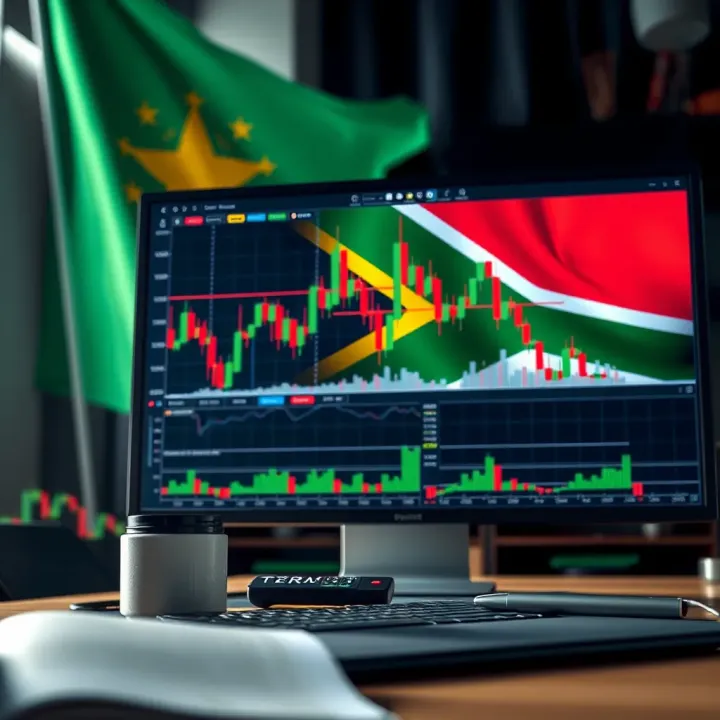
In addition to desktop solutions, check if the broker offers a mobile app stable enough for trading on the go. Given Johannesburg’s decent mobile internet, many traders prefer this flexibility.
Brokers usually offer various account types tailored to different trader profiles, such as micro, standard, and VIP accounts. Micro accounts let beginners start with minimal stakes, sometimes as low as $10, which is ideal if you’re testing the waters.
On funding, most brokers accept multiple deposit options convenient for Johannesburg traders, like credit/debit cards, bank transfers, and e-wallets such as Skrill or Neteller. Some even support instant funding via South African payment gateways, cutting down waiting times.
Before you commit, confirm minimum deposit requirements and withdrawal turnaround times, as these vary widely and can impact your day-to-day trading experience.
Choosing a forex broker is more than ticking boxes. It’s about matching your trading style, budget, and needs with what the broker offers, especially in Johannesburg’s unique market environment. Careful consideration here will save headaches and support your trading journey.
Choosing the right trading platform is more than just picking a tool—it's about finding a partner that matches your trading style, goals, and comfort level. In Johannesburg, traders lean heavily on platforms that deliver reliability, ease of use, and feature-rich environments, crucial for navigating the often unpredictable forex market.
Platforms that offer solid charting tools, fast execution speeds, and accessibility on multiple devices usually rank high. With Johannesburg’s growing mobile connectivity, a platform's mobile experience can’t be an afterthought either. Let's walk through the most popular ones and what makes them favourites here.
MetaTrader, particularly MetaTrader 4 (MT4) and MetaTrader 5 (MT5), stands out as the go-to choice for many Johannesburg traders. Why? For starters, it’s the swiss-army knife of forex trading platforms with a vast range of technical indicators and analysis tools packed into user-friendly layouts.
MT4, for example, is beloved for its simplicity, making it perfect for beginners who are just finding their feet. It supports auto-trading through Expert Advisors (EAs), which means traders can set predefined conditions for trades and let the software handle the execution—very handy in volatile markets like those affecting the rand.
MetaTrader's strength also lies in its customization. Traders can build and test their own trading strategies using its backtesting engine, which simulates how strategies would have performed historically. Plus, it offers seamless integration with various brokers operating in South Africa, including well-known names like IG and HotForex.
Another plus is the community around MetaTrader. Countless forums and user groups help share strategies, troubleshoot, and exchange custom indicators—an invaluable resource for traders.
While MetaTrader commands a lot of attention, Johannesburg traders also diversify their platforms depending on their needs and broker preferences. Here are a few other popular options:
cTrader: Known for superior order execution and a cleaner interface, cTrader attracts more active traders and those who appreciate an advanced charting package. It shines with features like level II pricing and extensive algorithmic trading support. Brokers like AvaTrade offer cTrader to South African clients.
Thinkorswim by TD Ameritrade: Though more recognized for stocks, it also offers forex trading with outstanding charting capabilities and an extensive suite of research tools. This platform suits analytical traders who are serious about multi-market insights.
NinjaTrader: Favoured by some Johannesburg traders who enjoy futures and forex combined, NinjaTrader offers advanced charting and trade simulation. It’s tailored for active traders who are testing new strategies and need flexible order types.
ZuluTrade: For those inclined towards social and copy trading, ZuluTrade connects users to signal providers globally, allowing traders to mimic successful forex traders in real-time. This appeals to newcomers looking to learn while trading live.
Remember, the best platform is one that aligns with your trading style, offers reliable execution, and allows you to operate efficiently without frustrating lags or crashes. Trial accounts are a smart way to test-drive these platforms firsthand before committing real funds.
Ultimately, whether you choose MetaTrader or another platform, Johannesburg traders benefit most when they pick software that suits their unique strategies and integrates smoothly with their brokers, ensuring a smooth trading experience with the South African rand and other currencies.
Having some solid trading strategies under your belt is like carrying an umbrella in a Johannesburg thunderstorm – essential even if you think the skies are clear. For traders here, understanding these strategies doesn’t just help to spot opportunities, but also to navigate the particular quirks of the South African and global forex market.
Local economic factors like the rand’s sensitivity to mining sector news or political developments can impact trades. Strategies need to reflect this. Whether you’re a beginner or someone sharpening your edge, using practical tools to read price action or economic indicators is key to staying ahead rather than hitting the wall unexpectedly.
Technical analysis is often the bread and butter for many forex traders in Johannesburg. Basically, it means studying price charts and patterns to guess where the market will move next. One tool you’ll find handy is the use of candlestick charts, which pack a lot of info into simple shapes, showing open, close, high, and low prices during a period.
For example, spotting a “hammer” candlestick on USD/ZAR charts after a dip might hint at a reversal upwards. Johannesburg traders also rely heavily on indicators like the Relative Strength Index (RSI) or Moving Averages to confirm these trends. These tools help avoid emotional decisions—after all, betting against the momentum of the market without solid proof can be a costly mistake.
Another approach gaining traction is Fibonacci retracement levels, which help identify support and resistance prices. When the rand hits these levels, traders watch closely for bounce backs or breakouts.
While charts show what happens, fundamental analysis tries to explain why markets behave the way they do. For South African traders, this means keeping an eye on factors like commodity prices (gold, platinum), inflation rates, and government policy shifts, all of which sway the rand’s value.
Take, for instance, how a sudden drop in gold prices can lead to rand weakness because South Africa is a major gold exporter. Or when SARB (South African Reserve Bank) tweaks interest rates, it can spark sharp moves in the forex market.
Fundamental analysis is also about monitoring global events. A change in US Fed policy or Chinese economic data often impacts emerging markets like South Africa. Traders here learn to balance local economic signals with international ones to make better trade calls.
Staying updated with both the numbers and the news is not just recommended, it’s necessary to avoid surprises.
By combining these two strategy types, Johannesburg’s forex traders can build a more rounded view that balances price action with economic reality. This combination offers a stronger chance of success, especially in a market moved by both swift sentiment changes and sturdy economic trends.
Jumping into forex trading without understanding the risks is like setting sail without a compass. For Johannesburg traders, the stakes are particularly high due to local economic factors and global market shifts. Grasping the nature of these risks and managing them effectively can spell the difference between wiping out and hitting a steady profit.
Risk management isn’t just about limiting losses; it’s about protecting your capital while positioning yourself for smarter trades. South Africa’s forex market, while lucrative, brings specific challenges—from currency volatility influenced by global commodity prices to regulatory hurdles. By establishing clear risk parameters and using tools like stop-loss orders or proper leverage, traders can stay afloat even when the market throws curveballs.
Johannesburg forex traders face a market that swings noticeably, often reacting to local political developments and major commodity price changes. For example, the South African rand (ZAR) is tightly linked to gold and platinum prices. When mining strikes disrupt production or global demand shifts, the rand’s value can move sharply in short periods.
These fluctuations can offer opportunities for profit but also risk steep losses in a blink. Unexpected policy announcements, like changes in interest rates by the South African Reserve Bank, frequently send ripples through the forex market here. Such moves require traders to keep a finger on the pulse of both local news and global economic indicators.
Consider the rand’s drop in early 2023 after a surprise inflation spike—traders who didn’t hedge their positions found themselves on the wrong side of a steep slide. This shows why volatility here isn’t a distant concept but a daily reality demanding vigilance.
To navigate these choppy waters, Johannesburg traders must adopt solid strategies tailored to the local scene. First, never bite off more than you can chew—using excessive leverage might amplify gains but also magnifies losses. Keeping leverage moderate can cushion against sudden moves.
Stop-loss orders are a trader’s best friend, automatically exiting trades at pre-set loss levels to avoid getting caught in runaway losses. Combining this with position sizing—adjusting the amount invested based on how risky the trade seems—helps maintain a balanced risk profile.
Diversification is another practical approach. Instead of putting all bets on one currency pair, spreading trades across different pairs and timeframes can reduce vulnerability to one market event. Johannesburg traders might mix ZAR pairs with stable ones like EUR/USD to balance risk.
Lastly, maintain a trading journal to review what’s working and what’s not. Logging trades, the reasoning behind them, and their outcomes allows for constant learning and improvement.
Managing risk is not about avoiding losses entirely—it’s about surviving through them so you can keep trading smartly tomorrow.
In essence, successful forex trading in Johannesburg isn’t just about having the right tools but using them wisely to handle the local market’s unique risks. By respecting volatility and sticking to disciplined risk management, traders can turn uncertain terrain into an opportunity ground.
Understanding the tax side of forex trading is just as important as mastering charts and strategies. If you’re based in Johannesburg and actively trading forex, knowing how your profits fit into South Africa’s tax system helps avoid unexpected headaches with SARS (South African Revenue Service). Being clear on your tax obligations ensures you stay on the right side of the law and allows you to plan your trading activity more effectively.
Forex trading profits in South Africa are generally treated as taxable income. The exact tax treatment depends on whether you’re trading as an individual or through a business entity. If you trade occasionally or as a hobby, SARS might view profits as incidental earnings. However, for those who trade consistently and treat it as a source of income, profits are taxed as normal income.
You should also consider whether your trading counts as capital gains or ordinary income. For example, if your trades are part of an active, day-to-day business, the profits are liable for income tax at your marginal rate, which can be up to 45%. On the other hand, if forex trading is more like investing where trades happen sporadically, some gains might be subject to capital gains tax (CGT), which effectively taxes only 40% of the gain at your marginal rate.
Keep in mind, SARS doesn’t take a backseat here; they monitor forex traders carefully. It’s smarter to be upfront with your reporting than to risk penalties later.
Reporting your forex income correctly is crucial. Start by keeping meticulous records of all your trades—including dates, currencies, amounts, and outcomes. Without accurate documentation, it’s tough to justify your earnings and losses come tax season.
You will declare your forex trading profits as part of your annual tax return under gross income if trading is regular. For those trading as a business, expenses related to your trading activity (like platform fees or educational courses) can sometimes be deducted, lowering your taxable income.
If you’re self-employed or a sole trader, things like your Trading Account statements should be attached or referenced in your tax submissions. For example, if you made R100,000 profit from trading in a year and incurred R10,000 in related expenses, you’ll pay tax on R90,000.
Remember, if you trade through a registered company, your profits become part of your company’s taxable income and are taxed accordingly, usually at a flat company tax rate of 28%. Dividends paid out to you from the company may then be subject to dividend withholding tax.
Practical tip: Engage a tax professional who understands forex to make sure your income is reported accurately and you claim all allowable deductions.
By getting a grip on your tax obligations and reporting accurately, you avoid surprises and can focus on refining your trading skills rather than worrying about compliance issues.
Access to quality education and resources is a cornerstone for anyone serious about forex trading, especially in a dynamic market like Johannesburg. With the rise of retail traders and increased internet penetration in South Africa, having reliable learning tools and community support can make a huge difference in navigating the curvy roads of forex trading.
Having practical and locally relevant education helps traders understand not just basic trading principles but also the nuances of the South African economy and currency movements. Johannesburg, being a financial hub, offers a mix of formal training opportunities and digital platforms that cater to both beginners and seasoned traders. Access to these resources boosts confidence and equips traders to handle real-world trading scenarios without getting overwhelmed.
In Johannesburg, local workshops and seminars provide an opportunity for traders to get hands-on learning from experts. Organizations like the Johannesburg Stock Exchange and private educational firms frequently host events focusing on forex basics, advanced technical analysis, and even risk management tailored to local traders.
These face-to-face sessions have the advantage of direct interaction, allowing you to ask questions and get immediate feedback. Plus, networking with fellow traders during these events often leads to valuable connections that go beyond the classroom. For instance, a session run by the SA Investment Institute recently helped attendees grasp the impact of South Africa’s political events on the rand's volatility.
Workshops typically range from half-day crash courses to weekend seminars. Many are reasonably priced or even free to join, especially those sponsored by brokers or financial institutions. Attending these will not only sharpen your trading skills but also keep you updated on the latest trends affecting the local forex scene.
When in-person learning isn’t an option, online resources come to the rescue. Johannesburg traders can tap into a variety of platforms offering tutorials, webinars, and real-time market analysis. Websites like BabyPips provide extensive free content, but for a sharper local angle, forums like Forex Traders South Africa on platforms like Facebook and Reddit offer discussions specific to this region.
Community forums are particularly useful because they blend experience and enthusiasm. Traders share setups, warn about scammy brokers, and discuss how currency controls influence trading decisions. It’s like being part of a club where everyone’s got your back. For example, during the recent fluctuations caused by South African Reserve Bank announcements, forum members exchanged quick insights that helped others hedge their positions effectively.
Several brokers also have education hubs packed with eBooks, video lessons, and platform-specific tutorials. XM and HotForex are notable mentions, providing localized content suitable for Johannesburg traders.
Consistent education and active participation in the trading community are what separate those who succeed from those who chase losses. Whether through workshops or online groups, staying informed and connected is key.
In short, leveraging Johannesburg’s forex education landscape means combining hands-on workshops with digital learning and community interaction. This combination crafts a solid foundation for traders aiming to thrive in South Africa’s bustling forex market.
In today’s world, tech infrastructure isn't just a convenience; it's the backbone of effective forex trading, especially in a bustling hub like Johannesburg. Top-notch technological setups ensure traders get real-time data, lightning-fast execution, and the ability to operate without glitches or delays. South Africa's economic pulse depends heavily on how well its traders can access these systems, making the city's tech framework a big deal for both beginners and seasoned pros.
Reliable internet is the single most important tool for forex traders, and Johannesburg generally offers solid connectivity compared to many regions in South Africa. Yet, the quality can differ drastically between areas, with business districts having faster, more stable fiber connections, while some suburbs might still rely on slower DSL or mobile data networks. Platforms like MT4 or MT5 demand consistent online access to send orders and monitor price feeds without lag.
For instance, a Johannesburg trader using Telkom’s fiber connection will experience fewer interruptions during volatile market hours than someone on a fluctuating 4G LTE signal. Even a few seconds of downtime can mean the difference between a profitable trade and a missed opportunity. Many traders invest in backup options such as mobile hotspots or secondary ISPs to ensure they're never left offline at a crucial moment.
In short, internet speed and reliability aren’t just perks—they’re critical for preventing execution errors and slippage, especially during major market moves influenced by local and international news.
Mobile trading is rapidly gaining ground among Johannesburg traders, driven by the widespread use of smartphones and affordable data plans from providers like Vodacom and MTN. The ease of trading on-the-go appeals to many who don’t want to be tethered to a desktop setup.
Apps like MetaTrader Mobile, Plus500, and IG's trading app have intuitive interfaces tailored for South African users, allowing for quick execution, easy navigation, and even push notifications about important market movements. One noticeable trend is the rise of social trading apps, which let traders copy strategies from more experienced peers—great for those still building their skills.
However, trading on mobile does have its quirks. Smaller screens can make detailed chart analysis tricky, so many traders use their phones for monitoring and quick trades while reserving deep analysis for larger screens. Also, ensuring mobile apps are updated regularly and securing devices against hacks with strong passwords or biometric locks is vital, given the constant online activity.
All things considered, Johannesburg’s tech scene supports mobile trading robustly, and as smartphone penetration increases, expect this channel to become even more vital for forex activities in the region.
Forex trading in Johannesburg presents its own set of unique hurdles that traders must navigate to succeed. Understanding these challenges is key for making informed decisions and avoiding costly mistakes. From scams to local regulatory quirks, the obstacles here require vigilance and adaptability.
Unfortunately, broker scams remain a serious concern for forex traders in Johannesburg. Some unscrupulous brokers prey on inexperienced traders by promising guaranteed profits or offering suspiciously low spreads. These brokers may also delay or refuse withdrawals, trapping trader funds.
The best defense is thorough research before opening an account. Traders should verify a broker’s registration with the Financial Sector Conduct Authority (FSCA) and seek reviews from reputable sources. For example, a Johannesburg trader might come across a broker claiming to be ‘FSCA approved’ but lacking any verifiable license number—this is a big red flag.
Additionally, some scams operate by manipulating trading platforms to display fake prices or hide losses. Stick to well-known platforms like MetaTrader 4 or 5 and avoid unknown, proprietary platforms without community feedback.
“Always remember, if it sounds too good to be true, it probably is.” This old adage fits forex scams perfectly. Vigilance is your best shield.
South Africa has had currency controls in place for years, primarily to stabilize the rand and manage capital flows. Johannesburg traders must stay on top of these regulations since they directly affect how much capital you can move in or out of the country and which methods you can use.
One common challenge is that limits on offshore transfers can slow down or complicate funding your forex account with international brokers. For instance, a trader wanting to deposit $10,000 might face delays or extra paperwork if the funds need converting and approval under the Reserve Bank guidelines.
Moreover, regulatory updates occur from time to time, and keeping track is essential. Brokers enfore these rules differently—some have built-in compliance systems to flag suspicious transfers while others may pass the responsibility entirely to the trader.
Avoid mixing personal and trading money accounts to minimize confusion during audits or tax declarations. A Johannesburg-based trader once reported a months-long delay with a broker because local currency controls were not adequately declared at deposit time.
Being aware of scams and local regulatory conditions is not just important but necessary. These challenges can significantly impact profitability and confidence if overlooked. Traders in Johannesburg who put in the homework on brokers’ trustworthiness and stay informed about currency controls will have an edge in this fast-moving market.
Understanding the future outlook for forex trading in Johannesburg is not just a nice-to-have but a necessity for traders and investors. The financial landscape in South Africa, especially in Johannesburg, is evolving rapidly with global economic shifts, technological advancements, and regulatory changes. Keeping an eye on these developments helps traders adapt their strategies and make smarter investment decisions.
Johannesburg, being the economic heart of South Africa, offers several promising avenues for forex traders. One notable opportunity lies in the increased interest from international investors looking to tap into emerging markets. The South African rand (ZAR) experiences frequent volatility due to factors like commodity price changes and local political events, creating fertile ground for active traders to capitalize on price swings.
Moreover, as mobile trading becomes more accessible, a new wave of retail traders is emerging. Platforms like MetaTrader 4 and 5, as well as apps like ThinkMarkets, are seeing growing user bases. This trend opens up a broader market segment, especially among younger traders who prefer quick access via smartphones. For example, the recent adoption of 5G networks in Johannesburg enhances mobile trading experiences by reducing latency and downtime.
Another growth area revolves around education and community support. Local workshops and webinars provided by brokers such as IG Markets or Saxo Bank help improve trader skills and confidence. As more traders become savvy, the overall quality and volume of trading activity is likely to increase, which can boost market liquidity and opportunities.
Regulatory frameworks in South Africa are intricate but evolving steadily to protect traders while encouraging market growth. The Financial Sector Conduct Authority (FSCA) consistently updates guidelines affecting brokerage operations and client protections. Traders should stay informed about these changes to avoid pitfalls like unlicensed brokers or unexpected tax liabilities.
One key area to monitor is the FSCA’s stance on leverage limits and client money segregation. Recently, there has been talk about tightening leverage restrictions to manage risk better, mirroring global regulatory trends. For instance, if leverage caps are lowered, traders might need to adjust their strategies to trade with smaller positions.
Currency control regulations also deserve attention. The South African Reserve Bank periodically reviews rules on cross-border transactions which impact how funds move in and out of accounts. Delays or sudden rule changes can influence trade execution and profitability.
Staying ahead with regulatory developments not only prevents compliance headaches but also uncovers new trading opportunities as the market adapts.
In summary, by combining awareness of market opportunities with a close watch on regulatory changes, forex traders in Johannesburg can position themselves effectively for the future. Whether you're scaling up trades or just getting started, these insights provide a solid foundation for navigating what's ahead.
📈 Explore comprehensive forex trading training in Johannesburg! Learn key strategies, local market tips, & avoid common mistakes for success in forex trading.

Explore top forex trading schools in Johannesburg 📈. Learn course content, costs, certifications, and find the right fit to enhance your trading skills in SA 🇿🇦.
Learn forex trading basics, platforms, key terms & smart strategies 🤑 Tailored for South African beginners ready to trade confidently and wisely 📈
💹 Explore how forex trading simulators help you practice and master the forex market risk-free. Learn to test strategies and boost your trading skills effectively.
Based on 10 reviews