
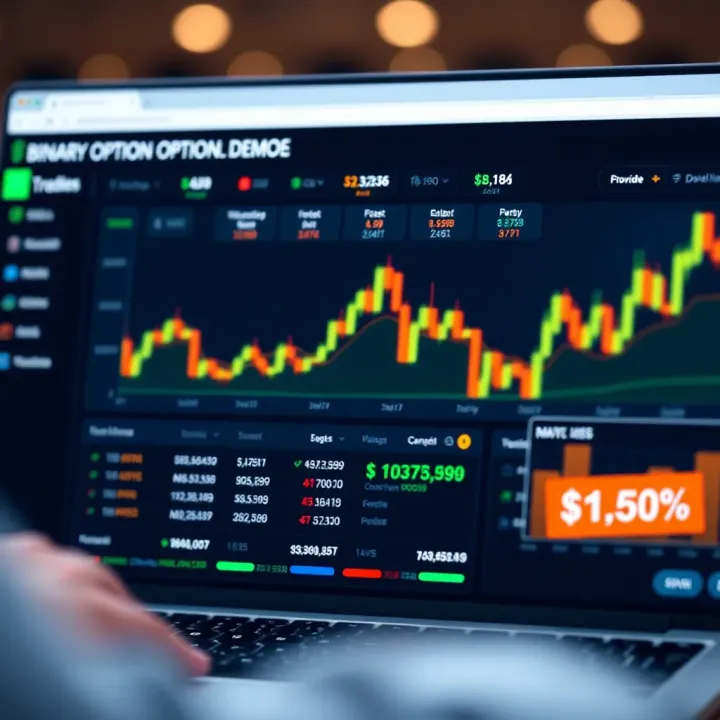
Binary Option Demo Accounts Explained
🔍 Learn how binary option demo accounts work, helping South African traders practise strategies safely and gain confidence before trading live with real Rand.
Edited By
Charlotte Evans
If you're new to binary options trading, starting with a demo account is a smart move. These accounts let you practise trading strategies in real market conditions but without putting any real money on the line. It’s a bit like test-driving a car before buying it — you get the feel without the risk.
Binary options demo accounts replicate the actual trading environment, including price movements and expiry times. For example, if the market is volatile on the day, your demo account shows those fluctuations just as a live account would. This gives you a chance to test how you'd respond without risking Rands.
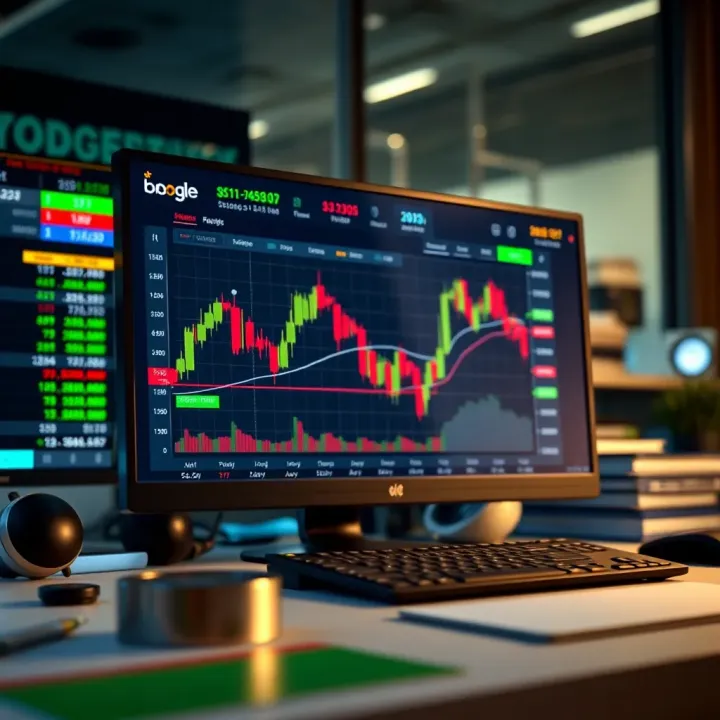
Using a demo account isn’t just about learning the mechanics; it’s about building confidence and sharpening your decision-making skills. Jumping straight into live trading without practise often leads to mistakes that can be costly.
Risk-free learning: Explore how trades work using virtual funds.
Strategy testing: Try out different approaches to find what suits your style.
Platform familiarisation: Get to grips with the trading interface and tools.
Timing practice: Understand expiry times and how quick decisions affect outcomes.
But remember, demo trading doesn’t replicate the emotional impact of losing real money. That feeling often affects how traders behave in live markets.
For South African traders, demo accounts offer the added advantage of experimenting without worrying about exchange fluctuations or local tax implications upfront. Whether you’re using account platforms offered by brokers like IQ Option, Olymp Trade, or expertoptions, demo accounts usually come free upon sign-up.
Make sure to use demo accounts actively: practice regularly, monitor your trades, and learn from mistakes. Treat it as a training ground to prevent costly slips when you switch to real trading.
Next up, we’ll break down how binary options demo accounts actually work and what to look out for when picking a demo platform.
Binary options demo accounts serve as a practical starting point for anyone interested in binary options trading, a popular yet risky form of speculation. In simple terms, binary options trading involves predicting whether an asset's price will rise or fall within a specific timeframe. You basically decide 'yes' or 'no' to a question like, "Will the price of gold be above R1,000 per gram in the next hour?" The fixed outcome and all-or-nothing payoff make it straightforward, but the risks are real.
Demo accounts play an important role by allowing traders to familiarise themselves with this form of trading without the financial risks. South African traders can practise spotting opportunities, experimenting with expiry times and strike prices, and testing their strategies before risking actual Rand. This hands-on learning right at the start can save a lot of headaches later.
Binary options trading is a method where traders speculate on price movements of assets such as shares, currencies, or commodities in a pre-set time window. The outcome is binary: either a fixed profit or no return at all. This simplicity attracts many, but it demands solid understanding to avoid losses, especially given the fast-paced nature.
A demo account’s purpose is to provide a sandbox environment for this trading. It simulates the real trading conditions closely enough that you can learn how to analyse markets and place trades confidently. Instead of jumping straight into risky live trades, it offers a safe space to gain skills.
Demo accounts recreate real market conditions on a simulated platform. This means the prices, charts, and expiry timings mirror what is happening in the actual market. For example, if you’re trading a binary option on the JSE Top 40 index, the fluctuations in the demo platform will align closely with the real index moves.
These accounts operate with virtual funds instead of real money. You’re given a set amount of fake Rand to trade with, usually ranging between R1,000 and R10,000 in virtual balance. This lets you experiment without worry: losing virtual money doesn’t affect your actual finances.
However, demo accounts differ from live ones in certain ways. Features like trade execution speed, market slippage, and emotional pressure are less intense or absent with perceived virtual money. At times, broker platforms might limit demo account duration or restrict access to certain tools until you go live. Despite these differences, demo accounts remain the best way to build foundational skills and test strategies with no financial risk.
A binary options demo account offers a no-stress environment to understand the mechanics of trading and to practise decision-making before putting your hard-earned Rand on the line.
In summary, demo accounts are essential for learning, skill-building, and risk-free trial and error in binary options trading. They bridge the gap between theory and real-world practice — something every trader needs before stepping into live markets.
Binary options demo accounts provide valuable advantages, especially for traders keen to sharpen their skills without risking real money. They serve as a practical learning ground where you can explore different strategies, tools, and market dynamics safely. Let's consider the key benefits these accounts offer.

One of the biggest advantages of a demo account is the ability to test trading strategies without any financial loss. For instance, if you're trying out a new method like tracking short-term price movements on the Johannesburg Stock Exchange (JSE), a demo lets you place trades using virtual funds. This means you can make plenty of mistakes and learn from them, all without seeing your bank balance take a hit. Traders often find this opportunity crucial for experimenting with various options expiry times or strike prices before risking real rand.
Trading platforms come packed with features and tools that can seem overwhelming at first glance. Demo accounts allow you to get comfortable with the interface—like how to place a trade, read the charts, set alerts, or use technical indicators—without pressure. For example, platforms such as IQ Option or Pocket Option often include user-friendly dashboards and a wide range of analytical tools. Knowing your way around these not only saves time but also helps prevent costly errors once you switch to live trading.
Confidence is key when dealing with real money. A demo account helps improve your decision-making under simulated market conditions. By practising regularly, you begin to understand how the market moves and how your strategies perform during different scenarios. This repeated exposure reduces the hesitation and second-guessing many new traders experience. For example, when a sharp market swing happens, having had previous practice on a demo platform means you’ll be better equipped to stay calm and make timely decisions.
A demo account acts like a pressure-free sandbox—it’s the place to learn the ropes before you dive into live trading.
By taking advantage of risk-free practice, platform familiarisation, and confidence-building, binary options demo accounts are a sound step towards successful trading in South Africa’s markets. Keep in mind that these benefits transform into tangible skills only if you approach demo trading with a clear plan and serious intent.
While binary options demo accounts offer a useful way to practise trading without risking cash, they also come with some clear limitations. Understanding these helps you manage expectations and avoid unpleasant surprises when you switch to live trading. For instance, demo accounts can’t fully replicate the emotional and market pressures traders face in the real world, which are crucial aspects of successful trading.
One of the biggest differences between demo and real trading comes down to emotion. In demo accounts, you’re working with virtual money, so there’s no actual stake. This absence of financial risk means you’re less likely to feel stress, fear, or excitement that affects trading decisions. For example, you might take riskier trades in a demo that you’d avoid with real money, leading to habits that may backfire later. This emotional detachment reduces the realism of the experience and can make the shift to live trading jarring.
Demo accounts often don’t capture the full intensity of live markets. In real trading, prices can move rapidly, and sudden news can influence market behaviour within seconds. While demos usually provide real-time or near real-time data, the psychological pressure of watching your money rise and fall doesn’t have the same weight when it’s just virtual. For instance, an unexpected economic announcement might trigger a rush of trades for live traders, but someone practising in a demo may treat this more casually, missing the urgency and rapid decision-making live conditions demand.
Most brokers set time limits on how long you can access their demo accounts. These limits vary anywhere from a few days to a couple of months. After expiry, you may need to request an extension or register again. For example, a trader using a platform that offers only a 30-day demo will have to decide how quickly to test strategies and learn the platform. This constraint can be frustrating if you’re still getting the hang of trading, but it’s generally intended to encourage moving to live accounts.
Certain brokers place limits on demo accounts beyond expiry. You might find demo accounts restricted in terms of available assets, trade size, or platform features. Some platforms disable advanced tools or do not simulate real market slippage and spreads fully on demos. This means you might not get the full picture when practising. Also, a few brokers reserve the right to suspend or remove demo accounts without notice. Knowing these restrictions upfront can help you pick a broker whose demo service matches your learning needs.
Demo accounts are valuable learning tools, but recognising their limitations—emotionally and technically—is key to preparing for the live trading world with eyes wide open. Being aware of time limits and broker restrictions ensures you choose a platform that genuinely supports your trading journey.
Picking the right platform for practising binary options trading isn't just a matter of convenience—it can make a genuine difference in how effectively you learn the ropes. A well-designed demo account helps you grasp market movements, test strategies, and grow confidence without the risk of losing real money. Especially for South African traders, who might face varied internet speeds and local regulation constraints, these factors become crucial.
A straightforward, uncluttered interface can speed up your learning curve considerably. The idea isn’t to have an overly flashy platform that confuses you, but rather one where charts, indicators, and trade buttons are easy to find and understand. For example, some brokers provide drag-and-drop features or one-click trade execution, which helps avoid unnecessary delays or errors. If you find yourself clicking around aimlessly or struggling to locate essential tools, the platform might not be right for beginners or busy traders.
Platforms that bundle demo accounts with educational material offer a huge advantage. Look for brokers that provide tutorials, webinars, or even mini-courses about binary options trading. This helps contextualise market data and gives practical examples, rather than leaving you to figure everything out on your own. For instance, a simple guide on how certain economic events affect binary options expiry can equip you better than blind trial and error. These resources ease you into the trading mindset, making the demo practice time more fruitful.
Nothing can prepare you for live trading like accurate, real-time data reflecting actual market movements. The platform should offer demo accounts that mirror true market conditions, including price fluctuations and expiry times. Some demo accounts use delayed data or simplified price changes, which don’t mimic real-world complexities. For example, when trading commodities or indices, you want the demo to respond closely to the Johannesburg Stock Exchange (JSE) or international markets like the Nasdaq. This realistic environment teaches you how to spot opportunities and risks properly.
It’s easy to get lured by flashy bonuses or promises of high returns, but the reputation of your broker should matter more. Trusted brokers have a track record you can verify through user reviews, industry reports, or trading community feedback. A reputable broker also offers transparent terms and conditions, including clear explanations about demo account usage and withdrawal processes. A broker with poor service or hidden fees can make transitioning to real trading a nightmare.
For South African traders, choosing a broker that complies with local regulations offers added layers of security. The Financial Sector Conduct Authority (FSCA) regulates domestic trading activities, and platforms that align with these rules tend to protect your interests better. For example, brokers registered with the FSCA will follow strict guidelines on client fund segregation and dispute resolution, making your trading experience safer. Being cautious about regulation also helps avoid falling into scams or unlicensed operators that might disappear once you deposit real money.
Always weigh practical usability alongside legal and financial safety when selecting your demo platform; it’s the foundation on which your trading habits and success will build.
Moving from a binary options demo account to live trading is a critical step that demands careful preparation. Demo accounts let you practise without risking actual money, but live trading involves real stakes where emotions and market volatility come into play. Understanding this transition helps you manage expectations, sharpen your skills, and protect your capital.
Before using real money, it's essential to assess your performance on the demo account. Track your wins and losses methodically to identify strong and weak points in your trading strategy. For example, if you notice success in short-term trades but consistent losses in longer expiry times, adjust your approach accordingly. Documenting your trades creates a clear picture of your progress and highlights areas where you need improvement.
Beyond percentages, look for patterns relating to market conditions or asset classes. Perhaps you struggle during high volatility or with certain commodities. Such insights prepare you better for the live market. The demo phase also reveals how effectively you use platform features and technical indicators, which translates to better execution when actual money is at stake.
Starting with small stakes is a practical way to ease into live trading. Unlike a demo, where losses don't hurt, real money requires caution. Begin with low investments—say R50 per trade—and gradually increase only once comfortable with your results. This cautious approach preserves your capital and reduces the stress that can cloud decision-making.
In South Africa, where market sentiment can shift rapidly due to local events or currency swings, controlling exposure is vital. Starting small means you can learn from live market moves without wiping out your account too quickly.
Setting limits and using stop-loss tools further helps manage risk. Many brokers provide features that automatically close trades once a certain loss threshold is met. This is especially useful in binary options where market reversals can cause quick losses. Establish daily loss limits and stick to them to prevent emotional trading that often leads to chasing losses.
For instance, if you've set a daily loss limit at R500, once hits that mark, stop trading for the day—regardless of how tempting it may seem to recover. Discipline here maintains long-term sustainability.
Handling emotions is often the toughest part of live trading. Demo accounts don’t prepare you for real fear or excitement tied to financial gain or loss. Maintaining discipline means sticking to your plan and not letting greed or panic affect your choices.
One practical tip is to treat live trading like a business, not a gamble. Set clear rules for when to enter and exit trades and avoid impulsive decisions based on hearsay or ‘hot tips’. Practise self-control by taking breaks if you feel emotionally overwhelmed, and reflect on each trade honestly.
Transitioning from demo to live trading is as much about mastering your mindset as it is about strategy. Keeping emotions in check and applying disciplined risk management protects your capital and builds the foundation for consistent success.
With these steps—the honest evaluation of your demo trades, careful risk management, and a disciplined mindset—you’ll be better prepared to tackle the real trading world confidently and sustainably.
🔍 Learn how binary option demo accounts work, helping South African traders practise strategies safely and gain confidence before trading live with real Rand.
🇿🇦 Learn how binary options demo accounts work in South Africa, their benefits for beginners, choosing the right platform, and staying safe in a regulated market.

💹 Explore how binary options trading works, the risks, benefits, and South African regulations. Get practical tips to trade safely and confidently in Rands.

📉 Learn how binary options work and the risks involved for South African traders. Understand regulations and get practical tips before trading in this fast-moving market.
Based on 8 reviews