

Free Binary Trading Demo Accounts Guide
Learn how free binary trading demo accounts work in South Africa 🇿🇦 Gain practical tips, spot features, avoid common mistakes, and trade risk-free!
Edited By
Liam Harrison
Binary options trading has become quite popular in South Africa, especially among traders keen on swift market moves and straightforward strategies. However, jumping in without practice can quickly drain your funds. That's where binary options demo accounts come into play — these virtual trading platforms let you test strategies and understand market behaviour without risking a cent.
A demo account simulates real trading conditions, offering virtual money to place trades on assets like stocks, indices, commodities, and forex pairs. South African traders can use these accounts to familiarise themselves with binary options mechanics before moving on to real-money trading.
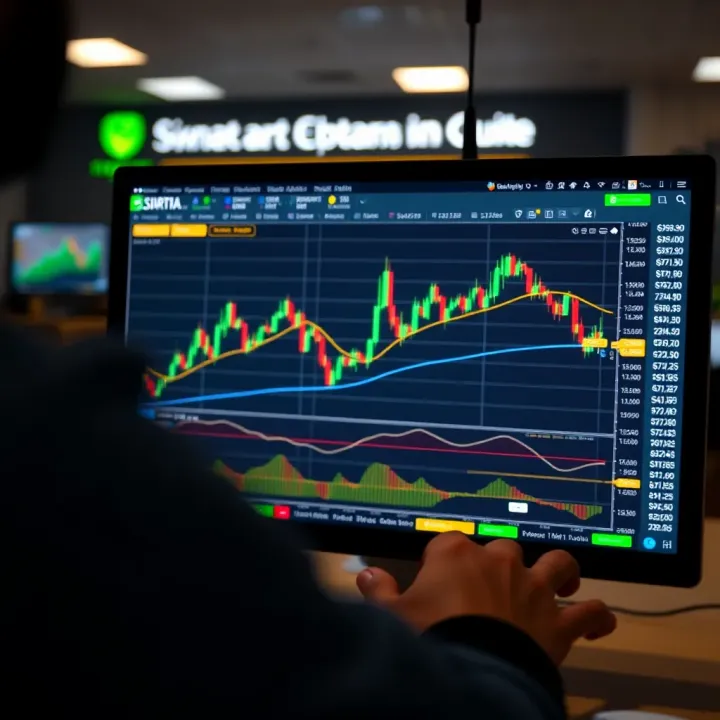
Using a demo account helps you build confidence and avoid costly mistakes, especially in a fast-paced environment like binary options.
Virtual Capital: You receive fictional funds, often in the range of R10,000 to R100,000, depending on the platform.
Real-time Data: Prices reflect live markets, so practising mimics actual trade timing and price movement.
Trade Variety: You can try different expiry times, trade directions (call/put), and underlying assets.
Risk-free Learning: No chance of losing real rand while you get the hang of trading platforms and strategies.
Strategy Testing: Test if your approach works across various assets or expiry periods before committing.
Market Familiarity: Understand how global events impact prices without financial stress.
Not all demo platforms cater specifically to South African traders; some may lack local market assets or have limited expiry options.
Always check if the demo mimics the live trading environment offered by your chosen broker.
Using a demo account wisely can set you up for a smoother start in binary options trading. It’s a practical first step before risking actual capital in the South African market’s shifting conditions.
Binary options demo accounts offer a risk-free way to get to grips with trading binary options, an investment style popular among South African traders seeking quick market exposure. They simulate real trading conditions without using actual money. Think of it as practising your braai technique before hosting a big get-together: you learn the ropes without spoiling any chops.
A binary options demo account provides a platform where you can trade with virtual money, often starting with an amount like R10,000 in play money. This setup mirrors real trading environments closely, showing live price movements and allowing realistic trade executions. This is crucial because it lets you explore the market, try out different instruments, and see how trades might play out, all without risking your hard-earned cash.
The main draw here is the ability to test and hone your techniques without financial pressure. For example, you might try out a strategy based on South African rand fluctuations or test reactions to global events affecting commodities like gold. If a method bombs, no harm done; the virtual loss doesn’t affect your bank balance. This freedom helps traders develop confidence before investing real money.
Demo accounts rely on live market feeds, so the prices you see reflect actual market behaviour. When the New York market opens or a report from Statistics South Africa shifts sentiment, your demo account prices respond alike. This means practising trades in a way that matches real-world conditions closely, ensuring your experience isn't detached from reality.
When you enter a trade in a demo account, you’re not spending any money. Instead, the platform records it as a simulated transaction using your virtual funds. Suppose you predict the rand will strengthen against the dollar and place a binary call option; if you’re wrong, only your demo balance shrinks—not your actual pocket money. This setup encourages learning by trial and error, which is particularly handy for newcomers or those trying out new markets or timing strategies.
Using a demo account is like having a training ground before stepping into the real deal, allowing you to build skills safely and at your own pace.
In summary, binary options demo accounts combine real-time data with simulated trading to give South African traders a practical tool to experiment and learn. They bridge the gap between theory and actual trading, helping users improve their chances when they finally invest real money.

Binary options demo accounts offer a safe space for South African traders to build skills without risking real money. Especially here, where understanding the market and platform quirks can make or break an investment, demo accounts serve as a crucial first step. They allow you to sharpen trading tactics and navigate platforms in a risk-free environment.
Trying out new strategies with virtual funds lets you see what actually works without losing Rands. For instance, you might want to explore how timing your trades during specific market hours affects results, or how adjusting expiry times plays out. By practising in this way, you avoid costly mistakes that beginners often face. It’s like doing a test run before playing the real game.
Demo accounts teach the nuts and bolts—like how to predict price movements or choose between call and put options. These basics can be confusing at first; the demo setup simplifies the learning curve. Beginners can familiarise themselves with terminology and market mechanics at their own pace, without pressure.
Platforms targeting South African users often tailor their interfaces to local needs, including payment options like EFT or SnapScan and language preferences. Demo accounts help you get comfortable with these features before committing funds. For example, getting used to how a platform displays asset charts or options expiry times means you won't feel lost once you start live trading.
Executing trades swiftly and managing them effectively is part of successful binary options trading. Demo accounts let you rehearse placing trades and managing open positions without the pressure of real losses. This practical exercise helps you develop a rhythm, like knowing when to cut losses or lock in profits, essential skills that don’t come from theory alone.
Using a demo account is more than just a free trial; it’s about gaining confidence and control, which can save both money and stress when moving to live trading.
All in all, for South African traders wanting to dive into binary options, demo accounts are an invaluable tool to learn, practise, and prepare.
Understanding the regulatory environment is essential for anyone interested in binary options trading in South Africa. The country's financial sector is overseen by key authorities that protect traders and uphold market integrity. Knowing the current legal landscape helps traders avoid pitfalls and make more informed choices, especially given the risks involved with binary options.
The Financial Sector Conduct Authority (FSCA), which took over from the Financial Services Board (FSB), has issued stern warnings regarding binary options trading. Due to the high risk and frequent scams associated with binary options, the FSCA currently does not licence or regulate these products. Moreover, the FSCA has advised South African traders to approach binary options with caution, as many offshore platforms operate without proper oversight. This means formal protections commonly available in other markets may not apply here.
For South African traders and providers, this regulatory caution means operating binary options trading can be a legal grey area unless done through authorised entities. Local providers usually offer derivative products with clearer regulatory backing, while binary options remain restricted or banned in many cases. Consequently, South African traders must be particularly vigilant about the legitimacy of platforms they engage with.
Safety is a major concern in the binary options space due to scams that promise quick profits but leave traders out of pocket. Demo accounts can help test platforms without risking real money, but traders must ensure these demo accounts come from authorised and reputable providers. Some scammers create fake demo platforms to lure users into eventually depositing real funds, only to disappear with the money.
Using demo accounts linked to authorised platforms adds an important layer of security. These platforms typically comply with South African regulations or international standards, offering more transparency. For instance, a demo account from a well-known broker that also serves regulated markets can give realistic experience while protecting users from fraud. Traders should verify a platform’s regulatory status with the FSCA or trusted financial bodies before committing real money beyond demo use.
Always double-check the credentials of any binary options platform offering demo accounts to avoid scams and protect your investment skills practice.
By understanding the regulatory context and choosing authorised platforms, South African traders can safely navigate demo accounts and build their trading skills without falling foul of unregulated, risky providers.
Choosing the right binary options demo account matters, especially for traders in South Africa. A good demo account mimics real market conditions closely, helping you build skills without risking your money. Since the local trading environment includes unique challenges—like fluctuating rand exchange rates and specific regulatory rules—you need a platform that understands these nuances.
A demo account that offers up-to-date, accurate market data lets you practise trading as if you were using real cash. Without this, your strategies might not hold up when you switch to live trading. For instance, if a demo platform uses outdated or simulated prices that don’t reflect actual market swings on the JSE or global forex pairs, you could develop bad habits. Look for platforms connected to live feeds, so you can see how trades react to real-time news and events.
Trading platforms with clear, easy-to-navigate interfaces save you time and prevent costly mistakes. For South African traders, this also means interfaces that support local time zones, currency displays in rand (R), and possibly links to local market indices like the Top 40. When the platform feels intuitive, it’s easier to focus on testing strategies rather than figuring out clicks and menus. For example, a platform that integrates a simple dashboard with instant trade summaries is more practical than one cluttered with irrelevant features.
Some demo accounts are time-limited, while others offer unlimited use or easy resets of virtual funds. Platforms that allow you to refresh your demo balance help South African traders practise consistently without having to create a new account each time. For example, if you mess up a trading day due to excessive risk-taking, you can reset and start over to learn from mistakes. This flexibility boosts confidence and skill development over weeks or months.
Reaching demo accounts without interruption is essential. Some global platforms restrict access from South Africa due to regulatory issues. Always check that you can open and use a demo account smoothly within our borders. Brands like IQ Option and Pocket Option often provide demo accounts accessible to South African users, with servers optimized to avoid lag or downtime that could distort the trading experience.
Though demo accounts use virtual funds, choosing platforms that support South African payment methods (like EFT, SnapScan, or credit cards issued locally) makes transitioning to live accounts smoother. It also reflects the broker’s seriousness about serving this market. Additionally, platforms offering local languages or English tailored to South African expressions help reduce misunderstandings, especially for traders newer to the scene. This means you spend less time decoding instructions and more time learning trades effectively.
Remember, a demo account is only as good as the environment it offers. South African traders should opt for platforms reflecting local market realities and practical features that prepare them well for live trading.
In short, pick a demo account with real market data, a user-friendly interface that matches South African needs, flexible duration options, and accessibility tailored for local users. That’s how you build your trading confidence and readiness, step by step.
Using a binary options demo account effectively can shape your path towards successful live trading. It’s not enough just to place trades; you need to approach it with clear goals and a disciplined mindset. This section highlights practical tips to ensure your demo trading builds relevant skills and habits.
Tracking performance and learning points is essential for improving your trading tactics. Keep a simple journal or spreadsheet where you note the outcome of every trade, the reasoning behind it, and what you learned. For example, if you noticed losses during volatile market hours, that insight helps you decide whether to avoid trading at those times when you move to live accounts. This feedback loop makes learning tangible rather than just repeated trial and error.
Avoiding habits that don’t translate to live trading is just as crucial. Demo accounts often let you place high-risk trades without real consequences, which might lead to reckless behaviour. For instance, rapidly clicking to place back-to-back binary options might feel fine with virtual funds but can quickly drain capital in a live setting. Be wary of any trading style on demo accounts that relies on unlimited risk tolerance, as you’ll need to adapt your approach when real money is on the line.
Recognising differences between demo and real trading helps prevent shocks when you start trading with actual cash. Demo platforms usually provide an ideal scenario — no emotional pressure, instant trade execution, and no slippage. In live trading, emotions like anxiety or excitement influence decision-making, and sometimes trades may not execute at the desired price. Being aware of these factors helps prepare you mentally and practically.
Remember, success on a demo account does not guarantee success live. The human factor and real financial risk change the game.
Managing risk and capital once trading live is vital for lasting in the market. Establish clear limits on how much you are willing to risk per trade—often no more than 1-2% of your trading capital. Use stop-loss strategies if your platform allows them. Starting small helps you learn how to balance risk and reward without exhausting your funds quickly. For example, if you have R10,000 set aside for trading, risking R100 per trade keeps you in the game longer and allows room to learn from mistakes.
Making the most of your demo account takes focus, patience, and self-discipline. By setting realistic goals, recognising the pitfalls of simulated trading, and preparing for the jump to real money, you improve your chances of steady, responsible trading growth.
Learn how free binary trading demo accounts work in South Africa 🇿🇦 Gain practical tips, spot features, avoid common mistakes, and trade risk-free!
🔍 Exploring free binary options signals in South Africa? Learn how to assess providers, understand signal tech, manage risks, and spot reliable services for better trades.
Learn how to access and use free funds to trade binary options safely 🇿🇦. Get tips on bonus rules, trusted brokers, and strategies to protect your investments.
Learn how to spot real binary options platforms and avoid scams in South Africa. Tips on regulation, safe trading, and managing risks 💡📉✔️
Based on 12 reviews