
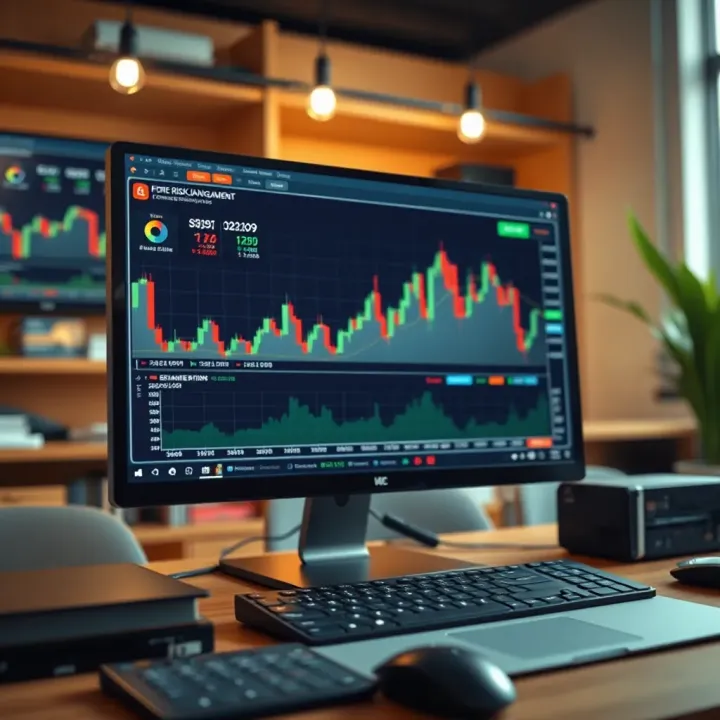
Forex Trading Guide for South Africans
Discover how to trade forex confidently in South Africa 🇿🇦. Learn market basics, strategies, risk tips, legal rules & practical steps to start trading today. 📈💡
Edited By
Lucy Foster
Forex trading might seem like a maze at first, but it’s really just buying and selling currencies with the goal of making a profit. In South Africa, forex trading is gaining momentum as more people look beyond traditional investments to diversify their portfolios. Whether you’re a trader, investor, or just curious about how currencies move and what makes them tick, understanding the basics is a must.
This article breaks down the essentials without drowning you in jargon. You’ll get a grip on what forex is, who the main players are, the risks you need to watch out for, and practical tips tailored for the South African market. We’ll also touch on how forex differs from other financial markets and why it’s especially relevant now.
Forex isn’t about luck or guessing – it’s about understanding how currencies interact, global events, and using tools wisely.
Here’s what you’ll find inside:
The core concept of currency exchange and its role in global trade
Profiles of the key participants in forex trading, from banks to individual traders
Common trading strategies and how to approach them realistically
Risks to keep front and center and how to manage them effectively
Special tips for South African traders, including regulations and practical advice
We’ll take you step by step, making sure the foundation is rock solid before getting into the finer points. So, if you’re ready to move beyond myths and get a real understanding of forex trading, keep going.
Getting a grip on the basics of forex trading is like laying a strong foundation for a house. If you skip or rush this part, the whole thing might crumble down when faced with real challenges. This section breaks down what forex trading really means and how the market operates, helping you navigate confidently.
Forex trading — or foreign exchange trading — is essentially buying one currency while selling another simultaneously. Think of it as swapping rands for dollars or euros when you're heading overseas, but on a much larger, more strategic scale. Traders try to predict whether one currency will rise or fall compared to another to make a profit.
Unlike stock trading, where you purchase shares in companies, forex trading deals directly with currencies, making it a global dance influenced by everything from economic reports and political developments to market sentiment.
Currencies are always quoted in pairs because in every forex transaction, one currency is exchanged for another. You'll see pairs like USD/ZAR (US Dollar/South African Rand) or EUR/USD (Euro/US Dollar). The first currency is the base, and the second is the quote currency.
For example, if the USD/ZAR rate is 15.00, it means one US dollar buys 15 South African rands. If you expect the rand to weaken, you might buy USD/ZAR. If it moves to 16.00, your position gains value since the rand now costs more to buy one dollar.
Understanding this mechanism is key to deciding when to enter or exit trades, as profits depend on these shifting exchange rates.
Unlike stock exchanges, the forex market never sleeps. It operates 24 hours a day from Monday to Friday, thanks to its global network of banks, institutions, and retail traders across different time zones.
For South African traders, this means you can trade whenever it suits your schedule, whether catching the London session in the morning or following the New York session later on. However, liquidity and volatility can vary throughout the day, with peak action typically during overlaps of major market sessions.
Being aware of these timings helps you avoid trading during quiet periods when spreads widen and price movements are sluggish.
The forex market focuses heavily on major currency pairs involving the world's most traded currencies: the US dollar (USD), euro (EUR), Japanese yen (JPY), British pound (GBP), Swiss franc (CHF), Canadian dollar (CAD), and Australian dollar (AUD).
Pairs like EUR/USD, USD/JPY, and GBP/USD dominate daily trading volume and tend to offer tighter spreads, making them popular with beginners and pros alike.
For South African traders specifically, the USD/ZAR pair is a crucial one due to its connection to global trade and the local economy. Monitoring these major pairs gives insight into broader market trends and can inform decisions when trading more exotic pairs.
The forex market’s constant activity and diversity of currency pairs ensure there’s always a chance to find trading opportunities — but understanding the basics keeps you from jumping in blind.
Grasping these basics provides a sturdy stepping stone for anyone serious about forex trading. From here, you'll build strategies and better appreciate the market’s rhythm.
Understanding who’s actually involved in the forex market gives you more insight into how trades get done and why prices move the way they do. It’s not just about spot traders clicking away at their screens — the forex market involves a whole ecosystem of players, each bringing something different to the table.
Knowing these key participants helps you gauge market dynamics better and can shape your strategies, making your trading approach smarter and more informed.
Banks and big financial institutions are the heavy hitters in forex trading. These entities, like Standard Bank or the South African Reserve Bank, trade huge volumes of currency daily, often to support their clients or manage their currency exposure. They influence exchange rates heavily because their transactions are massive compared to smaller traders.
For example, when a bank like First National Bank needs to handle its clients’ foreign investments, they’ll buy or sell significant amounts of different currencies. These actions cause noticeable ripples in the market, impacting currency prices.
For new traders, it’s useful to keep an eye on trends that these big players may set, as their moves often hint at broader economic shifts. One way to do this is by tracking economic data releases, as banks react quickly to news about interest rates or trade figures.
On the other side of the spectrum, retail traders are everyday individuals like you and me, trading through online platforms such as IG or FXTM. While retail traders make up a smaller chunk of the total market volume, their presence has grown alot thanks to accessible trading apps and leverage offered by brokers.
Retail traders typically operate with smaller capitals and use different strategies ranging from technical analysis to news-based trading. They bring liquidity and variety to the market, often reacting faster to short-term market events.
Understanding your role as a retail trader means knowing you’re competing in a vast market but can use tools like demo accounts and risk management features brokers offer to test and refine your strategies without blowing up your capital right away.
Brokers act like gatekeepers for forex traders. They connect buyers and sellers, providing the platform where trades happen. Imagine brokers as the matchmakers in this currency dance, matching orders and ensuring smooth transactions.
In South Africa, brokers such as HotForex or Plus500 don’t just provide access; they also offer crucial features like leverage, real-time charts, and risk controls, helping traders manage their positions effectively. Without these brokers, individual traders would struggle to enter the market directly, as banks generally do not trade with retail clients.
Beyond just matchmaking, brokers offer customer support, educational resources, and sometimes market analysis, giving traders more than just a technical gateway.
There are mainly two types of brokers to know about: Dealing Desk (DD) and No Dealing Desk (NDD).
Dealing Desk brokers work from within their firm, often taking the other side of your trade. They set the prices and may sometimes benefit if you lose, which means you need to be careful in selecting trustworthy DD brokers.
No Dealing Desk brokers, including ECN (Electronic Communication Network) and STP (Straight Through Processing) types, pass your trades directly to the wider market. This method often means tighter spreads and more transparent trading but might come with commissions.
For South African traders, choosing the right type of broker depends on your trading style and comfort level. If you prefer straightforward pricing and high transparency, an ECN broker like IC Markets might be a good fit.
Selecting the right broker isn't just about the lowest fees; it’s about trust, execution speed, and the tools that suit your trading style best.
By understanding who the key players are in the forex market, you can navigate more confidently, knowing how liquidity flows and where your trades fit into the bigger picture.
Getting a handle on the methods and tools for forex trading is like learning the ins and outs of your car before hitting the road. Without the right approach and equipment, even the smartest trader risks getting lost or stalled.
Using solid methods means you’re planning your trades, not just hoping for the best. And having the right tools at your disposal speeds up decision-making and helps avoid costly mistakes.
Day trading involves buying and selling currencies within the same day to profit from small price fluctuations. It suits traders who can monitor the market closely, like someone glued to their screen during active market hours. Swing trading, on the other hand, is more laid back: holding positions for several days or even weeks to capture bigger trends. For example, a swing trader might buy USD/ZAR anticipating a shift across days based on South Africa’s economic reports.
Both methods need different mindsets and timing. Day trading relies heavily on quick reflexes and using tight stop-losses to cut losses fast. Swing trading demands patience and a broader view of the market moves. The takeaway? Knowing these strategies lets you pick one that fits your schedule and risk comfort.
Trend following is about jumping onto a currency's momentum and riding it until there's a sign it's slowing down. Imagine the USD/EUR pair steadily climbing over a few days—trend followers enter during the upward movement and exit once it loses steam.
Breakout strategies are a bit more aggressive, aiming to catch sharp moves when prices break through support or resistance levels. Say USD/ZAR has been bouncing between 15.0 and 15.5 – a breakout above 15.5 might trigger a swift move upwards, which breakout traders look to exploit.
Both strategies hinge on watching price patterns and market psychology closely. These approaches offer you a structured way to trade rather than guessing tides based on hunches.
Choosing the right forex platform can make or break your trading experience. MetaTrader 4 (MT4) and MetaTrader 5 (MT5) are still the go-to choices for many South African traders because they offer powerful charting tools, automated trading options, and support for a wide range of brokers.
Then there’s cTrader, known for its straightforward interface and advanced order types. And let's not forget apps like TradingView, which provide excellent charting and social networking features for traders to learn and interact.
Each platform differs not just in looks but in how it handles trades, tools available, and compatibility with devices. Picking one that fits your style and technical comfort helps smooth out the learning curve.
Indicators are like your trading toolkit—giving signals to buy or sell based on price, volume, or other market data. Popular indicators include Moving Averages, Relative Strength Index (RSI), and Bollinger Bands.
For instance, a 50-day moving average can help smooth out price noise and reveal the general trend direction, while RSI signals when a currency might be overbought or oversold, alerting you to potential reversals.
Tools like economic calendars and news feeds are equally important as few things move the forex market more than sudden economic announcements. Keeping an eye on South African Reserve Bank releases or US Non-Farm Payroll reports can prepare you to anticipate volatility.
Remember, no tool is foolproof, but the right combination of strategies, platforms, and indicators tailored to your style increases your chances of consistent gains.
Ultimately, successful forex trading comes down to understanding these methods and tools well enough to apply them smartly. Mixing practical strategies with dependable platforms and reliable indicators helps you trade forex methods like a pro rather than taking wild shots in the dark.
Diving into forex trading without a solid grasp of the risks involved is like sailing without a compass – you might get somewhere, but it'll likely be a rough ride. Understanding forex trading risks helps traders make smarter moves and avoid costly mistakes. It’s about knowing the game’s ups and downs, preparing for surprises in currency values, and protecting your capital.
Currency values don't just shift randomly; they're influenced by a pile of factors that tug and pull at their price. Interest rate changes set off ripples because higher rates often attract more investment in that currency. Political events — say, a sudden election surprise in South Africa or unexpected policy shifts — can spike uncertainty, causing currencies to bounce around. Economic data like inflation rates and employment figures also play a big part; bad numbers can spook traders and tank a currency’s value.
For example, when the South African Reserve Bank announces a change in the repo rate, that's like dropping a stone into a pond. Traders react quickly, adjusting their positions based on how they see the currency’s future. In such moments, currencies might jump or fall sharply within hours or even minutes.
Volatility is a double-edged sword. While it offers opportunities to snag gains from quick price moves, it also poses the threat of sudden losses. Imagine a trader betting the rand will strengthen overnight, but then an unexpected geopolitical tension makes the currency plunge. Without safeguards, that position could wipe out a chunk of the trader’s account.
Therefore, understanding when volatility spikes and why it happens helps traders decide when to be cautious or aggressive. Recognizing this can prevent blind-sided losses and allow smarter entries and exits in trades.
A stop-loss order is like a safety net you set beneath your trade. It tells your broker to automatically sell if the price moves unfavourably to a certain point. This simple tool can save you from catastrophic losses, especially in a fast-moving market.
Imagine buying the USD/ZAR pair expecting the rand to weaken, but it suddenly strengthens due to unexpected economic news. If you’d set a stop-loss, your position closes automatically before things get worse, limiting your loss. This disciplined approach keeps emotions out of the equation, preventing “wishful thinking” from turning into serious financial pain.
Knowing how much to risk on any single trade is crucial. This is where position sizing comes in. Instead of throwing big money into one bet, you calculate the amount based on your total capital and risk tolerance.
For example, if you have R50,000 to trade and decide to risk no more than 2% on a trade, you’d limit potential losses to R1,000. This approach lets you survive losing streaks without wiping out your account. Proper position sizing is basically your financial lifeboat in the unpredictable ocean of forex.
Managing risk isn’t about avoiding loss entirely—it’s about controlling it so you can keep trading another day.
Effective risk management allows even new traders to approach forex more confidently, balancing the thrill of market moves with the discipline needed to stay in the game long term.
Starting forex trading in South Africa requires careful planning and understanding of local market conditions and regulations. This section guides you through the necessary steps—from selecting a trustworthy broker to setting up your trading account—so you can approach forex trading with confidence and clarity. Without clear guidance, many beginners jump in blindly and lose money due to poor preparation or choosing unreliable platforms.
In South Africa, one of the key factors to look out for is whether the forex broker is regulated by the Financial Sector Conduct Authority (FSCA). The FSCA ensures brokers operate transparently and follow rules designed to protect traders. For example, FSCA-registered firms must keep client funds separate from their own, reducing the risk of misuse. This supervision brings a layer of trust and accountability. Without such regulation, you risk dealing with shady brokers that might manipulate spreads or delay withdrawals.
Always check a broker's FSCA license number before signing up; unregulated brokers should be avoided regardless of attractive offers.
Choosing the right broker goes beyond regulation. Consider factors such as trading fees, platform usability, and customer support quality. For instance, a broker like IG Markets offers a user-friendly interface and comprehensive analytical tools, making it suitable for both beginners and seasoned traders. Watch out for hidden fees—some brokers advertise low spreads but charge hefty commissions or withdrawal fees. You should also check if they offer access to your preferred currency pairs, especially those relevant to South African traders like USD/ZAR.
Brokerages typically offer several account tiers based on your budget and trading needs. For example, some platforms provide a "standard account" with a minimum deposit of around $100, while others have premium accounts requiring thousands in startup capital but delivering better spreads or additional benefits. As a beginner, it’s wise to start with a low minimum deposit account to minimize risks while you learn. Demo accounts are also a must—they let you practice using virtual money without losing real cash.
Funding your account should be straightforward and secure. South African traders often prefer brokers that support local payment methods, such as EFT through local banks or popular e-wallets like PayFast. Some brokers also accept credit/debit cards or even cryptocurrencies. Keep in mind that withdrawal terms vary—some brokers process requests within 24 hours, while others might take several business days. Make sure to understand any fees involved and withdrawal limits to avoid surprises when you want to cash out profits.
Getting started with forex trading in South Africa hinges on picking the right broker and understanding how to manage your trading account responsibly. By focusing on a regulated broker, checking key service factors, and familiarizing yourself with account requirements and fund transfers, you'll build a solid foundation for trading success without unnecessary headaches.
Having a solid trading plan and committing to ongoing learning are not just nice-to-haves; they’re the backbone for anyone serious about forex trading. Without a clear plan, it’s a bit like setting off on a trip without a map—there’s a good chance you’ll get lost or waste time and money chasing the wrong goals. Continuous learning keeps you sharp and adaptable because the forex market doesn’t stand still, and neither should you.
The first step in developing a trading strategy is nailing down what you want to achieve and how much risk you’re willing to take. Are you looking to make quick profits with day trades or build wealth slowly over time? Your money matters have to match your mindset. For example, if you’re a cautious trader, setting a daily loss limit could prevent you from blowing your account during volatile sessions. This isn’t just about numbers; it’s about knowing your comfort zone and sticking to it, which helps keep emotions from steering your decisions.
Once your goals and risk levels are clear, putting your strategy through its paces before going live is crucial. This can be done through demo accounts or backtesting with historical data. For instance, if you plan to use a trend-following approach, run it against past months of data from pairs like USD/ZAR. This way, you learn if your rules really work or need tweaking without risking real money. Testing builds confidence and helps avoid nasty surprises when market conditions change.
Forex trading isn’t something you master overnight—it requires ongoing education. Plenty of brokerages and financial education platforms offer courses, webinars, and tutorials tailored to different experience levels. For example, IG and ForexTime (FXTM) provide South African traders with practical video tutorials and live sessions. Engaging with these materials helps sharpen your skills, whether it’s understanding candlestick patterns, mastering leverage, or learning risk management techniques.
Aside from formal courses, chatting with fellow traders can be incredibly helpful. Online forums like BabyPips or Forex Factory offer a space to discuss strategies, share tips, and stay updated on market news. Closer to home, some cities have forex meetups or trading clubs where people exchange ideas face-to-face, which is a great way to build a network and get real feedback. Learning from others’ experiences often fills in gaps books or courses might miss.
Sticking to a well-laid plan and keeping your knowledge fresh not only improves your chances of success but also makes trading feel less like guesswork and more like a skill you’ve honed over time.
Building your strategy step-by-step and leaning on the support and education around you will take you much farther than hoping for a lucky break. It’s all about preparation and persistence.
Discover how to trade forex confidently in South Africa 🇿🇦. Learn market basics, strategies, risk tips, legal rules & practical steps to start trading today. 📈💡
🌍 Learn forex trading online with practical tips on market basics, key terms, platform choices, strategies, risk control, & South African regulations 🇿🇦
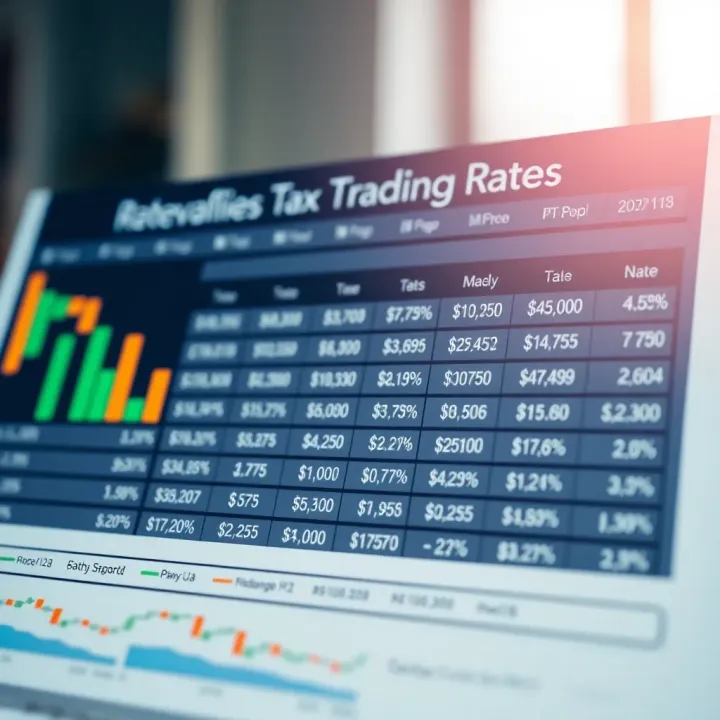
📊 Learn how forex trading profits are taxed in South Africa 🇿🇦, reporting income correctly, compliance tips, and key differences for traders with SARS.
📈 Master forex trading in South Africa with this practical guide! Learn market basics, risk management, top courses, and local support to trade confidently.
Based on 12 reviews