

Best Forex Trading Apps for South African Traders
Find the best forex trading app for South African users 📱. Compare features, costs, security, and usability to trade smart and secure forex today 💹.
Edited By
James Fairchild
Starting your trading journey can feel like stepping into a maze, especially with so many trading apps on offer. In South Africa, the choice can be overwhelming—many apps claim to offer the best features, lowest costs, or easiest navigation. But for beginners, the focus should be on simplicity, security, and support tailored to local market conditions.
Choosing the right trading app in South Africa means considering more than just flashy interfaces. You’ll want an app that respects local regulation, primarily governed by the Financial Sector Conduct Authority (FSCA), ensuring your investments are protected. Look out for apps connected with well-known brokers authorised by FSCA, such as EasyEquities, ThinkMarkets, or IG Markets.
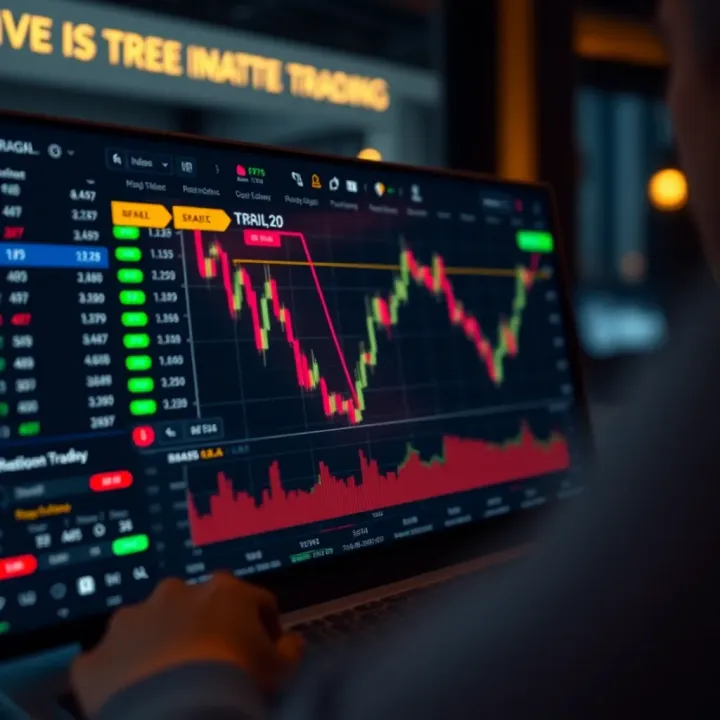
Costs can quietly eat into your returns. Some apps charge high broker fees or hefty withdrawal charges that beginners might overlook. Compare what you pay for each trade, whether there’s a monthly fee, and consider currency conversion costs if you plan to trade offshore stocks. For example, EasyEquities offers low fees and fractional shares, ideal for those starting with smaller amounts.
The user interface is another key factor. Beginners benefit from clear navigation, easy access to educational resources, and straightforward order types. Suppose the app clutters screen real estate with too many charts or jargon-heavy menus—that can put off new traders. Take a test drive with demo accounts or free trials before committing.
Security also can’t be an afterthought. Trading apps must use strong encryption and two-factor authentication to protect your money and data. Check if the provider is transparent about their security measures and whether they have a clean record concerning breaches.
Keep in mind: The best trading app for you balances beginner-friendly design with solid regulation and transparent costs. It's better to start simple with an app you trust, then explore more advanced platforms as your confidence grows.
In short, ease of use, local compliance, cost-effectiveness, and security should top your checklist before downloading any trading app. This approach helps you avoid unnecessary risks and builds a solid foundation for growing your investment portfolio effectively here in South Africa.
Choosing the right trading app matters a lot, especially when you're just starting out. A good app can make the difference between feeling confident or overwhelmed. For beginners in South Africa, the key is finding a platform that’s easy to navigate, provides proper guidance, and keeps your money and data safe. Let’s unpack these important aspects.
New traders often feel lost when an app throws too many charts, buttons, and terms at them. A simple design means the app avoids clutter, presenting only what’s necessary at each step. For instance, EasyEquities uses a straightforward layout that breaks down investment options clearly, making it easier to find and buy shares without confusion.
It’s no good having an app if the steps aren’t obvious. Clear instructions guide a beginner through setting up an account, placing trades, or checking portfolios without guessing what to do next. Visual cues or brief tooltips help prevent costly mistakes—say, accidentally buying the wrong unit trust instead of a stock.
Since many South Africans rely on their mobile devices, the app must work smoothly on smartphones and tablets. Fast loading times, intuitive touch controls, and offline access where possible are key. For example, SatrixNOW offers a mobile app that reacts quickly even during slow networks, which is great when you’re on the move or at home during loadshedding times.
Learning by watching can be invaluable. Good trading apps provide tutorial videos explaining fundamentals, like how to read a candlestick chart or understanding forex markets. These short clips help beginners build confidence before risking real money.
Trading jargon can be intimidating. An in-app glossary listing terms such as ‘spread’, ‘ask price’, or ‘stop-loss’ allows users to get quick definitions without leaving the app. Meanwhile, comprehensive FAQs address common questions on deposits, withdrawals, and trading hours, which saves time and frustration.
When something goes wrong or you need quick advice, responsive customer service is crucial. Apps with live chat or quick email responses reduce the anxiety of waiting. A friendly, knowledgeable support team can walk you through technical glitches or clarify trading rules, especially during volatile markets.

While South African brokers are overseen by the Financial Sector Conduct Authority (FSCA), some apps also follow international regulators like the Financial Conduct Authority (FCA) in the UK. These bodies enforce rules that protect investors from fraud and malpractice. Using FSCA-registered apps means your investments fall under South African law, giving peace of mind.
Cybersecurity cannot be taken lightly. Look for apps with strong encryption standards protecting your personal information and account details. Features such as two-factor authentication (2FA) help prevent unauthorised access, which is especially relevant given rising online fraud cases.
Good trading apps keep investor funds separate from company money, so even if the provider hits troubles, your cash remains safe. They also typically provide insurance or adhere to compensation schemes offering another layer of protection. This segregation of funds is a simple yet vital assurance.
Beginners should prioritise ease of use, solid educational support, and strict security when picking a trading app. These factors help you navigate markets confidently and safely as you build your investment journey here in South Africa.
Understanding the costs involved in trading is vital, especially for beginners who may be working with limited capital. Costs directly affect your overall returns, so knowing what to expect helps you pick an app that won’t eat into your profits unnecessarily. Beyond the obvious fees, it pays to consider all potential charges tied to accounts, trades, and withdrawals.
Opening costs relate to any fees charged when you first open a trading account. Some platforms ask for a flat fee upon registration, often around R100 to R500, which can be a burden if you’re just starting with a small investment. Fortunately, many South African trading apps like EasyEquities offer no-cost account opening to encourage new traders.
Deposit minimums refer to the least amount of money you need to start trading. This varies widely — a few platforms require as little as R500, while others might need R5,000 or more. If you’re experimenting or have limited funds, lower minimum deposits give you more flexibility without locking away too much capital.
Different account types bring varied cost structures and features. For example, a basic retail account tends to have minimal fees and good access for beginners, while advanced or margin accounts might offer deeper options but at higher costs and risks. Choosing the right account aligns with your experience and how much you intend to trade.
Flat fees are fixed charges per trade, such as R50 per transaction regardless of size. This method is straightforward but can be expensive for small trades, where the fee forms a higher percentage of the amount invested. Conversely, flat fees suit bigger trades, where the cost impact is smaller.
Some brokers use percentage charges, taking a slice off your trade value — typically between 0.1% and 0.5%. For instance, a R10,000 share purchase might attract a 0.25% fee of R25. This scales naturally with your trade size, often benefiting those who trade smaller volumes regularly.
Spread differences arise mostly in Forex and CFD trading, where the broker profiting from the difference between buy and sell prices. Narrow spreads mean you don’t lose much when entering or exiting trades, which is great for frequent trading. Wider spreads can quietly chip away at your gains over time, so it helps to compare spread rates across apps.
Withdrawal fees catch some traders off guard. When transferring funds back to your bank account, certain apps levy fees from R30 upwards. These charges add up if you regularly cash out small amounts, so look for platforms that either waive or keep withdrawal fees low.
Watch out for inactivity fees if you pause trading for weeks or months. Some platforms deduct a monthly fee when your account isn’t active, which is tougher on smaller accounts. Make sure to read the terms or pick services that don’t penalise occasional users.
Currency conversion charges become relevant if you trade foreign stocks or instruments priced in US dollars or Euros. For example, buying US-listed stocks might involve a 0.5% to 1% currency conversion cost on top of trading fees, which eats into returns. Choose apps offering competitive conversion rates or trade primarily on the JSE to avoid these extra costs.
Managing these costs carefully makes a real difference in growing your portfolio. Never overlook small fees — they pile up faster than you’d expect.
Understanding the cost structure helps you anticipate expenses and compare South African trading apps more effectively. It’s not just about the headline commission rates but also the smaller charges that, if unnoticed, could dim your enthusiasm for investing early on.
For those starting out in trading, picking the right app goes beyond just signing up. Certain features can make a world of difference by simplifying the learning curve and encouraging smarter investment decisions. Essential features like a broad selection of investment options, the chance to practise without risking cash, and solid tools to analyse your portfolio help build confidence and create a solid foundation.
Stocks are the bread and butter for many new traders. Buying shares means owning a piece of a company, and with decent trading apps, beginners in South Africa can access local giants listed on the JSE or even international companies. This variety allows you to diversify your portfolio, spreading risk instead of putting all your money on one or two stocks. For example, you might start with a few shares of Sasol or MTN to get a feel for the market.
ETFs (Exchange-Traded Funds) offer an easy way to invest in groups of stocks or bonds, often tracking an index. For beginners, ETFs like the Satrix 40 provide exposure to the top 40 JSE shares without the hassle of picking individual companies. It’s like buying a basket of fruit instead of choosing single apples, spreading your investment across sectors and reducing risk.
When it comes to Forex and commodities, trading can feel intimidating but offers chances to capitalise on global market moves. Some apps include popular pairs like USD/ZAR and commodities such as gold or platinum, both of which resonate with South African traders given local economic links. Approaching these markets with caution, and preferably through demo accounts first, can provide hands-on experience with international trends.
Having a risk-free trading environment lets beginners explore the market without worrying about losing real money. Demo accounts simulate actual trading but use virtual cash, ideal for practicing strategies or getting familiar with an app’s interface. This function is crucial for South African novices who might otherwise be hesitant to start investing amid economic uncertainties.
Simulated market conditions within these practice modes replicate real-time price movements, order types, and trading hours. This setup builds discipline and helps traders learn how orders get executed or how price swings impact their position. Such realism prepares users better for actual trades, making the eventual leap into live trading less daunting.
Charting options are invaluable for tracking how stocks or currencies perform over various timeframes. Good trading apps provide interactive charts with indicators like moving averages or RSI (Relative Strength Index), empowering users to spot trends or entry points. It’s a vital skill for beginner traders aiming to trade more informed rather than blindly.
Access to real-time data means instant updates on price changes, news, and market events. Without this, decisions risk being outdated by seconds, which can turn a promising trade sour. South African traders should look for apps offering live Lee-to-ZAR quotes or notifications about key economic developments affecting local markets.
Finally, alerts and notifications keep you up to date with price targets, news, or changes in your portfolio value. These reminders can trigger timely action, whether it’s locking in profits or cutting losses. The convenience of app notifications means you don’t need to stare at your screen all day—perfect for busy people balancing trading with other commitments.
Practical tools and features in a trading app aren’t just nice to have—they often determine whether a beginner stays in the game or quits early. Making sure your app ticks these essential boxes lets you build skills and invest with greater confidence, whether you’re buying JSE shares or experimenting with Forex.
Selecting a trading app that resonates with local needs can make a real difference for beginners in South Africa. These apps are designed with the domestic market in mind—not just in terms of regulation and security but also in how they handle local currency, payment methods, and access to Johannesburg Stock Exchange (JSE) listings. Getting familiar with popular platforms helps new traders pick one that’s not only user-friendly but also cost-effective and rich in features.
EasyEquities offers a straightforward approach for South African beginners looking to invest with small amounts. Known for its simple platform, it allows users to buy fractional shares, meaning you can invest in expensive stocks like Naspers or Apple without needing thousands of rands upfront. This lowers the entry barrier and is especially handy for those easing into share investing while juggling day-to-day expenses.
easyEquities also provides access to ETFs and international shares, with costs mostly transparent upfront. Its integration with South African payment systems means you don’t have to worry about complicated currency conversions or transfer fees, which is a relief for many new investors.
SatrixNOW focuses on affordable access to exchange-traded funds (ETFs) and unit trusts, an excellent fit for beginners who prefer a more hands-off approach. The platform serves as a practical gateway for investing in local market indexes like the Satrix 40 or the All Share Index, making it easier to diversify without selecting individual shares.
SatrixNOW’s user experience is simple, but it also offers educational resources to help users understand market trends. Being regulated by the Financial Sector Conduct Authority (FSCA) assures users that their funds are protected under South African law.
DEGIRO is a European broker that’s become popular in South Africa for offering access to international markets at competitive fees. It’s attractive for traders keen on global exposure beyond what local platforms typically provide, including US stocks, options, and bonds.
However, as a foreign broker, DEGIRO requires South African users to handle currency exchange and may charge foreign exchange fees. Though it provides a comprehensive suite of tools and low commissions, beginners should be wary of the added complexity and costs related to currency conversion when using DEGIRO.
User interface matters greatly for beginners. EasyEquities prides itself on a clean, no-frills design that new traders can quickly pick up. SatrixNOW offers straightforward navigation, although it’s slightly less intuitive when switching between unit trusts and ETFs. DEGIRO, while powerful, can feel a bit daunting due to its professional tools and multi-market access that might overwhelm users still getting their feet wet.
A user-friendly interface not only saves time but also prevents beginner mistakes by making important options visible and easy to manage.
Fee structures can make or break your investing experience. EasyEquities charges a flat fee per trade, capped at a certain amount, making costs predictable. SatrixNOW levies annual management fees linked to the funds selected, which can be lower overall if you hold investments long term but less transparent upfront.
DEGIRO’s commission fees are generally low, especially for European and US shares, but don't forget potential foreign currency charges and withdrawal fees. Beginners should assess whether these costs fit their investment style and budget.
Account flexibility involves how easily you can fund your account, withdraw money, or move funds between investments. EasyEquities allows deposits in rands with local payment methods, plus the option to sell shares and reinvest or withdraw funds anytime.
SatrixNOW also supports easy rands funding and is quite flexible with switching between unit trusts and ETFs on the same platform. DEGIRO, however, requires additional steps for funding from South Africa and may hold funds in foreign currency accounts, adding complexity and possible delays.
Picking the right app depends on your priorities: simplicity and local support (EasyEquities), affordable broad market access (SatrixNOW), or wide international exposure at low fees (DEGIRO). Keep these differences in mind as you get started with trading in Mzansi.
Find the best forex trading app for South African users 📱. Compare features, costs, security, and usability to trade smart and secure forex today 💹.

Discover the best trading apps in South Africa 📱 Compare features, fees, security, and usability to find the perfect platform for your trading needs.

📈 Ready to start forex trading in South Africa? Learn key tips, strategies, and risk management to build your confidence and trade smart from day one.

📈 Learn forex trading basics in South Africa with our hands-on guide! Discover key strategies, risk tips, and how to pick a trustworthy broker confidently.
Based on 7 reviews