
Forex Trading Guide for South Africans
Discover how to trade forex confidently in South Africa 🇿🇦. Learn market basics, strategies, risk tips, legal rules & practical steps to start trading today. 📈💡
Edited By
Oliver Bennett
Diving into forex trading can feel like stepping into a whirlwind, especially for beginners in South Africa. The foreign exchange market moves fast, and without the right guidance, it’s easy to get lost. This guide is crafted to cut through the noise and get you grounded in the essentials—what forex trading is, why it matters locally, and how to get started without jumping in blind.
South Africa offers unique opportunities and challenges in forex trading. From understanding the rand's behavior against global currencies to navigating local broker regulations, these points shape your trading environment. We’ll break down the basics so you don’t just learn what forex is but also how it works practically in the South African context.
By the end of this guide, you’ll have clear ideas about key strategies, risk management techniques, and finding a dependable broker—everything to help you trade with confidence and not just luck. Whether you’re an entrepreneur exploring new income streams, a trader sharpening your skills, or an investor looking to diversify, this tutorial sets the foundation you need.
"Forex trading is like catching a moving train—you need the right tools and timing to hop on safely and not get left behind."
Let's get started with a solid understanding and practical insights tailored just for you.
Grasping how the forex market works is essential before you put a single rand on the line. The forex market isn’t just some far-off mystery; it’s a massive global network where currencies are traded every second, impacting economies and businesses worldwide.
Knowing the basics helps you understand why prices move the way they do and what drives those shifts. For example, if the US dollar strengthens, South African exporters might see their goods becoming pricier overseas, affecting sales. So, the better you understand this market, the smarter your trading decisions will be.
Forex trading is simply the act of buying one currency while selling another simultaneously. It’s the largest market in the world by daily volume, with trillions changing hands. Unlike stocks, forex operates over the counter, meaning there's no central exchange—it’s all about global banks, brokers, and traders connecting electronically.
You can think of it like exchanging cash before a trip abroad, but on a much larger and faster scale. This market's sheer size means it’s highly liquid, so you can usually enter or exit trades quickly. For South African beginners, this scope offers ample opportunities but also demands a solid understanding to avoid costly mistakes.
The forex market never sleeps. Opening on Sunday evening in Asia and closing on Friday night in New York, it runs 24/5 across time zones. Major financial centers like London, New York, Tokyo, and Sydney keep the exchange continuous.
This continuous operation means currency prices can be affected instantly by news from any part of the globe. For instance, a surprise interest rate shift in Europe can ripple quickly to South African traders. Understanding the global nature helps you spot when to trade and why sudden price swings happen.
A handful of currencies dominate forex trading—mainly the US dollar (USD), euro (EUR), Japanese yen (JPY), British pound (GBP), Swiss franc (CHF), Canadian dollar (CAD), and Australian dollar (AUD). For South African traders, the South African rand (ZAR) is also important, paired mostly with the USD.
These currencies form pairs, such as EUR/USD or USD/ZAR, representing the value of one currency against another. Traders often focus on majors because they have lower spreads and higher liquidity, making trading smoother and usually cheaper.
In any currency pair, the first currency is the base, and the second is the quote. The pair’s price shows how much of the quote currency you need to buy one unit of the base currency. Take USD/ZAR at 18.50, which means 1 US dollar is worth 18.50 South African rand.
This setup is vital because your profits or losses hinge on how these values shift. If USD/ZAR moves from 18.50 to 18.70 and you bought USD, your position gains value. Knowing this helps you make informed trading moves.
Currencies don’t move randomly; several key forces drive their value. Economic data like inflation rates, unemployment figures, and GDP growth send signals about a country’s financial health. Political events, such as elections or policy changes, can add uncertainty or confidence.
Take, for example, a surprise interest rate increase by the South African Reserve Bank. Generally, higher rates attract foreign investment, potentially strengthening the rand. Being aware of such factors allows you to anticipate and react effectively.
At its core, forex follows supply and demand. More buyers for a currency increase its price; more sellers push it down. Events that generate optimism about an economy ramp up demand for its currency. Conversely, political instability can flood the market with sellers, dragging the price lower.
Imagine a sudden surge in foreign investment into South Africa because of new mining deals—this would hike demand for rand, lifting its price against other currencies.
Understanding this basic economics principle helps you read the market’s pulse and avoid jumping in blindly.
Jumping into forex trading without a clear starting point can feel like trying to find your way in a thick fog. This section aims to clear that haze, guiding you through the initial steps you'll take from choosing your forex broker to understanding the tools you'll use daily. Starting right means setting a solid foundation, which is essential for trading success and managing risks effectively.
The South African forex market is regulated by the Financial Sector Conduct Authority (FSCA). Picking a broker with a valid FSCA license is non-negotiable because it means the broker adheres to local rules designed to protect traders from fraud and unfair practices.
For instance, take globally recognized brokers like IG Markets or local firms like Coast Capital that are FSCA registered — they must comply with capital requirements and transparent client fund handling. This oversight helps prevent nasty surprises, like a broker suddenly vanishing with your deposits.
When assessing a broker's credentials, check for other licenses from jurisdictions like the FCA in the UK or ASIC in Australia. A broker regulated on several fronts often offers stronger safeguards.
Tip: Cross-verify a broker’s FSCA registration directly on the authority's website to avoid imposters.
Once you've confirmed regulatory compliance, look for a broker offering fair spreads, a variety of currency pairs, and solid customer support — especially support that’s available during South African trading hours.
For example, a responsive helpdesk that answers calls quickly and guides you through queries can save you headaches when real-time trading issues crop up.
Other features such as fast order execution, transparent fees, and educational resources often separate good brokers from the rest. Avoid brokers who promise unrealistic returns or pressure you into depositing large sums.
Starting your trading journey means understanding what type of account suits your needs. Many brokers offer standard, mini, and micro accounts, varying mostly by minimum deposit and trade size.
A mini account might allow you to begin with as little as $100 (roughly 1,800 ZAR), letting you trade smaller lots and reduce risk. Standard accounts require larger deposits but typically lower transaction costs per trade.
Choosing based on your risk tolerance and capital is smart — if you’re new, it’s often best to start small and move up as you gain confidence.
Opening an account usually involves:
Filling in basic personal information — think passport or South African ID handy.
Submitting proof of address, like a utility bill or bank statement.
Providing information about your trading experience and financial status.
Verifying your identity through submitted documents.
Making your initial deposit following the broker's accepted payment methods.
Keep in mind, South African brokers generally accept various deposit methods including bank transfers, credit cards, and popular e-wallets like Neteller or Skrill.
MetaTrader 4 (MT4) and MetaTrader 5 (MT5) dominate the trading platform space worldwide, and South African traders aren’t left out. These platforms offer a user-friendly interface combined with powerful tools for chart analysis and automated trading.
While MT4 is favored for forex due to its simplicity and rich plugin ecosystem, MT5 offers enhancements like more timeframes and an economic calendar, appealing to advanced traders.
Brokers like HotForex and XM, popular in South Africa, provide both platforms, making it easy to get started.
Once you're in the platform, the essential tools include:
Charting: Visualising currency movements with candlestick or line charts.
Indicators: Tools like Moving Averages or RSI help you spot trends or overbought conditions.
Order Types: Market, limit, and stop orders let you control when and how trades execute.
News Feeds: Some platforms integrate news so you can react swiftly.
Getting comfortable with these tools through demo accounts before risking real money can save you from costly mistakes.
Remember: A trading platform is your control center – investing time to learn its ins-and-outs will pay dividends in your trading journey.
Taking these early steps carefully improves your chances of trading forex successfully in South Africa’s unique environment. Next, you’ll be ready to explore core concepts that build on this foundation.
Getting a solid grip on core forex trading concepts is essential for anyone serious about trading, especially if you're just starting out in South Africa. These foundations help you understand how trades actually work, what influences your profits and losses, and how to make informed decisions day in, day out. Without a clear grasp of these ideas, it's like trying to navigate the market blindfolded.
Leverage in forex trading is essentially borrowing money from your broker to increase your potential returns. Think of it like using a magnifying glass on your trades. With leverage, you only need to put down a fraction of the total trade value, called the margin, while the broker 'lends' you the rest. For example, if you have a leverage ratio of 100:1, you can control R10,000 with just R100 of your own money.
For South African traders, leverage can be a double-edged sword—managed properly, it allows you to take bigger positions without needing a massive capital outlay. But misuse can easily wipe out your funds faster than expected.
The major benefit of leverage is obvious: it boosts your buying power, allowing you to potentially earn larger profits from smaller moves in the market. However, the flip side is that losses are magnified just the same. If the market swings against you by just a small margin, your losses can exceed your initial capital.
An example: imagine you trade the USD/ZAR pair with a 50:1 leverage. If the dollars weaken slightly against the rand, you might lose much more than you anticipated. This is why many brokers require strict margin calls and why starting with lower leverage is advisable to keep risks reasonable.
Always remember, never risk more than you can afford to lose on a single trade, and use stop losses to protect your positions.
A pip stands for "percentage in point" and is the smallest price movement that a currency pair can make based on market convention. Usually, it’s the fourth decimal place for most currency pairs. For USD/ZAR, a pip is typically 0.0001.
For traders, tracking pips is crucial because it directly relates to profit and loss. For instance, if you buy EUR/USD and the price moves from 1.1200 to 1.1210, that's a 10 pip gain.
Forex trades happen in units called lots. A standard lot is 100,000 units of the base currency. But there are mini lots (10,000 units) and micro lots (1,000 units) too. Choosing the right lot size impacts both your potential rewards and risks.
Say you’re trading a micro lot of USD/ZAR; a 1-pip move equals roughly R0.10, which is much safer for beginners testing the waters. On the other hand, trading a standard lot means a 1-pip move equals about R10—great for big players but risky for newcomers.
By adjusting your lot size wisely, you control your exposure and manage how wild your ride can get.
Whenever you look at a currency pair price, you’re seeing two numbers: the bid and the ask. The bid price is what buyers are willing to pay, while the ask is the price sellers are asking for.
If you want to sell the base currency (the first one), you'll get the bid price. To buy it, you pay the ask price. Understanding this helps you plan when to enter or exit trades.
For example, if USD/ZAR shows a bid of 15.0000 and an ask of 15.0020, you’d buy at the higher price and sell at the lower price.
The gap between the bid and ask prices is called the spread, and it’s how brokers make money without charging commissions. Lower spreads mean you pay less to get into and out of trades, which is great if you’re trading frequently.
In South Africa, popular pairs like USD/ZAR often have wider spreads due to currency volatility and liquidity compared to majors like EUR/USD. Be aware of this because spreads can eat into your profits, particularly if you’re a day trader or scalper.
Understanding these core concepts—leverage, pips, lots, and quotes—arms you with the knowledge to navigate forex trading with confidence. Start by practicing these fundamentals on demo accounts before putting real money on the line, and you'll avoid many common rookie mistakes.
Navigating the forex market without a strategy is like sailing without a compass — you might move, but you won’t know where you’re headed. For South African beginners, adopting clear strategies is not just helpful; it’s essential to improve your chances of success and reduce costly mistakes. Strategies provide a framework for making decisions, help manage risks, and allow you to respond consistently to market moves rather than reacting on gut feeling.
Economic indicators — like inflation rates, unemployment numbers, and GDP growth — act as the heartbeat of a country's economy. When South Africa releases its quarterly GDP report, traders want to see if the economy is growing faster or slower than expected because it influences the value of the rand. Additionally, news events such as trade deals or political shifts can trigger sudden price swings. For example, if the South African Reserve Bank hints at an interest rate hike, this could strengthen the rand as higher rates attract foreign capital.
Being able to interpret these indicators is crucial. Instead of blindly trading, a practical trader watches scheduled economic calendars and adjusts trades to either avoid unnecessary risk or capitalize on predictable volatility bursts. Always link the dots between economic data and currency movements to gain an edge.
The decisions made by central banks are like the steering wheel of currency markets. The South African Reserve Bank’s decisions on interest rates, money supply, or forex reserves directly influence the rand’s value. For instance, an unexpected interest rate increase often signals attempts to control inflation, which can strengthen the currency. On the flip side, lowering rates might stimulate the economy but weaken the currency in the short term.
Understanding this helps you anticipate market reactions. If the SARB signals upcoming policy shifts, you can adjust your positions before the market moves abruptly. Keep an ear to official statements and minutes from monetary policy meetings. This insight can be more valuable than just following price charts alone.
Charts are the trader’s window into market behavior, showing price movements over time. The most common types include candlestick, line, and bar charts. Candlestick charts, for example, provide a visual snapshot of price open, close, high, and low within a set timeframe — perfect for spotting patterns.
For beginners, candlestick charts are often the way to go because they reveal market sentiment at a glance. Patterns like "doji" or "hammer" can hint at potential reversals or continuations. Line charts keep things simple by showing only closing prices connected by a line, helpful for spotting overall trends without noise.
Indicators such as Moving Averages (MA), Relative Strength Index (RSI), and Bollinger Bands help measure market momentum, potential reversals, and volatility. For example, if the 50-day MA crosses above the 200-day MA (a “golden cross”), it often signals upward momentum.
Trend lines, drawn by connecting price lows or highs, help identify the general direction of the market—whether up, down, or sideways. If a currency keeps bouncing off a trend line, it confirms the strength of that trend. Combining indicators with trend lines allows traders to make more informed entry and exit decisions instead of guessing.
Scalping is the sprint of forex trading: making quick trades to snag small profits multiple times a day. It demands focus, fast decision-making, and usually smaller leverage. For beginners with a solid platform like MetaTrader 4 or 5, scalping can be a practical way to learn how spreads and execution times affect profitability.
Day trading, slightly broader, involves opening and closing trades within the same day, avoiding overnight risk. In South Africa, where forex brokers like IG or Plus500 offer good access to global markets, day trading allows you to react to daily news and economic releases without holding positions over volatile sessions.
If scalping is a sprint and day trading a jog, swing trading is more like a steady pace run. This approach holds trades from several days to weeks to capture medium-term market swings. It suits traders who can’t watch the screen all day but still want to capitalize on trends.
Swing traders rely heavily on technical analysis to identify trade setups but also consider fundamental factors like upcoming economic events. For example, if you notice the rand weakening over a few sessions due to emerging market pressures, a swing trader might open a short position with a stop loss tightly placed to limit risks.
Effective trading strategies are not about chasing every move but learning how to read the market signals pertinent to your style, risk appetite, and available time. Whether you prefer the fast pace of day trading or the measured approach of swing trading, the goal is clear: make informed, disciplined decisions that stand the test of changing market conditions.
Managing risk is the backbone of staying afloat in forex trading, especially for newcomers in South Africa. Without a solid risk management plan, even the best strategies can hit a wall when unexpected market shifts occur. Think of it like this: it’s not just about making money but preserving capital to trade another day. Risk management tools like stop loss orders and understanding your risk-to-reward ratio aren’t just fancy terms—they’re lifelines that protect your trading account from heavy losses.
How and why to use these tools
Stop loss and take profit orders act like traffic signals on the forex road, telling your trades when to stop or take gains without you having to watch the screens every second. A stop loss freezes your losses if the market moves against you, preventing small mistakes from snowballing into account-breaking disasters. Meanwhile, a take profit order automatically secures your earnings once a trade hits your target price, locking in profits before the market can reverse.
For example, if you buy EUR/ZAR at 18.50, you might set a stop loss at 18.30 to cap losses at 20 cents, while a take profit at 18.80 locks in gains if the price moves favorably by 30 cents. Using these orders means no panicking when sudden moves happen overnight or when you can’t watch the screen 24/7.
Examples of effective placement
Effective placement of these orders relies on market analysis and sensible limits. One rule of thumb is to place stop losses just beyond recent swing highs or lows as they show logical points where the market might reverse. For instance, if the USD/ZAR recently bounced off 14.30, a stop loss might sit just below 14.25 to avoid getting stopped out by minor fluctuations.
Take profit targets should be based on realistic resistance levels or technical indicators like moving averages. In a trending market, setting your take profit slightly below a known resistance point ensures your trade closes before the price pulls back. This approach avoids being greedy and losing potential profits.
Understanding the concept
The risk-to-reward ratio compares how much you're willing to lose (risk) against how much you aim to gain (reward) on a trade. It's a simple concept but a powerful lens for decision-making. A typical advice is to look for trades with at least a 1:2 ratio—risking 100 pips to make 200 pips, for example. This means even if you lose some trades, winning ones should cover the losses and then some.
Applying it in trade planning
When planning a trade, start by identifying your stop loss level based on support/resistance or volatility. Then pick a take profit that gives a reward at least twice as big as your risk. This method stops you from entering trades with poor potential and encourages disciplined targets.
For instance, say you buy GBP/ZAR at 20.00, placing a stop loss at 19.80 (risking 20 pips). Your take profit should ideally be at least 20.40, offering 40 pips reward. If you can’t find a good setup that meets this ratio, it’s often better to skip the trade.
Importance of discipline
Emotions like fear and greed can run wild in forex, causing traders to second guess or chase losses. Discipline is what tames these impulses. With strict rules for entries, exits, and risk limits, you build a routine that helps prevent impulsive decisions that sinks many accounts.
Discipline means sticking to your trading plan even when the market feels unpredictable and ignoring that itch to double down on a losing trade. It also involves knowing when to step away from the screen instead of forcing trades out of boredom or frustration.
Tips to maintain consistency
Maintaining consistency requires practical habits:
Keep a trading journal noting your setups, emotional state, and results. This helps flag patterns that lead you off track.
Use automated stop loss and take profit orders to remove emotional second-guessing.
Set realistic daily or weekly goals instead of chasing quick windfalls.
Take regular breaks, especially after a string of losses or wins, to clear your head.
Staying calm and methodical is your best bet in forex. It's less about lightning-fast reactions and more about steady hands guiding your trades.
By managing risk with these tools and mindsets, South African beginners can avoid common pitfalls and trade with greater confidence and control.
Monitoring and improving your trades is a cornerstone of sustained success in forex trading, especially for beginners navigating the South African market. It’s not just about placing orders but continuously refining your approach based on actual outcomes. By regularly checking how your trades perform and learning from what works or flop, you avoid repeating mistakes and boost your decision-making skills. Think of it like tuning a car—you don’t just drive and hope for the best; you adjust as you go.
Keeping a trading journal means jotting down every trade you make — the currency pair, entry price, exit price, stop loss, take profit, and the reason you took the trade. This isn’t just bookkeeping; it’s a powerful way to see which strategies are paying off and which are wasting time and money. For example, if you note down that most losses happen when you trade during volatile market hours, you can adjust your schedule accordingly. Use simple tools like Excel or apps designed for traders to keep things organized.
Once you’ve got weeks or months of trade records, it’s time to look for patterns. Are you more successful trading USD/ZAR versus EUR/USD? Do trades on Mondays tend to perform better? Spotting these trends helps you refine your approaches and maybe focus on specific pairs or times of the week that work best. This analysis moves you from guesswork to informed trading decisions, making your overall strategy sharper and more profitable.
Forex markets never stand still, especially with South Africa’s evolving economic landscape influencing the rand. Staying updated means following news headlines, central bank announcements from the SARB (South African Reserve Bank), global economic events, and even geopolitical developments. For instance, a sudden hike in interest rates or an unexpected political event can fork the direction of a currency pair overnight. Making it a habit to check trusted sources daily or subscribe to market updates ensures you're not caught off guard.
No trader is immune to losses, but what separates the seasoned players from the newbies is how they handle those losses. Each mistake offers a lesson—maybe you entered a trade without proper analysis or ignored your stop loss. On the flip side, understand why your winning trades worked. Did you stick to your plan, or just got lucky? Reflecting honestly on your outcomes allows you to sharpen strengths and patch weaknesses. Don’t just move on from a loss; dissect it and use it to make your next trade smarter.
Tracking your trades and staying informed isn’t optional—it’s what keeps you in the game.
By actively monitoring and improving your trades, you turn trading from a shot in the dark into a more predictable, manageable venture. This approach builds consistency and confidence, especially when starting out in forex trading in South Africa.
Discover how to trade forex confidently in South Africa 🇿🇦. Learn market basics, strategies, risk tips, legal rules & practical steps to start trading today. 📈💡
🌍 Learn forex trading online with practical tips on market basics, key terms, platform choices, strategies, risk control, & South African regulations 🇿🇦
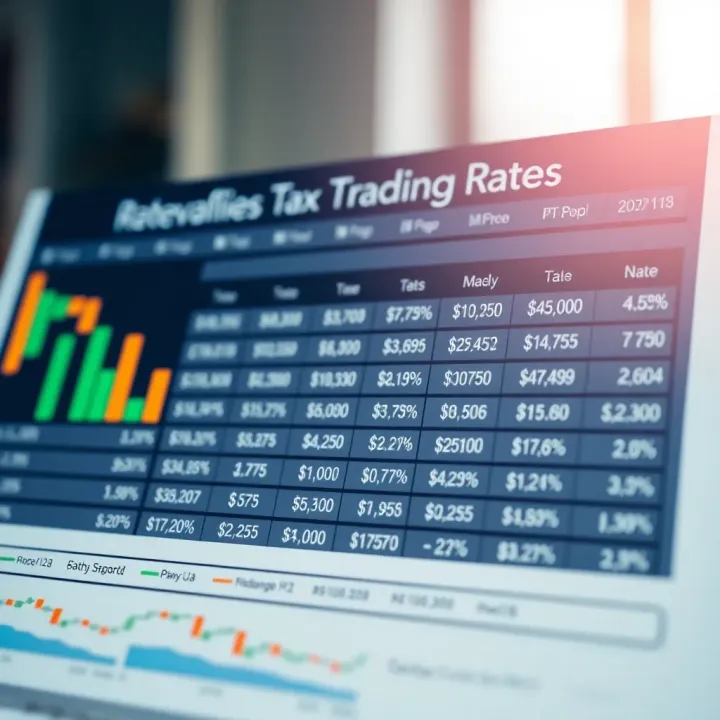
📊 Learn how forex trading profits are taxed in South Africa 🇿🇦, reporting income correctly, compliance tips, and key differences for traders with SARS.
📈 Master forex trading in South Africa with this practical guide! Learn market basics, risk management, top courses, and local support to trade confidently.
Based on 13 reviews