
Choosing the Right Trading App for Beginners in South Africa
Ready to trade in South Africa? 📱 Discover how to pick the right trading app for beginners, compare top options, and start safely with expert tips! 💹
Edited By
Ethan Davies
Trading forex via a mobile app has become a go-to for many South African investors looking to stay on top of currency markets without being tied to a desktop. Whether you are an experienced trader or just starting out, finding the right app can make a significant difference to your performance and security.
Navigating the vast options requires more than just picking what looks good on the app store. South Africa has specific regulatory conditions, internet reliability quirks, and unique market preferences that influence which platform suits you best. Beyond selecting an app with advanced charting tools or low spreads, you need to consider local licence status and payment methods that work seamlessly here.
Choosing the wrong app can leave you exposed to scams or hidden fees—taking care up front saves headaches down the road.
This section introduces the essentials of picking a forex trading app geared for South African users. You’ll learn what features truly matter, how to ensure a safe setup, what to watch out for regarding local compliance, and practical tips for managing trades on your phone.
Forex markets operate 24/5, and currency pairs can shift fast, influenced by global events and local developments in South Africa. A well-designed app lets you react immediately, place orders, monitor your positions, and adjust stops or take-profits from anywhere. This mobility is especially useful during Eskom loadshedding periods or when you're commuting and need to keep an eye on your portfolio.
Regulated Broking: Make sure the app connects to a broker registered with the Financial Sector Conduct Authority (FSCA) or a reputable global entity.
User Interface: The app should balance depth for analysis with a clear layout that’s easy to navigate on smaller screens.
Local Payment Options: Support for rand deposits and withdrawals via EFT, credit cards, or mobile wallets like Vodacom’s m-pesa is a big plus.
Real-Time Data: Access to live pricing and news influences timely decision making.
Security Measures: Two-factor authentication and encryption protect your account from unauthorised access.
With these points in mind, you're better prepared to choose a forex app that fits your trading style and local needs.
In the next sections, we'll cover how to set up your chosen platform safely and highlight some practical trading tips tailored for the South African market. Stay tuned.
Forex trading involves buying and selling different currencies with the aim of making a profit from fluctuations in exchange rates. Instead of dealing with physical cash, traders operate through electronic platforms, making foreign exchange one of the most traded markets globally. In South Africa, this form of trading has gained traction, especially among individuals looking to diversify their investments or seek opportunities beyond traditional assets.
Using a forex trading app brings this market to your fingertips. It allows you to execute trades, monitor currency pairs, and manage your portfolio right from your mobile device, wherever you are. For example, a trader in Pretoria can quickly respond to market movements while commuting or during a lunch break without needing a desktop setup. The convenience of these apps means quicker decision-making and the ability to act on fresh market information as it happens.
Mobile forex trading offers several advantages tailored to the South African context. First, South Africa's urban areas often experience fluctuating internet speeds and connectivity hiccups. An effective forex app will be optimised to function well even on limited data and slower connections, helping you trade without frustrating disruptions.
Secondly, data costs in South Africa can add up. Mobile apps that use minimal data and offer offline features for analysis reduce the financial burden. Some apps even enable push notifications for critical price changes or global market news, keeping users updated without continuously consuming data.
Moreover, many South African forex trading apps integrate with local payment methods and banks, making deposits and withdrawals straightforward. For instance, linking your trading app to your FNB or Capitec account can streamline fund transfers, making it easier to manage your investments.
Lastly, mobile apps often incorporate tools like live charts, economic calendars, and real-time news feeds, all essential for making informed decisions. Having these resources within the app helps traders stay on top of local events, like changes in the repo rate by the South African Reserve Bank, which can impact currency values dramatically.
Trading forex via a mobile app allows South African users to stay connected to the global market despite local challenges like data costs and connectivity, offering flexibility that desktop platforms can't match.
In summary, understanding forex trading apps and their role is key to making trading accessible, efficient, and customised for the South African trading environment. Selecting the right app means considering not just the global forex market but local factors that affect your trading experience every day.
When choosing a forex trading app, especially as a South African trader, certain features need particular attention to ensure both safety and effectiveness. These features not only protect your capital but also enhance your ability to respond quickly to market moves and access relevant data.
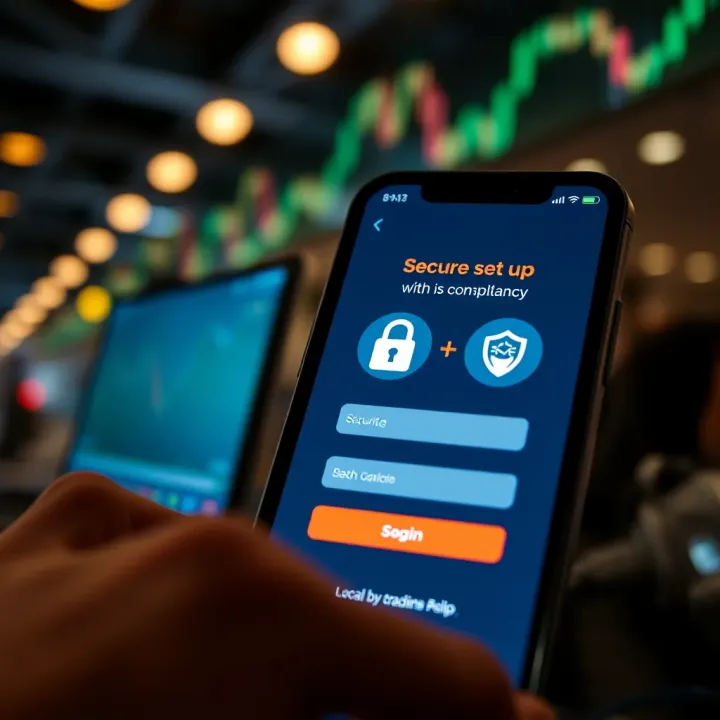
Security should top your list. The app must use robust encryption protocols to safeguard your personal and financial information. Look for apps that support two-factor authentication (2FA), as relying on just a password is risky. For example, many reputable brokers in South Africa integrate biometric logins (fingerprint or face recognition) to add an extra layer of security. Also, the app should comply with local data privacy laws such as the Protection of Personal Information Act (POPIA) to ensure your data isn’t misused or shared without your consent.
A good forex app should provide access to a broad range of currency pairs, including major pairs like USD/ZAR, EUR/USD, and GBP/USD, which are popular for South African traders. Besides these, some platforms offer access to exotic pairs and even other financial instruments, extending opportunities to diversify. The ability to trade during suitable market hours aligned with South African Standard Time (SAST) matters too since it influences your trading activity window.
Trading tools make a huge difference. Essential tools include live price charts, technical indicators such as RSI or moving averages, and real-time news feeds. Look out for apps offering customizable alerts, so you don’t miss critical price levels. Some platforms also provide demo accounts, which let you practise without risking real money — particularly helpful if you’re still finding your feet. For instance, brokers like IG or FXTM offer these features, making them tailored for both beginners and seasoned traders.
The user interface (UI) should be clean and intuitive, allowing quick navigation between charts, orders, and account details. A cluttered or laggy app can lead to missed opportunities or errors. Given the prevalence of mobile data limits and the occasional connectivity disruptions caused by loadshedding, an app that performs smoothly under these conditions is highly valuable.
Good customer support is equally important. Whether via chat, email, or phone, having quick access to help when technical issues arise or clarifications are needed can save you stress and prevent losses. South African forex traders benefit from brokers that offer localised support hours and knowledgeable staff familiar with local regulations and market nuances.
Carefully weighing these features will help you select a forex trading app that not only suits your trading style but also protects your interests in South Africa’s unique market environment.
By focusing on security, market access, trading tools, and user-friendly design with reliable support, you position yourself to trade confidently and efficiently from your mobile device.
Picking the right forex trading app is only half the battle — you also need to make sure you're downloading and setting it up properly. With cyber risks ever-present, knowing how to safely install and configure your trading platform protects your personal information and your wallet. For South African traders, it’s wise to follow straightforward steps that reduce vulnerabilities and ensure smooth trading.
The first thing is to stick to official sources when looking for forex apps. Downloading directly from the Google Play Store or Apple App Store reduces the chance of picking up dodgy software. For example, popular forex platforms like ThinkMarkets, IG, and Plus500 are available on these stores and comply with local regulations. Avoid third-party sites or unofficial app links offered in WhatsApp groups or random forums, as these often harbour scams.
If you’re unsure, check if the app developer is a licensed broker recognised by the Financial Sector Conduct Authority (FSCA). Visit the FSCA’s website for their list of approved brokers, which ensures you’re dealing with authorised operators. It’s a simple yet effective step to avoid fraud.
Once you’ve identified a trusted app, installation is quite straightforward. On Android, open Google Play Store, search for the app by name, and tap ‘Install’. Make sure your device settings allow installations only from trusted sources to prevent unwanted apps from sneaking in.
On iOS, head to the App Store, find the trading app, then tap on the download icon. Apple devices have stricter app vetting, but always keep your operating system up to date to patch any vulnerabilities that hackers might exploit.
After the app is installed, open it and follow the on-screen instructions to create an account. Remember to use a strong, unique password — you can use a password manager if you struggle with creating complex passwords. Also, set up two-factor authentication (2FA) if the app offers it. This adds an extra layer of security by requiring a code from your mobile or email every time you log in.
Beware of red flags when setting up your forex trading app. If an app asks for unusual personal info like your bank PIN or social grant numbers, dump it immediately. Legitimate apps follow the Financial Intelligence Centre Act (FICA) and only request standard documents like your ID and proof of address.
Take a moment to read user reviews on the app stores, but be cautious of overly positive or negative comments—they can be fake. A quick search on trusted South African financial forums or trading communities like MyBroadband can provide insights from real users.
Always double-check the broker’s licensing status and never share your login details with anyone.
South African traders should also be mindful of common scams like phishing messages or bogus ‘broker representatives’ asking for deposits upfront. Stick to apps with clear customer service contacts and accessible support.
Safe app installation isn’t just about clicking ‘download’ — it requires careful choice and protective setup measures. Following these safeguards helps you trade confidently without falling prey to fraud.
Forex trading in South Africa falls under the watchful eye of local regulators to ensure fairness and protect traders from fraud. Knowing the regulatory framework helps you pick safe brokers and apps, reducing the risk of falling prey to shady operators. This environment is particularly important because forex trading involves significant capital movement and sometimes complex instruments.
The Financial Sector Conduct Authority (FSCA) is the main body regulating forex trading activities here. Its job is to safeguard consumers by licensing brokers, overseeing their conduct, and enforcing rules. When a broker or trading app has FSCA approval, it means they meet standards for transparency, capital adequacy, and operational integrity. For example, FSCA-licensed brokers must keep client funds separate from their own, so your money isn’t used for reckless business bets.
All brokers and apps targeting South African clients must comply with FSCA regulations. They need to register with the authority, maintain a certain amount of capital reserves, and report regularly on their financial health. Compliance also involves adhering to anti-money laundering (AML) and know-your-customer (KYC) policies, meaning they verify your identity to prevent unlawful practices. For instance, you’ll usually be asked to provide a certified ID copy and proof of residence when registering an account.
Beyond this, brokers are expected to provide clear terms relating to fees, risk disclosures, and client communication. This transparency helps you make informed trading decisions without being caught out by hidden charges or misleading promotions.
You can quickly find out if a forex broker or app is legitimately licensed through the FSCA’s public register of authorised financial services providers. This list is free and accessible, showing details such as the broker's official name, licence number, and status. If a platform isn’t on this register, it’s safer to steer clear.
Always confirm licensing before depositing any money or sharing personal info. Licensed brokers are accountable to the FSCA and must follow rules designed to protect traders.
In practice, some platforms may appear slick but hide behind offshore registrations without FSCA oversight. These often offer unrealistic promises or no local support, which is a clear warning sign. So, check the FSCA register and consider brokers who are also members of reputable industry bodies.
Being cautious upfront can safeguard your funds, ensuring your trading experience is less about dodgey dealings and more about smart investing.
Trading forex on your mobile device offers the convenience of managing positions on the go, but it also comes with unique challenges in the South African context. Understanding how to handle data expenses, connectivity reliability, and real-time information is key to making the most of your mobile trading experience.
Data prices remain a significant concern for many South Africans, especially when using mobile apps that require steady internet access. To keep data costs manageable, consider using Wi-Fi in trusted locations as often as possible. Messaging apps like WhatsApp often consume much less data compared to forex apps that refresh prices continuously.
Setting your forex app to update less frequently can also reduce data use. For example, adjusting refresh intervals from every second to every minute still keeps you informed without draining your data bundle. Plus, many brokers’ apps offer 'offline mode' features where you can monitor recent price movements without constant connectivity.
Connectivity can be a hurdle outside urban centres. Mobile signal strength varies widely between Gauteng, the Western Cape, and rural provinces. Testing your app’s performance on your usual mobile network (Vodacom, MTN, Telkom, or Rain) before committing to trades helps avoid frustrating delays during crucial moments.
Mobile trading demands a slightly different approach compared to desktop platforms. Start by setting clear daily limits on trading activity to prevent knee-jerk decisions spawned by the easy accessibility of your phone. Constant alerts can be distracting — disable non-critical notifications so you focus only on key price movements or news.
Use simple, well-understood strategies that suit smaller screens. For instance, limit yourself to trading major currency pairs like USD/ZAR or EUR/USD, which often have tighter spreads and more predictable patterns. Avoid overly complex technical indicators that are difficult to track on a phone.
Another tip is to practise on demo accounts offered by most South African brokers. This familiarises you with the app interface without financial pressure, ensuring you can react confidently when you trade for real.
Currency prices are highly sensitive to emerging news — both globally and in South Africa. Follow reliable local news sources like Business Day, News24 Business, or Moneyweb to stay ahead of political events, SARB policy changes, or shifts in commodity prices affecting the rand.
On top of that, global events such as US Federal Reserve interest rate decisions or European Central Bank statements can shake forex markets. Use trusted financial apps that provide concise market summaries alongside your trading app to get a quick, balanced overview.
Staying informed and maintaining efficient connectivity are crucial when trading forex on mobile. It’s no good making a move without solid info or being cut off midway through placing a trade.
By keeping data costs in check, adopting sensible trading habits, and staying on top of market news, you can navigate the ups and downs of forex trading on mobile platforms with much more confidence in South Africa’s complex market environment.
Ready to trade in South Africa? 📱 Discover how to pick the right trading app for beginners, compare top options, and start safely with expert tips! 💹
Explore top forex trading software for South Africa 🇿🇦. Learn features, local rules, smart tips, & best platforms to trade securely and boost your skills 📊💡.
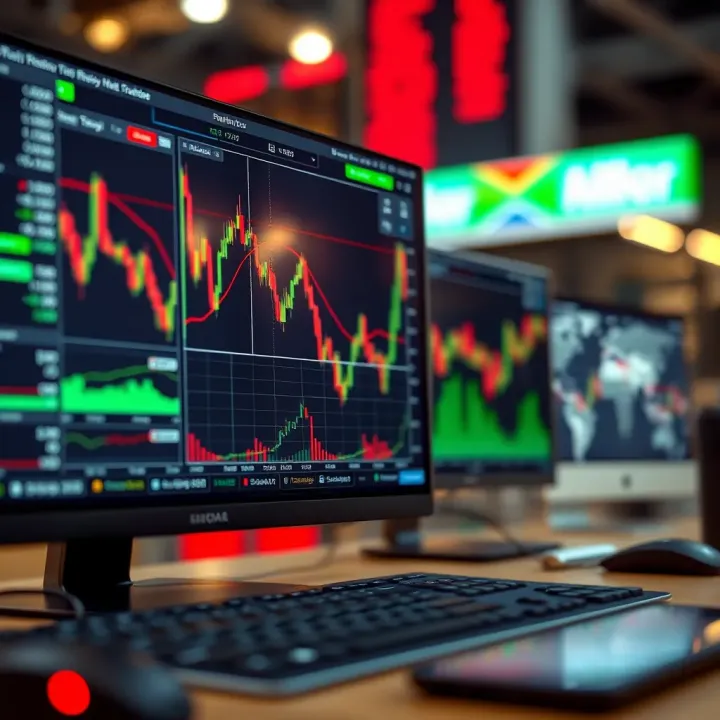
Explore the best free forex trading software for South Africans 🇿🇦. Learn key features, pros & cons, and find the right platform for your trading style 📊💻.
🌍 Discover how to trade forex in South Africa without upfront costs. Learn about free platforms, local rules, and practical tips for beginners. 💹
Based on 13 reviews