

Understanding Forex Trading Signals in South Africa
📈 Learn how forex trading signals work and how South African traders can use them wisely. Discover different types, benefits, risks, and trusted tips.
Edited By
Sophie Langley
Understanding when the market might change direction is a skill every forex trader wishes to master. That’s where reversal candlestick patterns come into play. These patterns give traders key clues about shifts in market sentiment, signalling potential opportunities to enter or exit trades.
In South Africa, with local traders often juggling market moves alongside challenges like Eskom loadshedding and fluctuating Rand exchange rates, timing your trades right is vital. Forex reversal candlestick patterns help strip away some guesswork by highlighting moments when the balance between buyers and sellers might tip.

But what exactly are these patterns, and how can you read them? Each pattern forms based on price action within a specific time frame, capturing market indecision, rejection of price levels, or a sudden surge by one side. For example, a hammer signals that sellers pushed prices lower during a session, but buyers managed to pull them back up, suggesting possible bullish reversal.
Here’s what makes reversal patterns useful:
Visual cues: They are easy to spot on candlestick charts.
Predictive value: They hint at possible trend changes before they fully unfold.
Entry and exit signals: Help you decide when to open or close positions.
However, these patterns don’t guarantee a reversal on their own. Context matters—look for confirmation through volume, nearby support and resistance zones, or other technical indicators.
Keep in mind: while reversal candlestick patterns can improve your timing, pairing them with a solid trading plan and risk management strategy is essential to navigate the volatile forex market confidently.
Next, we’ll explore some of the most commonly seen forex reversal patterns and how you can use them effectively to fine-tune your trading decisions here in South Africa.
Understanding candlestick patterns is a vital part of forex trading, offering insights beyond simple price points. These patterns package information about price movement in a graph that’s easy to read and interpret. Since the forex market reacts quickly to economic news and events, these visual clues can help traders like you decide when to enter or exit trades.
Every candlestick tells a story and breaks down into three key parts: the body, the wick, and the colour. The body represents the range between the opening and closing prices for a specific time frame. A longer body shows strong buying or selling pressure, while a shorter body hints at indecision. Meanwhile, the wick (or shadow) extends above and below the body, marking the highest and lowest prices reached. These wicks reveal volatility and how far prices moved beyond the open and close.
Colour signals market mood. In South African trading platforms, a green or white candle usually means the price closed higher than it opened (bullish), while a red or black candle means it closed lower (bearish). For example, a long green candle with a small upper wick tells you bulls dominated throughout, whereas a red candle with long lower wick might signal buyers stepping in after sellers pushed prices down.
Candlesticks reflect more than prices — they hint at the market sentiment behind those moves. A string of bullish candlesticks suggests optimism or buying momentum, while bearish candles hint at negativity or selling pressure. Sudden changes in candle colour or shape can signal shifts in sentiment. Suppose you notice a hammer after a downtrend; it shows sellers lost momentum, and buyers might be poised to take over. These emotional undercurrents are crucial when forecasting trend changes.
Reversal patterns are like flags on the trading track, indicating potential trend changes. In forex, spotting these early can help you avoid losses or catch a new wave. For instance, after a steady downtrend, an engulfing bullish pattern might suggest a turn upwards. Recognising such signals lets you prepare your strategy with stop-losses or entry points accordingly.
It’s important to differentiate reversal patterns from continuation patterns. Reversal patterns hint the price is about to change direction, while continuation patterns suggest the existing trend will carry on. Confusing the two can lead to premature trading decisions. For example, a flag or pennant is a continuation pattern indicating a pause before the trend resumes. Meanwhile, a shooting star signals a possible reversal on an uptrend. Knowing this difference helps you apply candlestick analysis more effectively, especially under South Africa’s fast-moving forex conditions that respond sharply to global and local events.
Remember, no pattern guarantees outcomes; use these signals alongside other analysis like support, resistance, and volume for greater accuracy.
These basics set the foundation for you to deepen your understanding of forex reversal candlestick patterns, placing you in a stronger position to make skilled trading decisions.
Reversal patterns offer traders clear signs that the forex market might be about to change direction. Recognising these patterns early can give you an edge, especially when combined with other technical tools. In South African trading environments, where currency pairs like USD/ZAR can shift rapidly due to global and local factors, spotting reversal signals helps you time entries and exits more carefully.
The hammer and hanging man share a similar shape: they have a small body near the top of the candle with a long lower wick. This long lower shadow shows where sellers pushed the price down during the period, but buyers fought back, closing near the opening price. The difference lies in their position within a trend — a hammer appears after a downtrend, hinting at a possible bullish reversal, while a hanging man forms after an uptrend and signals potential bearish reversal.
The key to distinguishing these patterns is their placement and confirmation. A hammer following a downward move suggests buyers are gaining strength. When the next candle closes higher, it backs the signal that prices could be rising. On the flip side, the hanging man alone isn’t enough to sell; traders wait for a confirming bearish candle to validate that the uptrend may be waning.
A bullish engulfing pattern occurs when a small bearish candle is immediately followed by a larger bullish candle that completely covers or ‘engulfs’ the previous body. This pattern indicates strong buying pressure taking over. For example, if the USD/ZAR pair has been falling, spotting this pattern on a daily chart can signal the market is ready to turn upwards.
Conversely, a bearish engulfing pattern happens when a small bullish candle is swallowed by a larger bearish candle. After a sustained rise, this suggests sellers have suddenly stepped in with force, possibly pushing the market lower. In volatile pairs like EUR/ZAR, such a pattern can be a warning to lock in profits or tighten stops.
Volume adds weight to these patterns. Higher trading volume during an engulfing candle confirms genuine interest behind the move. For South African traders, monitoring volume on platforms like MTN or Vodacom gives extra assurance that the reversal signal is reliable and not just a random blip.

Doji candles have almost equal opening and closing prices, forming a cross or plus shape. There are several types: the standard doji, dragonfly doji (long lower wick), and gravestone doji (long upper wick). Each signals hesitation where neither buyers nor sellers dominate.
When a doji appears after a strong trend, it signals market uncertainty. For example, a gravestone doji after a rise can hint sellers might be taking over soon. However, it’s crucial to wait for the next candle to verify if the reversal is real or if the trend will continue.
A shooting star looks like a small-bodied candle near the low end with a long upper wick, forming after an uptrend. The inverted hammer shares the shape but shows up after a downtrend. Both highlight rejection at higher prices — buyers pushed prices up but couldn’t keep them there.
These patterns suggest a shift in momentum. In the case of a shooting star in a rising USD/ZAR market, it warns that the bullish effort may be weakening. Similarly, an inverted hammer after a selloff could mean buyers are stepping in. For these to be actionable, wait for the next candle to close within the reversal direction.
Practical tip: Always combine these candlestick patterns with support and resistance levels and watch for volume changes to avoid chasing false signals.
In all, these common reversal patterns act as early alerts for traders looking to capitalise on shifting market tides, which is vital in South Africa's fast-moving forex scene.
Correctly reading forex reversal signals can make all the difference between a successful trade and losing your R. It’s not enough to spot a pattern and jump in; you must confirm that the market is truly turning. Validating reversal signals helps you avoid false alarms and sharpens your timing, ultimately protecting your capital and boosting returns.
Volume plays a quiet but crucial role in confirming reversal patterns. When you see a candlestick pattern hinting at a turn, check if trading volume supports it. For example, a bullish engulfing candlestick that appears on unusually high volume suggests genuine buying interest, increasing the chance of a sustained uptrend. Conversely, if the volume is low, the pattern could be a fluke, and it might pay to hold off.
Price action adds another layer of confirmation. Say the forex pair is approaching a known support zone, and you spot a hammer candlestick. If the price bounces off that level with steady buying in the following candles, the reversal signal gains strength. This coupling of candlestick patterns with volume and price movements helps you separate realistic signals from noise.
Support and resistance levels act like invisible walls where price often hesitates or reverses. Spotting reversal candlestick patterns near these levels is a solid tip-off for potential trend shifts. For example, a shooting star at resistance is more meaningful than one in the middle of a trend.
The practical takeaway? Use charts to mark key support and resistance before trading. When a reversal pattern emerges at these points, your chances of success grow. This approach is especially handy in the South African forex scene, where major levels often align with round numbers or historical price action. Treat these zones as areas to watch closely rather than automatic trade entry points.
Different chart timeframes tell very different stories. On a 5-minute chart, you might see plenty of reversal patterns, but many are fleeting and unreliable. On the flip side, patterns on daily or 4-hour charts carry more weight because they reflect broader market consensus.
When day traders chase signals from short-term charts, they're gambling on quick moves but also risking more false signals. Swing or position traders benefit from higher timeframes that offer clearer, more reliable reversal indications. For example, a bullish engulfing pattern on a daily chart accompanied by increased volume near a support zone tends to be much more trustworthy than the same pattern on a 15-minute chart.
Basically, the longer the timeframe, the stronger the potential reversal message. Yet, longer timeframes come with slower trade entries and exits. So traders must balance reliability with their trading style.
If you’re trading off an hourly chart, consider waiting for confirmation on the 4-hour chart to back up the reversal signal. On the other hand, scalpers might rely on quick price action but keep stop-loss levels close to avoid getting caught by fakeouts. Bottom line: timeframes influence how you trust and act on reversal signals, making multi-timeframe analysis a valuable tool.
Successful forex trading demands not just spotting reversal patterns but backing them with volume, price action, and context from support/resistance and timeframes. These steps refine your decisions and reduce the chance of costly mistakes.
Trading forex based on reversal candlestick patterns can sharpen your timing for entries and exits, which often makes the difference between a winning trade and a loss. These patterns give you early clues about potential market turns, allowing you to plan positions with more confidence. For example, spotting a hammer candlestick near a key support level might signal the end of a downtrend, prompting you to consider a bullish entry.
However, trading reversals is not about jumping in the moment you see a pattern. It demands a strategy that combines pattern recognition with risk management. Without managing your stops and confirming signals, you risk reacting to false reversals—common in the volatile forex market.
Setting stop-loss around reversal zones
Stop-loss placement is central to protecting your capital. When you identify a reversal candlestick pattern, set your stop-loss slightly beyond the recent swing high or low that marks the pattern’s boundary. For instance, after a bullish engulfing pattern emerges at support, place your stop-loss just below that support zone. This way, if the market moves against you, you limit your losses without being stopped out by minor fluctuations.
This approach accounts for typical market noise, so you avoid being kicked out prematurely. It’s a practical way to respect the pattern’s implications while guarding your risk.
Using confirmation candles before entering trades
Confirmation candles reduce the chance of entering trades on false signals. Rather than acting immediately on the reversal pattern, wait for the next candle to close, reinforcing the pattern’s signal. For example, after a shooting star hints at a bearish reversal, a strong down candle following it confirms selling pressure.
This method adds weight to your decision and helps filter out traps where price temporarily reverses but then resumes its previous trend. Confirmation is especially important on shorter timeframes where volatility can cause misleading signals.
Position sizing considerations
Sizing your position right is as critical as spotting the reversal. Given that reversals sometimes fail, allocate a smaller portion of your trading account when trading these patterns, especially in choppy markets. This means if your stop-loss is relatively wide due to market volatility, you reduce the trade size to keep potential losses manageable.
For example, if your typical stop-loss is 50 pips but the reversal zone demands a 70-pip stop, you should reduce the lot size correspondingly. This keeps your risk consistent.
Avoiding false signals and overtrading
False reversal signals trick many traders into losing trades, so patience and discipline are essential. Avoid chasing every pattern you see; select setups that fit your trading rules and offer the best risk-to-reward ratio. Overtrading in hopes to catch every swing tends to erode capital quickly.
Remember, no strategy catches every reversal. Overtrading often follows impatience or misunderstanding a pattern’s context. Stick to patterns confirmed by other indicators or support/resistance zones and stay alert to market news that could disrupt technical signals.
Managing risk and waiting for confirmation turns trading reversal candlestick patterns from guesswork into a disciplined approach – and that’s how you steadily improve your results.
Applying these principles tailored to South African forex conditions, including volatile rand pairs and market hours, boosts your odds of profitable trading. The goal isn’t to be right every time, but to manage trades so that when the market turns, you’re ready to benefit rather than burn cash.
Recognising reversal candlestick patterns is handy, but several pitfalls can trip up even experienced forex traders. Understanding common mistakes helps safeguard against premature decisions and losses. These errors usually stem from reading patterns in isolation, without considering the surrounding market context, or rushing entries without proper confirmation. Let's look at specific missteps to watch for.
Candlestick patterns provide clues about potential turning points, but taking them at face value can be risky. For instance, a hammer pattern on a random hourly chart may look promising but might be insignificant if the overall trend remains strongly bearish. The pattern’s effectiveness hinges on the bigger picture—are you spotting it at a logical support level or after a prolonged move? Without this context, you could end up jumping on a false signal.
Think of pattern recognition as hearing a single note in music. It only gains meaning when matched with the melody and rhythm. Similarly, candlestick signals need to align with technical indicators and price action around them.
Trends are the backbone of forex markets. A reversal pattern against a solid uptrend might just be a pause or a pullback, not a full turnaround. For example, a bearish engulfing candle during a bullish rally might not bring a lasting drop if economic data released that day supports currency strength.
Local or international news often drives volatility that overshadows technical patterns. During South Africa’s business confidence releases or major global events like US Fed decisions, relying solely on candle patterns is like trying to predict a storm by watching the clouds without checking the weather forecast. Always factor in economic calendars and trend snapshots before acting.
A candle on its own tells only half the story. Traders often mistake a dramatic-looking shooting star or doji for an immediate reversal, jumping into positions prematurely. However, patterns should be confirmed by surrounding price action. For instance, a hanging man candle might lose significance if the next candles continue higher steadily.
Using just one candle can cause whipsaws—where price reverses briefly, then resumes the original trend. It’s like betting on a horse after one lap; you really want to see if it sustains the lead.
Successful trading with reversal patterns usually calls for patience. Wait for the candle following the pattern to support the reversal signal before entering. If a bullish engulfing pattern forms, check if the market confirms with higher closes in subsequent candles.
Especially in forex pairings like USD/ZAR or EUR/ZAR, where local factors and global flows intersect, waiting for this confirmation reduces false entries. You might miss a quick move but save yourself from bigger losses caused by fakeouts.
Mastering candlestick reversals is as much about when you enter as what you see. The best traders step back, consider market mood and news, and wait for evidence that a reversal is genuine.
By avoiding these common mistakes, you’ll sharpen your timing and decision-making. Remember, candle patterns should be tools in your toolbox, not crystal balls. Combine them with context, confirmation, and good risk management to trade smarter in South Africa’s dynamic forex market.
Continued learning and hands-on practice are vital when working with forex reversal candlestick patterns. Resources like books, courses, demo accounts, and charting tools equip traders with deeper knowledge and practical skills necessary for confident decision-making. They help sharpen your ability to spot patterns accurately and manage trades effectively, especially given how market conditions constantly shift.
Books tailored to forex candlestick reading provide a solid foundation by breaking down pattern formations, market psychology, and trading strategies. Titles such as "Japanese Candlestick Charting Techniques" by Steve Nison or "Forex Price Action Scalping" by Bob Volman focus specifically on candlestick nuances and their impact on forex markets. These resources go beyond surface explanations, offering practical guidance and case studies that help traders understand real-world applications rather than just theory.
Courses, both online and in-person, further enhance learning with interactive lessons and expert feedback. Platforms like Udemy and Coursera offer forex-specific modules where you can learn pattern recognition, strategy development, and risk control. Such courses often include quizzes and scenario-based exercises, which are handy for gauging your progress and building confidence before trading live.
Nothing beats practising pattern recognition in real market conditions without risking your money. Demo accounts let you trade on virtual funds while accessing live forex charts. This setup is invaluable for testing reversal patterns across different timeframes and currency pairs, observing how signals play out without the pressure. For example, you can track how a hammer pattern on the EUR/ZAR pair looks and behaves during actual trading hours.
Popular trading platforms in South Africa cater well to this need. MetaTrader 4 and 5, widely used by local brokers, come with comprehensive charting tools and demo functionalities allowing you to customise indicators and experiment with pattern alerts. Similarly, platforms like ThinkMarkets and IG Markets provide straightforward interfaces and strong educational support. Using these tools regularly can vastly improve your pattern identification skills and help you fine-tune your entry and exit points with greater precision.
Taking full advantage of recommended reading materials, structured courses, and demo trading platforms will empower you to spot forex reversal candlestick patterns confidently and improve your trading outcomes over time.
📈 Learn how forex trading signals work and how South African traders can use them wisely. Discover different types, benefits, risks, and trusted tips.

📈 Discover how free forex trading signals work, their pros and cons, and tips to spot reliable ones in South Africa's forex market. Trade smarter!
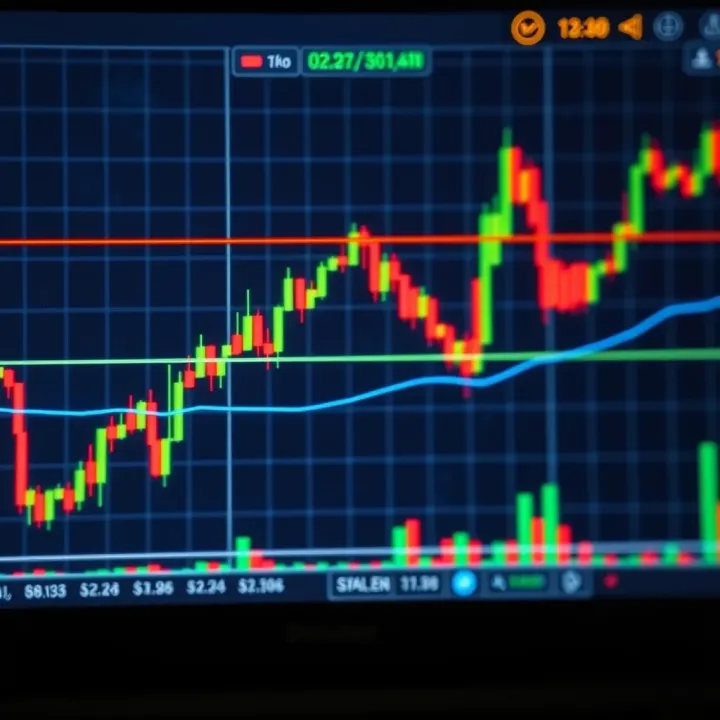
📊 Discover how forex trading signals guide South African traders on when to buy or sell currency pairs. Learn types, risks, benefits, and how to pick trustworthy signals.

📈 Dive into free forex trading signals with our practical guide! Learn how to spot reliable tips, use them smartly & boost your trading strategy in South Africa.
Based on 15 reviews