
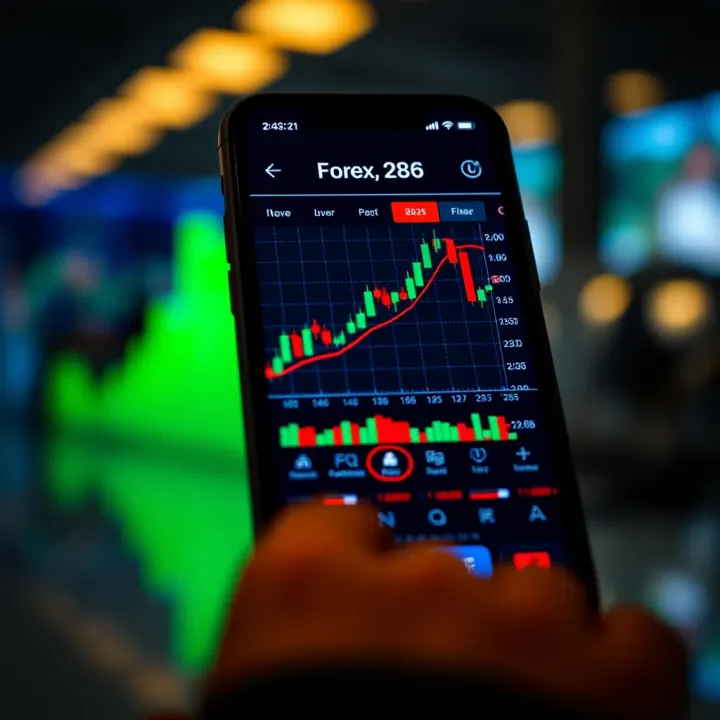
Choosing the Best Forex Trading App in South Africa
Looking to trade forex on your mobile in South Africa? 📱 Discover how to choose and safely set up the right forex trading app compliant with local regulations and tailored for you.
Edited By
Daniel Foster
Trading forex in South Africa has never been more accessible, thanks to the range of mobile apps available today. But the challenge lies in choosing the right forex trading app that suits your needs without compromising on security or compliance.
South African traders face specific hurdles, like navigating the local regulations set by the Financial Sector Conduct Authority (FSCA) and managing risks related to currency volatility and sudden market swings. Your chosen app should reflect a clear understanding of these aspects.

Regulation and Licensing: Make sure the app is offered by a broker authorised by the FSCA. This reduces the risk of fraud and ensures the platform follows South African laws.
Security Features: Look for apps with strong encryption, two-factor authentication (2FA), and transparent privacy policies. Trading involves sensitive financial information, and not all apps protect it equally.
User Interface and Tools: An intuitive interface makes a big difference, especially if you're new to forex trading. The app should offer real-time price updates, charting tools, and easy order placement without delays.
Transaction Fees and Spreads: South African traders should watch out for hidden fees. An app that offers competitive spreads and transparent fee structures will save you money over the long run.
Local Payment Options: Consider whether the app supports Rand payments via methods like EFT, SnapScan, or Zapper. Fast, low-cost deposits and withdrawals ease your trading experience.
Selecting the right forex trading app in South Africa combines practical features with compliance. Ignoring either could cost you dearly in time or money.
Popular apps like IG Markets and Plus500 have gained traction locally due to compliance and user-friendly interfaces, but newer platforms also offer unique tools for technical analysis and copy trading.
Ultimately, your app choice should align with your trading strategy, skill level, and comfort with technology. This guide will help you make a well-informed decision based on real factors, not marketing hype.
Grasping the basics of forex trading and why it's gaining traction locally sets the foundation for wisely choosing your trading app. Many South Africans are drawn to the forex market not just for its accessibility but also for the potential to diversify income streams in a challenging economic climate.
At its core, forex trading involves buying one currency while simultaneously selling another, which is why currencies are always quoted in pairs, such as ZAR/USD or EUR/ZAR. The value of these pairs fluctuates based on economic factors, political events, and market sentiment worldwide. For example, if the rand weakens against the US dollar, you can profit by selling rands and buying dollars, assuming your timing is right.
Understanding how these pairs move relative to each other helps traders decide when to enter or exit trades. Unlike shares or bonds, forex trades directly influence your holdings because they reflect the strength of currencies used daily in imports, exports, and tourism.
Leverage allows traders to control a larger position with a smaller amount of invested capital, known as margin. For instance, with 1:100 leverage, a trader can control R10,000 worth of currency by putting down only R100. While this can amplify profits, it can also magnify losses, sometimes beyond the initial amount invested.
In South Africa, understanding leverage is key because it directly affects your risk exposure. Novice traders benefit from using lower leverage levels until they gain confidence and experience. This practical awareness prevents unexpected margin calls that might wipe out an investment unexpectedly.
Forex trading opens doors to global financial markets right from your cellphone or computer, allowing South Africans to engage with currencies like the euro, pound, and yen without crossing borders. This accessibility is a big draw in a country where opportunities to invest offshore were traditionally limited.
Moreover, traders can participate 24 hours a day since currency markets operate across different time zones. For a day worker in Johannesburg or Cape Town, this flexibility aligns well with varied schedules, enabling trades outside regular work hours.
The South African rand is known for its volatility, influenced by commodity prices, domestic politics, and international investor sentiment. This roller-coaster effect creates chances for traders to benefit from swings in currency value, either by speculating on depreciation or appreciation.
For example, during the years when load-shedding intensified, uncertainty around economic growth pushed the rand lower, and some forex traders took advantage by short-selling the rand. In essence, this volatility, while risky, can offer profit windows that are less common in more stable currencies.
Understanding these practical details about forex trading helps South African traders make informed choices about which app to trust and how to approach the market safely and strategically.
Understanding the regulatory landscape is key to trading forex safely in South Africa. The local authorities have set clear rules to protect traders from unscrupulous operators and to ensure fair market practices. Ignoring these regulations can lead to financial loss or legal issues, so knowing how to navigate them gives traders a real edge.
The Financial Sector Conduct Authority (FSCA) is the watchdog overseeing financial markets, including forex trading platforms. Brokers need an FSCA licence to legally offer their services in South Africa. This licence ensures the broker meets minimum standards like capital adequacy, transparency, and fair dealing.
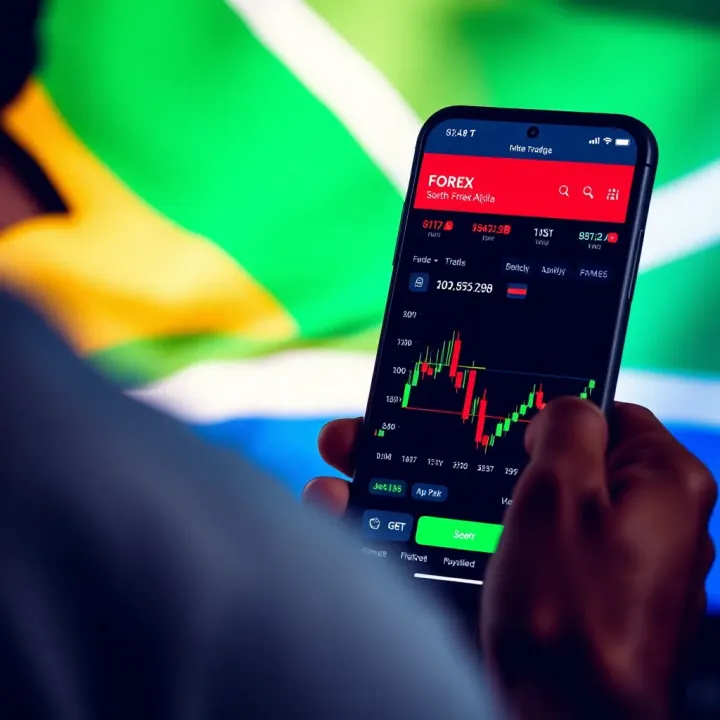
For example, a broker operating without FSCA approval might not segregate client funds properly or follow strict anti-money laundering rules, which puts your money at risk. When choosing an app, always check if the broker behind it holds a valid FSCA licence — this is your first line of defence against scams.
Verifying if a trading app is regulated is straightforward but often overlooked. The FSCA publishes an updated list of authorised financial service providers (FSPs) on its website. You can cross-check the broker’s name and FSP number there. Apps linked to brokers not on this list should raise red flags immediately. Some brokers also display their FSCA licence number within the app or on their website, but always confirm independently through official FSCA channels.
Client fund protection in South Africa requires brokers to keep traders’ money separate from their operating funds. This segregation means even if the broker runs into financial trouble, your funds remain safe and can be returned. Unfortunately, some offshore platforms don’t follow this rule, so trading with FSCA-regulated brokers offers a safeguard against losing your investment due to broker insolvency.
Data security is another crucial area regulated under the Protection of Personal Information Act (POPIA). Forex trading apps handle sensitive personal and financial information, so they must comply with POPIA to ensure data is collected, stored, and processed securely. This means they should use encryption, secure login procedures like two-factor authentication, and clear privacy policies explaining how your information is used. Knowing an app respects POPIA gives you peace of mind that your personal details aren’t at risk of being misused or leaked.
Staying within the regulated environment not only protects your funds but also ensures fair treatment and privacy. Verification of licensing and data compliance is a small step that can save a trader from costly headaches and potential fraud.
Navigating these regulatory elements together helps you pick a forex trading app that operates transparently and keeps your interests front and centre.
Choosing the right forex trading app hinges on understanding which features truly affect your trading efficiency and security. The app isn't just a gateway to the market; it's where split-second decisions can mean the difference between gains and losses. Focusing on user experience, analytical tools, and security ensures the app supports you, not frustrates or exposes you.
Ease of navigation defines how quickly you can access the trading functions you need. Apps cluttered with unnecessary menus or complicated layouts slow your reaction times. A clean, straightforward interface helps you check charts, place orders, and monitor positions with minimal fuss. For example, an app that allows you to toggle between currency pairs and order types with one or two taps keeps you agile, especially during volatile rand shifts.
Mobile compatibility and performance are vital in South Africa, where many traders rely on mobile data and limited broadband connections. An app should run smoothly on a range of devices, from budget smartphones to more powerful models. Laggy or freezing apps during trade execution might cost you dearly. Consider apps optimised for South Africa’s mobile networks and that offer lightweight versions or adjustable data usage settings to cope with potential connectivity hiccups.
Charting and technical indicators provide the backbone for informed decisions. Quality apps offer interactive charts with multiple timeframes and a solid range of technical indicators like Moving Averages, RSI, and Bollinger Bands. For instance, being able to overlay trend lines on a 30-minute chart quickly helps assess entry or exit points without switching platforms.
Real-time data and news feeds keep you updated on forex market moves influenced by global events or local news affecting the rand. Delays in data can lead to missed opportunities or ill-timed trades. An app providing live price updates, economic calendars, and breaking financial news ensures you stay ahead. Some apps even integrate South African-specific insights, such as SARB announcements or Durban port disruptions impacting exports.
Encryption standards protect sensitive data like your login details, personal information, and transaction history. The best apps employ end-to-end encryption protocols that make intercepted data unreadable to outsiders. For South African users, where cybercrime rates are notable, this layer of protection is non-negotiable.
Security isn’t just about big breaches — even small gaps can lead to identity theft or stolen funds.
Two-factor authentication (2FA) adds an extra security layer by requiring a second verification step, usually a code sent to your mobile or generated by an authenticator app. This reduces the risk of unauthorised access if someone guesses or steals your password. An example: without 2FA, a hacker gaining access to your email or password could quickly drain your trading account, but with 2FA, they hit a brick wall.
Selecting a forex trading app with these key features ensures you trade with confidence, speed, and security in South Africa’s unique market environment.
Seeing which forex trading apps are popular and trusted locally helps you make a smarter choice. With so many options flooding the market, especially between local firms and international platforms, it pays to understand what’s on offer and how they hold up for traders in South Africa. This section sheds light on both ends of the spectrum—from FSCA-approved local apps to global platforms South Africans tend to prefer.
Local apps with approval from the Financial Sector Conduct Authority (FSCA) generally come with features tailored to South African traders. For example, several local platforms allow direct bank transfers within South Africa, and notifications on loadshedding schedules integrated into their apps have even popped up in user forums. User feedback often points to smoother customer support and quicker responses compared to international brokers, which matters when markets move fast.
Feedback from South African users also highlights the importance of intuitive interfaces and mobile responsiveness because many traders rely on their mobiles during daily commute or breaks. Apps like EasyEquities and CMC Markets offer charting tools and news relevant to the rand and regional economies, which local users appreciate.
Costs vary, but FSCA-approved local brokers typically offer competitive spreads, sometimes narrower than international alternatives, especially on major currency pairs like USD/ZAR. Low spreads can make a big difference in overall profitability, mainly for high-frequency traders. On top of spreads, some apps may charge withdrawal fees or inactivity penalties, so minding the fine print is crucial.
It’s wise to check how these costs stack up not just on advertised spreads but also on overnight financing (swap rates) or deposit fees. Local brokerage apps often promote transparency, listing all fees upfront in South African Rand, which avoids unpleasant surprises.
Many international brokers attract South African traders due to extensive currency pair offerings or advanced tools. However, most are not FSCA-regulated, which means they fall outside direct local oversight. This translates to increased risk—be it in fund security or dispute resolution.
Before committing, traders should investigate whether the international broker holds licences from reputable regulators like the UK’s FCA or ASIC in Australia. Additionally, understanding how client funds are held (segregated accounts) and anti-money laundering protections is essential. Since these brokers operate globally, you might encounter platforms that do not align perfectly with South African laws around data security or financial reporting.
International apps often provide sophisticated trading platforms, such as MetaTrader 4 or 5, which include a broad range of indicators, automated trading options, and extensive market research resources. This tech advantage appeals mainly to experienced traders comfortable navigating complex tools.
Conversely, limitations for South African users can include fewer local payment methods, slower withdrawal processing, or additional currency conversion fees when funding accounts. Furthermore, some apps might lack specific support during Eskom’s loadshedding or fail to account for South African market nuances.
Choosing between local and international trading apps depends on your priorities—whether it's regulatory safety and local relevance or access to advanced tools and diverse markets. Considering these practical factors will help tailor your forex trading experience to your needs.
By weighing the pros and cons of local FSCA-approved apps against international options, South African traders gain clarity on what suits their trading style, budget, and appetite for risk.
Using forex trading apps comes with its share of risks, particularly in South Africa where the market is growing fast and technology access is widening. It’s crucial to take sensible precautions to protect your funds and personal information. This section lays out practical advice to help you navigate safely, from starting small without risk to spotting dodgy platforms and managing your money. The idea is to give you the tools to trade confidently, without falling prey to common pitfalls.
A demo account lets you practise on the app without putting any real money on the line. For example, most apps allow you to use virtual funds to get familiar with buying and selling currency pairs, and how different settings work. This is especially handy if you’re new to forex or switching to a new app — it helps prevent costly mistakes because you can explore all the features without stress.
Before you commit real rand, demo accounts give you a chance to test your trading tactics. Say you want to try a scalping method or use specific indicators; the demo lets you see how these play out in real-time market conditions. If your approach needs tweaking, you save your capital from unnecessary risk. Once you’re comfortable and see consistent results, you can start live trading with a bit more confidence.
A stop loss is a preset order to close a trade when it reaches a certain loss level. This tool helps limit potential damage to your portfolio. For instance, if you buy USD/ZAR at R15 but don’t want to lose more than R500, setting a stop loss can automatically exit the trade if the price moves against you. It’s a simple but effective way to protect your cash — especially in the often volatile forex market.
Scammers often lure traders with promises of huge returns or zero fees. Always check if the app is licensed by the Financial Sector Conduct Authority (FSCA). Watch out for red flags like unclear contact details, overly aggressive marketing, or a lack of transparent trading terms. Trustworthy platforms usually have clear user reviews, public regulatory disclosures, and provide robust customer support. Don’t hesitate to test their response by asking specific questions.
Tip: If an offer sounds too good to be true, it probably is.
Most South African forex apps accept several convenient ways to fund your account, including EFT (electronic funds transfer), credit and debit cards, and sometimes mobile wallets like Zapper or SnapScan. Each method has its strengths: EFTs usually have higher limits and lower fees, but take longer to clear, while card payments are instant but might incur service charges.
Be mindful that withdrawals often don’t happen instantly. For example, EFT withdrawals can take two to three business days, depending on your bank. Some brokers also charge withdrawal fees or minimum amounts, so it pays to check these before committing your money. Understanding these details upfront helps avoid surprises and ensures you have access to your funds when you need them.
By following these pointers, you’ll reduce your chances of getting caught off guard — allowing you to trade forex on your mobile confidently and safely in the South African market.
Looking to trade forex on your mobile in South Africa? 📱 Discover how to choose and safely set up the right forex trading app compliant with local regulations and tailored for you.
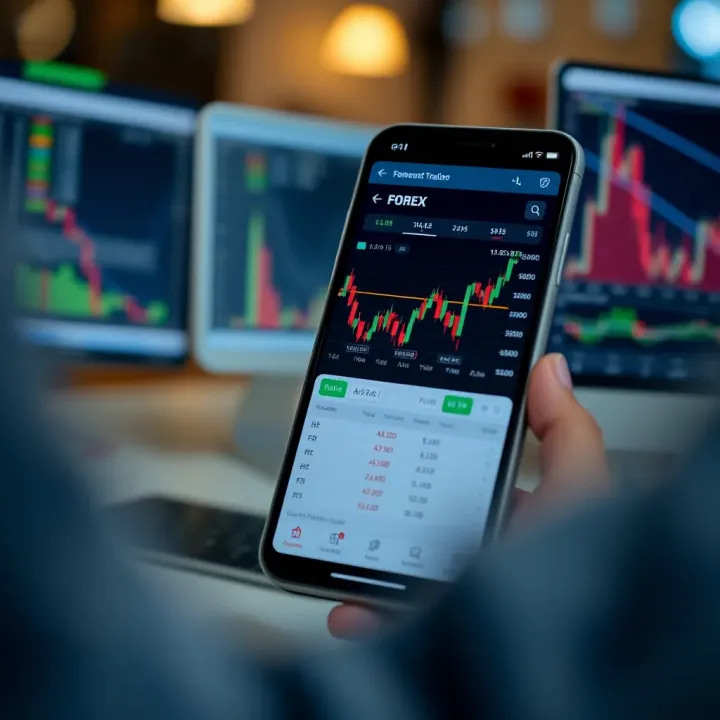
📱 Learn how to pick and use the best forex trading app in South Africa, including key features, local rules, risks, and handy tips for effective trading on the go.
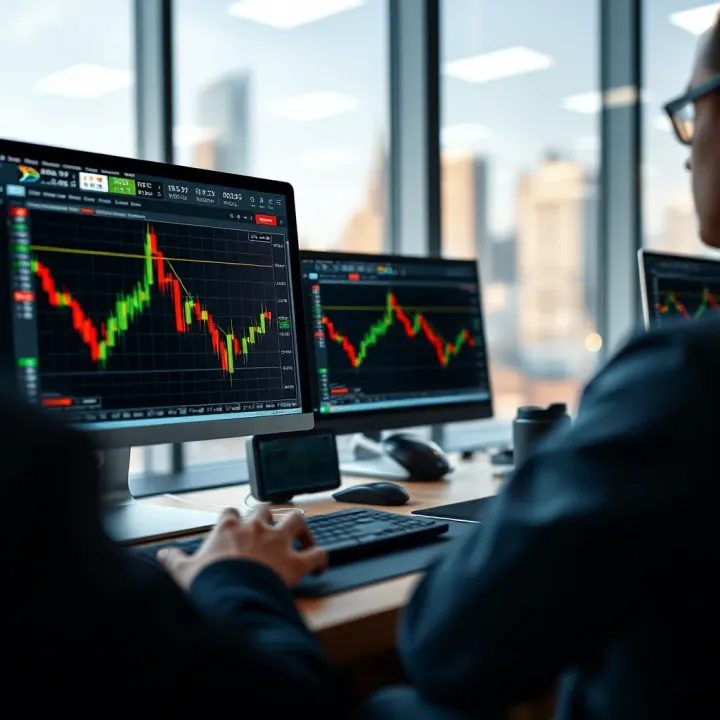
🔍 Explore how to pick the right forex broker in South Africa — from regulation and platform options to costs, security, and account features to match your trading plans.
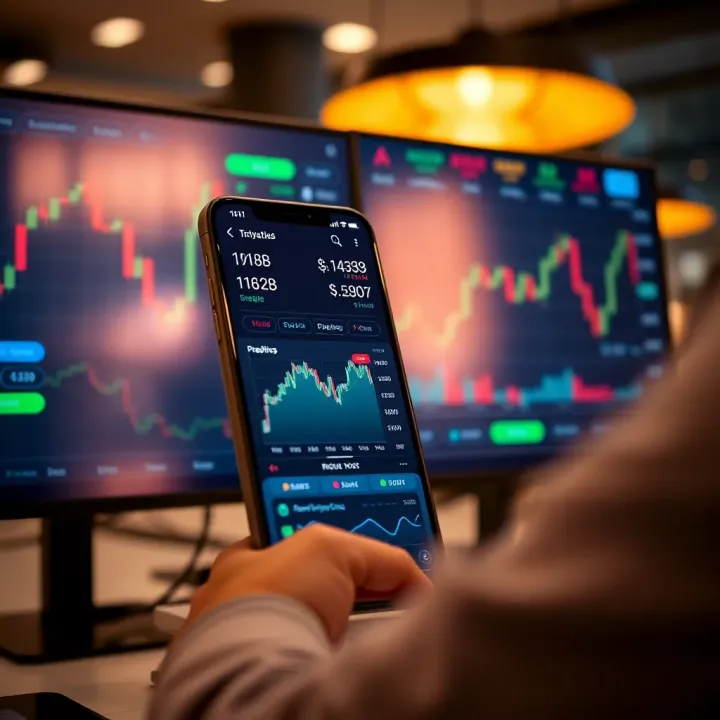
Discover how to pick the easiest trading app for South Africans 🇿🇦. Compare costs, security, and more to trade shares confidently and avoid common mistakes 📈.
Based on 9 reviews