

Forex Trading Hours for South African Traders
📈 Learn how Forex trading times impact South African traders. Explore key sessions, time zones, and tips for optimal trading liquidity and volatility. 🌍
Edited By
Rebecca Hughes
The forex market operates differently from stock exchanges, thanks to its global nature and decentralised system. Unlike markets tied to a single city or country, forex trading runs across various financial centres worldwide, following the sun from Sydney to New York. Traders in South Africa often wonder what happens to forex trading over the weekend — after all, the hours outside the regular working week can influence positions and strategies.
Generally, forex trading is closed from Friday evening until Sunday evening. This pause is linked to the clearing of transactions and the maintenance of systems rather than a set trading schedule. The market officially shuts down in most regions by 10 pm SAST (South Africa Standard Time) on Friday, reopening around 9 pm on Sunday. These hours coincide broadly with the closing and opening of key sessions in global financial hubs.

The time zones involved play a key role in when trading is open or closed. For example, when it’s Sunday evening in South Africa, it’s already Monday morning in Sydney, where the new trading week begins. Weathering this transition helps traders prepare for new market trends influenced by overnight developments in Asia and Oceania.
Weekend closures provide a breather from the rapid forex fluctuations but also bring risks due to potential gaps once the market reopens on Sunday night.
For traders in Mzansi, this break means that positions held over the weekend could face unexpected changes once markets resume. Being aware of this downtime is crucial. Some brokers offer limited weekend trading on certain currency pairs or derivatives, but this is far from the norm and usually comes with less liquidity and wider spreads.
South African traders should use weekends to review strategies and manage risks. Closing vulnerable trades or setting stop-loss orders before the weekend can avoid sharp losses caused by sudden price moves at the reopening. Also, keep an eye on global news over weekends, as unexpected geopolitical or economic events can shake up markets once they’re live again.
Understanding these hours will help you navigate the forex market’s pulse beyond the regular workweek. Planning ahead and recognising the quiet moments is just as important as reacting fast during the busy sessions.
Understanding forex trading hours during the week helps traders manage their activities and expectations. The forex market operates 24 hours a day during weekdays, but this round-the-clock nature depends on several global time zones and regional sessions. For South African traders, knowing when different sessions open and close is crucial to timing trades effectively, avoiding periods of low liquidity, and reducing exposure to unexpected price gaps.
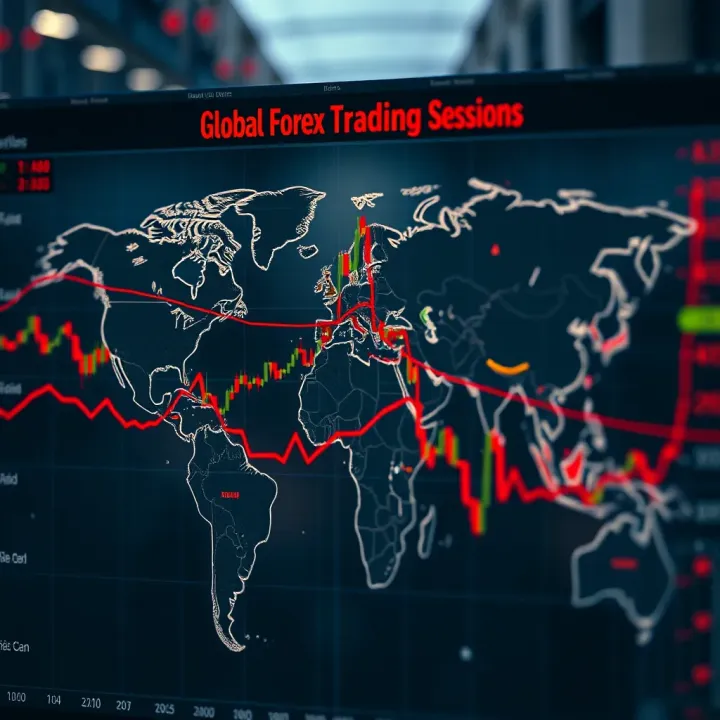
The forex market is divided mainly into four major trading sessions: Sydney, Tokyo, London, and New York. Each reflects the business hours of important financial centres around the globe. For instance, the London session runs roughly from 9 am to 5 pm UK time, while the New York session starts at 8:30 am and closes at 5 pm Eastern Time. These sessions create waves of market activity as each opens and closes.
For a South African trader working on South African Standard Time (SAST), the London session aligns closely with the local business day, starting around 10 am SAST and closing at 6 pm. The New York session begins roughly at 2:30 pm SAST and ends at 10 pm, while the Asian sessions are active overnight and early morning from a South African perspective.
Trading activity in forex peaks during overlap periods when two major sessions run simultaneously. The London-New York overlap (roughly 2:30 pm to 6 pm SAST) offers the highest liquidity and tighter spreads because many big financial institutions are active. This is when currency pairs involving the USD and EUR typically see the most movement.
Similarly, the Tokyo-London overlap, though shorter and with usually lower volumes, can present unique opportunities for trading Asian-related currency pairs. Recognising these overlaps helps traders in South Africa schedule trades when market action is briskest, improving execution and reducing slippage.
Forex doesn't have a central exchange, so trading hours depend on financial hubs opening and closing, sequentially passing market activity around the globe. Sydney marks the start of the trading week on Monday morning, while New York wraps it up late Friday.
Sessions open and close according to local time zones, but the continuous handover means forex is "open" nearly 24 hours weekdays. South African traders must adjust their schedules to these times. For example, if you're targeting London session volatility, you'll want to be active during South African mornings to mid-afternoon.
Liquidity — the ability to buy or sell without pushing the price — varies with the market session and time of day. Liquidity tends to be highest during overlaps of major sessions when more participants are trading simultaneously.
Outside the overlap hours, especially in the Asian session from a South African view (around late evening to early morning), market volumes thin out, which can widen spreads and increase volatility unpredictably. For instance, trading EUR/USD around midnight SAST could mean facing less competition and bigger price swings.
Knowing the daily rhythm of forex sessions and their liquidity patterns helps you trade smarter, avoiding low-volume traps and timing your entries for better execution and risk management.

In summary, understanding the forex market’s global time zones and typical trading hours arms you with a strong framework for planning and adjusting your strategies over the week. This knowledge proves especially handy when managing weekend exposures and setting realistic expectations about what happens to your trades when the markets shut down over the weekend.
Understanding why forex markets close over the weekend is essential for traders aiming to manage risk and expectations effectively. Unlike stock exchanges, forex operates globally, but it still depends heavily on banking systems and financial institutions, which follow traditional working hours. Over weekends, major banks and financial institutions shut down, halting most trading as there is little to no liquidity. This downtime helps maintain an orderly market.
Banks and financial institutions act as the backbone of forex trading. They facilitate transactions between buyers and sellers across different currencies. When these entities close over weekends and public holidays, trading activity drops sharply. For example, South African banks observe both local and international public holidays, leading to limited forex market activity around these dates. When banks are closed, electronic fund transfers and settlements pause, reducing trading opportunities and increasing transaction risks.
Forex trading involves complex settlement processes, where money changes hands between parties. These often require at least two business days to complete, known as T+2 settlement (trade date plus two days). To process and clear these transactions accurately, the market needs downtime to reconcile trades and verify funds. For instance, closing over weekends allows institutions to settle accounts and prepare for the next trading week without pressure from ongoing trades. This pause prevents errors and potential default, which is crucial in maintaining market confidence.
When the forex market reopens on Sunday evening SAST, it can exhibit price gaps compared to the previous Friday’s close. This happens because information and events over the weekend — like geopolitical tensions or economic announcements — accumulate without immediate market reaction. For example, if a significant development occurs during the weekend, traders return Monday to find the price levels have jumped, creating gaps. These gaps can trigger rapid price moves, making it riskier for traders holding positions over the weekend.
Price gaps can lead to unexpected losses, especially if stop-loss orders are beaten due to sudden moves at market open.
While markets sleep, world events do not stop. Political unrest, central bank decisions, or natural disasters may occur over weekends and influence currencies when markets reopen. South African traders, for example, must keep an eye on global news sources during the weekend to gauge what might disrupt the USD/ZAR pair on Monday. Weekend closures force traders to rely on news updates and prepare for volatility bursts when trading resumes.
Knowing why forex markets close over weekends helps traders plan better and avoid surprises linked to these pauses in trading.
Trading forex over the weekend isn't quite the same as during the week. Usually, the main forex market closes on Friday evening and reopens on Sunday evening SAST, leaving the market inactive during most of the weekend. However, some platforms do offer limited access to trading outside normal hours, which requires understanding the differences in availability, liquidity, and products. South African traders should be aware of these distinctions to manage risks and spot potential opportunities.
Most traditional forex brokers in South Africa and beyond close shop over the weekend. This is mainly because the interbank market—the backbone of forex liquidity—is offline during this time. That said, a handful of platforms do provide weekend trading, but they tend to be niche or operate through derivatives rather than spot forex. For instance, brokers like IG or Plus500 may offer CFD (contract for difference) trading on forex pairs during the weekend, though the options remain limited.
Weekend trading platforms usually operate with reduced market depth. The absence of major banks and institutions means liquidity dries up, impacting execution speeds. Traders might notice wider spreads—the difference between buying and selling prices—which raises trading costs noticeably. This lower liquidity also means price movements can be more erratic, increasing the risk of slippage (orders filled at unfavourable prices).
With most traditional forex pairs offline, cryptocurrency markets step into the spotlight for weekend traders. Cryptos like Bitcoin and Ethereum trade around the clock via platforms such as Luno or VALR, which are popular in South Africa. This constant availability offers a genuine alternative to forex trading during weekends, albeit with a different risk profile given cryptocurrencies’ notorious volatility.
Besides crypto, some brokers provide access to weekend forex derivatives. These are financial contracts based on forex pairs but don’t involve direct currency exchange. Because they rely on underlying price movements rather than actual interbank trades, derivatives can operate beyond regular forex hours. For example, weekend CFDs on USD/ZAR might be available, letting traders speculate even when the main forex market is closed. Do note, these derivatives can carry different margin requirements and fee structures.
Weekend trading requires adjusting expectations: fewer platforms, wider spreads, and limited products, but also unique opportunities especially with cryptocurrencies and derivatives.
Knowing how weekend forex trading varies helps South African traders decide when to hold back and when to explore alternative markets. It’s about balancing risk with the chance to act on events outside regular market hours.
Managing your forex positions ahead of the weekend is a smart move for anyone serious about trading. Since the forex market closes from Friday evening until Sunday evening (SAST), open positions are exposed to risks that don't exist during regular trading hours. Getting a handle on these risks and planning accordingly can help protect your capital and control your mindset.
Gap risk refers to the risk that prices will shift significantly between the market's Friday close and its Sunday open. Since no trades happen over the weekend, events such as geopolitical developments, economic announcements, or other unexpected news can cause price gaps. For example, if a major US economic report released over the weekend surprises the market, the opening price on Sunday evening could jump sharply compared to Friday's close. This can result in unexpected losses, especially if you had stop-loss orders set too close.
Because markets remain closed, you can't react immediately to unwind or adjust positions. Many traders experienced this during times of heightened tension, like Brexit vote nights, where price gaps led to sudden account swings. It's wise to reduce exposure or close high-risk positions going into the weekend to avoid being caught off guard.
Planning stop-loss and take-profit orders is crucial before the weekend. Ideally, you'd set these orders at levels that factor in potential weekend volatility and gap risk. Tight stop-losses might get triggered quickly if prices gap, causing losses larger than expected or slippage. Conversely, too-wide stops may expose you to unnecessary risk.
A practical approach involves placing stops and limits at key technical levels, such as strong support or resistance zones, rather than arbitrary points. For instance, if the EUR/USD pair tends to respect the 1.0800 level, consider that when placing orders. It’s also wise to review pending orders and ensure they won’t lead to unwanted trades the minute the market reopens.
Adjusting for SAST timing is key for local traders. South African Standard Time is UTC+2, which means the forex market closes late Friday afternoon or early evening local time and opens again Sunday evening. Knowing this helps you schedule when to review your trades and manage risks. For instance, you might want to finalise all adjustments by 5 pm Friday to avoid rushed decisions at the last minute.
Keeping an eye on the market hours of major forex centres helps too. London closes around 10 pm SAST, New York closes around 9 pm SAST on Friday. This timing influences liquidity and volatility just before the weekend, so plan your trades with these in mind.
Using market news sources during the weekend helps maintain awareness of any developments that could impact your positions. Although the forex market doesn’t trade during the weekend, news doesn’t stop. Staying updated means you can prepare mentally for Monday’s market open or make plans to close or adjust positions first thing when trading resumes.
South African traders often use platforms like Investing.com, Bloomberg, or local news outlets that provide weekend economic analysis and geopolitical updates. This gives a leg up to anticipate possible market moves early on Monday. For example, if reports emerge about political unrest in a key emerging market, you can consider how that might affect related currency pairs.
Staying ahead of weekend risks requires planning and paying attention, but it pays off by reducing surprises and stress when the market reopens.
In short, managing forex positions before the weekend means assessing gap risks, smartly placing stop-loss and take-profit orders, aligning your schedule with local time zones, and keeping a finger on the weekend’s pulse through trusted news sources. For South African traders, this hands-on approach minimises downside while keeping opportunities in sight.
Weekend forex trading attracts attention because it offers extra hours to investors looking to catch moves outside standard sessions. However, it’s not a simple extension of weekday trading. Understanding the opportunities and obstacles connected with this is key for serious traders.
Weekend forex trading presents some clear advantages, especially for those who can’t monitor markets during the busy workweek. For example, traders juggling 9-to-5 jobs may find weekend trading slots handy, allowing them access to currency pairs and crypto markets when they have free time. Weekend sessions also occasionally react to geopolitical or economic news released on Saturdays or Sundays, providing opportunities to act before regular market openings.
On the downside, weekend trading suffers from lower liquidity and wider spreads. This lack of market depth means price movements can be more volatile and less predictable. For most retail traders, this adds risk rather than reducing it. Moreover, not all currency pairs are available or actively traded on weekends, limiting strategies and diversification. Hence, weekend trading suits traders who can handle heightened risk and operate with a solid risk management plan.
South African brokers generally follow international standards by closing the forex spot market over weekends, reflecting global bank holiday practices. That said, some brokers provide access to CFDs (Contracts for Difference) linked to forex or cryptocurrencies 24/7. These brokers establish their own weekend hours, often with reduced liquidity and increased spreads.
Clients should check broker policies carefully, especially regarding platform access and customer support during weekends. Some platforms might allow orders to be placed offline or scheduled for the Monday open, while others permit live trading on a limited product range. Understanding these nuances helps traders avoid surprises when trying to trade over weekends.
Weekend forex trading often comes with higher costs. Brokers typically widen spreads or may charge extra fees for accessing markets outside regular hours, reflecting the added risk and lower liquidity. For instance, trading a major pair like EUR/USD on the weekend might involve spreads twice as wide as weekday sessions.
Swap or overnight fees can also vary during the weekend. Since the forex market is closed from Friday evening to Sunday evening, swap rates usually cover these days but may be charged differently by brokers. South African traders should confirm these terms because hidden costs can quickly erode profits, especially when holding positions over the weekend.
Weekend forex trading offers flexibility but demands caution. Lower liquidity, higher costs, and broker-specific terms mean it’s not a place for inexperienced or casual traders without thorough preparation.
Choosing to trade forex over the weekend requires weighing these factors against one’s goals, risk appetite, and broker offerings. For many South Africans, focusing on weekday sessions while using weekends for research and strategy adjustment remains the safer approach.
📈 Learn how Forex trading times impact South African traders. Explore key sessions, time zones, and tips for optimal trading liquidity and volatility. 🌍

🌍 Learn how forex trading time zones affect market moves and discover key trading sessions📈. Tips for South African traders to pick the best hours!

📚 Discover top books for forex trading that cover beginner basics, advanced tactics, psychology, and practical tips tailored for South African traders and the global market.
Discover the best forex trading hours in South Africa 🕒. Learn about global sessions, overlaps, time zones, and tips to boost your market moves effectively.
Based on 11 reviews