
Forex Trading Guide for South Africans
Discover how to trade forex confidently in South Africa 🇿🇦. Learn market basics, strategies, risk tips, legal rules & practical steps to start trading today. 📈💡
Edited By
Charlotte Webb
Forex trading involves buying and selling currencies on a global marketplace, aiming to profit from fluctuations in exchange rates. For South African traders, this space offers both opportunities and risks, shaped by factors like rand volatility, local regulations, and access to affordable technology.
Understanding the basics is essential before diving in. Currency pairs such as USD/ZAR or EUR/USD trade continuously during weekdays, and prices vary due to economic indicators, geopolitical events, and central bank decisions. Unlike stocks, the forex market operates 24 hours, allowing traders in South Africa the flexibility to engage when it suits them — whether it's early morning before work or late at night.
It's not just about picking any broker or jump on the trend, though. South African traders must ensure their brokers comply with regulations from bodies like the Financial Sector Conduct Authority (FSCA). Choosing a regulated broker protects your funds and guarantees fair practices. Brokers offering local features like rand-denominated accounts and support for common payment methods, including EFT and credit cards, can make trading smoother.
Practical tools matter as well. Reliable charting platforms, live price feeds, and economic calendars allow traders to stay informed. Many platforms offer demo accounts, giving you a chance to test strategies without risking real cash. And in a place where data costs can be steep, choosing mobile-friendly and data-efficient platforms helps keep expenses down.
Risk management deserves special attention. The forex market can move quickly, especially when events like unexpected interest rate changes or political announcements hit. Using stop-loss orders, setting sensible position sizes relative to your account balance, and avoiding overleveraging helps protect your capital. For instance, risking more than 2% per trade typically increases chances of significant losses.
Successful forex trading in South Africa demands local awareness—understanding how rand moves, being aware of regulatory requirements, and managing your risks carefully. Without these, you’re just spinning the wheel.
This guide will break down the essentials, from choosing your broker to mastering key strategies suitable for South African conditions. Armed with practical knowledge, you'll be better positioned to navigate the forex market confidently and avoid common pitfalls.
Grasping the basics of forex trading is key to navigating this fast-paced market confidently. For South African traders, understanding how the forex market operates, its structure, and its appeal unlocks practical advantages and helps manage expectations effectively.
Forex trading centres on exchanging one currency for another, typically in pairs like USD/ZAR or EUR/USD. Traders speculate on whether one currency will strengthen or weaken against the other. For example, if you believe the rand will weaken against the US dollar following political uncertainty, you'd buy USD/ZAR to profit from that move. Prices change based on supply, demand, and global economic factors, with trades executed instantly in the over-the-counter market.
The forex market never truly sleeps, operating across global time zones. Key sessions include London, New York, and Tokyo, each with varying volatility and trading volumes. For a South African trader, the overlap between London and Johannesburg market hours often means better liquidity and tighter spreads during local daytime. Knowing these sessions helps you plan your trades when markets are most active, avoiding quiet times when spreads can widen.
Leverage allows you to control a larger position with a smaller amount of capital, called margin. For instance, a leverage of 1:100 means with R1,000, you can open a trade worth R100,000. While this magnifies potential profits, it also increases risk significantly. South African brokers usually cap leverage to comply with regulations, which helps prevent overexposure. Managing leverage carefully protects you from blowing your trading account due to volatile moves in currency prices.
The forex market is the largest globally, with daily volumes exceeding $6 trillion. It’s accessible 24/5, requiring only an internet connection and a trading account. For many South Africans, the low barrier to entry, combined with the ability to trade from a smartphone or laptop anywhere, makes forex attractive compared to traditional investments like stocks or property.
Forex offers chances for quick gains due to high liquidity and tight spreads, but these come with heightened risk. The volatility of currency pairs can be a double-edged sword. For example, during the rand’s sharp depreciation in recent years, traders either made swift profits or faced steep losses. Successful traders focus on sound risk management, rather than chasing quick wins.
The rand’s performance is closely tied to South Africa’s economic health, commodity prices, and political events. Traders watch rand currency pairs keenly because fluctuations often reflect local factors like election outcomes or load-shedding impacts. This tie provides opportunities unique to South African traders — understanding local news can give you an edge when trading USD/ZAR or EUR/ZAR, as these pairs react to national developments differently than global majors.
Mastering the basics of forex trading and recognising the reasons it appeals, especially in the South African context, sets a solid foundation. It’s not just about chasing profits but understanding how the market ticks and the risks inherent in currency swings.
Selecting the right forex broker is a key step for any South African trader serious about entering the market. The broker acts as the bridge between you and the market, so their reliability, costs, and support can make or break your trading experience. For South Africans, additional factors like local regulatory compliance and convenient deposit methods play a big role.
South African traders should prioritise brokers that are regulated by the Financial Sector Conduct Authority (FSCA). This body oversees financial services providers and enforces rules to protect traders from fraud and unfair practices. Dealing with an FSCA-regulated broker means your funds are held in segregated accounts, separate from the company’s operational funds, adding an extra layer of security.
For example, brokers like IG or Standard Bank’s forex division meet these regulatory standards, giving traders peace of mind. Beware of offshore brokers that lack FSCA oversight; though they might offer tempting spreads, the absence of local regulation increases risk significantly.
Trading expenses vary widely between brokers and can impact your profitability. The spread—the difference between the buy and sell price—is often the most visible cost. Some brokers offer fixed spreads, while others provide variable spreads that fluctuate with market conditions.
Besides spreads, be alert to commissions per trade and additional fees such as withdrawal charges, inactivity fees, or deposit costs. For instance, a broker offering a low spread but charging hefty withdrawal fees might erode your gains. Compare the total cost across multiple brokers to find one that suits your trading style and budget.
A broker's trading platform should be user-friendly, stable, and responsive. South African traders often rely on mobile devices, so mobile app performance is equally important. Platforms like MetaTrader 4 and 5 remain standard due to their proven track record and extensive toolsets.
Imagine trying to place a trade during peak trading hours, only to face delays because of a clunky app. That’s a sure way to miss opportunities or suffer losses. Therefore, choose brokers that offer clean interfaces and reliable mobile apps with full functionality.
Local brokers generally offer services tailored to South African traders, including R-based accounts, local bank deposits, and FSCA-regulated protection. For example, GKFX and RMB offer such tailored access. On the other hand, international brokers like Pepperstone, FXTM, or IC Markets provide a broader range of currency pairs and sometimes tighter spreads but may not cater as smoothly to local banking or compliance needs.
Both have pros and cons. Local brokers often provide better client support in SA’s time zone and understand local market nuances. International brokers might bring advanced features and more competitive pricing but require extra care regarding regulation and funding options.
Most brokers provide several account types — standard, mini, or ECN accounts — to match different trading styles and capital levels. Look for accounts that allow low minimum deposits and support South African deposit methods like EFT, Instant EFT, or credit/debit cards.
Depositing via local methods usually avoids international transfer fees and slow processing times. For example, several brokers linked with South African banks enable near-instant R deposits, simplifying funding and withdrawals.
A broker’s customer service can save your skin if issues arise. Traders benefit from quick, accessible support channels—phone, email, live chat—with staff familiar with local concerns.
For instance, having support during South African trading hours means you’re not left hanging outside business hours in Europe or Asia. Furthermore, clear guidance on regulatory compliance and withdrawal processes builds trust and confidence, especially for newcomers.
Choosing the right broker is more than ticking technical boxes. For South African traders, it blends legitimacy, cost-effectiveness, and practical support connected to local realities. Taking the time to shortlist brokers based on these factors ultimately protects your investment and trading future.
Successful forex trading isn't just about luck; having the right strategies and tools dramatically improves your chances of profitable trades. This section breaks down common trading strategies and essential software that support decision-making. Whether you’re a beginner or experienced trader, applying these in the South African context helps you adapt to our unique market influences like rand volatility and economic shifts.
Technical analysis involves studying past price movements and chart patterns to predict future trends. In forex, traders focus on currency pairs’ price action, applying tools like moving averages, trend lines, or support and resistance levels. For example, a trader might spot a head-and-shoulders pattern on the USD/ZAR pair and anticipate a potential reversal. This approach suits those who prefer visual data over news-driven moves and helps identify entry or exit points.
Fundamental analysis examines economic indicators, news, and events that influence currency values. South African traders, for instance, pay close attention to SARB’s interest rate decisions, unemployment stats, or commodity prices impacting the rand. Keeping an eye on quarterly GDP reports or Eskom’s power cuts can also help anticipate market swings. This method complements technical analysis by providing context behind price moves, especially around market-moving events.
Managing your risk relative to potential reward is key to preserving capital and growing steadily. The risk-reward ratio compares the possible loss to the possible gain on a trade. A common approach is to target at least a 1:2 ratio, meaning the expected profit should be twice the amount risked. This discipline prevents chasing quick wins and encourages sound trade sizing and stop-loss placement. For example, if risking R500, the target profit should be at least R1,000.
Advanced charting software like MetaTrader 4 or TradingView allows you to analyse currency trends with various indicators—RSI, Bollinger Bands, Fibonacci retracements, to name a few. Such tools visualise market data and help clarify potential price moves. Many South African brokers offer these platforms, often with mobile versions, ensuring you can stay updated even while commuting.
Automated trading systems (also known as Expert Advisors or EAs) execute trades based on preset criteria without manual input. They can help avoid emotional decisions and maintain discipline by sticking to a defined strategy. While these tools can be powerful, they require careful setup and backtesting to ensure they suit your strategy and market conditions. South African traders must also factor in local broker compatibility and internet reliability when using automated systems.
Staying informed of global and local economic events is vital. Reliable news feeds and economic calendars list upcoming releases like SARB meetings, US non-farm payrolls, or China’s manufacturing data. Knowing when these events happen helps you anticipate increased volatility and plan trades accordingly. Popular economic calendars often allow personalised alerts, enabling South African traders to react quickly, be it during Eskom’s unexpected load shedding or global market shifts.
Using a blend of these strategies and tools tailors your forex trading approach to South Africa’s market pulses. Practical use of analysis methods, combined with technology, arms you against surprises and positions you for smarter trades.
Managing risk is the cornerstone of staying afloat in the fast-moving forex market, especially for South African traders navigating a currency influenced by local economic swings and occasional volatility. Avoiding common mistakes sharpens your edge and protects your capital, making your trading journey more sustainable and less stressful.
Stop-loss and take-profit orders are your first line of defence against unexpected market shifts. A stop-loss caps your loss by automatically closing a position at a set price, preventing spiralling losses that can wipe out your account quickly. Likewise, a take-profit order locks in gains by closing the trade once a set profit target is reached. For example, if you buy the USD/ZAR pair at R15.00 expecting profit but place a stop-loss at R14.80, you limit your risk to R0.20 per unit. This disciplined approach stops emotion from taking the wheel.
Position sizing means adjusting how much you trade relative to your available capital. Risking too large a portion of your account on a single trade can lead to devastating losses, while trading too conservatively might slow progress. A sensible rule is risking no more than 1-2% of your total capital per trade. So, if you have R50,000 in your trading account, limit your loss to R500–R1,000 for any one trade. This method maintains longevity in the market, helping you recover from setbacks without taking a big hit all at once.
Currency volatility can be brutal—prices might jump sharply, especially during local economic announcements or global events. Slippage occurs when a trade executes at a worse price than expected, often during sudden spikes or drops. To reduce these risks, avoid trading during highly volatile periods if you’re inexperienced, and use limit orders rather than market orders. For instance, trading USD/ZAR right after the South African Reserve Bank’s interest rate announcement may lead to price swings and slippage. Being cautious and setting predefined entry or exit points helps guard your capital.
One trap many fall into is overtrading, usually fuelled by the desire to “make up” for losses or the excitement of quick profits. This leads to more losses and emotional burnout. Discipline and patience are essential. Taking regular breaks, sticking to your trading plan, and reflecting on mistakes curbs impulsive moves. For example, after two losses in a row, a trader tempted to increase stakes dramatically is often chasing their tail rather than making smart decisions.
South African traders sometimes overlook the profound impact local issues—like loadshedding schedules, political developments, or commodity price shifts—have on the rand’s value. For example, a sharp rise in Eskom’s loadshedding stage often erodes investor confidence, resulting in rand weakness against the dollar. Keeping an eye on these local variables ensures you’re not blindsided and can time your trades better.
Unfortunately, the forex world has its share of dodgy operators. Some scammers target South African traders with promises of guaranteed returns, only to vanish with their clients’ money. Always verify the broker’s licence through the Financial Sector Conduct Authority (FSCA) or other recognised bodies. Using well-known brokers like IG, Pepperstone, or local FSCA-approved firms helps reduce risk. Never hand over personal documents or funds without thorough checks.
Managing risk well and steering clear of common mistakes isn’t about eliminating losses—it’s about protecting your pot and trading smart so you stay in the game longer.
By understanding these risk controls and pitfalls, you’re better positioned to trade confidently, aligning your strategies with South African market realities.
Starting your forex trading journey in South Africa means navigating a few practical steps and tapping into the right resources. This stage is essential because it lays the groundwork for a smoother trading experience, reduces costly mistakes, and helps you build confidence. From opening your first trading account to staying informed about the local economic climate, knowing these basics can save you both time and money.
To open a forex trading account in South Africa, brokers must comply with regulations from the Financial Sector Conduct Authority (FSCA) as well as the Regulation of Interception of Communications and Provision of Communication-Related Information Act (RICA). Practically, this means you’ll be asked to provide identification documents such as a valid South African ID, proof of address (like a recent utility bill), and sometimes monetary source verification. RICA compliance helps prevent fraud and money laundering, making the process more secure but also more detailed.
Before risking real money, every new trader should spend ample time on a demo account. These accounts let you trade with virtual funds in real market conditions without financial risk. For example, platforms like IG or Plus500 offer demo accounts specifically tailored for South African traders. Trying out different strategies and getting used to the platform’s features on a demo helps build trading discipline, so when you switch to a real account, you’re not flying blind.
South African traders can fund their forex accounts through various methods, including EFTs (electronic funds transfers), credit/debit cards, and increasingly popular eWallets such as Skrill or Neteller. Some brokers also accept deposits via local services like PayFast for quick, cost-effective transfers. It’s important to check the broker’s withdrawal terms carefully because delays or excessive fees can eat into your profits. Usually, withdrawing to your bank account involves additional verification, so keep your documents updated to avoid hassles.
Being part of local trader forums or communities, such as those found on MyBroadband or specific Facebook groups, helps you stay connected with market sentiment and learn from others’ experiences. These platforms often discuss how local events—like changes in the repo rate announced by the South African Reserve Bank—impact the Rand and forex markets. Engaging with peers offers insights beyond charts, giving you a clearer picture of practical trading realities.
There’s a growing range of courses designed with South African traders in mind, addressing local market conditions, regulatory matters, and currency pairs that matter here. Providers like Investopedia South Africa or even independent educators on YouTube offer accessible material explaining concepts using Rand examples, making it easier to relate. Learning in your own currency context helps internalise risk management and strategy application better than generic international courses.
Forex markets react sharply to economic news, and for South African traders, following local indicators is vital. Be sure to monitor announcements from SARS on tax changes, SARB’s repo rate decisions, and developments related to Eskom load-shedding, which can affect market confidence and currency strength. Besides financial news outlets, economic calendars tailored for SA can alert you to upcoming events affecting the Rand, helping you time trades more effectively.
Starting with the right practical steps and continuous learning equips you to trade forex in South Africa more confidently and responsibly. Always back your decisions with knowledge and stay connected to the local economic pulse.
Discover how to trade forex confidently in South Africa 🇿🇦. Learn market basics, strategies, risk tips, legal rules & practical steps to start trading today. 📈💡
🤖 Discover how auto forex trading software helps South African traders execute faster, reduce errors, and navigate forex markets with smart tools and local insights.
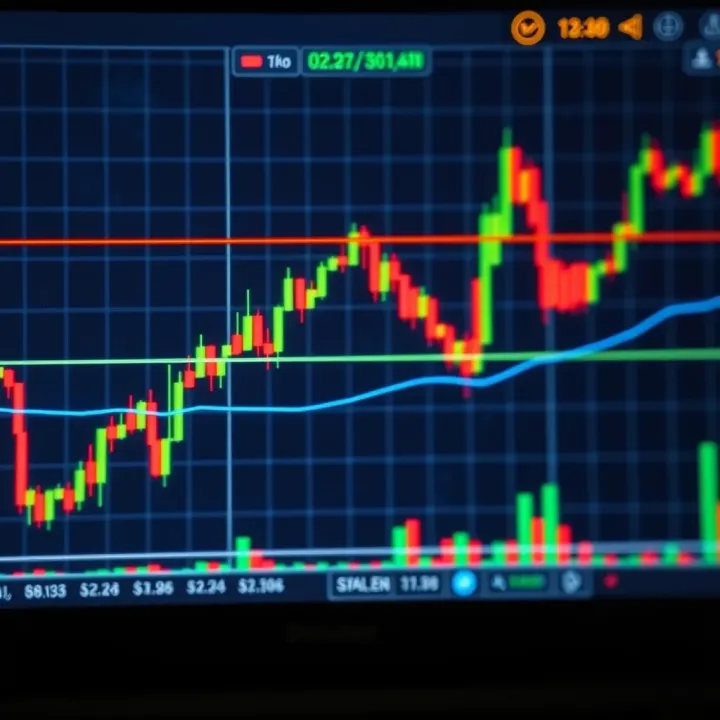
📊 Discover how forex trading signals guide South African traders on when to buy or sell currency pairs. Learn types, risks, benefits, and how to pick trustworthy signals.
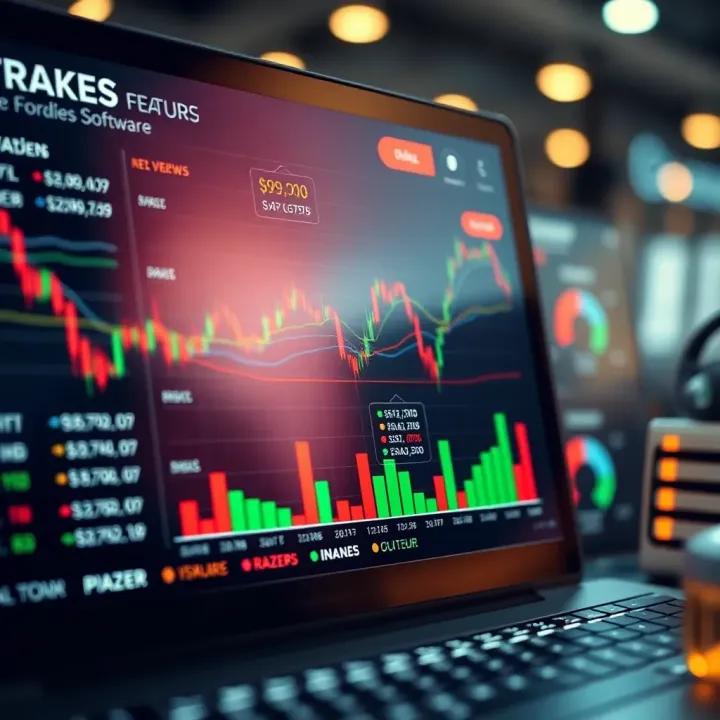
Discover the best forex trading software for South African traders 🇿🇦. Learn types, features, risks, and tips to choose and use platforms effectively 📊💻.
Based on 8 reviews