

Forex Trading Guide for South Africans
Discover how to trade forex confidently in South Africa 🇿🇦. Learn market basics, strategies, risk tips, legal rules & practical steps to start trading today. 📈💡
Edited By
Laura Simmons
Auto forex trading involves using computer programmes that automatically execute currency trades based on predefined strategies. Unlike manual trading, where you monitor the forex market and decide when to buy or sell, auto trading software handles that work for you. This approach aims to minimise human error, react faster to market changes, and operate without emotional interference.
In South Africa, where the forex market operates 24 hours a day with significant international influence, auto trading offers a way to keep up with fast-paced price movements even when you're not glued to your screen. For example, a trader might use software that opens or closes positions on the USD/ZAR pair according to preset criteria like technical indicators or economic news triggers.
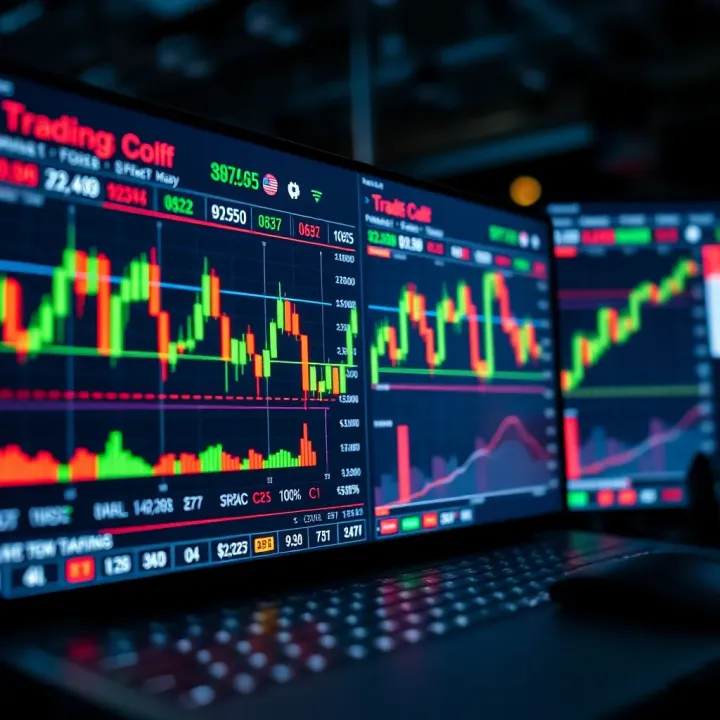
While auto forex trading isn't a set-and-forget solution, it helps you manage multiple markets or strategies more efficiently.
Most auto trading systems use algorithms that analyse chart data, news feeds, and market trends to identify trading opportunities. Popular platforms supporting these include MetaTrader 4 and MetaTrader 5, widely used in South Africa. Traders can programme their own strategies or choose from ready-made expert advisors (EAs).
Some key benefits include:
Consistent execution: Automated trades stick to your rules without hesitation.
Speed: Software reacts instantly to market movements.
Time-saving: Less manual monitoring needed, freeing you for other tasks.
However, it's important to remember that auto trading does carry risks. Poorly designed algorithms can lead to rapid losses, especially during volatile events like SARB interest rate announcements or unexpected political developments.
South African traders should consider factors like the reliability of their internet connection, broker quality, and strict compliance with local regulations, including the Financial Sector Conduct Authority (FSCA) guidelines.
Overall, auto forex trading is a practical tool that, when used wisely, can improve trade efficiency and provide an edge in the competitive currency market.
Understanding how auto forex trading functions is vital for any trader wanting to navigate the currency markets effectively. This system automates the buying and selling of currency pairs using software, reducing the need for continuous manual oversight. For South African traders, whose markets are impacted by unique regional factors such as time zone differences and loadshedding, automated systems offer consistent market participation without the constraints of human limitations.
Defining auto forex trading: Auto forex trading involves using computer programmes that follow predefined rules to execute trades in the forex market. Traders can set parameters for entry, exit, and risk management, allowing the software to act on their behalf. This approach suits South Africans who want to engage in forex trading beyond regular business hours or those unable to monitor the market constantly. It works somewhat like having a knowledgeable assistant who never sleeps and acts immediately when market conditions meet specific criteria.
Role of algorithms in trade execution: At the heart of automated trading are algorithms — sets of step-by-step instructions that analyse the market and make decisions. These algorithms process real-time data like price movements, volume, and economic indicators, then trigger trades instantly. This speeds up reaction times dramatically compared to human traders, which can be crucial during volatile events like sudden rand fluctuations against the US dollar or euro.
Types of auto forex trading platforms: Various platforms cater to different trader needs. Popular choices include MetaTrader 4 and 5, which offer user-friendly interfaces and support for custom indicators and Expert Advisors (EAs). Then there’s cTrader Automate, favoured for its advanced algorithm coding options and transparent pricing. Social trading platforms like ZuluTrade allow users to follow or copy experienced traders, blending automation with community insights. Selecting the right platform hinges on your strategy complexity, technical skills, and broker compatibility within South Africa.
Trend following and momentum strategies: These strategies focus on riding the wave of market direction. The algorithm identifies when a currency pair, for example, ZAR/USD, shows a clear upward or downward trend and then enters trades to profit from sustained moves. Momentum strategies look for acceleration in price changes, capitalising on bursts of activity. Such methods work well when markets show distinct directional behaviour, often during economic releases or geopolitical news impacting currencies.
Range trading and scalping: Range trading targets periods when prices hover within a horizontal band. Automated systems buy near support levels and sell close to resistance. Scalping, on the other hand, aims for many small, quick trades to profit from minor price fluctuations. This requires fast execution and low spreads, so South African traders using these need to ensure their brokers offer competitive costs and reliable connections even during Eskom-related power disruptions.
Signal-based versus rule-based systems: Signal-based systems rely on external indicators or third-party signals to trigger trades. For example, a signal might be based on moving averages or RSI thresholds provided by a market analyst or algorithm. Rule-based systems strictly follow preset criteria without external inputs — if conditions meet, trade executes. Both have merits: signal-based can adapt to varying market situations, while rule-based often offers clarity and simplicity, essential for maintaining control in automated trading.
Auto forex trading works best when the system and strategy align closely with your risk tolerance and market understanding. Especially for South African traders, matching technology to local realities like available internet stability, regulation, and market opening hours makes a tangible difference.
By grasping these core elements of how automated forex trading operates, you can better decide which approach suits your trading style and objectives in the local context.
Auto forex trading offers practical tools for South African traders aiming to stay active in currency markets without constant manual input. While the technology brings clear benefits, it's equally crucial to understand the risks involved. The following sections explore how automation can help and where it might trip you up.
Automated trading systems run continuously, keeping an eye on the global forex markets day and night. Since forex operates across different time zones, market moves can happen when you're off-duty or asleep. For example, while you enjoy your evening braai in Johannesburg, the New York or Tokyo markets might be shifting dramatically. With auto trading, your system can spot opportunities and execute trades without you lifting a finger.
This nonstop presence means you don't miss pricey moments that might occur while you're busy with work, family, or even during that loadshedding blackout. It also means you don't have to stare at screens for hours on end, which can be draining and error-prone.
Placing trades manually can be a rollercoaster of emotions—fear, greed, hope, and panic often sway decisions. Many traders exit too early or become stubbornly stuck in losing positions because emotions cloud judgement. Automated systems stick to preset rules, preventing knee-jerk reactions.
For instance, when the rand unexpectedly weakens, an emotional trader might hold on hoping for a rebound. An auto trading robot, however, follows its algorithm to cut losses or take profits as programmed. This discipline can save capital and improve long-term results.

Manually tracking and trading several currency pairs can be overwhelming. An automated system can handle several pairs at once, scanning for signals and executing trades based on your strategy. This capability is particularly useful for traders who want exposure across USD/ZAR, EUR/ZAR, GBP/ZAR, or even exotic pairs without splitting their attention.
Imagine trying to watch five screens simultaneously and act fast enough on changing conditions. The software does this easily, freeing you to focus on broader strategy or other pursuits.
No system is foolproof. Connectivity issues, software bugs, or power outages can interrupt auto trading. In South Africa, loadshedding poses a real risk to uninterrupted online trading. Imagine your bot executing a trade just as your modem goes offline — this could lead to missed exits or entries, costing money.
To mitigate this, it’s wise to use backup power solutions like UPS devices or solar inverters and maintain a reliable internet connection. Regular software updates and monitoring also help catch glitches early.
Auto trading strategies often use historical data for backtesting. It's tempting to fine-tune a system so it performs perfectly on past data. However, excessive tweaking—known as over-optimisation—can make the system too tailored to history, failing badly when faced with live market conditions.
For example, a bot might perform brilliantly on rand-dollar data from 2019 but fall flat during the Covid-19 market turmoil. Traders need to avoid overfitting and test with out-of-sample data to ensure robustness.
Automated systems usually work best in trending or stable markets. In highly volatile or choppy conditions, which South African traders sometimes face due to local economic news or political events, bots can lose money fast. Sudden moves, gaps, or flash crashes can confuse rule-based systems.
Human discretion can sometimes outperform automation during these times by adapting quickly to news or shifting trends. That’s why smart traders know when to switch off their bots or reduce reliance on them during uncertain periods.
Using automated forex trading tools thoughtfully means knowing their strengths and weaknesses. The goal is to benefit from continuous, unbiased trading while managing risks tied to technology and changing markets.
In short, auto forex trading isn't a magic wand but a useful instrument if approached sensibly, particularly by South African traders dealing with local challenges and global market rhythms.
Automated forex trading depends heavily on the right tools and platforms. For South African traders, choosing well-established software that suits local market conditions is key. These platforms provide not only access to global currency markets but also allow integration with local brokers and payment methods, enhancing usability and security.
MetaTrader 4 and 5 remain the most widely used platforms for auto forex trading, prized for their user-friendly interface and powerful features. South African traders benefit from their vast community support and an extensive library of expert advisors (EAs)—automated trading robots that execute strategies without human intervention. MetaTrader supports backtesting, which helps traders test strategies against historical data before going live, reducing the risk of costly mistakes.
cTrader Automate offers a modern alternative tailored for those seeking advanced customisation. It comes with cAlgo, a feature for creating automated trading robots and custom indicators using C#. This appeals to South Africans with programming skills who want finer control over their automation. Unlike MetaTrader’s older scripting language, cTrader’s environment can integrate smoothly with other .NET tools, offering flexibility for complex strategies.
ZuluTrade is a robust social trading platform that bridges automated trading with community insights. In this setup, South African traders can follow or copy successful strategies from experienced traders around the world. This can be particularly useful for beginners or those short on time, allowing them to leverage the expertise of others while maintaining control over risk settings.
Choosing brokers regulated by South African authorities like the FSCA (Financial Sector Conduct Authority) is vital. Such brokers offer better protection and compliance with local laws. For example, brokers like CM Trading or HOTForex have strong local presences, ensuring faster customer support and easier dispute resolution. This local backing also means traders can expect smoother platforms and fairer pricing tailored to Mzansi’s market conditions.
Payment methods for funding and withdrawals must comply with the Financial Intelligence Centre Act (FICA), requiring proof of identity and residence to prevent fraud and money laundering. Popular options include EFTs (electronic fund transfers), credit cards, and e-wallets like Skrill or Neteller, provided they verify client details and adhere to local regulations.
Given South Africa’s recurrent loadshedding, traders must consider uninterrupted power supplies or backup options when running automated systems. A sudden power cut can halt trades or leave orders unexecuted, wiping out profits or escalating losses.
Loadshedding’s impact goes beyond mere inconvenience. Many active South African traders use UPS devices or invest in solar power to keep their computers and modems running during outages. This technical readiness can make the difference between a successful trade and a missed opportunity, especially when the market is volatile.
By carefully selecting the right combination of trading platforms, local brokers, and payment channels, South African traders can effectively capitalise on auto forex trading while navigating the unique challenges of their environment.
Setting up and managing an automated forex trading system is where the rubber meets the road for South African traders looking to benefit from autopilot trading. It’s not just about installing a fancy programme; it involves careful planning, configuration, and ongoing oversight to ensure the system adapts to market shifts and local conditions like loadshedding impacts or brokerage rules. When done right, it can save time, minimise emotional trading errors, and capture opportunities around the clock.
Choosing the right software is the first big step. You want a stable, well-supported platform compatible with your broker—MetaTrader 4 or 5 and cTrader Automate are popular choices with South African traders. After selection, installing the software is typically straightforward but requires attention to detail, especially regarding required plugins or API keys from your broker. For example, if you trade via a local broker like IG or FXTM South Africa, make sure the software integrates smoothly with their system.
Once the software is set, configuring your trading strategy and risk settings tailors the system to your trading style and risk appetite. Setting parameters such as stop-loss levels, take-profit points, and maximum exposure helps protect your account from large, unexpected drawdowns. For instance, a cautious trader might limit risk per trade to 1% of their capital, while a more aggressive trader may take higher risks to maximise gains. These settings affect how the algorithm will behave in different market conditions.
Before going live, backtesting your chosen strategy against historical data lets you see how it would have performed under past market conditions. It highlights strengths and weaknesses you might otherwise miss. Following that, demo trading with virtual funds mimics live conditions without risking real money, offering valuable experience and confidence. Both stages are crucial to avoid launching a strategy prone to heavy losses or technical glitches once real capital is involved.
Even automated systems need a human touch during volatility spikes, such as sharp rand-dollar swings due to unexpected political or economic news. Monitoring helps you decide when to pause or adjust your system to avoid unnecessary losses. Performance tracking tools built into most platforms provide real-time insights on trades executed, profits, and losses, making it easier for you to stay on top.
Forex markets don’t stand still, especially with South Africa’s unique economic factors like fluctuating commodity prices or interest rate changes by the South African Reserve Bank (SARB). It’s vital to regularly update your trading strategies to reflect new realities. For example, a strategy relying heavily on trend following may underperform during rangey periods brought on by uncertain SARB rate decisions.
Unexpected events such as connectivity drops, loadshedding blackouts, or broker downtime can disrupt automated trading. Having contingency plans—like switching to backup power sources (UPS or generators), choosing brokers with robust infrastructure, or temporarily disabling automation during severe outages—can save your trades from going astray. Always set alerts for system failures and keep mobile access ready to intervene if needed.
Successful auto trading blends smart technology with active management. While it frees you from staring at charts 24/7, you still need to steer the ship when the seas get rough or conditions change.
In South Africa’s challenging trading environment, balancing automation with clear oversight is key to making auto forex trading a viable and effective tool in your arsenal.
Navigating the forex market as a South African trader means not just understanding the mechanics of auto trading, but also respecting legal frameworks and ethical standards. These considerations help you avoid costly pitfalls, safeguard your investments, and maintain trust within the trading community. Let’s walk through the key regulatory and ethical points to keep in mind.
The FSCA oversees financial markets in South Africa, including forex trading activities. It regulates brokers and financial service providers to ensure they operate fairly and transparently, aiming to protect traders from scams and poor practices. For local traders using automated forex systems, working with FSCA-regulated brokers adds a layer of security and peace of mind.
South African brokers must follow strict regulations, including adherence to the Financial Markets Act and requirements to follow Anti-Money Laundering (AML) and Financial Intelligence Centre Act (FICA) rules. This means brokers must verify your identity and source of funds before you start trading, whether manually or automatically. Choosing brokers registered with the FSCA also guarantees compliance with leverage limits and client fund segregation, essential when using automatic trading to avoid exposure to excessive risks.
Unlicensed auto trading platforms often operate outside regulatory oversight, increasing the chance of fraud or malfunction. They might promise unrealistic returns or hide critical risk factors. South African traders should steer clear of such services. Double-check licensing status via the FSCA register and be wary of offshore platforms without local backing. Remember, an unregulated service may not uphold the same standards for data security, transaction transparency, or dispute resolution.
Auto forex trading rigs should openly disclose how their algorithms operate, including risks and expected behaviours. Transparency helps traders make informed decisions about strategy suitability and risk exposure. Fair use involves avoiding over-automation that manipulates market prices or exploits technical loopholes unfairly.
Certain algorithmic strategies can unintentionally or deliberately distort market prices, such as quote stuffing or spoofing. These practices harm market integrity and are illegal under South African and international laws. Ethical traders must design and monitor their automated systems to prevent actions that could be classified as manipulation, ensuring their activities align with legal standards and community trust.
Leverage boosts potential profits but can quickly multiply losses, especially when employed through automated systems that might execute multiple trades rapidly. Ethical auto trading respects prudent leverage use and incorporates safeguards, such as stop-loss orders and regular strategy reviews. South African traders should be especially cautious, considering local economic volatility and the impact of global events on currency swings.
Adhering to legal and ethical standards isn’t just about compliance — it’s about building sustainable trading habits that protect your capital and reputation.
In summary, understanding and following the FSCA’s regulations, choosing licensed and transparent brokers, and applying ethical practices in auto forex trading build a foundation for responsible, informed, and successful trading in South Africa’s dynamic forex environment.
Discover how to trade forex confidently in South Africa 🇿🇦. Learn market basics, strategies, risk tips, legal rules & practical steps to start trading today. 📈💡
📊 Discover how forex trading signals guide South African traders on when to buy or sell currency pairs. Learn types, risks, benefits, and how to pick trustworthy signals.
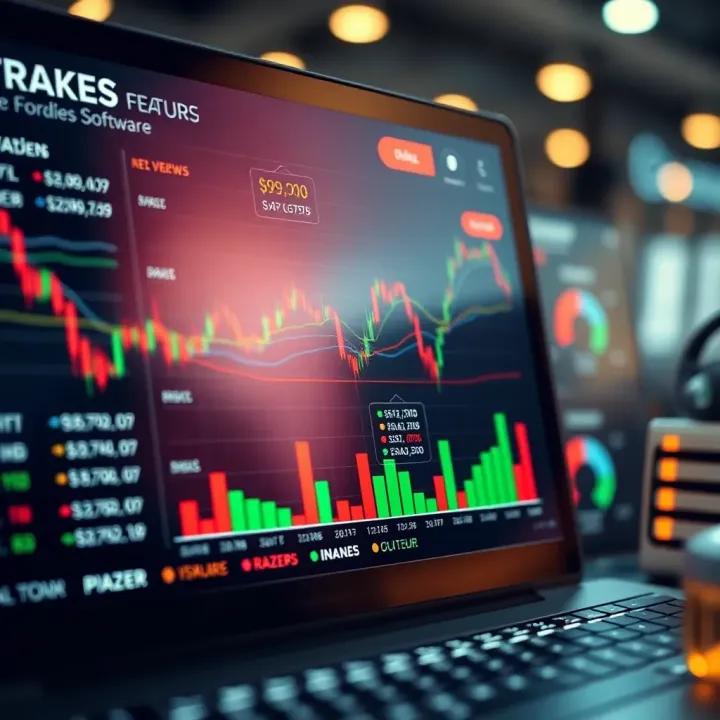
Discover the best forex trading software for South African traders 🇿🇦. Learn types, features, risks, and tips to choose and use platforms effectively 📊💻.

📊 Discover top Forex trading seminars in South Africa! Learn how to pick quality events, boost your skills, and navigate local market insights with ease.
Based on 7 reviews