
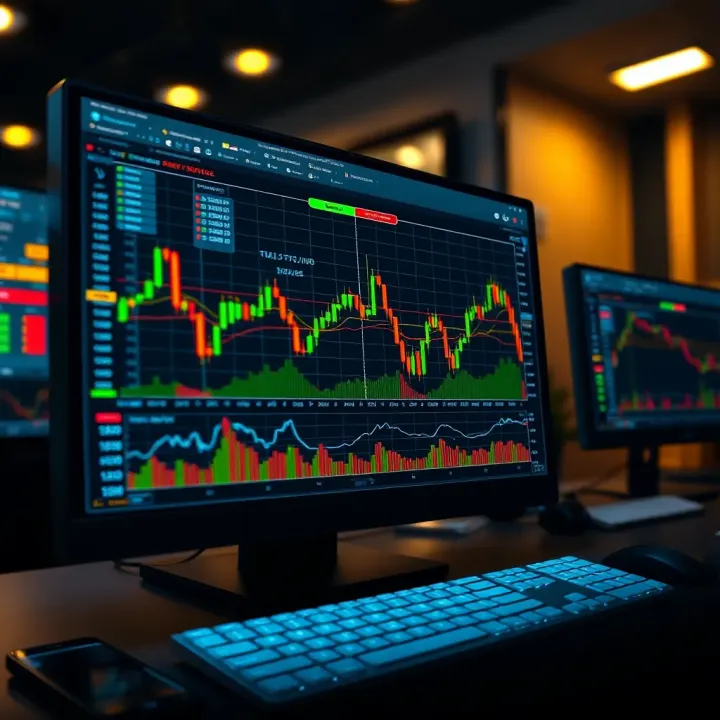
Choosing the Best Forex Platform in South Africa
Explore essential tips for South African forex traders ✍️ Choosing the right platform involves usability, costs, regulations, and features to trade smartly 📈
Edited By
Sophie Harrison
Forex trading opens up interesting opportunities, but choosing the right broker is key to making those opportunities count. For South African traders, knowing which brokers are trustworthy, cost-efficient, and compatible with your trading style makes all the difference.
Unlike some overseas platforms, brokers operating in South Africa must comply with local regulations such as those set by the Financial Sector Conduct Authority (FSCA). This compliance isn’t just red tape; it protects traders from unscrupulous behaviour and ensures transparency.

When weighing up which forex broker to work with, consider these core factors:
Regulation and Licence: Confirm the broker is FSCA-registered. Many South African traders also opt for brokers regulated by international bodies like the Financial Conduct Authority (FCA) or Australian Securities and Investments Commission (ASIC) for additional security.
Trading Platforms and Tools: A broker’s platform should be user-friendly yet powerful enough for your trading needs. Platforms like MetaTrader 4/5 or cTrader are popular choices offering a range of charts, automated tools, and custom indicators.
Cost Structure: Besides spreads (the difference between buy and sell price), lookout for commissions, overnight fees, and withdrawal charges. Small costs can quickly add up if you trade often.
Account Features: Does the broker offer Islamic accounts? What’s the minimum deposit? Can you open demo accounts to practise without risking real money? These features affect your trading comfort and risk management.
Security and Execution Speed: Look for brokers with robust security measures to protect your funds and personal info. Also, speedy order execution is vital; delays can cause slippage, impacting your trades.
A broker isn’t just a service provider — they’re a partner in your trading journey. Take time to vet each option against your goals and risk appetite.
Keep these essentials in mind as you explore forex brokers. The next sections will break down each factor in more detail to help you pick a broker suited to the vibrant South African forex market.
Grasping the role of forex brokers is fundamental for anyone looking to trade currencies, especially within South Africa's unique market landscape. Brokers act as the bridge between you and the forex market, providing the tools, platforms, and access needed to buy and sell currency pairs. Knowing exactly what brokers do helps you select one that aligns with your trading style, risk appetite, and compliance requirements.
Forex brokers offer access to the currency markets through trading platforms, handling your orders to buy or sell currencies. They aggregate prices from liquidity providers and present them to traders. For example, a trader looking to exchange R20,000 for US dollars relies on the broker to execute the order at the best possible rate. Moreover, brokers provide market data, analysis tools, and sometimes educational resources to help traders make informed decisions. Their services may also include account management, risk controls, and customer support, which are crucial if challenges arise during trading.
Remember, while brokers facilitate your trades, they don't set the currency prices – these depend on global demand and supply.
Understanding the difference between Market Maker and ECN (Electronic Communication Network) brokers is key to choosing the right partner. Market Makers set their own bid and ask prices, effectively creating a market for you. They profit mainly from the spread—the difference between buying and selling prices. For example, if the EUR/USD currency pair has a spread of 2 pips, a Market Maker earns from this gap regardless of your trade direction. This model can sometimes lead to conflicts of interest, as the broker may take the opposite side of your trade.
ECN brokers, on the other hand, connect traders directly to the interbank market, allowing orders to match with other market participants. They do not trade against you but charge a commission per trade. This often results in tighter spreads, benefiting those who prefer lower-cost trading. For instance, South African day traders who execute frequent trades might find ECN brokers more cost-effective in the long run.
Picking between Market Maker and ECN broker types depends on your trading frequency, style, and preference for transparency versus potentially better spreads. Consider testing both models via demo accounts to see which suits you better.
Understanding these basic broker functions lays the groundwork for making informed choices when selecting a forex broker that fits your goals and trading approach in South Africa.
Choosing a forex broker that’s properly regulated is one of the most practical steps you, as a South African trader, can take to protect your money and trade with confidence. Regulation sets ground rules that brokers must follow to operate legally, manage your funds safely, and treat clients fairly. Without regulation, there's a higher risk of scams or unclear trading conditions.
South African brokers fall under the watchful eyes of the Financial Sector Conduct Authority (FSCA). This regulatory body ensures brokers comply with laws designed to protect traders, such as the Financial Advisory and Intermediary Services Act (FAIS). For instance, FSCA-approved brokers must keep client and operational funds separate—a crucial feature to prevent misuse of your deposits. Moreover, they are audited regularly to meet standards, which adds an extra layer of accountability.

Many South African traders also consider brokers regulated abroad, often in places like Cyprus (CySEC), the UK (FCA), or Australia (ASIC). Although these entities have stringent rules, their protections don’t always cover South African clients directly. Still, choosing brokers licensed by such regulators usually signals a serious commitment to transparency and fair trading practices. However, be mindful that not all foreign-regulated brokers cater well to South African traders, particularly regarding payment methods and support.
Regulation doesn’t just add a veneer of trust; it translates into practical safeguards. For example, if a broker holding FSCA approval mishandles funds, affected traders can lodge complaints or seek restitution through formal channels—something less likely with unregulated brokers. Also, regulators help enforce rules against unfair practices like stop-loss hunting or misleading advertising.
Look out for brokers who clearly display their regulatory status and licence numbers; this transparency often reflects their willingness to be accountable. Considering South Africa’s unique market factors, like currency controls and transaction restrictions, regulated brokers are better equipped to accommodate local realities.
Picking a fully regulated forex broker is less about ticking boxes and more about ensuring your trading platform is stable, transparent, and responsive to your needs—especially in an environment as unpredictable as forex.
In short, regulation affects your choice by linking legal protection with real-world benefits. While no system is foolproof, sticking to authorised brokers limits risks and helps you focus on trading successfully rather than worrying about fund safety or shady practices.
When choosing a forex broker, understanding the key features they offer can make a big difference to your trading experience and success. These features not only affect your costs but also your ability to trade efficiently, access support when needed, and manage your funds securely. For South African traders, selecting a broker with suitable platforms, transparent fee structures, flexible account options, and reliable support is crucial.
The trading platform is where you'll spend most of your time, so it needs to suit your trading style and technical needs. Popular platforms like MetaTrader 4 and MetaTrader 5 remain favourites for their user-friendly interfaces and wide toolsets, including technical indicators and automated trading features. Some brokers also offer proprietary platforms that might better integrate with mobile devices or provide advanced charting tools. For instance, if you prefer trading on the go using a smartphone, look for brokers with well-rated mobile apps that stay responsive during volatile market moments. Additionally, access to tools like economic calendars, news feeds, or risk management features can enhance your decisions.
Forex trading costs come mainly from spreads—the difference between buying and selling prices—and commissions. Brokers might offer fixed or variable spreads, with variable spreads usually widening during high volatility. For example, a broker might advertise spreads from 0.1 pips, but during major economic announcements, spreads can widen significantly, increasing costs. Some brokers charge no commissions and include fees within the spread, while others separate them out, which can be clearer for active traders calculating total costs. It’s wise to analyse typical spreads and any commissions alongside your intended trading volume to avoid surprises.
Different brokers provide various account types tailored to beginner or experienced traders. Entry-level accounts often require lower minimum deposits, sometimes as little as R500, which suits newcomers testing the waters. More advanced accounts might demand R10,000 or higher but offer benefits like tighter spreads, higher leverage, or exclusive market access. South African traders should check if the broker allows account currencies in Rand or supports easy Rand deposits through local payment methods to avoid unnecessary conversion fees.
Reliable customer support can be a lifesaver when you encounter technical glitches or have questions about trades. Look for brokers offering multiple contact channels like phone, email, and live chat, ideally available during South African business hours (SAST). Some brokers even provide dedicated account managers for premium clients. Accessibility also means clear educational resources and FAQs that allow you to solve minor issues independently. For example, a broker with a comprehensive support centre and responsive chat during Eskom loadshedding periods can keep your trading on track.
Choosing the right broker means weighing these features against your personal trading needs, ensuring transparent costs, practical platform tools, and support you can count on—especially within the South African trading environment.
Ensuring your funds are safe is fundamental when dealing with forex brokers. Traders often focus on platform features or fees but overlooking security can lead to severe losses if a broker turns out to be unreliable or fraudulent. South African traders should prioritise brokers that implement strong safety measures to protect client money and personal data.
One key safety measure is the use of segregated accounts. Regulated brokers keep client funds separate from their own operational money. This separation means that if the broker faces financial trouble, your money isn’t swallowed up in their debts. For example, a reputable broker in South Africa will place client deposits in a dedicated bank account with a trustworthy South African bank, distinct from their trading or company accounts.
Besides segregation, some brokers offer investor protection schemes aligned with regulatory frameworks. This might mean compensation if the broker defaults or mismanages accounts. While South Africa’s Financial Sector Conduct Authority (FSCA) oversees local entities to enforce such measures, international brokers often provide similar protections through regulators like the UK’s FCA or Australia’s ASIC.
When selecting a forex broker, check if they employ SSL encryption on their website and trading platforms to secure your data during transactions. Two-factor authentication (2FA) adds another layer of defence, requiring an additional code beyond just a password.
Reliable brokers also maintain strict Know Your Customer (KYC) and Anti-Money Laundering (AML) policies. These aren’t just legal formalities — they help prevent fraud and keep your trading environment clean and trustworthy. For instance, when opening an account with a broker like IG or Plus500, you’ll be requested to provide official identification and proof of residence, aligning with local laws including the Financial Intelligence Centre Act (FICA).
Avoid brokers that promise unrealistically high returns or aggressive trading incentives. Scam brokers often have poor or no regulation, vague company details, and suspiciously low minimum deposits designed to trap new traders.
Always verify a broker’s registration with South African authorities or recognised international agencies. Traders should perform their due diligence by searching for reviews from independent South African traders or finance websites familiar with the local market.
If a broker refuses to provide clear information about fund protection or regulatory status, it's a red flag.
Moreover, watch out for brokers who push for deposits via unconventional channels, such as direct cryptocurrency payments or offshore wire transfers without traceable records, as this complicates recourse in case of disputes.
In summary, prioritising fund security through segregated accounts, confirming solid security features, and steering clear of sketchy brokers will strengthen your trading experience. In Mzansi’s volatile market environment, having peace of mind about your trading capital is the first win before aiming for profits.
When you're picking a forex broker in South Africa, it's not just about flashy ads or promises of quick profits. Focusing on your personal trading style and specific needs makes all the difference. Understanding how different brokers stack up against these requirements helps you avoid costly mistakes and frustration. For example, a casual trader looking to experiment might prioritise low minimum deposits and easy-to-use platforms, while a full-time trader could value advanced tools and tighter spreads.
Start by making a list of what you need from a broker. Do you trade major pairs or exotic currencies? Perhaps you’re more inclined to scalping during volatile times or prefer longer-term swing trades. Some brokers perform better with certain instruments or offer unique features like copy trading or social trading networks. For instance, a trader focusing on the rand (ZAR) pairs will want a broker with competitive spreads on those pairs and good liquidity. Meanwhile, if you're after the latest MetaTrader 5 features or integration with Algo trading, check which brokers support that.
Don't forget about customer support hours. Because of time zone differences, a broker with 24/5 support based in your region can make solving problems much smoother. Also, consider the broker’s educational resources, like webinars or market analyses, which can provide practical help.
One of the less glamorous but critical factors is how you deposit and withdraw funds. Brokers accepting local payment methods such as EFT (electronic funds transfer), Instant EFT, or popular South African eWallets reduce delays and fees. For example, funding your forex account using Instant EFT is often faster than international bank wire transfers.
Currency conversion fees can add up, especially if you deposit in US dollars or euros but trade in rands and vice versa. Brokers offering accounts in ZAR help avoid multiple conversions, saving you money and smoothing transactions. The convenience of using familiar payment channels like SnapScan or Zapper for deposits could be a bonus, even if not common yet.
Choosing a broker with payment options that fit your banking habits not only keeps your trading seamless but also guards against unnecessary costs or delays.
Don’t jump in with real money straight away. Most reputable brokers provide demo accounts that let you trade with virtual funds under real market conditions. This is crucial for testing the platform interface, execution speeds, and available tools without risking your savings.
Trial periods or demo accounts also let you test strategies, especially if you’re new to forex or a specific broker’s environment. For example, a beginner might try running a simple moving average crossover strategy on the demo first to see how it works. Even seasoned traders use demos to experiment with new brokers or markets before committing.
Using demo accounts helps spot any hidden quirks or slowdowns with deposit and withdrawal processes, which aren’t obvious in promotional materials. It's a practical step to workaround frustration later.
Selecting the right forex broker means thinking beyond spreads and offers. Tailoring the choice to your specific trading habits, local payment preferences, and trying platforms before committing real money keeps your trading journey smoother and your money safer.
Explore essential tips for South African forex traders ✍️ Choosing the right platform involves usability, costs, regulations, and features to trade smartly 📈
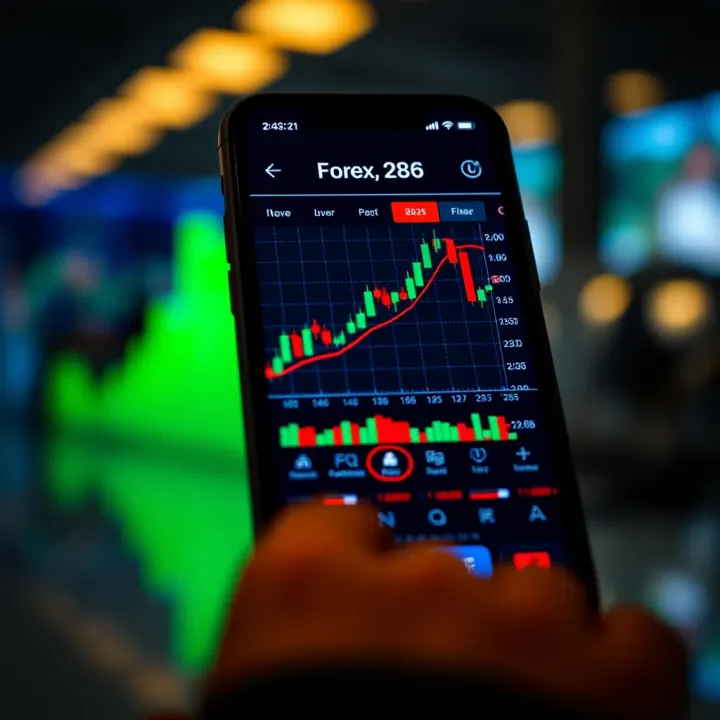
Looking to trade forex on your mobile in South Africa? 📱 Discover how to choose and safely set up the right forex trading app compliant with local regulations and tailored for you.
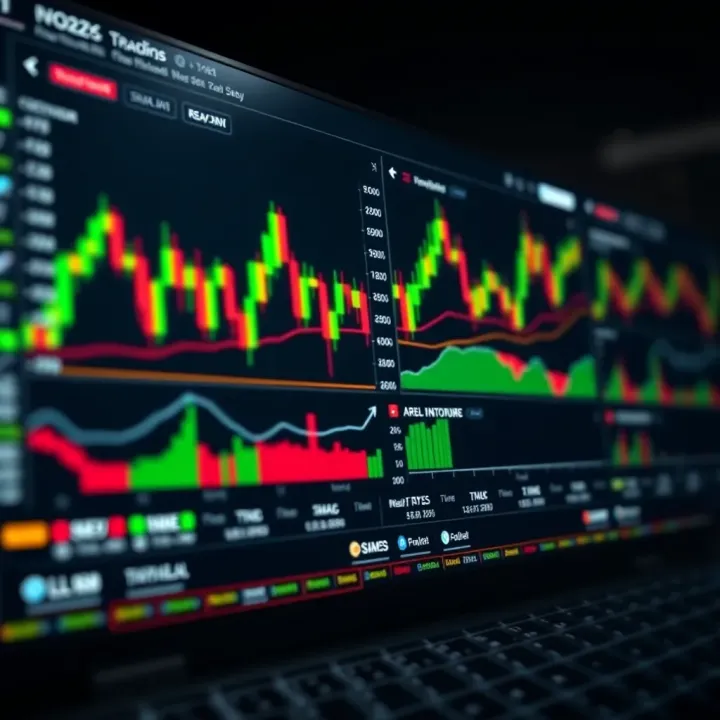
Explore top forex trading software for South Africa 🇿🇦. Learn features, local rules, smart tips, & best platforms to trade securely and boost your skills 📊💡.
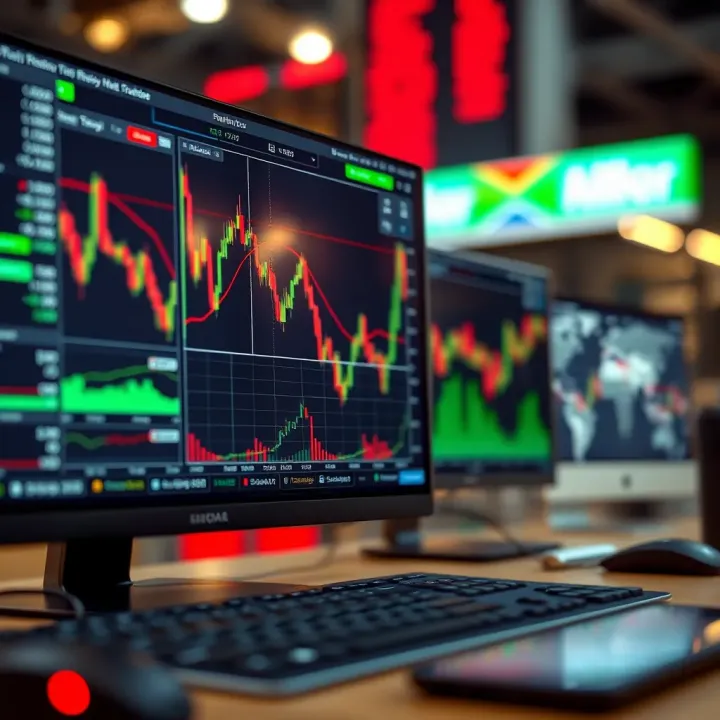
Explore the best free forex trading software for South Africans 🇿🇦. Learn key features, pros & cons, and find the right platform for your trading style 📊💻.
Based on 13 reviews