

Free Forex Trading Guide for South Africans
🌍 Discover how to trade forex in South Africa without upfront costs. Learn about free platforms, local rules, and practical tips for beginners. 💹
Edited By
Emma Richardson
Forex trading involves buying and selling currencies with the goal of making profits from exchange rate fluctuations. For traders in South Africa, understanding the mechanics and strategies of the forex market is vital, especially given the influence of global events and the local economic climate.
Reading well-chosen forex trading books can fast-track your knowledge and sharpen your skills. The right books provide clear explanations on market analysis, trading psychology, and risk management, all tailored to different levels of experience.

Whether you’re a beginner trying to grasp fundamentals like how currency pairs work or an experienced trader seeking advanced strategies, exploring the best literature available is the way to go. It helps build a strong base and prepares you to navigate volatile markets effectively.
Solid learning materials reduce costly mistakes and improve trading confidence, essential for anyone serious about succeeding in forex.
In this article, you’ll find selected books that break down concepts clearly and give practical advice relevant to South African traders — considering factors like rand volatility, regional economic trends, and accessible online platforms.
We’ll cover titles focused on:
Strategy development
Technical and fundamental analysis
Risk and money management
Trader mindset and discipline
Starting your forex journey or upgrading existing knowledge through books is smart. Unlike quick tips online, books compile tested methods, giving you depth and clarity to approach forex trading with greater certainty.
Understanding the forex market starts with solid knowledge, and books remain one of the best ways to build that foundation. They give traders, investors, and analysts a structured approach to learning that online videos or forums often can’t provide. Whether you’re new to forex trading or looking to sharpen your skills, the right literature can offer insights that translate directly into better trading decisions.
Reading about forex trading matters because it equips you with the principles and techniques needed to navigate a complex and fast-moving market. For instance, learning about currency pairs, leverage, and the factors influencing exchange rates helps you avoid costly mistakes. Many successful traders credit their early gains to books that clearly laid out risk management techniques and common trading pitfalls. Without such a background, it’s easy to fall for hype or chase losses without understanding why.
Moreover, the forex market reacts not just to charts but to geopolitical events, economic reports, and central bank policies. Books often cover these topics with historical context that you won’t get from quick online summaries. For example, comprehending how South Africa’s Rand (ZAR) responds to interest rate changes or mining sector news can be the difference between profiting or losing in volatile periods.
Books offer a more comprehensive and well-edited flow of information compared to bite-sized online tutorials or social media shout-outs. They let you digest concepts gradually and revisit complex ideas without distraction. Unlike forum debates or quick YouTube clips, quality books are usually vetted by experienced authors with proven track records.
That said, books aren’t the only source. Practical experience and chart analysis tools are vital, but without a theoretical base, you risk random trial and error. South African traders often complement their reading with demo accounts from local brokers like IG or EasyEquities, combining theory with practice.
When stacked against other methods like live seminars or pricey coaching, books are more accessible and cost-effective. They allow you to go at your own pace, tailoring your learning to your style and goals.
Good trading books act as a steady guide—a trusted companion you can consult anytime. They make forex trading less about guesswork and more about informed strategy.
Overall, starting off with forex trading books is a smart move, especially for South Africans who face unique currency and economic factors. They bring depth, clarity, and tested wisdom that online sources alone often lack.
For anyone just starting out in forex trading, picking the right books can make a world of difference. These foundational titles lay the groundwork for understanding forex mechanics, strategies, and trading lingo, helping beginners avoid costly mistakes. In South Africa, where forex trading continues to gain traction, especially on platforms like IG or EasyEquities, having solid books can be as valuable as practical experience.
Before diving into charts or strategies, it's essential to grasp what drives the forex market. Unlike shares or bonds, forex trading involves buying one currency while selling another simultaneously, creating currency pairs like USD/ZAR or EUR/USD. Books that clearly explain this duality help new traders understand how exchange rates fluctuate due to economic factors, geopolitical events, or even central bank moves.

For instance, a beginner book that illustrates the impact of South Africa’s Reserve Bank interest rate announcements on the rand's value provides practical context. Understanding market hours, liquidity, and volatility is also crucial since these influence when and how to trade effectively.
Trading jargon can initially seem like a foreign language. Starting with books that break down terms like "pip", "spread", "leverage", and "margin" in plain language arms new traders with the vocabulary needed to communicate and understand market conditions.
Basic strategies such as trend following, breakout trading, or using moving averages are often covered in beginner books. These strategies offer a structured approach for novices to enter the market without being overwhelmed by complexity. Books that include clear, step-by-step examples of these trading strategies give beginners a practical edge in learning how to spot entry and exit points.
Good beginner books avoid jargon overload and explain concepts in simple, straightforward terms. They don’t assume prior knowledge but also steer clear of being patronising. For example, a book explaining the function of economic indicators might use everyday analogies or relate concepts to local news, making the lesson relatable and digestible.
Clear explanations in forex literature let you build confidence quickly, reducing guesswork and frustration that often leads new traders to give up.
Theory alone won’t cut it. Books that include real-world examples, ideally with charts and screenshots, help learners connect theory to actual market behaviour. This is especially useful for South African traders who might encounter forex volatility tied to the rand’s response to domestic issues like load shedding or budget updates.
Practical examples also often show how to set stop-loss orders or calculate risk per trade, skills vital for managing capital safely. Without these, beginners tend to jump into trades blindly, increasing the chances of losses.
Looking for forex beginner books that combine clear explanations with practical examples gives you the best shot at developing a firm foundation and trading confidently from the get-go.
Advanced forex trading books are invaluable for those who have moved beyond the basics and seek to sharpen their edge in the market. These titles dive into complex strategies, chart reading, and risk control methods that are essential to sustain profits and manage the volatility typical of currency trading. For traders in South Africa, where market conditions can shift rapidly amid global and local events, building expertise through these books can provide a real advantage.
Understanding price action is at the core of forex trading. This involves observing how currency pairs shift over time, searching for patterns or trends that suggest the next move. Advanced books typically explain how to read candlestick formations, identify support and resistance zones, and spot breakout opportunities. For instance, recognising a double top or head and shoulders pattern can signal a likely reversal, allowing traders to enter or exit positions more confidently.
Practically, a trader could use such pattern recognition alongside volume data to confirm the move. For example, if the rand-dollar pair breaks above a significant resistance level on high volume, this often indicates genuine buying pressure rather than a false alarm. Books that cover these analyses in detail often include case studies and charts reflecting real market scenarios.
Indicators like Moving Averages, Relative Strength Index (RSI), and Bollinger Bands help quantify trends and momentum. Advanced texts teach how to combine these indicators to filter out market noise and refine entry and exit points. Instead of relying on a single signal, traders learn to interpret multiple indicators together for confirmation.
For example, a trader might wait for the RSI to show oversold conditions while the price touches the lower Bollinger Band before buying. Knowing when and how to use indicators, rather than cluttering charts with too many, improves trading precision. The key takeaway in advanced books is that indicators are tools to support, not replace, price action judgement.
Emotion control sits high in the list of skills taught in advanced trading books. Fear and greed often push traders to make rash decisions, leading to losses. These books explore psychological frameworks and mindfulness techniques to help traders build discipline and stick to their strategies.
For example, learning to accept small losses without chasing them can prevent a losing streak from escalating. Books also advise on creating trading plans that include rules for pausing or stopping trading after significant wins or losses, preventing impulsive behaviour. Strengthening mental resilience is what separates serious traders from novices.
Placing stop-loss orders is a practical way to limit potential losses, while take-profit points secure gains before the market turns. Advanced books go beyond basic percentages and teach traders how to position these levels based on technical analysis, such as just beyond recent swing highs or lows.
This approach means the stops and limits feel natural considering the market structure, rather than arbitrary. For example, if the euro-dollar pair has bounced repeatedly off a support zone, a stop-loss might be set just below this level to avoid premature exit. Properly setting these levels protects your capital and manages risk — without it, even good strategies can crumble under unpredictable markets.
Effective risk management and mastering your mindset can often make a bigger difference than any fancy trading strategy.
In summary, advanced forex books help experienced traders connect technical skills with disciplined money management and emotional control. For South African traders looking to move from scraping profits to consistent growth, these titles serve as essential tools in the trading toolkit.
Books that focus on trading strategies and systems play a key role in helping traders move beyond basics to consistent, methodical trading. These titles dig into how systems are structured, tested and executed, offering traders a framework to approach the forex market with discipline. For South African traders dealing with volatile markets and occasional loadshedding interruptions, solid systems can reduce guesswork and protect capital.
Trend following focuses on riding the direction of the market rather than predicting reversals. Books on this topic explain how to identify trends across different timeframes using tools like moving averages and the Average Directional Index (ADX). Practical examples might include spotting a clear uptrend on the EUR/USD daily charts and opening positions that follow momentum, rather than fighting the market’s direction. Understanding momentum helps traders filter noise, making it easier to hold winning trades longer. Within an environment like the JSE-listed forex pairs, trend following can be a reliable approach, especially during stable economic phases.
Scalping and day trading cater to those who prefer quick entries and exits, often within minutes or hours, capitalising on small price movements. Books covering these techniques highlight fast decision-making, strict risk management, and the need to avoid emotional trading. For instance, a scalper might focus on the USD/ZAR five-minute chart, grabbing small profits multiple times a day. Traders learn how to set tight stop-loss levels and use technical indicators like Bollinger Bands or the Relative Strength Index (RSI) for entry signals. Scalping demands constant attention but comes with the advantage of limiting exposure overnight, which appeals in markets subject to sudden geopolitical shifts affecting the rand.
Algorithmic trading books zero in on mechanical systems that execute trades based on pre-defined rules, removing human bias. These books explain how to program strategies, backtest historic data and optimise for market conditions. For South African traders interested in automation, this means developing bots to trade pairs like GBP/ZAR while they attend to other commitments. They also cover how to use platforms such as MetaTrader 4 or 5, which support automated Expert Advisors (EAs). While automation can boost trade speed and take emotion out of decisions, traders get cautioned about the risks during unexpected news or loadshedding-related internet disruptions.
A well-chosen book on trading systems offers practical steps to design, test, and stick to strategies that fit your lifestyle and risk comfort, turning guesswork into calculated moves.
Choosing books on these trading strategies and systems doesn't just equip you with theory but practical tools and clear methods you can adapt to the local forex scene and your unique trading style.
Choosing the right forex trading book isn’t just about grabbing the latest bestseller or the most hyped author. It’s about finding a guide that matches your own trading goals, style, and experience level. The right book will help you avoid common pitfalls, sharpen your strategy, and feel confident making decisions in the fast-moving forex market.
Before picking up a book, take a moment to clarify what you want from forex trading. Are you after long-term growth, or do you aim to make quick profits with short-term trades like scalping or day trading? Your goals influence the type of book best suited for you. For instance, if you’re focused on risk management and steady gains, a book like "Trading in the Zone" by Mark Douglas, which covers trading psychology, could be invaluable. On the other hand, if you want to master technical analysis, "Japanese Candlestick Charting Techniques" by Steve Nison is a solid choice.
You should also consider your preferred trading style and how much time you can dedicate. Are you a hands-on trader who watches charts all day, or do you prefer automated strategies? Some books lean heavily on manual trading techniques, while others explore algorithmic approaches. Knowing this upfront means you spend less time sifting through irrelevant content and more time applying insights that work for you.
Local experience matters. South African traders often face unique challenges, such as navigating the rand’s volatility or adapting strategies to fit our markets and brokers. Hearing from fellow Mzansi traders can provide practical, relatable insight that generic global advice might miss.
Look out for reviews from recognised local platforms like MyBroadband or forums where South African traders share their experiences. For example, traders often recommend "Forex For Ambitious Beginners" by Jelle Peters for its clear explanations suited to new traders in South Africa’s context. Another popular pick is "The Little Book of Currency Trading" by Kathy Lien, praised for its practical tips and accessible style.
Finding a book with positive feedback from South African traders helps you avoid books that are too theoretical or based on markets very different from ours.
By assessing your individual goals and tapping into local wisdom, you can navigate the vast sea of forex books and find the ones that really speak to your trading journey. This focused approach makes your reading time worthwhile and your trading decisions smarter.
🌍 Discover how to trade forex in South Africa without upfront costs. Learn about free platforms, local rules, and practical tips for beginners. 💹
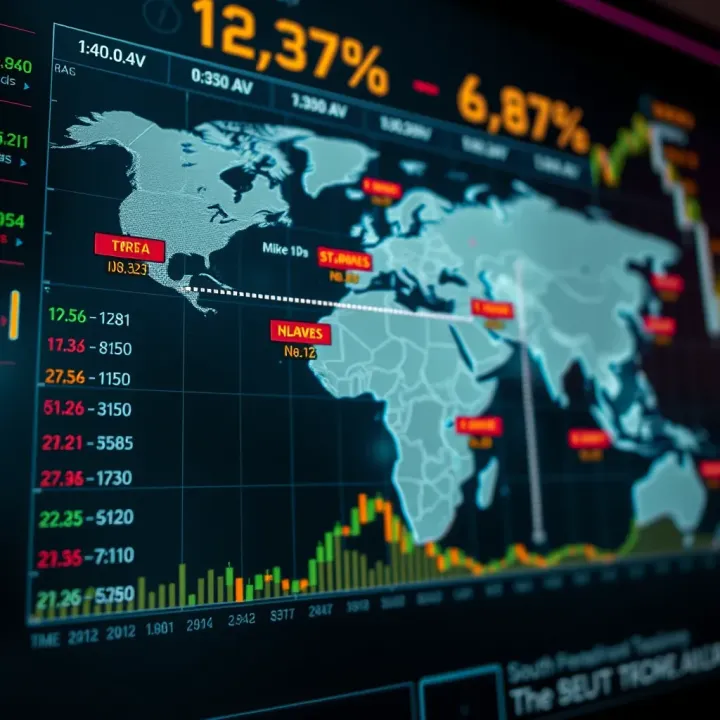
📈 Explore forex trading sessions from a South African viewpoint, learning how global market hours and overlap impact your strategies for better results.

Discover practical forex trading tips for South African traders 🇿🇦, including strategies, risk control, market analysis, and mindset for better results 📈💡.

🌍 Explore top forex trading schools in South Africa! Learn course options, practical training, and how ongoing education boosts your trading skills. 📈
Based on 13 reviews