
Free Forex Trading Guide for South Africans
🌍 Discover how to trade forex in South Africa without upfront costs. Learn about free platforms, local rules, and practical tips for beginners. 💹
Edited By
Amelia Turner
Getting started with forex trading in South Africa means understanding the nuts and bolts of trading accounts. These accounts serve as your gateway to the forex market, and selecting the right one can make a noticeable difference in your trading experience and outcomes.
Forex trading accounts come in different shapes and sizes, tailored to various needs and skill levels. Typically, you'll find accounts like standard, mini, and micro accounts, each with varying minimum deposit requirements and trade sizes. For example, a micro account might let you trade with as little as R500, which is perfect for beginners wanting to test the waters without serious risk.
When opening a forex trading account locally, brokers often require compliance with South African regulations like the Financial Intelligence Centre Act (FICA). This means you'll need to provide proof of ID, residence, and sometimes additional paperwork to meet anti-money laundering standards. Choose brokers registered with reputable bodies such as the Financial Sector Conduct Authority (FSCA), which adds a layer of protection for your investment.
Risk management is another cornerstone tied closely to your trading account. Different accounts may offer various leverage options – this is essentially how much you can trade relative to your initial deposit. While high leverage might be attractive, in South Africa's volatile forex market, it’s safer to start with conservative levels to avoid steep losses, particularly during periods of rand volatility.
Choosing the right forex account isn’t just about the initial deposit or leverage. Consider spreads (the difference between the buying and selling price), commissions, and the platform's user-friendliness. A costly spread or a tricky interface can eat into your profits quickly.
To sum up, a suitable forex trading account balances affordability, regulatory compliance, risk controls, and broker support. Whether you’re trading from Cape Town or job hunting in Joburg, keeping account features aligned with your trading goals will help you trade with more confidence and clarity.
Choosing the right type of forex trading account can shape your entire trading experience. Each account type caters to different trader needs, risk appetites, and investment sizes. Understanding these is especially relevant for South African traders who must navigate local broker offerings alongside global norms.
Standard accounts are the most common, suited for traders ready to invest larger sums. They typically require a minimum deposit around R10,000 and offer full access to all currency pairs. A key feature is trading in standard lots, where one lot equals 100,000 units of the base currency. This translates to higher potential profits but also greater risk. For example, trading one lot of EUR/USD means dealing with much larger exposure than a mini or micro account. Standard accounts often come with tighter spreads and more advanced trading tools, ideal for experienced traders who understand market dynamics well.
Mini and micro accounts make forex trading more accessible, especially for beginners or those with limited capital. A mini account usually trades in lots of 10,000 units, while micro accounts handle 1,000 units. This smaller scale means you can start with as little as R500 to R2,000. The reduced position size limits your risk, helping you learn without blowing your trading fund quickly. For instance, if you’re testing out a new strategy or want to trade with a cautious approach during times of Eskom loadshedding disruptions, these accounts offer flexibility to stay in the game without punishing losses.
Managed forex accounts suit traders who prefer to hand over decisions to professionals. Here, a qualified fund manager trades on your behalf, using your deposited funds according to agreed strategies. This option appeals to South Africans who want exposure to forex but lack the time or confidence to trade themselves. Keep in mind, they involve management fees or profit sharing, which cut into net returns. It’s essential to verify the manager’s track record and ensure compliance with local regulations to avoid scams. Moreover, managed accounts often require higher minimum deposits, typically above R50,000, reflecting their premium service nature.
Picking the right forex account hinges on your starting capital, risk tolerance, and how involved you want to be in daily trading decisions.
In summary, standard accounts offer full-scale trading with greater exposure, mini and micro accounts suit cautious starters or smaller investors, while managed accounts delegate trading to experts. South African traders should weigh these options carefully, considering how each fits within their broader financial goals and market understanding.
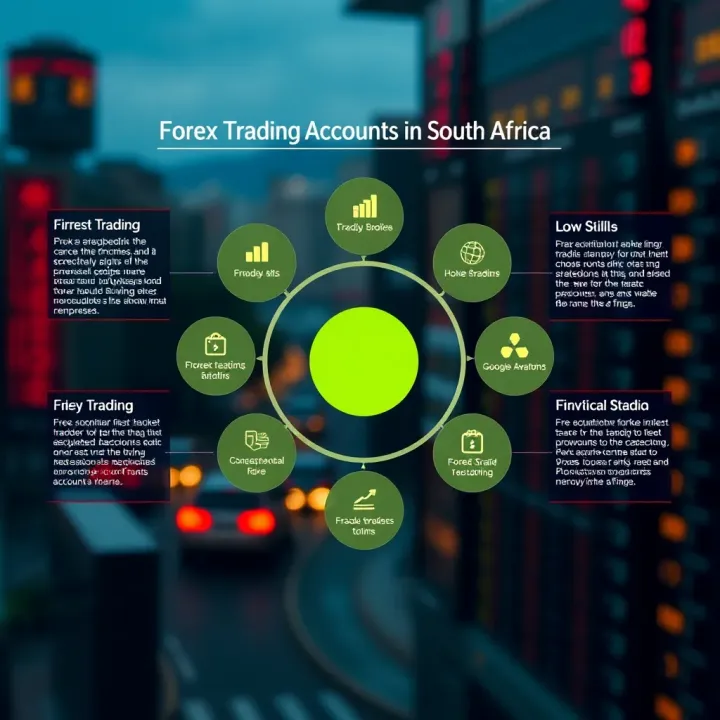
Choosing the right forex trading account is essential to match your trading style, budget, and risk tolerance. Not all accounts are created equal, and picking the wrong one can lead to unnecessary costs or frustration. Understanding the minimum deposit requirements, spread and commission setups, along with leverage options, helps you make an informed decision that fits your objectives.
The minimum deposit is often the first factor to consider. Brokers offer accounts with varying entry points, ranging from as little as R100 to tens of thousands of rand. For example, if you’re just starting with limited capital, a micro account with a minimum deposit of R500 might be ideal. It allows you to test the waters without risking too much. Conversely, more experienced traders might prefer a standard account requiring R10,000 or more, which usually comes with better spreads or trading conditions.
Be mindful that a low minimum deposit does not always mean a better deal. Some brokers may offer low entry thresholds but charge higher fees or spreads. So, balance your deposit ability against overall trading costs.
Forex brokers make money mainly through spreads (the difference between bid and ask prices) or commissions per trade. Some accounts come with fixed spreads, which stay consistent regardless of market conditions, while others offer variable spreads that change with market volatility.
For instance, if you trade frequently, a variable spread with lower average costs might save you more money. Alternatively, fixed spreads give predictability, which can be handy when the market is choppy. Some brokers also charge commissions on top of tight spreads, so always check the total cost per trade. For example, a spread of 0.5 pips plus a R5 commission per lot may be cheaper than a 1.5 pips spread with no commission.
Leverage lets you control a larger position with a smaller amount of capital. South African brokers often offer leverage ratios from 1:10 up to 1:400 depending on the account type and regulatory restrictions.
Leverage magnifies both profits and losses. For instance, trading with 1:100 leverage means R1,000 controls R100,000 of currency, but one wrong move can wipe out your investment just as fast. Novice traders should start with lower leverage to avoid overexposure, while seasoned traders might use higher leverage cautiously.
Always consider how much risk you’re willing to assume when choosing leverage—it affects your margin call and overall account safety.
In summary, selecting a forex account requires assessing your financial capacity, how much you’ll pay per trade, and how much risk leverage will expose you to. Keeping these factors in balance helps you trade effectively and stay protected in South Africa’s dynamic forex market.
Opening a forex trading account in South Africa involves more than just filling in a form and depositing cash. Understanding the process helps you avoid pitfalls and ensures your trading journey starts on the right foot. This section walks you through key steps, highlighting broker verification, compliance with local laws, required paperwork, and how to fund your account securely.
Before signing up with a forex broker, make sure they comply with South Africa's Financial Intelligence Centre Act (FICA). This legislation aims to curb money laundering and fraud, making broker verification a crucial step. For example, reputable brokers will ask new clients for proof of identity and address before opening accounts. Brokers registered with the Financial Sector Conduct Authority (FSCA) add an extra layer of trustworthiness. If a broker ignores these checks, it’s a red flag – you could face account restrictions or legal trouble down the line.
The documentation required by South African brokers is fairly standard but worth double-checking. You will generally need:
A certified copy of your South African ID or passport
Proof of residential address (like a recent utility bill or bank statement)
Completed and signed application forms
Some brokers may also require a tax clearance certificate or proof of income, depending on the account size or type. The process usually involves uploading documents via a secure portal or presenting them in person at a branch. This ensures your details are verified quickly and your trading account can be activated without delays.
Funding your forex account from South Africa is straightforward when using local payment options. Most brokers accept:
Bank transfers from major South African banks such as FNB, Standard Bank, and Absa
EFT payments, which clear within 24-48 hours
Credit/debit cards, though fees might apply
Popular e-wallets like Skrill or Neteller
Using local banks for deposits minimises delays and foreign exchange fees. For example, transferring funds from a Standard Bank account to a broker’s South African banking partner usually means your money reflects the same day. Keep in mind some brokers impose minimum deposit amounts, often starting around R500 to R1,000.
Opening your forex trading account properly is the foundation for a smooth trading experience. Taking the time to verify your broker’s credentials, prepare the necessary documentation, and choose convenient funding methods will save you headaches later.
By following these guidelines, South African traders can get on solid footing with their forex investments, focusing on market strategies rather than administrative hassles.
Managing risk is the backbone of successful forex trading. Without it, even the most promising trades can lead to steep losses. South African traders, in particular, need to be mindful of risk because market volatility can be influenced by local economic factors and global shifts. Effective risk management protects your capital and helps sustain your trading efforts over time.
Stop-loss and take-profit orders are essential safety nets in forex trading. A stop-loss order automatically closes your trade when the market moves against you by a pre-set amount, limiting your loss. For example, if you buy USD/ZAR at R18 and set a stop-loss at R17.50, the position will close if the rand strengthens too much, capping your loss at R0.50 per unit. Conversely, a take-profit order locks in your gains by closing a trade once a certain profit target is hit.
Using these orders helps you avoid emotional decisions, especially when prices swing unexpectedly during volatile times like loadshedding disruptions or major economic news. Setting these limits based on your budget and risk appetite is a practical way of staying in control.
Demo accounts serve as a safe playground for learning the ropes before risking real money. They replicate live market conditions but use virtual funds. This lets you experiment with various trading strategies, test stop-loss and take-profit settings, and understand how spreads affect your trades.
For South African beginners, demo accounts offered by brokers like IG, HotForex, or Plus500 provide a no-pressure way to build confidence. You can also observe how your trading plan holds up under different market conditions without the stress of actual losses.
Leverage magnifies both your potential gains and losses. South African brokers often offer leverage up to 1:200 or 1:400, but that doesn’t mean you should max it out. Using excessive leverage is like driving a car at high speed on a wet road – it increases the chance of crashing.
Overleveraging means even small market moves can quickly wipe out your account. For instance, if you control a R100,000 position with R1,000 (1% margin) at 1:100 leverage, a 1% adverse move means your entire capital is gone. It’s wiser to start with lower leverage, like 1:10 or 1:20, and increase it only when you’re consistently profitable.
Remember: Risk management isn’t just about protecting yourself from losses; it’s about keeping your trading journey sustainable. Each element – stop-losses, demo practice, and cautious leverage – plays a vital role in this.
Together these steps form the foundation for safer trading. Master them, and you can approach the forex market with clarity rather than fear, ready to make informed decisions no matter the market conditions.
🌍 Discover how to trade forex in South Africa without upfront costs. Learn about free platforms, local rules, and practical tips for beginners. 💹
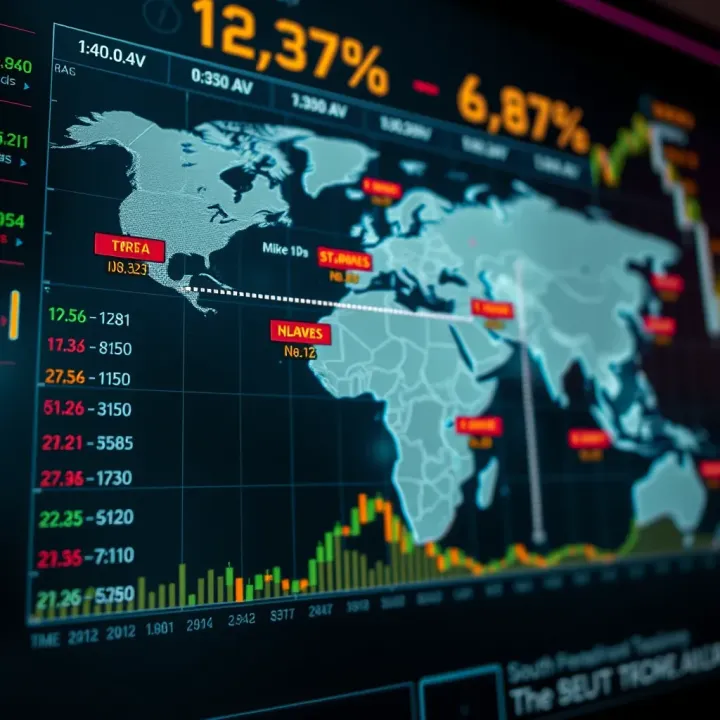
📈 Explore forex trading sessions from a South African viewpoint, learning how global market hours and overlap impact your strategies for better results.

Discover practical forex trading tips for South African traders 🇿🇦, including strategies, risk control, market analysis, and mindset for better results 📈💡.

🌍 Explore top forex trading schools in South Africa! Learn course options, practical training, and how ongoing education boosts your trading skills. 📈
Based on 5 reviews