
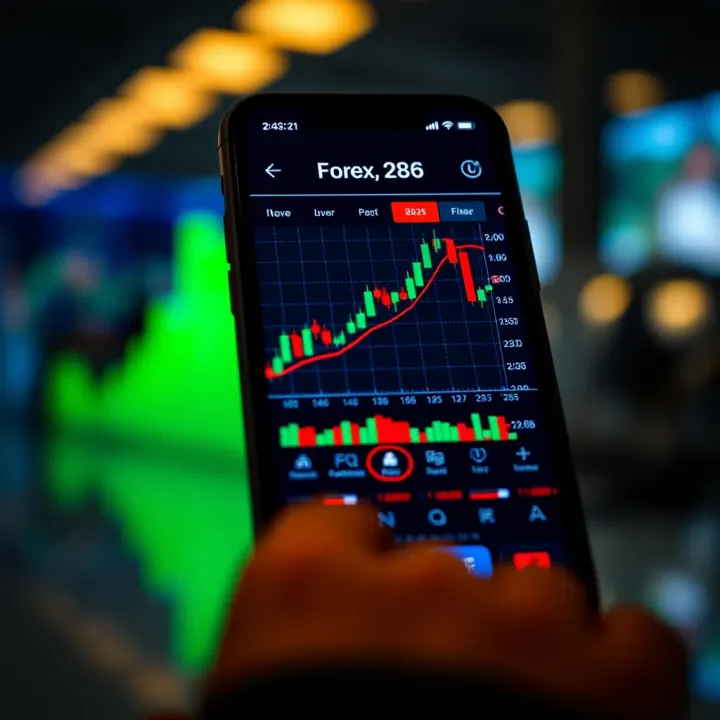
Choosing the Best Forex Trading App in South Africa
Looking to trade forex on your mobile in South Africa? 📱 Discover how to choose and safely set up the right forex trading app compliant with local regulations and tailored for you.
Edited By
Henry Foster
Forex trading has become accessible to many in South Africa thanks to smartphones and mobile apps. But with a slew of forex trading apps out there, knowing how to choose the right one can be a minefield. This section lays down the basics, helping you understand what a forex trading app offers and what you should keep an eye on before committing.
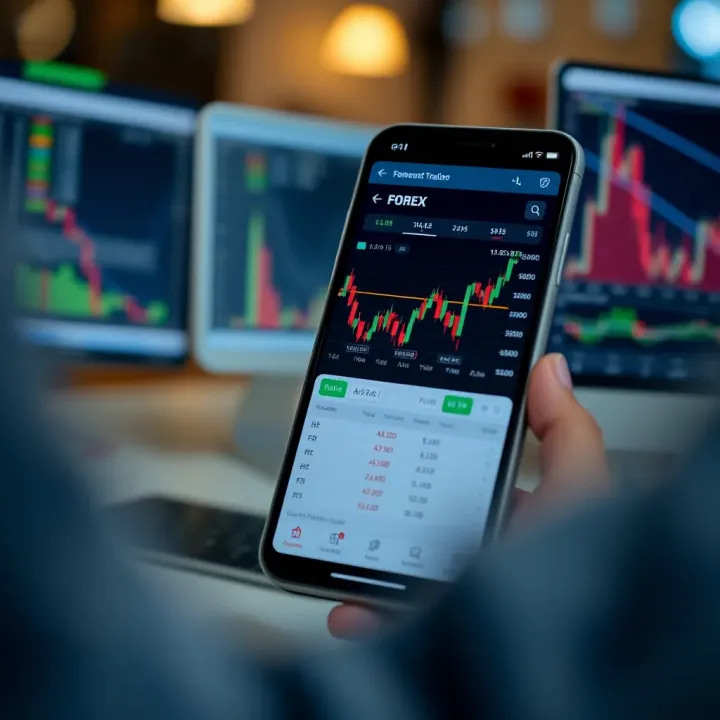
A forex trading app lets you buy and sell currencies directly from your mobile device. Instead of sitting in front of a desktop, you can trade while on a taxi, at a coffee shop, or even braaing with friends. Most apps connect you to the global currency markets, offering real-time quotes, charting tools, and order placements.
Traders can spot opportunities and act quickly, essential since currency prices can swing fast. Some apps also provide educational resources and news feeds tailored to local and international markets.
South Africa’s forex landscape is shaped by local regulations and market conditions. The Financial Sector Conduct Authority (FSCA) governs forex brokers, requiring registration and compliance. Not all apps adhere to the same rules, so it pays to check whether the app and its broker are FSCA-licensed.
Plus, trading costs, spreads, and commissions can differ significantly between apps. Since the rand fluctuates due to domestic factors like Eskom’s loadshedding or political developments, having an app that offers reliable local market commentary is an advantage.
When selecting a forex trading app, focus on these practical features:
Ease of use: The interface should be simple without being too basic.
Security: Look for two-factor authentication and data encryption.
Payment options: Choose apps that accept local bank transfers or card payments.
Charting and analysis: Tools like moving averages, RSI, and Fibonacci retracements help make better decisions.
Customer support: Quick responses in your time zone matter, especially if issues pop up during trading.
Remember, the best app aligns not just with your trading style but also South African market realities and regulations.
Taking the time now to understand these basics will save you headaches later when you jump into live trading. The next sections will break down how to identify trustworthy apps, manage risks, and use tools effectively in the South African setting.
Understanding forex trading apps is essential if you want to trade currencies effectively from your mobile device in South Africa. These apps bring the global currency markets to your fingertips, helping you make quick decisions even when you're on the go. Given South Africa’s unique trading hours influenced by international markets and local considerations like data costs, having a solid grasp of how these apps function can save both time and money.
A forex trading app is a software platform that allows you to buy and sell foreign currencies directly from your smartphone or tablet. Unlike desktop software, these apps offer the flexibility to trade anywhere with an internet connection, making them particularly useful for traders who move between offices, home, or commuting. For example, a trader in Johannesburg can react promptly to currency fluctuations involving the rand, euro, or US dollar without needing a computer.
Most apps integrate real-time data feeds, charting tools, and access to global forex markets through a broker. They also enable account management, deposit and withdrawal options, and risk controls such as stop-loss orders. Some popular forex apps, like MetaTrader 4 or IG Markets, offer both beginner-friendly interfaces and advanced analytical tools to suit a range of skill levels.
Forex trading apps function by connecting your mobile device to your chosen forex broker's server. When you place an order through the app — whether it’s opening a new position or closing one — your instructions are sent in real time to the broker, who executes the trade on the global forex market.
These apps constantly update pricing, showing live bid and ask prices for currency pairs like ZAR/USD or EUR/GBP. They also provide charts ranging from basic to highly advanced indicators such as Bollinger Bands or Relative Strength Index (RSI). This allows you to analyse trends and assess potential entry and exit points.
The apps handle leverage and margin requirements, alerting you if your position risks liquidation. In South Africa, this is crucial, as local regulations may limit leverage levels to protect traders from excessive risk.
Remember, not all forex apps offer equal speed or reliability. Poorly optimised apps can delay trades or give stale data, which can cost you dearly in volatile markets.
In short, knowing what a forex trading app is and how it operates helps you choose the right tool and avoid pitfalls. This understanding forms the foundation for effective and informed trading tailored to South Africa’s market conditions.
Choosing the right forex trading app demands more than just picking a platform that looks good on your cellphone. You need to know what features make trading smoother, safer, and ultimately more effective. In South Africa, where data costs and connectivity can vary, having an app that balances functionality with efficiency is especially important.
First off, the user interface (UI) and overall experience matter a lot. A cluttered, confusing app can make you miss critical trading moments. Look for apps with clean layouts and easy navigation. For instance, the ability to quickly access your portfolio, place trades, or check charts without multiple taps saves time and cuts frustration, particularly when the market's moving fast. Some apps even let you customise the interface, so you see what matters most to you upfront. In South Africa, apps like IG and Plus500 are popular partly because they get this balance right.
Charts aren’t just charts in forex trading — they’re your eyes on the market. Good apps offer a range of chart types with options for different timeframes, indicators, and drawing tools. This helps you spot trends, plan entry and exit points, and make informed decisions. For example, having easy access to moving averages, RSI (Relative Strength Index), or Fibonacci retracements can give you a leg up in timing trades. Apps such as MetaTrader 4 and ThinkMarkets include these tools with no extra fuss.
Speed and flexibility in trade execution can make the difference between a profitable trade and a missed opportunity. A solid forex app offers multiple order types — market, limit, stop-loss, and take-profit orders — so you can automate your strategy or protect your capital. Additionally, fast execution means orders match the listed prices quickly, with minimal slippage. This is crucial during volatile market conditions common worldwide and in emerging markets like South Africa.
Security cannot be overlooked, especially when you’re dealing with your money and personal details. Look for apps that use strong encryption, two-factor authentication (2FA), and offer session timeouts to keep your account safe. Providers regulated by South Africa’s Financial Sector Conduct Authority (FSCA) are generally more trustworthy, ensuring they follow strict standards. For peace of mind, avoid apps requesting unnecessary permissions on your phone.
Handling deposits and withdrawals should be hassle-free. Efficient apps integrate easily with local payment methods — such as EFT (electronic funds transfer), credit/debit cards, and even mobile wallets like SnapScan or Zapper where applicable. This ensures you can fund your trading account without expensive delays or fees. Plus, look out for apps that keep you updated on transaction statuses, so you’re not left wondering if your money cleared.
Pro tip: Always test the app with a demo account first. This lets you get a feel for its features and workflows without risking real money.
Choosing a forex trading app hinges on more than just flashy features — it’s about practical tools that fit your trading style and local needs. Pay attention to these essentials, and you’ll trade smarter on the go.
Choosing the right forex trading app is a key step in achieving success in South Africa's dynamic trading environment. Different apps offer varying features, fee structures, and services; selecting one that fits your trading style, budget, and device setup can save you headaches and protect your funds. Whether you're a casual trader or a seasoned investor, understanding how to evaluate these factors will help you avoid costly surprises.
Costs can quickly eat into your profits, so knowing all the fees up front matters. Look out for spreads (the difference between the buy and sell price), commissions, and overnight financing fees, especially if you plan on holding trades for more than a day. For example, some apps may advertise zero commissions but widen spreads to make money indirectly. Also, check if there are any withdrawal or inactive account fees. In South Africa, brokers linked with big names like IG or Pepperstone typically offer more transparent pricing compared to lesser-known platforms.
Your trading app's broker should be trustworthy and properly regulated. In South Africa, the Financial Sector Conduct Authority (FSCA) regulates financial service providers, including forex brokers. Always verify if the broker has an FSCA licence — this certifies they meet local safety and transparency standards. Using a broker without regulation increases your chance of falling victim to scams or fraudulent schemes. For instance, many unregulated offshore brokers promise unrealistic returns but vanish once you deposit funds.
Forex trading demands real-time responsiveness, so your app needs to run smoothly on your device. Most apps support Android and iOS, but performance can vary wildly between smartphones and tablets. Older devices might struggle with complex charting tools or slow execution times, leaving you chasing losses. Before committing, test the app on your device. If you rely heavily on desktop analysis, consider apps that sync well with their web or PC counterparts. For example, the MetaTrader 4 app is popular for syncing with desktop versions, which helps traders switch platforms effortlessly.
Even experienced traders hit snags occasionally—quality customer support can save the day. Choose an app backed by prompt, knowledgeable help, ideally with channels like live chat, phone, and email. Also, consider whether the broker provides educational resources such as tutorials, webinars, or market analysis tailored to South African traders. This support is invaluable, especially when navigating complex concepts like leverage or margin calls.
Selecting your forex trading app should go beyond flashy features or recommendations — focus on costs, regulation, compatibility, and real human support to build a solid trading foundation.
By weighing these factors, you put yourself in the driver's seat rather than the passenger in your forex trading journey. Take your time comparing apps, and don’t hesitate to reach out to existing users or community forums for firsthand insights before making your decision.
Forex trading on mobile apps brings convenience but also opens doors to various risks traders must recognise. South African traders especially need a solid grasp of these risks and effective security practices to protect their investments and personal info.
Trading forex comes with inherent risks, but apps add a few layers on top. Connectivity problems and app glitches can cause missed trades or price slippage — imagine trying to close a position at a support level, and the app freezes during peak hours. Another issue is high leverage; it can multiply gains but equally amplify losses, wiping out a trader’s account in no time. Furthermore, volatility in currency pairs means sudden shifts can cause unexpected losses, especially if stop-loss orders lag or the app experiences delays.
Your data is gold to cyber criminals. Protecting it involves more than just a strong password. Using two-factor authentication (2FA) adds a solid extra layer, either through SMS codes or authenticator apps. Also, avoid trading on public Wi-Fi unless a reliable virtual private network (VPN) is running, as unsecured connections make it easier for hackers to intercept your credentials. Ensure your forex app encrypts data transmissions — reputable apps will highlight this. Lastly, regularly updating the app keeps security patches current, reducing vulnerabilities.
Never trade with an app or broker you can’t verify. It's safer to double-check user reviews, confirm regulatory licences with the Financial Sector Conduct Authority (FSCA), and ensure clear terms before committing funds.
Scammers often promise guaranteed returns or insider tips, which should raise immediate red flags. Fake apps can mimic legitimate ones but may harvest your login details or vanish with your deposits. One practical step is downloading apps only from official stores like Google Play or Apple’s App Store and verifying the broker’s name directly. Check if the platform is registered with the FSCA — unlicensed brokers are illegal in South Africa and expose users to high risk.
Traders sometimes get lured by platforms offering bonuses or extreme leverage with little transparency. Remember, if it sounds too good to be true, it probably is. Stick to brokers with clear fee structures, good reputations, and positive user feedback.
Taking these safety steps seriously will help you steer clear of common pitfalls in forex trading apps, making your trading journey safer and more manageable.
Forex trading regulation plays a significant role in protecting traders and maintaining market integrity in South Africa. With the rise of mobile trading apps, understanding local rules has become crucial for anyone looking to engage in forex trading safely and effectively. Proper regulation ensures that brokers operate fairly and transparently, lessening the chances of falling prey to dodgy platforms or unfair practices.
The Financial Sector Conduct Authority (FSCA) is the main watchdog overseeing financial services in South Africa, including forex trading. It makes sure brokers follow the law, provide clear information about risks and fees, and keep client funds safe. If a broker is FSCA-regulated, it means they meet minimum standards concerning capital adequacy, business conduct, and client protection. For instance, FNB’s investments division only uses brokers regulated by the FSCA to safeguard their clients’ interests. Traders should prioritise apps linked to FSCA-licensed brokers to ensure the platform operates under local legislation rather than an offshore jurisdiction where consumer protection might be weaker.
To offer forex trading in South Africa, brokers need to be licensed by the FSCA. This process involves meeting strict criteria like proving financial stability, having suitable risk management systems, and providing transparent client agreements. Without this licence, brokers risk regulatory action, and clients trading with them have limited legal recourse if problems arise. Some international brokers advertise access to South African clients but lack FSCA approval, so traders must verify the licence status before committing funds. A good practice is to check the FSCA’s public register to confirm if a broker’s licence is current and valid.
Investor protection is a key reason behind regulating forex brokers in South Africa. The FSCA enforces rules about segregating client funds from the broker’s operating capital, thus preventing the misuse of client monies. Also, brokers must disclose potential conflicts of interest and provide fair dispute resolution channels. These measures help traders recover funds if a broker fails or goes bankrupt. Moreover, FSCA regulations require clear communication on leverage and margin calls, so clients understand their risks upfront. While there is no deposit insurance scheme specifically for forex investors, these regulatory safeguards reduce exposure to fraud and abuse.
Trading via FSCA-regulated apps notably cuts down risk by ensuring brokers adhere to standards designed to keep your money and information secure.
In summary, choosing an FSCA-regulated forex trading app matters. It offers peace of mind that your broker is accountable and operates transparently under South African law. Always confirm the regulatory status ahead of trading, and favour apps tied to licensed entities. This approach helps protect your investment while you learn and grow your trading skills on mobile platforms.
Beginning forex trading through a mobile app makes the global currency markets accessible wherever you are, whether commuting in Johannesburg or relaxing in Cape Town. But setting off on this path calls for careful steps to avoid common pitfalls and trade confidently.
Starting with your trading account is vital. Most apps require you to provide identification that meets South Africa's Financial Intelligence Centre Act (FICA) regulations—for example, your ID book or smart ID card, along with a proof of residence. Choose a broker regulated by the Financial Sector Conduct Authority (FSCA), as this ensures compliance and safer trading. When completing your profile, opt for a low minimum deposit to begin with, so you can test the waters without risking much. Apps like ThinkMarkets or IG allow you to create demo accounts, which helps you practise before committing real funds.
Leverage can boost your potential profits by allowing you to control larger positions with less capital. However, it also increases risk—potential losses might be bigger than your initial deposit. For instance, a leverage ratio of 1:100 means you can control R10,000 with just R100 in your account. Beginners should start with lower leverage, such as 1:10 or less, until they understand how margin calls work. Always keep an eye on your margin level to avoid sudden liquidations, especially with volatile pairs like USD/ZAR that can swing quickly amid local or global news.
Managing trades responsibly is key. Set stop-loss orders to limit losses and take-profit levels to secure gains automatically. Avoid the temptation to chase losses by increasing your position sizes indiscriminately. Use the app’s notification features to stay updated on price movements and adjust trades if necessary. Keep a trading journal, noting the reasons behind each trade and the outcome. This helps identify patterns in your strategy and stops impulsive decisions. Also, remember to factor in the impact of loadshedding or poor internet connections which might disrupt your trading — consider setting alerts on a secondary device or using mobile data backups.
Forex trading involves constant learning. Many apps offer educational materials like webinars, tutorials, and eBooks tailored for South African traders. Follow local financial news sources and platforms such as MyBroadband or BusinessDay for insights affecting currency pairs. Joining trading communities on platforms like Telegram or WhatsApp groups based in SA can provide real-time tips and support. Lastly, practise regularly on demo accounts to refine your skills without risking Rand.
Starting smart with clear setup, cautious leverage, solid trade management, and ongoing learning can help you get the most from forex trading apps in South Africa.
Looking to trade forex on your mobile in South Africa? 📱 Discover how to choose and safely set up the right forex trading app compliant with local regulations and tailored for you.
Ready to trade in South Africa? 📱 Discover how to pick the right trading app for beginners, compare top options, and start safely with expert tips! 💹
Explore top forex trading software for South Africa 🇿🇦. Learn features, local rules, smart tips, & best platforms to trade securely and boost your skills 📊💡.
Explore the best free forex trading software for South Africans 🇿🇦. Learn key features, pros & cons, and find the right platform for your trading style 📊💻.
Based on 12 reviews