

Choosing the Best Forex Trading App in South Africa
Looking to trade forex on your mobile in South Africa? 📱 Discover how to choose and safely set up the right forex trading app compliant with local regulations and tailored for you.
Edited By
Ethan Clarke
The key is finding an app that matches your experience level, trading habits, and financial goals without overwhelming you. For beginners, simplicity, clarity, and cost transparency matter most. Meanwhile, more seasoned traders might hunt for technical analysis tools, swift order execution, or access to multiple markets.

User-friendly interface: The navigation should be intuitive. If the app looks like a maze, you’ll hesitate to use it regularly.
Costs and fees: Pay attention to commissions, platform fees, and withdrawal charges. For example, EasyEquities charges low trading fees and offers fractional shares, making it popular with South Africans just starting out.
Security: Make sure the app complies with South African regulations like the Financial Sector Conduct Authority (FSCA) oversight, uses encryption, and offers two-factor authentication.
Trading apps should empower you, not stress you. If an app requires a PhD to figure out the functions or hides fees in tiny print, keep shopping.
South Africa’s trading apps often include features like instant Rand deposits via EFT or card, access to local shares on the JSE, and a smooth beginner experience. International apps may offer more assets, like US shares or cryptocurrencies, but consider currency exchange fees and tax implications.
The idea is to pick an app that feels comfortable to use and supports your trading style. Start simple and grow into more advanced platforms as your confidence grows.
In the following sections, you’ll find practical advice to help you compare the most popular apps, understand costs, spot common pitfalls, and set up for trading success right here in Mzansi.
An easy-to-use trading app isn't just about a flashy interface; it's about how well it helps you make quick and confident decisions without stumbling over clunky menus or complex jargon. The importance of this can't be overstated, especially for South African investors new to the JSE or dipping toes in international markets. Picking an app with straightforward navigation, quick setup, and access to the right products means you spend more time trading and less time figuring out how.
Simple layout and design: A clean and uncluttered design makes a huge difference. If you open an app and it looks like a maze, you’re more likely to abandon it. Apps such as EasyEquities keep things minimal, with key options clearly visible and easy to find. This simplicity helps you focus on what matters — spotting opportunities and making trades — rather than wrestling with confusing toolbars or tiny fonts.
Clear menus and instructions: Menus should speak your language, not financial gobbledygook. Clear labelling and straightforward instructions guide you through placing orders, checking balances, or viewing stock charts without needing a finance degree. For example, Rage Trade uses simple prompts and labels to make it obvious what each button does, which is vital when you’re working on your mobile during a quick break or commute.
Responsiveness on mobile devices: Many South Africans rely on mobile devices for daily internet access, so a trading app must work smoothly on phones and tablets. Responsive apps resize content properly and keep interactions quick, preventing frustrating delays or loading issues. If your app freezes or takes too long to refresh prices, you might miss a good deal. Platforms like Interactive Brokers have mobile apps optimised for various devices, making it easier to trade anywhere—even in a veld with patchy signal.
Ease of registration: Setting up your trading account should be hassle-free. Ideally, registration involves just a few steps: entering your personal details, uploading ID, and creating login credentials. Apps like EasyEquities streamline this journey, so you’re not bogged down by endless forms or unclear fields.
Local regulatory compliance such as FICA: South African law requires compliance with the Financial Intelligence Centre Act (FICA) to prevent fraud and money laundering. An app must let you submit your proof of address and ID easily, either by uploading photos or connecting with trusted databases. This compliance adds to your security and confidence but should not mean weeks of waiting or back-and-forth emails.
Fast approval process: After registering and submitting documents, a quick approval keeps your enthusiasm alive. Some apps verify accounts within a day or two, allowing you to deposit funds and start trading fast. Slow approvals can be frustrating, making you wonder if you picked the right platform.
Range of shares, ETFs, and other instruments: An app’s ease partly comes from offering enough variety without overload. You want access to JSE shares, but also ETFs (exchange-traded funds) or unit trusts to diversify your portfolio simply. Local apps like EasyEquities focus on affordability and choice, offering fractional shares and broad ETFs.
Availability of South African JSE stocks: Direct access to JSE-listed shares is a must for South African investors wanting to support local companies or catch market moves at home. A good app must display up-to-date prices and trading volumes for JSE stocks, reflecting market hours accurately.
Support for international markets: Some traders want to cast their nets wider to global markets like the NYSE, NASDAQ, or London Stock Exchange. Trading apps with international options let you add USD or GBP-denominated shares to your portfolio without hassle. For example, Interactive Brokers offers access to multiple markets, giving South African investors more choice. Just remember currency conversion costs and tax implications when venturing abroad.
Choosing a trading app that scores well on these key points will save you time, reduce stress, and provide a reliable platform to grow your investments.
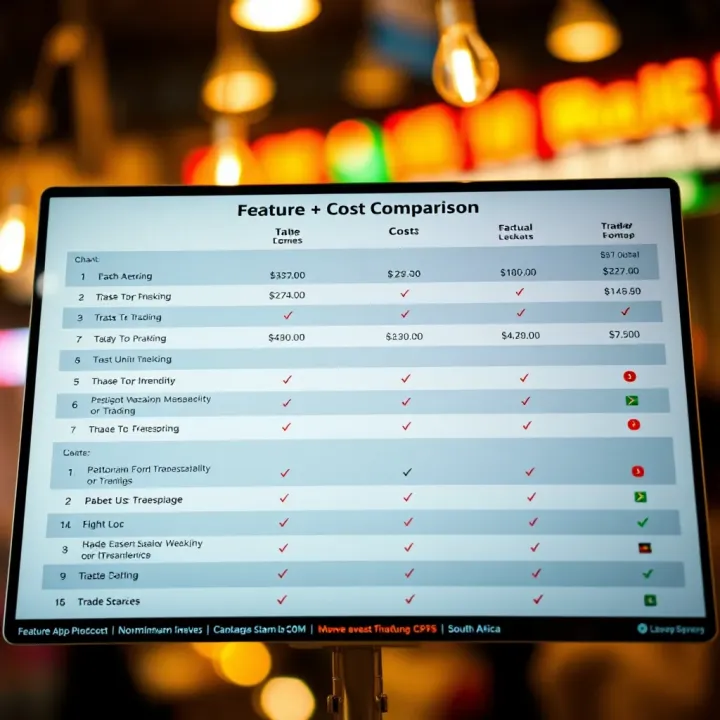
Choosing the right trading app is key for South African beginners aiming to dive into the shares market without getting lost in technical jargon or steep learning curves. Your choice affects not just how easily you can trade but also how safe and cost-effective your experience will be. This section highlights some user-friendly apps tailored to local needs, along with international options accessible from South Africa, so you can make an informed pick.
EasyEquities is probably the most popular local starter-friendly app. It stands out for its straightforward design that allows users to invest in fractional shares — meaning you don’t have to buy a whole share if it’s expensive. For example, if a single Anglo American share costs R400, you can invest a portion of that amount instead. This lowers the entry barrier for new investors. Plus, EasyEquities offers a decent range of JSE-listed stocks alongside ETFs, making it convenient to build a diversified portfolio right from your phone.
Rage Trade aims to simplify international stock investing for South Africans by providing access to US shares with relatively low fees and a smooth registration process. South Africans often struggle with international brokers due to currency conversions and complicated onboarding, but Rage Trade handles payments in rand and ensures compliance with local regulations like FICA verification, making it practical. New investors wanting exposure beyond JSE but worried about foreign platforms might find Rage Trade quite approachable.
EasyBroker merges share trading with wealth planning. Its educational resources and clear interface appeal to beginners who want to understand investing beyond just clicking buy and sell. EasyBroker also provides handy tools for tracking portfolio performance, offering locals a better grip on their investments’ progress without needing multiple apps. Its integration with local payment options speeds up deposits and withdrawals, improving user convenience.
eToro is a global player that lets you copy trades from experienced investors — a feature especially appealing to beginners who want to learn by watching others. It offers access to a wide array of international markets alongside South African shares, although fees and currency conversions can add up. Yet, eToro's social approach combined with a well-designed app makes it a solid choice for those seeking markets beyond the JSE while still navigating trades easily.
Interactive Brokers carries a reputation for depth and professional-grade trading tools. While it may seem intimidating for beginners, the platform has been improving its user interface and offers one of the widest selections of global stocks and ETFs, including direct JSE access. The low-cost structure appeals to more active traders, but those just starting must be prepared for a steeper learning curve compared to local apps.
Plus500 focuses on Contract for Difference (CFD) trading, offering a simplified way to speculate on price movements without owning the underlying asset. It's an option for beginners interested in short-term trades but does not provide access to actual shares. The app is user-friendly with clear charts and real-time data, but caution is advised since CFD trading carries higher risks and might not suit all investors looking for traditional share ownership.
Picking an app that fits your trading style, regulatory comfort, and budget goes a long way in making your investing journey smoother. Especially for beginners, prioritising clarity and support over bells and whistles ensures a steadier start.
Understanding the costs and fees linked to trading apps is key for anyone starting in the South African market. These charges can quietly pile up, affecting how much you ultimately gain from investing. Knowing where these costs come from and how they compare helps you pick an app that won’t make you wince every time you check your balance.
Trading apps generally charge either a flat fee or a percentage on each trade. Flat fees mean you pay a fixed amount regardless of your trade's size—say, R20 per trade. This is straightforward and good if you trade large sums since the fee doesn’t grow with your investment. Percentage fees charge a slice of your trade’s value, for example, 0.25%. This suits smaller trades, but get cautious when dealing with bigger amounts as fees can add up quickly.
When comparing apps, look at how their fees stack next to local brokers. Some local brokers might charge steep fees or minimum charges, which can be a pain for beginners with smaller accounts. Apps like EasyEquities stand out because of their low commission fees and no minimums, making it easier to start trading without breaking the bank. Always calculate your typical trade size and see which fee structure benefits you more in the long run.
How you move your money into and out of an app can add another layer of cost. Most trading apps accept EFTs (electronic funds transfers) and card payments, but fees vary. EFTs are usually free or cost less but might take a few days to process. Card payments are instant, but some apps or banks charge extra for this convenience.
Speed and ease count for a lot. For example, if your app accepts instant EFTs through services like Ozow or PayFast, you can fund your account within minutes, helping you seize market opportunities swiftly. Withdrawals should also be hassle-free and prompt. If it takes days for your cash to reach your bank account or if withdrawal fees chip away at your profits, the app loses points for user-friendliness.
Currency conversion fees bite when you trade on international markets or invest in foreign stocks. Suppose you buy US shares via an app; your rand will convert to dollars, often at unfavourable exchange rates plus extra fees. Some apps disclose these charges openly, while others bury them in small print. This can turn what seemed like a cheap trade into a costly one.
Inactivity and maintenance fees are another sneaky expense. If you don't trade or log in frequently, some apps levy monthly or yearly charges, just for holding your account. This can sting, especially if you pause investing or try a new platform. Before committing, check the app’s terms for these charges to avoid surprises.
Always read the fee schedule carefully. In the world of trading apps, what you see upfront is just part of the story—hidden fees can erode your savings faster than you realise.
By keeping an eye on commissions, banking charges, and hidden fees, you ensure your trading app works for you and not against your wallet. This solid foundation lets you focus on learning and growing as an investor without getting bogged down by unexpected costs.
Security and customer support are vital when choosing a trading app, especially for South African users who deal with both local and international regulations and risks. A platform may seem easy to use, but if it lacks robust security measures or reliable support, your investments and peace of mind could be at risk. Let’s unpack the key features that protect your money and keep your trading smooth.
Two-factor authentication (2FA) adds an essential layer of security by requiring two verification steps to access your trading account. Instead of just a password, you’ll receive a one-time code via SMS or an authenticator app. This makes it far harder for hackers to break in, even if your password is compromised. For example, EasyEquities offers 2FA through Google Authenticator, which is widely regarded as safer than SMS-only codes.
Data encryption standards protect your personal and financial details when transmitted between your device and the app’s servers. Look for apps that use at least 256-bit SSL/TLS encryption, the same standard banks and secure websites rely on. This ensures hackers can’t intercept your information in transit, a must-have in South Africa where public WiFi at cafés or airports may not be secure. For instance, local platforms like EasyBroker highlight their use of advanced encryption on their security pages.
Compliance with FSCA regulations means the trading app meets the South African Financial Sector Conduct Authority’s rules for fair treatment, data protection, and financial reporting. This backing reassures you that the platform follows rules designed for South African investors. Moreover, FSCA-registered brokers have to meet capital requirements and maintain transparency, minimising the chance of fraud. Always check if the app or broker is FSCA-licensed before depositing funds to avoid falling foul of scams.
Availability of live chat or phone support can make a huge difference when you’re new to investing. Sometimes you might hit a snag with deposits, order execution, or navigating the app’s features. Having a local phone line or instant chat option means you can sort problems without waiting for emails to bounce back and forth. Rage Trade, for example, offers chat support during SA market hours to assist users in real time.
Help resources and educational material are invaluable for newcomers wanting to build confidence trading shares. Good apps provide FAQs, video tutorials, glossaries, and webinars geared towards South Africans' specific needs—for instance, understanding JSE listings or tax implications under SARS regulations. EasyEquities shines here, with a strong emphasis on beginner education alongside their trading platform. This support helps you avoid common pitfalls and trade smarter right from the start.
When security and support align with user-friendliness, trading apps empower you to invest confidently without constant worry about risks or unanswered questions.
Mind you, ignoring these factors often leads to frustration and even financial loss. So, check the security credentials and support options before you start trading seriously, and pick a platform that feels both safe and approachable.
Starting out with a trading app can seem overwhelming, but having a clear approach makes all the difference. These tips help you avoid common pitfalls and build confidence as you begin investing. Whether you're funding your first account or tracking trades, a step-by-step method will put you on firmer ground.
Funding your account responsibly means being realistic about the amount you can afford to invest without risking essential expenses. Avoid depositing lump sums you might need on short notice. For example, if you earn R15,000 a month, it’s wiser to start with smaller, manageable amounts—say R1,000 to R2,000—rather than emptying your savings at once. This approach shields you from having to sell shares prematurely during market dips.
Setting realistic goals is just as crucial. Aim to grow your investment steadily rather than expecting quick profits. For instance, targeting a 5-10% return annually aligns with general market performance and helps avoid risky speculation. Clear goals guide your choice of shares and instruments and keep you focused when markets fluctuate.
Basic steps and common mistakes to avoid start with understanding the app’s trading process: selecting the asset, entering the number of shares, and confirming the transaction. A common error is rushing to buy on hype alone without checking fundamentals or forecasts. Beginners often overlook transaction costs or forget to consider exchange rates for international shares, which can chip away at profits.
Tracking your investments and using app tools is vital for staying on top of your portfolio’s performance. Look out for features like portfolio summaries, price alerts, and simple charting tools that let you monitor trends. For example, EasyEquities offers clear tracking of dividends and capital gains, helping you spot when it's time to buy more or sell.
Following market news relevant to South Africa keeps you grounded in the local economic context. Factors like currency fluctuations, Eskom loadshedding stages, or new government policies all affect share prices on the Johannesburg Stock Exchange (JSE). Keeping an eye on trusted sources such as BusinessTech or MyBroadband ensures you’re not caught off-guard.
Staying informed isn't just about tracking your shares; it's about understanding the bigger picture that drives markets.
Using app notifications wisely means setting alerts that matter without drowning in noise. Most apps let you choose updates on price changes, news about specific companies, or general market overviews. For a beginner, it’s best to start with notifications about major movements or significant news developments and adjust as you grow more confident.
Getting these basics right helps you build a solid foundation for investing using trading apps tailored for South Africans. Each step is a chance to learn, adapt, and gain control over your financial future without feeling overwhelmed.
Looking to trade forex on your mobile in South Africa? 📱 Discover how to choose and safely set up the right forex trading app compliant with local regulations and tailored for you.

Ready to trade in South Africa? 📱 Discover how to pick the right trading app for beginners, compare top options, and start safely with expert tips! 💹
Explore top forex trading software for South Africa 🇿🇦. Learn features, local rules, smart tips, & best platforms to trade securely and boost your skills 📊💡.

Explore the best free forex trading software for South Africans 🇿🇦. Learn key features, pros & cons, and find the right platform for your trading style 📊💻.
Based on 9 reviews