

The Risks of Trading Binary Options
Discover the risks of binary options trading in South Africa ⚠️ from scams and poor regulation to high losses. Stay informed before you invest your R.
Edited By
William Harper
Binary online trading scams have become a major thorn in the side for many traders and investors, both locally and abroad. These scams typically entice people with promises of quick returns through simple "yes or no" bets on asset price movements, such as currencies, stocks, or commodities. However, what starts as a tempting offer often results in significant financial losses for unsuspecting victims.
At the heart of these scams is the use of fake trading platforms that mimic legitimate brokerage websites. They often feature slick interfaces and impressive charts to give the illusion of real-time trading. The catch? These platforms manipulate results or prevent withdrawals altogether, trapping investors in a cycle of losses.

Fake platforms may use high-pressure tactics, urging you to deposit more funds to recoup losses, but this only deepens your financial hole.
Promoters lure clients via aggressive online ads or unsolicited calls.
After initial deposits, accounts appear to grow, encouraging larger stakes.
Withdrawals are refused or delayed indefinitely.
Customers experience escalating pressure to invest more under false pretences.
South Africa's financial regulatory environment, governed mainly by the Financial Sector Conduct Authority (FSCA), aims to shield consumers from such threats. Yet, many scam operators position themselves offshore or outside FSCA oversight, exploiting jurisdictional gaps to avoid accountability.
This makes it essential for traders and investors to verify a platform’s registration and authorisation status before committing any funds. Checking the FSCA’s online register and looking for the firm’s licence details provides valuable assurance.
Unsolicited Calls or Messages: Legitimate brokers rarely cold-call without prior consent.
Promises of Guaranteed Returns: No honest trader or platform guarantees profits.
Complicated Withdrawal Processes: Delays and excuses when you try to retrieve your money.
Pressure to Invest Quickly: Scammers try to rush decisions without time for assessment.
Being able to identify these red flags early on can save you from falling victim.
Understanding these basic elements equips you to critically assess investment offers related to binary options and avoid financial pitfalls. The rest of this article will cover practical steps for protection and reporting scams in South Africa’s context.
Understanding how binary online trading operates is essential before diving into the risks associated with scams. It provides the foundation for recognising deceptive practices, especially as many South Africans are drawn to this market for its apparent simplicity.
Binary trading is a form of financial trading where you predict whether an asset's price will move up or down within a set time frame. Instead of owning the asset itself—like shares or commodities—you essentially place a bet on the direction of the asset's value. If your prediction is correct, you receive a fixed payout; if not, you lose your investment.
This fixed-risk setup is straightforward, making it attractive for novice traders. For example, you might wager R500 that the Rand/Dollar exchange rate will rise within 30 minutes. If it does, you get a pre-agreed return, say R900. If it doesn’t, that R500 is gone.
Binary options are offered on various platforms, often accessible through websites or mobile apps. Common instruments include forex pairs, indices, stocks, and commodities like gold or oil. Platforms such as IQ Option or Pocket Option are popular globally, but their regulation status can vary widely. In South Africa, investors must be careful, verifying that platforms are licensed by the Financial Sector Conduct Authority (FSCA).
The high-risk, high-reward perception draws many to binary trading. Because potential profits and losses are set upfront, it seems easier to control risk compared to traditional trading. This makes it seem like a quick route to decent gains, which is appealing when compared with longer-term investments such as unit trusts or retirement annuities.
Plus, binary trading's online accessibility means anyone with a smartphone or laptop can start trading within minutes. There’s no need for large capital or expensive brokerage accounts. This convenience, combined with flashy ads promising fast money, hooks many first-time investors.
The simplicity of binary options is a double-edged sword. It makes the product easier to understand but also easier to manipulate for scams. With only two outcomes—win or lose—it’s straightforward for dishonest operators to rig results or mislead clients about risks.
Add to this the lack of consistent, clear regulation in certain areas where these platforms operate, and scammers find a perfect playground. Some brokers claim to be licenced or regulated but aren’t recognised by reputable authorities. When there isn’t strong oversight, it’s easier for fraudulent schemes to flourish.
Binary trading’s mix of simplicity, quick turnover, and low entry barriers creates fertile ground for scammers to exploit inexperienced investors.
South Africans must verify any platform's credentials carefully and avoid those promising sure-fire profits or pressure tactics. With fraudulent platforms hiding behind slick websites and catchy slogans, knowing how binary trading works helps you spot when things aren’t quite right.
Recognising the usual tricks scammers employ is key to avoiding losses in the world of binary online trading. These schemes often present themselves under the guise of legitimate investment opportunities, but digging a bit deeper reveals signs of deception. Understanding these common tactics helps investors stay a step ahead and protect their hard-earned money.
False licensing and credentials are one of the most common ways scammers gain trust. They often claim to be authorised by reputable bodies, sometimes forging licences or using names similar to well-known regulatory agencies to mislead investors. For example, a fake platform might show a licence number on their website that cannot be verified with South Africa's Financial Sector Conduct Authority (FSCA). Investors should check the FSCA’s official register to confirm the legitimacy of any broker before parting with cash.
Promises of guaranteed returns lure many into these traps. Scammers know that the promise of easy, high profits is a powerful motivator. They'll boast of returns as high as 90% or more, making it sound too good to miss. Yet, in reality, no investment can guarantee profits without risk—particularly with high-risk options like binary trading. These promises should sound alarm bells immediately.
High-pressure calls and emails are routine in fraudulent schemes. Scammers bombard potential victims with urgent phone calls or messages, pushing them to invest quickly or top up accounts. They often say opportunities are "running out" or try to create false scarcity to force rushed decisions. This pressure makes it harder for people to think clearly, undermining careful consideration.
Another slick trick is manipulating trading software results. Fraudsters may tamper with the user interface to show fake profits or losses, creating an illusion of control and success. Some platforms might delay or prevent trades from executing properly or ‘fake’ market moves to coax investors into betting more. This manipulation makes the platform unreliable and part of the scam.
Once money is deposited, many victims face delays or refusal to release funds. Scammers make excuses to hold back withdrawals, sometimes asking for additional payments to cover taxes, fees, or commissions before releasing the money. In practice, these payments are a tactic to bleed funds from the investor without returning anything.
Unexpected and hidden charges or fines come into play later in the process. Investors might find that withdrawing money triggers penalty fees or that account inactivity leads to sudden deductions. These fees often aren't disclosed upfront and serve as another way to drain the victim's balance. Always be cautious and read terms carefully.
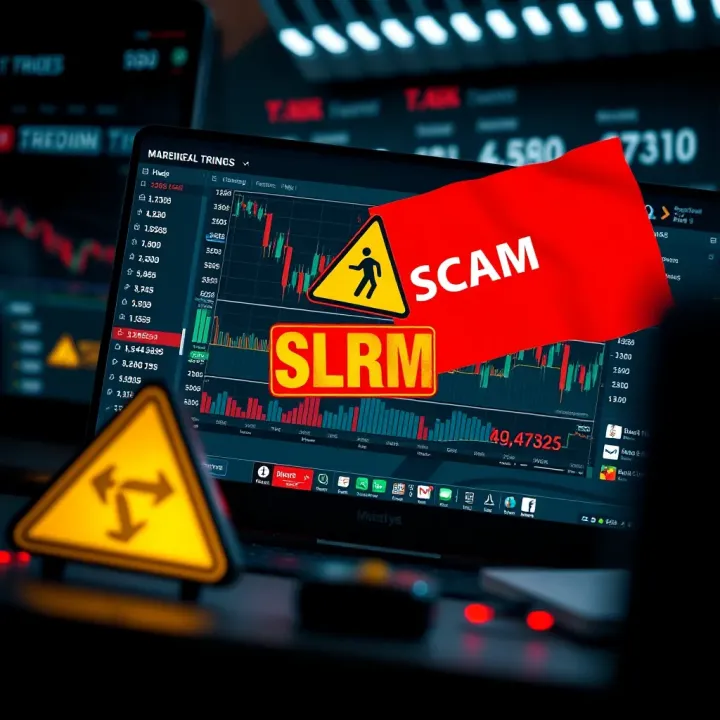
Being aware of these common tactics can save you from falling into costly traps. Always verify broker credentials, avoid rushed decisions, carefully monitor platform behaviour, and watch out for hidden costs before investing in binary options.
Spotting the warning signs of a binary trading scam is key to safeguarding your investments and peace of mind. Scammers often dress up their platforms and offers to appear legitimate, so knowing what to look out for helps you avoid costly mistakes and heartbreak. This section breaks down common red flags you can watch for before you part with your money.
Scam platforms often dangle the carrot of quick and easy profits. They might claim you can double your money in days or guarantee a set return regardless of market conditions. In reality, binary trading carries significant risk, and no credible broker can promise guaranteed gains. If you see adverts claiming "win R5,000 a day from your phone" or "risk-free trading with guaranteed returns," that's a big, flashing warning.
This tactic plays on the hope many investors have to supplement income quickly, especially in uncertain economies. But such claims usually mean the platform is more focused on getting your deposit than helping you trade successfully.
Legitimate trading platforms clearly explain the risks involved — including the chance of losing your entire investment. Scam sites either downplay risks or omit this information altogether. If you click through their terms and conditions only to find vague language or no detailed risk warnings, be suspicious.
For example, a genuine broker registered with the Financial Sector Conduct Authority (FSCA) must comply with disclosure requirements detailing typical risks and how binary options work. Scam sites rarely do this, leaving you blind to the potential downsides.
A trustworthy trading platform provides clear details about its regulatory status. This includes listing licences, regulatory bodies, and registration numbers prominently on their site. If you struggle to find such information or the details are ambiguous or unverifiable, that's a red flag.
Scammers often invent fake licences or mention offshore regulators known for lax oversight. They might use logos or registration numbers without any way to confirm legitimacy. Always cross-check licence details with official regulatory bodies to be sure.
In South Africa, the FSCA regulates financial service providers, including binary trading platforms. If a platform isn't registered with the FSCA or recognised by other South African authorities, it lacks the legal framework to operate here safely.
Using an unregistered platform increases your risk of fraud, as there's no local entity overseeing or protecting your interests. So, before investing, verify if the broker appears on FSCA's official register.
Scammers avoid open conversations that could expose their scheme. If customer support ignores your questions, delays responses, or gives vague answers, take heed. Legitimate brokers provide timely, clear communication to build trust.
For instance, if you request a withdrawal and receive no follow-up or conflicting explanations, it's a sign the platform prioritises trapping your funds over transparency.
A trustworthy platform offers multiple, verifiable contact methods—phone numbers, email, and physical addresses. Scam sites often hide behind poor or fake contact info to avoid accountability.
In some cases, the "contact us" page might list overseas numbers or generic emails that bounce back. If you can’t find reliable ways to reach real people, it's best to steer clear.
Remember, binary trading scams thrive on obscurity and false promises. Staying alert to these warning signs can save you from falling into their trap and help protect your hard-earned money.
South Africa’s regulatory system aims to prevent fraud in financial markets, including binary online trading. Knowing how it works helps you identify trustworthy brokers and avoid scams. Local regulations provide a safety net for investors by setting standards that brokers must follow and offering avenues for recourse.
The FSCA oversees the licensing and conduct of financial services providers, ensuring that brokers follow the rules. A licensed broker must meet minimum capital requirements, have a transparent business model, and be accountable to the FSCA’s continual supervision. This oversight reduces the risks associated with unregulated platforms.
Besides licensing, the FSCA imposes investor protection measures. These include mandatory disclosures about risks, fair marketing practices, and clear information on fees or penalties involved in trading. The FSCA also investigates complaints and can enforce penalties or shut down unethical operations, providing recourse if you fall victim to a scam.
One way to avoid rogue brokers is to check whether they appear on the FSCA’s list of registered entities. This public register confirms which companies are authorised to offer financial services in South Africa. If a broker isn’t listed, it should raise immediate red flags.
When assessing broker credentials, look for clear details such as a valid licence number, physical address, and transparent contact information. Genuine brokers will openly provide their registration with the FSCA and often belong to industry bodies or associations. Avoid intermediaries who dodge such questions or cannot verify their credentials.
The South African Police Service (SAPS) and specialised cybercrime units tackle financial fraud, including online trading scams. These units have the authority to investigate complaints, gather evidence, and prosecute offenders. Their role is crucial, especially where scams cross international borders or use complex online tools.
If you suspect a scam, it’s vital to report it promptly to both the FSCA and SAPS. The FSCA can intervene with regulatory measures, while SAPS handles the criminal investigation. Reporting helps authorities track scam patterns and can aid victims in recovering lost funds or preventing others from falling prey.
Always verify the legitimacy of online trading platforms with the FSCA before investing. Swift reporting of scams supports enforcement and protects the wider investing community.
By understanding and using South Africa’s regulatory framework, traders and investors can better defend themselves against binary trading scams and make informed decisions with greater confidence.
Navigating the binary trading world without falling foul of scams requires more than luck—it demands solid steps grounded in awareness and caution. Knowing how to protect yourself is key, not just for preserving your money but also your peace of mind. The next few paragraphs focus on actionable measures to recognise risks early and act wisely.
Before handing over your cash, dig into the broker’s history and reputation. Look out for reviews from other South African traders or mentions in financial forums like MyBroadband. If a broker claims to have been around for years but online searches turn up nothing, that should set off alarms. For example, a broker without independent reviews or visible team details often hides something.
Checking if the broker has a physical address in South Africa or elsewhere and whether they’ve faced legal action can save you grief later. The practical benefit here is simple: informed decisions reduce chances of walking into a trap.
The Financial Sector Conduct Authority (FSCA) oversees financial businesses in South Africa. Always check if your broker appears on the FSCA’s official register. A legitimate broker will proudly show their FSCA licence number. Keep in mind, scammers might fake this licence info, so verification on the FSCA website is crucial.
A broker not regulated by the FSCA or a recognised international regulator (such as the FCA in the UK) should be treated with suspicion. This step not only protects your money but ensures any disputes can be escalated to proper authorities if things go wrong.
When trying a new binary trading platform, start with a small deposit—say, R1,000 or less. This limits your exposure in case the platform is a scam or unstable. For instance, several South Africans reported losing R10,000 after jumping in with big deposits without testing the waters first.
By beginning small, you gauge how the platform operates and whether withdrawals and communication work as promised. It’s also a handy way to practise trading strategies without risking too much.
Many scams begin by fishing for personal and financial information. Be wary of platforms or agents that pressure you for ID documents, banking details, or passwords beyond what’s required by regulation.
Oversharing your cellphone, ID number, or banking info could leave you vulnerable to identity theft or unauthorised transactions. Keep interactions tight and always confirm the legitimacy of requests. If you smell something fishy, stop and reassess.
If you suspect scam activity, don’t hesitate to report it immediately. The FSCA has an online complaint system tailored for financial frauds, including binary trading scams. They coordinate investigations and can alert other regulators.
At the same time, report the matter to the South African Police Service (SAPS), especially their cybercrime unit. Timely reporting ups your chances of blocking scammers before they hit others.
Victims often don’t know the next step after losing money. Consulting a legal professional familiar with cybercrime and financial scams helps clarify your options.
Similarly, a financial advisor can assist with managing losses and rebuilding investment plans. These experts won't promise miracles but can guide you out of a tight spot more safely. Remember, trying to handle complex scam cases alone often worsens the situation.
Taking simple but firm steps—checking regulations, trading cautiously, limiting personal info shared, and knowing where to report—makes a real difference against binary trading scams. Protecting yourself is not just smart, it's necessary in today’s online trading scene.
Binary online trading scams can leave victims facing severe financial losses and emotional upheaval. Recognising these consequences helps traders prepare better and respond appropriately if caught out. It also sheds light on realistic recovery paths and how support structures function within South Africa.
Loss of invested funds: One of the most immediate consequences of falling for a binary trading scam is losing the money invested. Scammers often vanish once payments are made, or they create artificial losses through rigged platforms. For example, a trader might put in R20,000 expecting fast returns but find their account drained within days without any possibility to withdraw. Such losses can be devastating, especially for those investing personal savings or borrowed funds.
Stress and loss of trust: Beyond the financial hit, victims frequently suffer stress, anxiety, and a deep loss of trust in financial institutions or online trading. This emotional toll can disrupt personal life and business focus. Imagine an entrepreneur whose confidence in legitimate investment opportunities diminishes after a scam; this could affect future decisions, limiting their willingness to engage in worthwhile trading or investment activities.
Reporting theft or fraud: It’s vital to report any suspected scam to authorities like the Financial Sector Conduct Authority (FSCA) and the South African Police Service (SAPS), especially their cybercrime units. While this may not guarantee immediate recovery, it contributes to investigations that can shut down fraudulent operators. Prompt reporting also helps build a case if legal action becomes possible.
Possibility of recovering funds: Recovering money from scams is challenging, but not impossible. Success depends on factors like how quickly the case is reported and the cooperation of financial institutions. Victims should seek legal advice promptly to explore options such as tracing funds or freezing accounts. However, the reality is many lose their money permanently, underscoring why prevention remains key.
Education initiatives by FSCA and others: The FSCA actively runs awareness programmes targeting traders to identify scams before losses occur. These campaigns use real-life examples, advice on broker verification, and explain how to spot red flags. Participating in these initiatives or keeping up with their materials equips investors with knowledge that cuts the risk of falling for schemes.
Community resources to stay informed: Besides official campaigns, community forums and financial advice groups, both online and offline, serve as valuable sources of information and support. Joining such networks allows traders to share experiences, warn each other about dubious entities, and stay updated on regulatory changes. In South Africa, trusted platforms and social media groups focused on financial literacy can be a big help.
Staying alert and informed forms the first line of defence against binary trading scams. Understanding possible aftermaths and ways to recover arms you with practical steps to manage risks effectively.
Discover the risks of binary options trading in South Africa ⚠️ from scams and poor regulation to high losses. Stay informed before you invest your R.
⚠️ Learn why binary options trading poses high risks for investors in South Africa, including market flaws, lack of regulation, and scams to watch out for.

🤖 Discover how binary bots automate trading in South Africa's binary options market, their tech, risks, strategies, and regulatory tips for smarter trading decisions.
📈 Learn proven strategies for trading binary options in South Africa. From risk management to timing, master market trends and technical tools for better trades!
Based on 14 reviews