
Risks and Drawbacks of Binary Options Trading
⚠️ Learn why binary options trading poses high risks for investors in South Africa, including market flaws, lack of regulation, and scams to watch out for.
Edited By
Sophie Bennett
Binary options trading might seem like an easy way to make money, but it carries its own set of serious drawbacks that many don’t fully realise at the start. In South Africa, where the financial market landscape is already complex due to local regulations and economic conditions, diving into binary options without understanding these downsides can be risky.
To begin with, binary options are notorious for their high risk and quick losses. The fixed payoff structure means you either win a set amount or lose your entire stake, with nothing in between. For example, if you bet R1,000 on the price of the Rand-Dollar exchange rate moving a certain way, you could lose the whole R1,000 in minutes if the market moves against you. This all-or-nothing approach can wipe out traders’ funds fast, especially beginners who get caught up in the simplicity of the process.

Another significant issue is the lack of regulation. Unlike forex or the JSE where regulators enforce strict rules, binary options often operate from offshore platforms that South African authorities cannot monitor fully. This regulatory gap creates openings for shady operators. Several scams have been reported where traders deposit money but struggle to withdraw winnings or find themselves pushed into new bets under pressure.
“Be cautious of brokers promising guaranteed returns or forcing you to trade more.”
Transparency is another problem. Many platforms do not clearly reveal the algorithms determining trade outcomes or how prices are sourced. The prices shown might not reflect true market rates but are instead set by the broker to favour the house, putting traders at a disadvantage.
Besides, the binary options market lacks the analytical tools and detailed data typical of equities or forex trading. This shortage makes it tougher to make informed decisions, with most traders relying heavily on guesswork or tips from unreliable sources.
High likelihood of losing your entire investment quickly
Minimal regulation leaves traders exposed to fraud
Poor transparency in pricing and trade execution
Lack of reliable analytical information to guide choices
Approaching binary options with this knowledge helps South African traders avoid costly mistakes. Remember, if it looks too good to be true, it usually is—so tread carefully rather than diving in blindly.
Grasping the risks involved in binary options trading is essential before stepping into this market. Many traders overlook how the all-or-nothing nature can quickly wipe out investments, especially in volatile environments. Recognising these hazards helps traders manage expectations and prepare suitable strategies, rather than diving in blindly.
Binary options operate on a simple premise: you either win a fixed amount or lose your entire stake. There’s no middle ground or partial returns. For example, if you predict the price of gold will rise in the next hour and it doesn’t meet your target, you lose your initial investment entirely. This zero-sum game means the risk of loss is immediate and total. Traders accustomed to more traditional forms of trading, where positions can be adjusted or closed partially, may find binary options particularly unforgiving.
Since the payout is predetermined and based on yes/no outcomes, a single wrong bet wipes out your entire investment for that trade. There’s no chance to recover part of a losing position or hold out for a turnaround, unlike in share trading or forex. For instance, if you invest R1,000 on the outcome of a stock index movement and lose, you get zero back. This creates intense pressure, as a series of losses can rapidly erode your trading capital, leaving you sidelined with little to show.
Many binary options vary over very short durations — from 60 seconds to a few minutes. Markets can swing dramatically in this time, influenced by sudden news or data releases. For example, during an Eskom loadshedding announcement, the rand may fluctuate unpredictably within minutes, throwing off predictions. Quick price shifts often work against traders who rely on guesswork rather than solid analysis, making profitable trades more like bets than calculated moves.
Short time frames force split-second decisions, which can increase mistakes. Traders have little time to research, assess market trends, or adjust strategies. This speed often leads to impulsive trades driven by fear or greed rather than logic. Such pressure can be mentally draining, especially if repeated losses pile up. Imagine someone trying to predict forex market moves every minute—it’s exhausting and usually unsustainable without strict discipline and experience.
Understanding these risk elements helps traders see why binary options remain a high-stakes game rather than a simple, guaranteed way to earn money. Being aware is key to avoiding unnecessary losses and recognising when this form of trading might not suit your style or goals.
Regulatory oversight plays a key role in any financial market, and binary options trading is no different. In South Africa, the relative lack of strict regulation around binary options creates a risky environment for traders. Without solid rules and active enforcement, traders face limited protection, and unscrupulous operators can easily exploit gaps in the system. Understanding these regulatory challenges is vital for anyone considering binary options trading here.
South African traders often find themselves exposed to unregulated or loosely regulated binary options platforms, which offer minimal safeguards. Unlike traditional financial trading, where entities are usually registered with the Financial Sector Conduct Authority (FSCA), many binary options brokers operate beyond the reach of local regulators. This means if things go wrong, traders have little to no protection, and complaints may fall on deaf ears.
For instance, if a trader encounters a platform that suddenly withholds funds or manipulates trades, there’s no guarantee of intervention by authorities. This lack of regulatory backing can lead to severe financial losses without a safety net. It’s a situation where traders are effectively on their own, which raises red flags about the overall security and fairness of the trading environment.
The absence of tight regulation also makes it challenging for traders to claim legal remedies. Even when a platform is responsive, enforcing contract terms or disputing unfair practices is complicated and often expensive. Cross-border brokers, particularly those without a physical presence in South Africa, may ignore local laws altogether, leaving traders with little chance to recover lost money.
Legal processes against rogue brokers tend to drag on, with low chances of success. This discourages many South Africans from pursuing formal complaints, effectively letting fraudulent operators get away scot-free. It’s a reminder that the regulatory framework around binary options still needs significant strengthening to protect individuals effectively.
The gap in strict licensing means a flood of rogue brokers are targeting South African traders. These platforms often promise quick profits and use aggressive marketing tactics to lure in unsuspecting clients. However, many lack transparency, fail to execute trades fairly, and sometimes vanish with client funds.
Such rogue operators are easy to spot when a broker refuses to provide verifiable license information or uses generic, unverifiable company details. For example, a number of bogus brokers have been reported on local forums after South Africans noticed suspicious withdrawal delays or sudden account closures without explanation.
Scams related to binary options often include fake trading platforms designed to siphon off deposits or manipulate results to generate losses. Sales agents frequently promise guaranteed returns or insider tips, pushing traders toward depositing large sums quickly.
Moreover, some scams involve fake testimonials and impersonation of legitimate companies to build trust. These tactics exploit the less-stringent regulatory environment to operate mainly unchecked. South African traders should beware of unsolicited calls or messages offering too-good-to-be-true deals and always verify the broker’s registration status with the FSCA.
With weak regulatory enforcement, unlicensed brokers continue to threaten the safety and confidence of binary options traders in South Africa. Staying informed and cautious is crucial.
Understanding these regulatory challenges helps traders steer clear of high-risk platforms and makes it clear why binary options trading isn't straightforward in the South African context.
When trading binary options, understanding how costs and fees impact your overall profitability is key. Unlike traditional investments where commissions might be transparent, binary options often carry hidden or less obvious charges. These costs chip away at your potential returns and can turn a seemingly successful strategy into a losing one over time.
Impact on net returns: Many traders don’t immediately spot the fees embedded in their trades. Even a small percentage deducted here and there can significantly erode your net earnings, especially if you trade frequently. Imagine you start with R10,000 but face deductions like withdrawal fees or service charges—your actual capital working for you shrinks without you realising it. Over months, these fees can add up to a substantial loss, leaving you frustrated and wondering why profits aren’t stacking up.
Examples of common fees: Common fees include withdrawal fees, inactivity fees, and sometimes charges for holding positions overnight. Some platforms also take a cut from your winnings under the guise of “commission”. For example, a broker might advertise a payout of 80% but impose a withdrawal fee of R150 or a fixed percentage per trade. These charges are often buried in the fine print, misleading traders about the actual cost of trading. Knowing these fees beforehand helps to calculate true profitability.
Effect on long-term gains: Payout ratios in binary options are usually lower than what a winning trader would expect to net in other markets. Even when you correctly predict the market direction, the payout might only be 70-85% of your stake. This means you need to win far more than half your trades just to break even. It can be tough to maintain consistent profits when the margin between the stakes and rewards is so narrow.
Comparisons with other trading types: Compared to forex or share trading, where profits are proportional to price movement and leverage, binary options offers a fixed payout that doesn’t always reward skill adequately. For instance, a forex trader might make a 1% gain on a trade, but with proper risk management, that adds up steadily. In contrast, binary options’ all-or-nothing nature means you either get a fixed return or lose your whole stake, with low payouts squeezing your margin for error.
Hidden fees and low payouts turn binary options trading into a tough path for sustainable gains. Traders must weigh these costs carefully before committing their hard-earned Rands.
Understanding these cost factors can save you from disappointment and help manage expectations realistically. Trading is expensive enough without sneaky charges and unfavourable payouts cutting into your returns.
Transparency and fairness are cornerstones of any trustworthy financial market. In binary options trading, these elements often fall short, posing real challenges for traders who might not see the full picture. The opaque nature of pricing and execution can obscure how trades are valued and settled, while conflicts of interest may skew outcomes away from the trader’s advantage.
One of the major issues with many binary options platforms is that they do not use genuine market prices. Instead, prices are often generated internally or delayed, which detaches the trade’s outcome from actual market movements. This means you might think you’re trading on, say, the JSE Top 40 index, but the prices you see don’t reflect real-time market changes.
This disconnect can lead to scenarios where your trade loses simply because the broker’s feed lags or the platform adjusts prices to limit payouts. For South African traders, who rely on price transparency to make informed decisions, this lack can seriously skew risk assessments and lead to unexpected losses.
Beyond just delayed prices, some brokers can influence execution in ways that work against the trader. Since binary options often involve the broker acting as the counterparty, they may have a financial incentive to reject profitable trades or delay execution to affect the result.
In some cases, trades close prematurely or prices jump abruptly only within the broker’s system, not on open markets. This practice severely undermines trust and fairness, leaving traders no real chance to verify or contest outcomes. For instance, a trader expecting a payout from a successful call option might find the trade inexplicably labelled a loss after execution.
A fundamental conflict in binary options trading lies in the broker’s profit model. Because they often make money from clients’ losses, brokers have an incentive to design systems or terms that tilt the odds against the trader. This runs counter to traditional brokerage where revenue typically comes from commissions rather than client losses.
For someone trading here, it means you’re effectively betting against the broker, which can create a misalignment. This difference is important: your interest is growing your investment, but the broker’s is to maximise the number of losing trades.
Manipulation can take many forms, from tweaking the timing of trade closures to selectively applying price changes within the platform. Such unfair practices erode market fairness and complicate any effort to succeed based on skill or analysis.
A practical example is the sudden movement of asset prices—say, a forex pair or commodity—right before expiry to trigger losses on multiple trades. These moves often don't match external market data, suggesting internal interference. For South African traders, this can mean your R500 trades are lost on technicalities rather than market realities.
Traders should be alert to the possibility of these unfair practices and carefully vet brokers, preferring those with locally recognised licences and transparent trading conditions.
Understanding these transparency and fairness issues helps highlight why binary options trading carries significant hidden risks. Knowing this can steer you clear of platforms where market integrity is questionable, helping protect your capital in the long run.
Binary options trading might look straightforward, but it often fails to provide lasting value to most traders, especially those looking to build genuine skills or expand their investment knowledge. It relies heavily on short-term outcomes that feel more like a gamble than strategic trading. This section explains why many traders might find it unsuitable, pointing out both educational and psychological drawbacks.
Binary options largely depend on predicting whether an asset’s price will rise or fall within a set time, usually minutes or hours. This all-or-nothing setup means traders often make decisions based on gut feeling or luck rather than detailed market analysis. Unlike share trading or forex, where understanding fundamentals, technical charts, and macroeconomic factors can improve your edge, binary options offer limited room to apply such strategies.
For example, a trader predicting the JSE All Share Index direction over five minutes might just be guessing, since short-term price fluctuations often don’t follow predictable patterns. This reliance on chance can quickly erode confidence, leaving traders with few tools to improve or learn from experience.
Because binary options don't require analysing detailed market data or broader economic contexts, the knowledge gained seldom helps in other investment arenas. Skills like reading candlestick charts, understanding volume trends, or assessing company fundamentals don’t translate effectively.
Say you spent months trading binary options on commodities like gold or platinum; the jump to investing in physical shares or ETFs might feel like starting from scratch. This is unlike traditional trading, where honing analytical skills can build a foundation for diverse financial markets. For many South African traders wanting to grow their portfolios, sticking to binary options could stunt development.
Binary options’ short expiry times and simplicity fuel impulse decisions. Traders may jump in without fully considering risks or strategies just because the platform makes it quick and easy to trade again. This can be particularly tempting during load shedding hours when boredom or frustration drives the urge to test luck.
Impulse trading often leads to increased losses, as snap decisions ignore market signals or risk management. For instance, chasing losses with rapid trades can spiral into draining your investment, leaving little room to reflect and adjust strategies.
The all-or-nothing nature means losses may feel sharper. Missing out multiple times in a row can cause anxiety and stress, eroding mental resilience. For South Africans juggling everyday pressures — like rising living costs or job insecurity — the emotional strain from repeated losses can be significant.
This emotional burden doesn’t just affect your trading discipline; it often spills into daily life, affecting mood and decision-making elsewhere. Traders often underestimate this psychological cost, which can result in stepping away from markets altogether or, worse, falling into patterns of compulsive behaviour.
Understanding these psychological factors is vital. Trading shouldn’t just be about quick wins but steady growth and learning — something binary options don’t typically encourage.
In short, binary options trading might seem appealing for quick financial gains, but for most traders, the lack of skill-building and psychological challenges present real hurdles. It’s wise to consider these downsides carefully before committing your hard-earned Rand to this high-risk approach.
⚠️ Learn why binary options trading poses high risks for investors in South Africa, including market flaws, lack of regulation, and scams to watch out for.
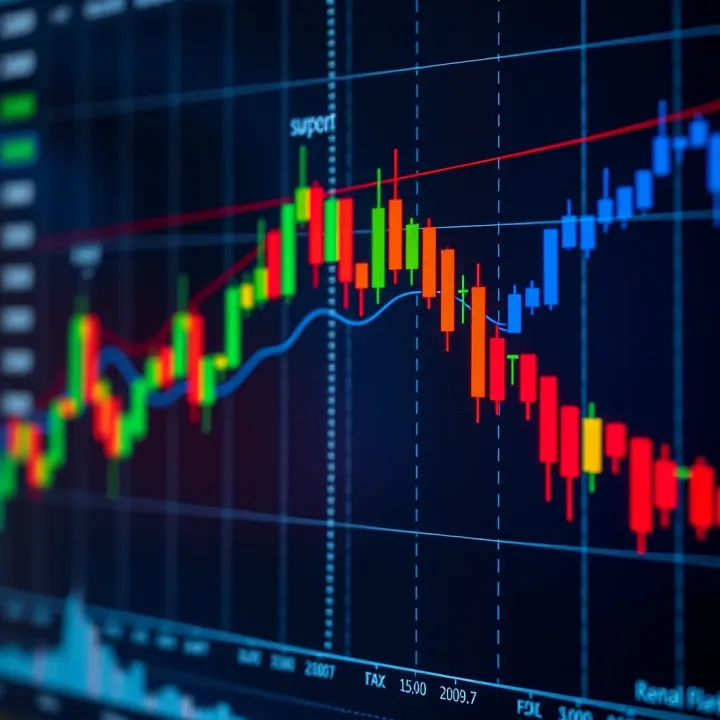
📊 Explore how graphic trends guide binary options trading decisions, covering chart patterns, indicators, and key strategies to manage risks effectively.
📚 Discover top free books on binary options trading for beginners & seasoned traders! Learn key strategies, avoid common pitfalls, and build your skills without spending a cent.
Learn how to access and use free funds to trade binary options safely 🇿🇦. Get tips on bonus rules, trusted brokers, and strategies to protect your investments.
Based on 10 reviews