

Understanding Free Binary Signals for Trading
Learn how free binary signals work in trading, their pros & cons, and get tips to avoid scams. Perfect for South African traders seeking smart strategies 📉💡
Edited By
Amelia Turner
Binary bots are software tools designed to automate trading in binary options markets by following pre-set algorithms. Instead of waiting to make manual trades, these bots can open and close positions quickly, often within seconds of market changes. For South African traders, this means potentially faster responses to market swings without needing to be glued to the screen all day.
What sets binary bots apart is their ability to instantly execute trades based on technical signals programmed by their developers. For example, a bot might be set to buy a call option when the price of a stock crosses its 50-day moving average or to sell if the asset hits a certain loss threshold. They remove the emotional side of trading and focus purely on data-driven decisions.

That said, binary bots aren’t guaranteed money earners. The algorithms depend heavily on market conditions and the reliability of the strategy behind them. Some bots perform better on high-volatility assets, while others thrive in steadier markets. It’s also important to note that automated systems might misfire during unexpected events, like sudden political announcements or Eskom load shedding affecting market liquidity.
Using a binary bot requires thorough understanding and cautious testing. Blindly trusting an untested bot can be costly.
Key features of binary bots:
Speed and Efficiency: Executes trades faster than human reaction times.
Customisable Strategies: Traders can often tweak settings to match their preferred risk levels.
24/7 Operation: Bots can trade outside of typical market hours for some assets.
Risk Settings: Limits can be set to prevent large losses.
Understanding these basics helps South African traders decide if a binary bot fits their approach. Before using one, always check if it complies with local regulations and ensure you have a clear exit strategy. In later sections, we’ll explore how their technology works in detail and what safety measures to keep in mind.
Binary bots have become a key tool in the world of binary options trading, especially for traders looking to automate the buy and sell decisions that normally demand continuous attention. Understanding how these bots operate is essential for anyone keen to make efficient, timely trades without needing to monitor the markets constantly.
Automated trading in binary options refers to software programs that automatically place trades on behalf of the user based on preset rules or algorithms. Instead of manually clicking to buy a call or put option, the bot analyses market input and executes trades according to its settings. This removes the burden on traders to watch price movements all day, which can be particularly useful during volatile periods or outside regular trading hours.
For example, a trader in Johannesburg who cannot monitor the markets overnight can configure a binary bot to trade automatically, capturing opportunities that would otherwise be missed.
Role of algorithms in decision-making is central to how binary bots function. These algorithms are sets of instructions that evaluate market data, spot patterns or technical indicators, and decide whether a trade meets the criteria for action. The advantage here is speed and consistency. Unlike humans, algorithms do not suffer from fatigue or emotional trading mistakes. They process large streams of data fast and stick strictly to the rules crafted by their developers or users.
This means that a bot can instantly respond to changing market conditions with zero hesitation, something a manual trader struggles to do in real-time.
Market data analysis drives the entire operation of binary bots. Bots use inputs like price charts, volume, volatility, and other technical indicators sourced from real-time market feeds. For instance, a bot may analyse a moving average crossover or RSI (Relative Strength Index) to determine if an asset is trending or overbought.
By constantly monitoring these data points, bots aim to predict short-term price direction with some degree of accuracy, which is crucial in binary options where traders bet on simple ‘up or down’ price moves.
Execution of buy and sell orders is automatic once the bot identifies a suitable trading signal. This means the bot interacts directly with the trading platform, entering trades and closing them according to the strategy’s timing and risk parameters. Execution speed can be a big plus because even a few seconds’ delay can affect outcomes.
In South Africa, where internet connectivity can fluctuate, ensuring a stable connection is part of making automation work effectively.
User input versus automation is the balance each trader must strike. While the bot can do the heavy lifting, initial parameters, risk levels, and strategy preferences need to be set by the user. Some bots offer more flexibility than others, allowing customisation of when and how trades take place.
This hybrid setup keeps the trader in control while benefiting from the bot’s speed and data processing. Ignoring this can lead to misplaced trust in automation and potential losses.
In short, binary bots are tools designed to simplify and quicken the trading process by using algorithms to process market data and execute trades. Understanding each step helps traders decide whether automation fits their style and goals.
Binary bots bring a new dimension to trading binary options, but their use comes with both perks and pitfalls. Knowing these helps traders decide if automated systems fit their needs and risk appetite. While the appeal of bots deploying trades around the clock with speed and emotion-free decisions is obvious, understanding the risks safeguards against unexpected losses.
Binary bots can operate nonstop without breaks, weekends, or public holidays. This means trades can be executed at any time, capitalising on opportunities when human traders might be away from their screens or resting. For example, a trader in Johannesburg can have their bot active during overnight US market moves or early Asian trading hours, potentially capturing profitable trends beyond local working hours.
Human traders often face stress, fear, or overconfidence, causing erratic decisions that hurt profitability. Binary bots stick rigidly to their programmed rules, placing trades based on data and set criteria without hesitation or panic. This removes the danger of chasing losses or rashly cutting winning trades short. For instance, a bot won’t second-guess a strategy after a small losing streak, whereas many humans might abandon it prematurely.
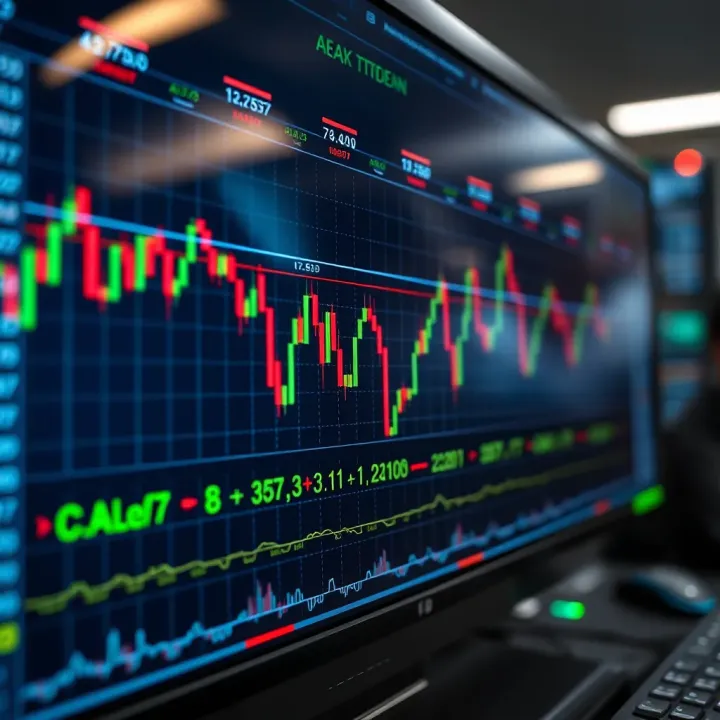
Markets react in split seconds, and binary bots can match that pace. They analyse data and place orders much faster than a person clicking manually, reducing slippage and taking advantage of fleeting price movements. In volatile moments, a bot might place trades milliseconds earlier than a human could, providing a small but meaningful edge in execution.
Bots can amplify losses if set with flawed strategies or inadequate risk management. They don’t guarantee profits and can rapidly drain capital if market moves run counter to their algorithms. For example, an over-aggressive bot with high trade frequency might lose substantial funds during sustained downtrends, especially on unpredictable news days.
Most binary bots perform towards strategies suited for trending or stable markets. When markets enter unusual phases, like unexpected crashes or extreme volatility, some bots fail to adapt and may produce repeated losses. This means bot efficiency can vary widely depending on current market scenarios.
Automatic systems can’t interpret sudden economic shocks, geopolitical events or local news the way a human analyst does. Bots follow pre-set rules and miss nuances like an impending policy announcement or social unrest that a trader might consider. During such times, human intervention or pausing bot activity can prevent rash automated trades that worsen losses.
Understanding these advantages and challenges helps traders use binary bots responsibly, combining technology with good oversight rather than relying blindly on automation.
Understanding the technology behind binary bots is key to grasping how they operate efficiently in fast-moving markets. At their core, these bots rely on algorithms that process vast amounts of data and make trading decisions automatically. This removes the need for constant manual involvement, enabling trades to happen swiftly and around the clock.
Most binary bots are built on technical indicators that analyse price movements and volume data. Indicators like moving averages, Relative Strength Index (RSI), or Bollinger Bands identify trends and potential entry or exit points based on historic price patterns. For example, if a moving average crossover signals an upward trend, the bot might quickly place trades aligned with that direction. This approach mimics how human traders interpret charts but with faster, emotion-free execution.
Pattern recognition enhances this by detecting recurring formations in price charts such as head and shoulders or triangle patterns. Bots scan real-time data for these setups and act accordingly. In practice, a bot might spot a double bottom pattern indicating a possible price rebound and trigger a call option to capitalise on the expected rise.
Beyond traditional indicators, some binary bots incorporate machine learning (ML) and artificial intelligence (AI) to improve their forecasting. These bots learn from past trades and market conditions to refine their strategies over time. For instance, an ML model might adjust how much weight to assign to certain indicators depending on recent data accuracy.
This adaptability is valuable in volatile markets where fixed-rule strategies can falter. AI-driven bots can identify subtle shifts and hidden correlations that human traders might miss. However, these systems need large data sets to train on and require caution to avoid overfitting — where the model performs well on historical data but poorly on new situations.
Access to real-time market data is critical for binary bots to function effectively. These bots depend on streaming price quotes, order book updates, and news feeds to make timely decisions. Delays or outdated information can cause missed opportunities or erroneous trades.
For example, a bot detecting an economic announcement surge relies on immediate access to news sentiment and price moves to act before the event’s impact is fully priced in. South African traders should verify that their chosen platforms provide reliable data feeds to avoid lag.
Even the best algorithm can only work well if supported by a fast and stable internet connection. Any interruption or slowdown can disrupt a bot’s operation, causing delays in trade execution that may lead to losses. This is especially relevant where milliseconds matter, like in binary options trading.
Traders in areas prone to unstable connections, or who experience loadshedding, might consider options like backup mobile data or uninterruptible power supplies. Maintaining a smooth connection ensures your bot stays synced with real market moves rather than stale or partial data.
Reliable technology—both in terms of smart algorithms and solid data infrastructure—forms the backbone of any successful binary bot strategy. Overlooking either can severely dent performance and increase risk.
This combination of intelligent algorithms and dependable data access gives binary bots their edge, enabling automated decisions that could otherwise be impossible for a human to make as quickly or consistently.
Binary bots operate based on a handful of trading strategies tailored to different market behaviours. Understanding these strategies helps traders choose or design bots that align with their goals and risk tolerance. Each approach comes with its own strengths and caveats, especially in the fast-moving binary options space where timing is everything.
Trend following means spotting the overall direction of the market—whether prices are generally heading up or down—and placing trades that bet on this movement continuing. Binary bots programmed for this strategy rely heavily on technical indicators such as moving averages or the Relative Strength Index (RSI) to identify trends early.
For instance, if the bot detects a consistent upward trend in a currency pair like USD/ZAR, it will execute buy orders expecting the price to keep rising. This approach suits markets with clear directional momentum, but can struggle in choppy or sideways conditions which often cause false signals.
Range trading focuses on price moving between two clear levels, a floor and a ceiling. Here, bots look for moments when an asset’s price hits these boundaries and is likely to reverse rather than break out. Range-bound markets are common during low volatility periods, making this strategy useful when the market lacks a clear overall direction.
For example, if the price of gold fluctuates between R28,000 and R29,000 per kilogram, a range-trading bot will place a call option near the lower boundary and a put option near the upper boundary. The challenge is accurately identifying support and resistance levels, which can shift unexpectedly.
This strategy involves reacting quickly to economic announcements or events that influence markets. Binary bots using news-based trading analyse feeds about interest rate decisions, employment figures, or political developments, then execute trades to capitalise on expected price movements.
An example would be a bot programmed to trade on South African Reserve Bank’s interest rate announcements. If a hike is expected, the bot might anticipate a strengthening rand and open call positions accordingly. The risk here is the unpredictability of market reaction—sometimes prices move opposite to expectations, so timing and speed are critical.
Successful binary bots often combine these strategies or adjust parameters based on current market conditions. For traders, understanding these common approaches is key to choosing bots that work for their specific needs and improving overall trading outcomes.
For traders in South Africa, understanding the practical aspects of binary bots goes beyond just the technology. Legal frameworks, platform reliability, and security measures can all directly affect both your trading experience and your financial safety. Practical knowledge helps you avoid pitfalls, especially in a market still shaping its regulatory landscape.
Binary options trading in South Africa occupies a somewhat grey area. While the Financial Sector Conduct Authority (FSCA) regulates legitimate financial trading, it has warned the public against unregulated platforms offering binary options. The reality is many South Africans access offshore brokers which often operate outside local jurisdiction, carrying risks in consumer protection and dispute resolution.
As a practical matter, traders should stay alert to official FSCA updates and make sure any platform they use complies with South African financial regulations or is authorised by recognised bodies abroad. Using unregulated services can spell trouble, from blocked withdrawals to falling victim to scams.
Compliance mainly involves identity verification and financial reporting to curb fraud and money laundering. South African traders engaging in binary options are subject to the Financial Intelligence Centre Act (FICA), meaning platforms should request proof of identity, address, and source of funds. This process may seem tedious but helps protect users and fosters legitimacy within trading activity.
Always choose brokers and bots that adhere to FICA requirements, so you're less likely to encounter account freezes or legal troubles. Non-compliance might also mean your taxes are harder to track, impacting SARS reporting.
A credible platform offers transparent terms, clear customer service channels, and secure transactions. South African traders can check for FSCA recognition or at least a licence by reputable international watchdogs. The website's security, such as SSL certificates, and payment options also say a lot about trustworthiness.
For example, a binary bot service allowing deposits through familiar local options like EFT or SnapScan tends to inspire more confidence than those pushing obscure payment methods. Watch out for platforms without verifiable contact details or with too-good-to-be-true promises.
Checking other users' experiences offers invaluable insight. Look beyond the platform's marketing and read independent reviews on forums or social media. Key aspects include withdrawal reliability, bot performance consistency, and customer support responsiveness.
Beware of sponsored reviews or fake testimonials; genuine user feedback often shines through on South African trading groups or well-known finance websites. An established track record over months or years is a good indicator of stability and service quality.
Security can't be overstated. Using complex passwords, enabling two-factor authentication (2FA) on both your trading account and email, and avoiding public Wi-Fi when trading can drastically reduce risk. Given increasing cybercrime in South Africa, these safeguards are your first line of defence.
Never share login details or sensitive information with anyone. And keep your device software updated, as outdated systems are vulnerable to hacking.
Responsible trading means setting strict limits on how much you invest daily or per trade. Binary bots can trade fast, so it’s easy to lose track without preset boundaries. Many platforms allow you to set stop-loss levels or daily caps, which help curb losses before they spiral.
Also, diversify your trading strategies instead of relying solely on bots. Periodically review bot performance and be ready to pause or adjust settings if the market behaves unpredictably. This hands-on approach safeguards your capital in South Africa's often volatile markets influenced by everything from global economic shifts to local events.
Practical understanding of regulations, platform integrity, and personal security is essential in ensuring you trade smarter and safer with binary bots in South Africa.
Learn how free binary signals work in trading, their pros & cons, and get tips to avoid scams. Perfect for South African traders seeking smart strategies 📉💡
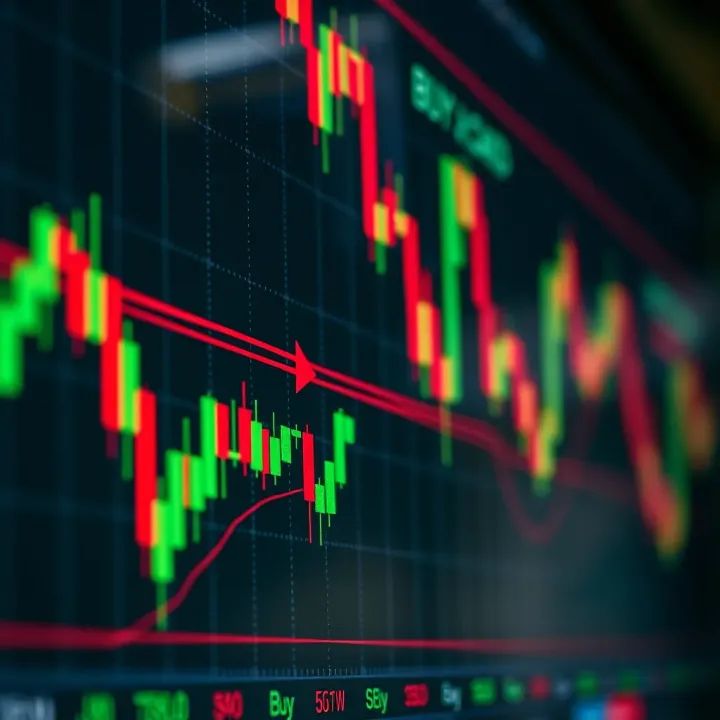
📈 Learn how forex trading signals work and how South African traders can use them wisely. Discover different types, benefits, risks, and trusted tips.
Explore www binary basics and practical applications in web tech 🌐. Learn its impact on users and developers, simplifying the digital binary world.

Explore YouMoney Binary: understand features, risks & tips for South African users. Learn about regulation, benefits, and how it compares to other platforms 📊💡
Based on 12 reviews