

Forex Trading Guide for South Africans
Discover how to trade forex confidently in South Africa 🇿🇦. Learn market basics, strategies, risk tips, legal rules & practical steps to start trading today. 📈💡
Edited By
Natalie Rivers
Binary trading has surged in popularity among South African investors looking for a straightforward way to engage with financial markets. Unlike traditional trading that depends on the asset’s price movement extent, binary trading simplifies decisions to a yes-or-no question — will an asset rise or fall within a set timeframe?
Understanding how binary trading works helps you grasp why it's appealing. You essentially predict whether a particular asset (like gold, forex pairs, or shares) will be above or below a certain price at expiry. If your prediction is correct, you receive a fixed payout; if not, you lose your stake. This setup makes profits and losses transparent upfront, but also means risks can be high.

Binary trading can be tempting due to its simplicity, but it demands caution and a clear strategy to avoid costly mistakes.
In South Africa, the legal landscape around binary options is complex. The Financial Sector Conduct Authority (FSCA) takes a firm view on protecting investors. Many binary trading platforms are not authorised in South Africa, and the FSCA has issued warnings about unregulated operators promising quick profits. It’s vital to verify a platform’s regulatory status before committing funds.
Some well-known platforms that have made their way to South African traders include IQ Option, Binomo, and ExpertOption. While they offer easy access and intuitive interfaces, they usually operate under foreign licences, which affects investor protections locally.
Before starting, consider the key elements:
Asset selection: Choose assets with which you are familiar to improve prediction chances.
Timeframes: Trades can last from seconds to hours; shorter periods increase volatility risk.
Risk management: Only invest what you can afford to lose and set clear limits for daily trades.
Binary trading in South Africa is not a guaranteed money-spinner but a high-risk form of speculation that requires discipline, knowledge, and good platform choices. With proper awareness and prudent tactics, it can offer an alternative trading avenue alongside traditional markets.
Binary trading has drawn growing interest among South African investors looking for a straightforward way to engage with financial markets. Unlike traditional trading, binary options simplify decisions to predicting whether an asset’s price will rise or fall within a set timeframe. This simplicity, coupled with potential quick returns, explains its appeal but also demands cautious understanding.
At its core, binary trading involves choosing between two outcomes: will an asset close above or below a certain price by expiry? For example, a trader might speculate on the value of gold increasing in the next hour. If correct, the trader earns a fixed payout, often around 70%-85%, regardless of how far the price moves. If incorrect, they lose their stake.
This all-or-nothing format stands apart from conventional share or forex trading, where profits and losses fluctuate continuously with price changes. Binary trading covers assets like currencies, shares, indices, and commodities. The timeframes can range from minutes to hours or even days — making it a high-speed option compared to long-term investments.
Several factors drive South Africans towards binary trading. First, the entry barrier is relatively low: traders can start with modest amounts – sometimes as little as R100. This attracts those without extensive capital who want exposure to financial markets.
Secondly, the fixed risk and reward model offers clarity. Traders know upfront how much they stand to gain or lose, simplifying budget management. This clarity contrasts with traditional trading, where losses can spiral if stop-loss orders aren’t used effectively.
Another reason is accessibility. Many binary platforms operate online and provide mobile apps, suiting the growing number of South Africans with reliable internet access and smartphones. This convenience means traders can engage during short breaks, such as while commuting or between appointments.
Lastly, the potential for quick returns resonates with those looking to supplement income amid economic challenges and loadshedding disruptions. That said, the fast pace also requires discipline and strong risk management to avoid rapid losses.
Understanding the basics and appeal of binary trading helps investors to decide if this straightforward yet risky approach suits their financial goals and risk appetite.
In sum, binary trading’s simplicity, fixed risk-reward setup, and accessibility explain its attraction in South Africa. However, anyone interested should approach it informed and prepared, as the closing sections will cover risks, legal aspects, and practical tips to trade wisely.
Understanding the legal framework for binary trading in South Africa is essential because it sets the boundaries within which investors and brokers operate. Without clear rules, traders risk falling victim to scams or illegal platforms. The framework provides a level of protection, ensuring that trading activities adhere to the law and that financial service providers maintain integrity and accountability.
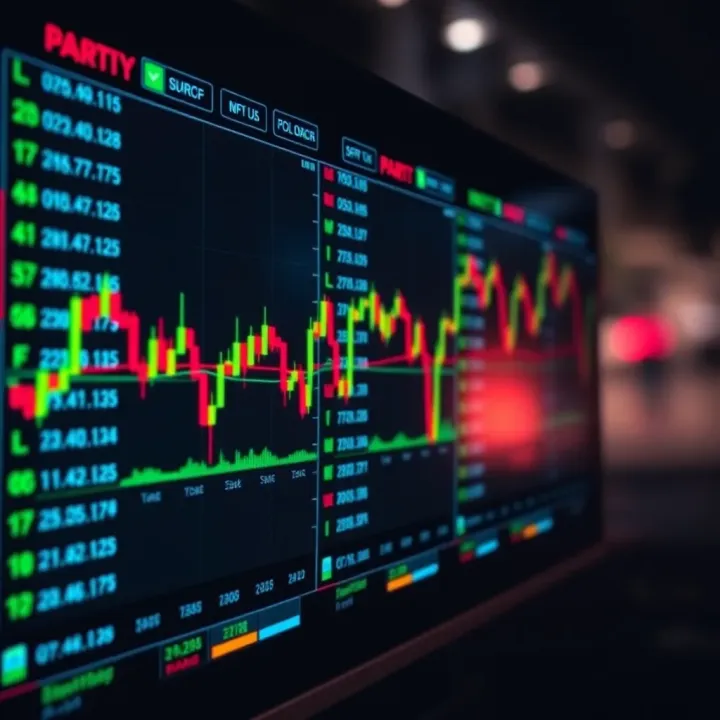
The Financial Sector Conduct Authority (FSCA) acts as the main watchdog for financial markets in South Africa, including the regulation of binary trading platforms. The FSCA’s role is to protect consumers by overseeing that brokers are fair, transparent and follow the rules set out by South African financial law. This includes monitoring how platforms handle customer funds and ensuring they provide clear information about risks involved. For instance, if a binary trading platform claims unrealistic returns without proper disclosure, the FSCA can intervene.
The FSCA also manages licence applications for brokers wishing to operate legally in South Africa. Traders should always check if their broker is FSCA-registered, which means the broker has met minimum standards of financial soundness and professional conduct.
Brokers must pass strict compliance checks before receiving a licence to operate in South Africa. This involves proving they have systems in place to prevent fraud, money laundering, and other illegal activity. They also need to provide evidence of sound financial resources to protect client deposits.
Compliance isn't just a tick-box exercise – brokers must regularly submit reports to the FSCA to demonstrate ongoing adherence to laws and regulations. For example, failure to segregate client funds from operational capital, a common malpractice in rogue brokers, can lead to licence suspension or revocation. This system safeguards traders, ensuring they deal with trustworthy and stable platforms.
Using unregulated platforms carries significant risks, primarily due to the lack of oversight. These platforms might disappear overnight, refuse to process withdrawals, or manipulate pricing to the detriment of traders. There have been several cases where South African traders lost significant amounts to offshore sites operating without FSCA approval.
Remember: Trading on unregulated platforms means you have little to no legal recourse if things go wrong. Your money could vanish without a trace.
Moreover, unregulated operators often use aggressive marketing tactics, sometimes promising guaranteed profits or insider tips – red flags for scams. By sticking to FSCA-regulated platforms, traders can mitigate these dangers and trade in a more secure environment.
In summary, the legal framework in South Africa, centred around the FSCA’s regulatory role and licensing system, is designed to protect traders and maintain the integrity of the binary trading market. Knowing your rights, verifying brokers' compliance, and avoiding unlicensed platforms are key steps to safer trading.
Knowing your options for binary trading platforms is essential for South African traders looking to navigate this market safely and effectively. Platforms vary widely in terms of regulation, usability, fees, and payment options. Choosing the right one can protect you from scams and provide a smoother trading experience.
South African traders have an edge when they stick to platforms regulated by the Financial Sector Conduct Authority (FSCA). These brokers meet legal requirements, which include transparent trading terms and investor protection measures. For instance, some local firms offer binary trading as a part of a broader portfolio of financial services, such as Forex and CFDs. This allows traders to manage risk and capital across different instruments under one roof. Brokers like these often provide support tailored to South African clients in terms of currency (Rands), tax considerations, and payment methods like EFT (electronic funds transfer) and instant bank transfers.
Despite the benefits of local regulation, many South Africans opt for international binary trading platforms due to their sophisticated tools and broader asset options—think global stocks, indices, and cryptocurrencies. Popular platforms in this category include IQ Option, Pocket Option, and Binary.com, which accept South African users and offer interfaces in English with relatively smooth deposit and withdrawal processes. However, these brokers usually operate under foreign regulators, so traders should exercise caution and verify how they handle disputes or complaints. Always check if the platform accepts South African Rands or if currency conversion fees apply.
A good binary trading platform caters to both novices and skilled traders by offering key features such as:
User-friendly interfaces with clear charts and analysis tools
Demo accounts for practising strategies without risking real money
Flexible expiry times for options, catering to different trading styles
Multiple payment methods including EFT, credit/debit cards, and popular eWallets like Skrill or Neteller
Security also ranks high; look for platforms employing SSL encryption and strong account verification processes to keep your funds and data safe. Moreover, some platforms support mobile apps with local data-saving features, ideal for traders dealing with South Africa’s costly data prices.
Finding a platform that suits your needs starts with checking its regulatory status and the payment options; this way, you avoid unnecessary troubles and enjoy a better trading experience.
For South African binary traders, weighing up local FSCA-approved platforms against international ones often comes down to balancing legal security with asset variety and trading tools. Whichever you choose, understanding these platforms' specifics is vital to making informed trading decisions and managing your risks effectively.
Understanding the balance between potential rewards and the risks involved is vital when it comes to binary trading in South Africa. While the promise of quick profits can be enticing, overlooking the significant risks may lead to substantial losses. This section breaks down these dynamics clearly, helping you navigate the market with eyes wide open.
Binary trading’s main appeal lies in its straightforward setup: predict whether an asset’s price will rise or fall within a set timeframe. If your call is correct, you typically earn a fixed payout—often between 70% and 90% of your bet—but if you’re wrong, you lose your stake entirely. For example, if you bet R1,000 on GBP/ZAR currency movement and get it right, you might walk away with R1,800 (your original R1,000 plus R800 profit). However, a wrong prediction means losing that R1,000 straight away. This all-or-nothing structure creates opportunities for rapid gains but doubles as a minefield for rapid losses if you don’t apply caution.
Traders should be wary of the fact that even a streak of successful trades can be wiped out by a few wrong calls, especially if stakes increase in attempts to recoup losses. Proper risk management, such as limiting the amount risked per trade, is not optional but necessary.
Unfortunately, the binary trading world has attracted its share of scams in South Africa, mostly through unregulated offshore platforms that promise high returns with little transparency. Typical red flags include unsolicited calls or messages pushing investment opportunities, platforms without FSCA approval, and requests to deposit large sums without clear withdrawal policies.
To avoid scams:
Always check if the broker is registered with the FSCA.
Avoid platforms that pressure you into deposits.
Be cautious of unrealistic promises like guaranteed profits or insider tips.
Look out for poor or missing customer service channels.
For instance, some scammers use fake reviews or cloned websites to appear trustworthy. Doing your homework on online forums and trusted financial sites can save you from falling into these traps.
Remember: If something seems too good to be true—especially in trading—it probably is.
Education is your best defence against the pitfalls of binary trading. Familiarity with market indicators, understanding how assets move, and knowledge of trading strategies go a long way towards improving your odds. Beyond theory, practicing on demo accounts offered by many brokers helps hone your skills without risking real money.
Taking time to learn the mechanics of binary options, how to read charts, and the impact of economic events can prevent costly mistakes. For example, knowing that the South African Reserve Bank’s interest rate decision can influence the rand’s value helps you anticipate market moves more sensibly.
In summary, treating binary trading as a well-informed activity—not a quick lottery ticket—can shape a much healthier trading experience with fewer surprises along the way.
Taking a practical approach is essential for South Africans interested in binary trading, given the mix of opportunity and risk in this market. Clear guidance helps you avoid common pitfalls, pick trustworthy platforms, and manage your funds wisely. It’s not just about jumping into trades but making informed decisions that protect your wallet and build trading skills over time.
Selecting a reliable broker is key to avoiding scams and ensuring smooth trading. Always check if the broker is licensed with the Financial Sector Conduct Authority (FSCA) in South Africa — this adds a layer of protection and accountability. Look for brokers who offer transparent terms, quick withdrawal options, and solid customer support. For instance, local brokers with full licensing might offer ZAR deposits and use EFT or card payments commonly accepted in South Africa. Avoid platforms that promise guaranteed profits or require excessive upfront deposits, as these are red flags.
Most reputable brokers provide demo accounts. These let you practise trading with virtual funds, giving you a feel for binary options without risking real money. Taking time to experiment with different strategies can save you from costly mistakes. Imagine testing trades on currency pairs like USD/ZAR under simulated conditions; you’ll better understand market behaviour before investing your cash. Demo accounts also help sharpen decision-making speed and emotional control — crucial traits in the quick-paced binary trading environment.
Setting a clear budget safeguards you from chasing losses or overtrading. Decide upfront how much you can afford to lose without affecting your living expenses. Many experienced traders suggest starting small, say R500 to R1,000, until you develop confidence and discipline. Also, keep expectations realistic: binary trading offers quick returns, but it’s far from a guaranteed income. Prepare for losses as part of the routine and avoid committing more to recover them impulsively. South African traders often use apps to track spending and gains, helping maintain control over their trading finances.
Trustworthy brokers, steady practice on demo accounts, and responsible money management go a long way to protect you when trading binaries locally.
Bit by bit, these practical steps build a foundation you can rely on — rather than gambling away your savings in haste. Whether you're new or experienced, keeping things clear and cautious ensures your binary trading experience in South Africa can be as rewarding and safe as possible.
Discover how to trade forex confidently in South Africa 🇿🇦. Learn market basics, strategies, risk tips, legal rules & practical steps to start trading today. 📈💡
📊 Discover how forex trading signals guide South African traders on when to buy or sell currency pairs. Learn types, risks, benefits, and how to pick trustworthy signals.

Discover the best forex trading software for South African traders 🇿🇦. Learn types, features, risks, and tips to choose and use platforms effectively 📊💻.

📊 Discover top Forex trading seminars in South Africa! Learn how to pick quality events, boost your skills, and navigate local market insights with ease.
Based on 12 reviews