
Understanding Forex Trading Signals in South Africa
📈 Learn how forex trading signals work and how South African traders can use them wisely. Discover different types, benefits, risks, and trusted tips.
Edited By
Emily Carter
Forex trading quotes are the bread and butter of currency markets. They tell you how much one currency is worth compared to another — for instance, how many South African Rand (ZAR) you need to buy one US Dollar (USD). Understanding these quotes isn’t just handy; it’s necessary if you want to trade smartly or analyse currency movements effectively.
Essentially, a forex quote has two parts: the base currency and the quote currency. The base comes first, showing the currency you want to buy or sell, while the quote shows how much of the second currency you need to complete the trade. For example, in the quote USD/ZAR 15.50, the USD is the base, and 15.50 ZAR buys you one USD.
Reading forex quotes accurately can help you spot when the market favours the ZAR against the USD or vice versa, which is essential during periods of high volatility, like Eskom-induced load shedding affecting the economy.
Traders must be alert to the bid and ask prices. The bid is what buyers are willing to pay for the base currency, and the ask is the price sellers want. The difference, known as the spread, is where brokerages earn their cut. As a South African trader, know that spreads fluctuate based on liquidity and market conditions — during peak hours, spreads tend to tighten; off-hours, they widen.
Several factors influence forex quote movements:
Economic indicators: GDP growth, inflation stats, or employment rates in South Africa can push the ZAR stronger or weaker.
Central bank actions: SARB’s interest rate decisions usually cause immediate shifts in forex rates.
Political events: Local elections or policy announcements often sway investor confidence, impacting currency demand.
Global events: US Federal Reserve moves, trade tensions, or commodity price changes affect emerging market currency pairs.
Platforms and brokers provide these quotes mostly in real time. However, be aware of occasional delays or price inconsistencies due to technology or network issues — especially if you’re trading offshore or on slower internet connections. Choosing a reputable broker with transparent pricing is key.
In this guide, we’ll unpack how to read these quotes like a pro, what drives their changes, and how to avoid common missteps that can catch even experienced traders out. Understanding forex quotes is your first step towards smarter decisions and a more confident presence in the currency market.
Understanding the basics of forex trading quotes is essential for anyone looking to navigate the currency markets effectively. These quotes form the backbone of trading decisions, offering insight into currency values and market sentiment. Without grasping the basics, even the most experienced trader can end up lost or hesitant at critical moments.
Forex trading revolves around currency pairs, which express the value of one currency relative to another. For example, the USD/ZAR pair shows how many South African Rand (ZAR) you need to buy one US Dollar (USD). This direct comparison helps you decide when to buy or sell based on the relative strength of each currency.
The pairing always matters because currencies are never quoted in isolation. Instead, they reflect economic relationships — for example, a stronger rand against the dollar can signal improved local economic conditions or shifts in global markets.
Within a currency pair, the first currency is called the base currency, while the second is the quote currency. Using USD/ZAR as an example, USD is the base and ZAR the quote. The quote tells you how much of the quote currency is needed to purchase one unit of the base currency.
This distinction is practical for traders because it dictates the direction of price movements. If the USD/ZAR rate moves from 18.00 to 18.50, it means the rand is weakening – you need more rand to buy a dollar. Understanding this helps traders set stop-loss and take-profit points more effectively.
The bid price is the amount a buyer is willing to pay for the base currency. In other words, it’s the price you’ll get if you sell the base currency. For example, if USD/ZAR bids at 18.00, you can sell one US dollar for 18 rand.
This price matters because it represents what the market values your currency at that moment — if you’re closing a position or going short, the bid price is crucial.
Conversely, the ask price (sometimes called the offer price) is what sellers want for the base currency. It’s the price at which you can buy one unit of the base currency from the market. Continuing with USD/ZAR, if the ask price is 18.05, you need 18.05 rand to purchase one dollar.
Knowing the ask price is vital when entering trades, as buying at a price higher than the bid is standard market practice.
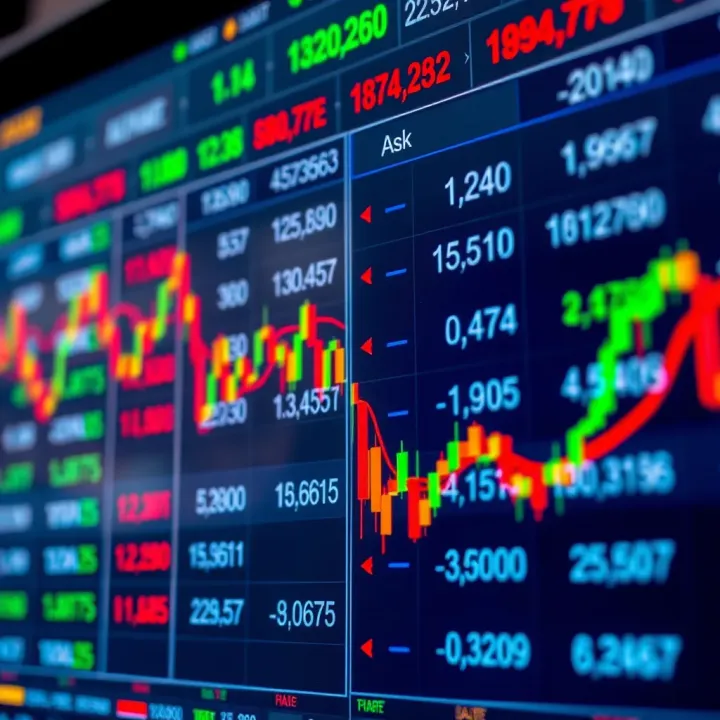
The spread is simply the difference between bid and ask prices. In our USD/ZAR example, the spread is 0.05 (18.05 − 18.00). This gap is how brokers earn their profit — smaller spreads usually mean lower trading costs, especially if you trade frequently.
Spreads can change throughout the day, widening during less liquid times (like public holidays or outside trading hours) and narrowing when markets are active. This behaviour affects trade executions and potential profits, so traders need to monitor spreads closely.
Understanding bid, ask, and the spread helps you judge the true cost of trading and avoid surprises when placing orders.
Understanding how to read and interpret forex quotes is essential for making sound trading decisions. Forex quotes serve as the price indicators for currency pairs, reflecting the current market value. Being able to accurately decode these quotes allows traders to identify optimal entry and exit points, manage risk, and anticipate market trends. Without this skill, even experienced traders might miss key movements, exposing their investments to unnecessary risks.
Forex quotes typically display the value of one currency relative to another, presented as a pair. For example, EUR/USD 1.1050 means one euro is equal to 1.1050 US dollars. This notation is straightforward once familiar, but traders must grasp the details like decimal places as they represent the smallest price increments in the forex market, often called "pips". A move from 1.1050 to 1.1051 in EUR/USD, for instance, is a single pip change.
Reading these currency pairs requires understanding which is the base currency and which is the quote currency. The base currency is the first in the pair and is always fixed at one unit, while the quote currency shows how much one unit of the base currency costs. This format helps South African traders gauge how strong their rand is against major currencies like the US dollar (USD) or euro (EUR).
Forex quotes directly affect when you enter or exit a trade. Traders must monitor real-time quotes to decide the exact moment to buy or sell. For example, if the GBP/ZAR is quoted at 20.3500 and you expect the rand to weaken, you might buy at this rate. Should the quote rise to 20.6000, that’s your signal to sell and secure profits.
Volatility plays a major role in this process. Changes in forex quotes reflect price movements that can be calm or highly erratic depending on market conditions. A volatile market means prices jump more frequently and widely, which can provide opportunities for quick gains but also increases risk. Traders need to assess volatility to adjust their strategy — whether to go for short-term moves or hold positions longer to ride steadier trends.
Keeping a close eye on live forex quotes helps you avoid entering trades just before adverse moves and spot chances to exit before profits turn into losses.
Both understanding the formats and applying quotes practically are pillars for effective forex trading, making your decisions sharper and less guesswork-driven.
Forex quotes don’t float in a vacuum; they're shaped by a range of factors that reflect the changing realities of the global economy and market forces. Grasping these influences helps traders predict price swings more reliably and make better calls when buying or selling currencies. Below, we explore core elements that directly impact forex quotes.
Interest rates and inflation are key drivers of currency values. When a country’s central bank raises interest rates, it typically attracts foreign investors looking for better returns on their capital. This boost in demand for the local currency pushes its value higher. For instance, if the South African Reserve Bank (SARB) lifts rates while other major economies hold steady, the rand may strengthen against those currencies. On the other hand, rising inflation usually erodes purchasing power, leading to depreciation unless the central bank acts firmly to control it.
Political events and market sentiment also move forex markets significantly. Elections, policy changes, or geopolitical tensions can create uncertainty or confidence, influencing whether traders rush in or pull out. Take the 2019 South African general election as an example: leading up to the vote, the rand experienced volatility as traders reacted to the outlook for economic reforms. Positive sentiment on reform announcements often lifts a currency, while unrest or policy missteps tend to weigh it down.
Liquidity refers to how easily a currency can be bought or sold without causing big price shifts. The forex market is the most liquid in the world, especially for major pairs like USD/ZAR or EUR/USD, which means you can execute trades quickly at or near the quoted price. But liquidity dips during off-hours or public holidays, which can lead to wider spreads or sharper moves. For South African traders, this means paying attention to both local and international trading hours to avoid unexpected jumps.
Major trading centres across the globe play a role in forex dynamics. London, New York, Tokyo, and Sydney are key hubs where currency trading peaks. The interplay between these centres' opening and closing times creates daily cycles of activity that influence quotes. For example, when the New York market opens, it often sees increased volatility compared to quieter Tokyo sessions. South African traders can time their trades around these windows, especially during overlap between London and New York sessions when the rand might exhibit stronger moves.
Understanding how economic news and market forces shape forex quotes provides a solid foundation for making informed trades. Keep an eye on central bank announcements, political developments, and global trading hours to spot opportunities and manage risks effectively.
In forex trading, brokers and the platforms they offer play a central role in delivering accurate and timely quotes. Traders rely on these quotes to make decisions about entering or exiting positions, so understanding how brokers provide these prices and how trading platforms present them is key.
Brokers generally obtain their forex quotes from a mix of liquidity providers such as banks, financial institutions, and other large market makers. These liquidity providers submit bid and ask prices continuously, which brokers aggregate and offer to clients. The quality of these sources affects the accuracy and competitiveness of the quotes you see. For instance, a broker connected to top-tier banks in London, New York, and Tokyo often delivers tighter spreads and more reliable prices compared to one relying on smaller or fewer liquidity providers.
Not all brokers present quotes with the same precision or delay. Some discount brokers may offer slightly delayed prices or use last traded prices rather than real-time streaming data. This can impact your ability to react swiftly, especially in volatile conditions. In contrast, well-established brokers typically provide near-instant quotes, reducing the chance of slippage. That said, South African traders should consider brokers regulated by the Financial Sector Conduct Authority (FSCA) to ensure fair practices and dependable quote provision.
Modern trading platforms provide real-time price streams that update multiple times per second, reflecting the fast-moving forex market. This continuous update helps traders spot rapid shifts in currency values and place trades at precise levels. For example, platforms like MetaTrader 4/5 and TradingView offer live feeds ensuring your decisions are based on current market data rather than yesterday’s prices.
Beyond just showing prices, trading platforms include analytical tools that help interpret forex quotes. These features include:
Charts displaying price movements with various timeframes
Technical indicators such as Moving Averages, RSI, and Bollinger Bands
Economic calendars integrated to anticipate events impacting quotes
Such tools help traders analyse trends and volatility, turning raw quotes into actionable strategies. For instance, a South African trader using an economic calendar on their platform can prepare for the South African Reserve Bank (SARB) interest rate announcements, which typically influence the ZAR/USD quotes.
Getting your forex quotes from a reliable broker and a robust trading platform can make or break your trading experience. Accuracy, speed, and analysis tools are the foundation for informed trading.
Brokers and trading platforms thus form the backbone of access to the forex market. Paying attention to their roles will improve your trading edge and protect you against common pitfalls like lagging quotes or inconsistent pricing.
Forex trading quotes are central to making informed decisions, but they come with their own set of challenges that traders must recognise. These challenges can affect your trading costs, timing, and ultimately, your profitability. For instance, small but frequent costs can eat into your gains if you don’t understand spreads properly. Similarly, delays or inaccuracies in quotes can cause you to enter or exit trades at less than ideal prices, especially in a fast-moving market influenced by events like Eskom’s load shedding interruptions or unexpected political shifts.
How spreads affect trading costs: The spread is the difference between the bid (buy) and ask (sell) prices in a forex quote. This gap represents a cost to traders because you buy at the higher ask price and sell at the lower bid price. Consider the ZAR/USD pair, which might have a spread of 5 pips under normal conditions, but this can widen during volatile periods like after a Reserve Bank announcement. Even if the price movement is modest, wider spreads increase the expense of entering and exiting trades, potentially turning small profits into losses if not managed carefully.
What causes slippage: Slippage occurs when a trade is executed at a different price than expected, often due to rapid price movements or low liquidity. For example, during a sudden market reaction to ANC leadership changes, price quotes can move quickly before your trade completes. This means you may get filled at a worse level than your limit or stop order, increasing risk. Slippage is more common in less liquid currency pairs or outside major trading hours, so knowing when and what to trade can help minimise this.
Impact of delayed quotes on trades: Delayed quotes can lead to poor timing decisions. If your platform shows old data, your entry or exit might happen at a price that's no longer available, leading to unexpected losses or missed opportunities. For instance, during high-impact news releases, delays of even a few seconds can mean entering a trade after significant price moves, undermining your strategy’s effectiveness.
Ensuring reliable data sources: To avoid delays and inconsistencies, it’s crucial to use brokers and trading platforms known for delivering real-time, accurate forex quotes. Many South African traders prefer platforms linked directly to major liquidity providers, which reduce latency. Regularly checking your platform's data feed reliability and comparing quotes between brokers can help identify discrepancies. Also, be cautious of low-cost brokers who might provide delayed or less precise quotes as a trade-off for lower spreads.
Understanding and anticipating these common challenges helps you trade forex with clearer expectations and better control over your strategy, minimising surprises along the way.
Spreads increase trading costs; monitor and choose currency pairs and times with tighter spreads.
Slippage occurs mostly during high volatility or low liquidity; avoid trading at such times if possible.
Delayed quotes can affect trade outcomes; always use a reliable, real-time data source.
Comparing broker quotes can identify potential delays or inaccuracies.
Being aware of these factors keeps you grounded in actual market conditions rather than just theoretical prices, which is key when trading forex in South Africa's dynamic economic environment.
📈 Learn how forex trading signals work and how South African traders can use them wisely. Discover different types, benefits, risks, and trusted tips.
Learn forex trading basics, platforms, key terms & smart strategies 🤑 Tailored for South African beginners ready to trade confidently and wisely 📈
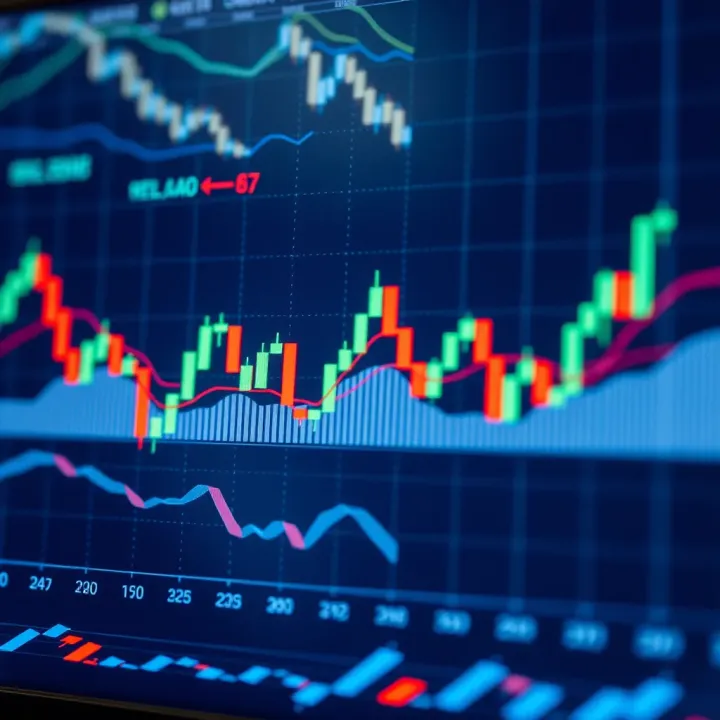
🔍 Master forex trading charts with clear explanations of candlestick patterns, key indicators, and timeframes. Practical tips plus accessible PDF guides for SA traders. 📊
📊 Get to know forex trading sessions, their timings, overlaps, and tips to boost your trading edge. Plus, access handy PDFs for easy tracking! 📈
Based on 14 reviews