
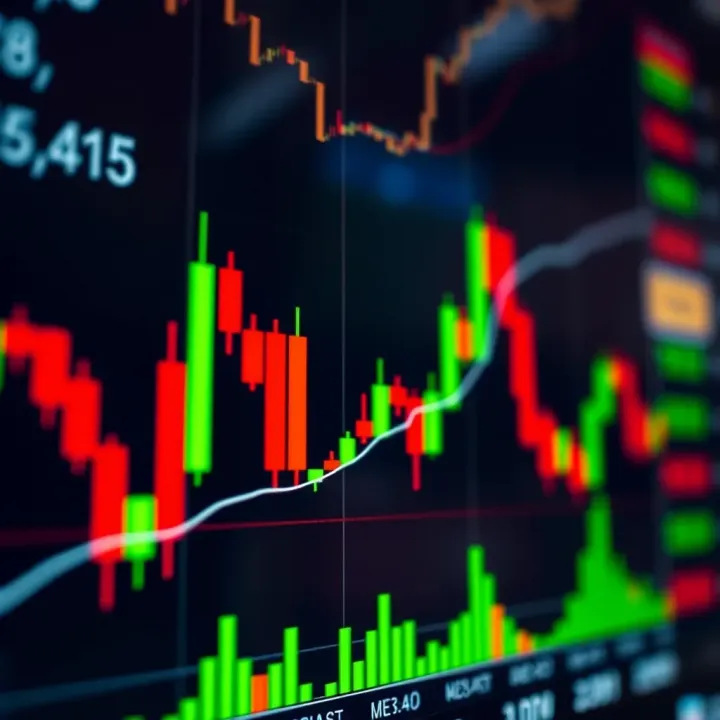
Understanding Forex Trading Graphs for SA Traders
📈 Learn how to read forex trading graphs like a pro! This guide covers chart types, technical indicators, and tips tailored for South African traders navigating exchange rates and market moves.
Edited By
Henry Caldwell
Forex trading, or foreign exchange trading, involves buying and selling currencies to profit from changes in exchange rates. It operates on a vast scale, with over $6 trillion traded daily worldwide, making it the most liquid financial market. Unlike the Johannesburg Stock Exchange (JSE) where shares of companies change hands, the forex market revolves around currency pairs – for example, USD/ZAR (US dollar against South African rand).
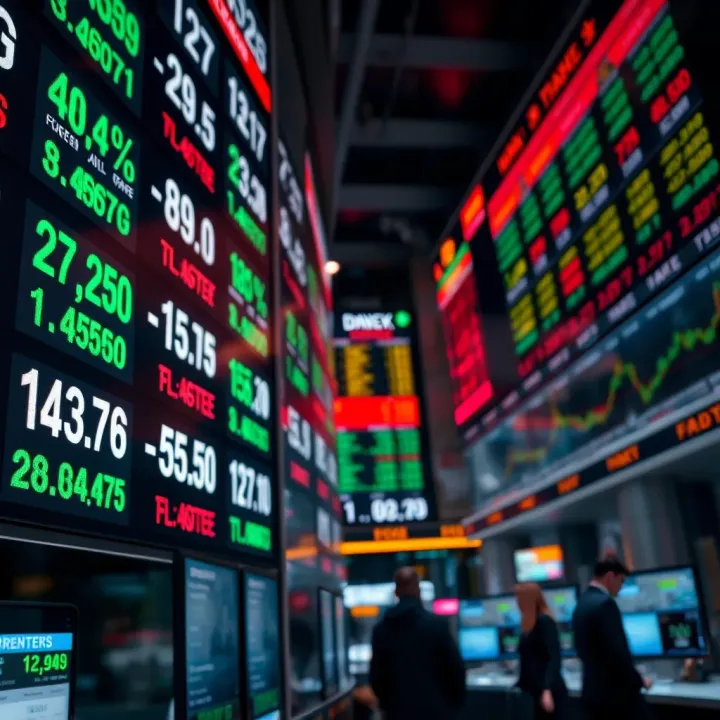
Forex trades happen over-the-counter (OTC), meaning transactions occur directly between participants rather than through a central exchange. Banks, financial institutions, corporations, governments, and individual traders all make up this complex ecosystem. Deals occur 24 hours a day across global financial centres, starting in Wellington and Sydney, moving through Asia, Europe, and finishing in New York.
Commercial banks drive much of the volume by managing foreign currency risk for clients.
Central banks, like the South African Reserve Bank (SARB), occasionally intervene to stabilise their currency.
Corporate businesses trade forex to pay for goods or services internationally.
Retail traders – everyday individuals using platforms provided by brokers such as IG or Plus500.
For South African traders, understanding local regulations under the Financial Sector Conduct Authority (FSCA) and the role of authorised dealers granted by SARB ensures compliance and security.
Say you expect the rand to strengthen against the US dollar due to improved export figures. A trader might buy ZAR/USD hoping to sell later at a higher value. But forex markets are notoriously volatile – unexpected political decisions or Eskom load shedding announcements can trigger rapid swings.
Forex trading demands discipline, a solid grasp of market forces, and risk control – there’s no overnight ticket to easy profit.
Leverage can amplify gains but also multiply losses, especially in the fast-moving forex environment.
Not all trading platforms are equal; private investors should choose FSCA-registered brokers who operate within South African law.
Currency pairs differ in volatility; majors like EUR/USD tend to be more stable than exotic pairs involving emerging market currencies.
Understanding these basics gives you a solid foundation to explore trading strategies and manage risks wisely in the forex market.
Understanding how the forex market operates is key for anyone seriously interested in currency trading. This section breaks down the basics of currency exchange and explains how the market's unique structure affects trading opportunities. Grasping these elements helps traders make informed decisions and better manage timing and risk.
Forex trading is essentially buying one currency while simultaneously selling another. Unlike buying stocks where you own a piece of a company, forex trading focuses on exchanging money itself, based on its relative value. This allows traders to speculate on economic performance or geopolitical events between countries without owning physical cash.
Currencies are always quoted in pairs, like ZAR/USD or EUR/GBP. The first currency in the pair is the base currency, and the second is the quote currency. When you trade a pair, you’re either buying the base currency and selling the quote, or the opposite. For example, if you believe the rand will strengthen against the dollar, you’d buy ZAR/USD. This means purchasing rand and simultaneously selling US dollars.
The exchange rate tells you how much one currency is worth compared to another. Rates fluctuate continuously, reflecting supply and demand, interest rates, economic stability, and political factors. Keep in mind, small movements in exchange rates can have significant impacts, especially when using leverage. Traders need to follow these shifts closely to capitalise on favourable trends or protect against losses.
The forex market revolves around major centres: London, New York, Tokyo, and Singapore. Each hub influences market activity during its business hours. For example, London handles a large chunk of daily forex volume, and developments here can affect pairs involving the British pound or euro.
Forex runs nearly around the clock, opening in Asia on Sunday evening SAST and closing Friday evening. This continuous operation allows South African traders to trade at almost any time. Its 24-hour nature also means liquidity and volatility vary across sessions, so understanding when key centres open or close helps plan trades better.
Time zones influence market volatility. For instance, the overlap of London and New York sessions usually brings higher trading volumes and price movements. Outside these periods, the market may be quieter but sometimes more prone to gaps. Knowing these timing quirks helps you decide when to trade actively or rest, especially when factoring in South Africa’s SAST zone.
Forex is not like regular stock trading hours; its global 24/5 cycle gives more opportunities but requires thoughtful timing to navigate shifting liquidity and volatility.
Understanding these operational aspects puts you in a stronger position to trade confidently and respond to market changes with better timing and strategy.
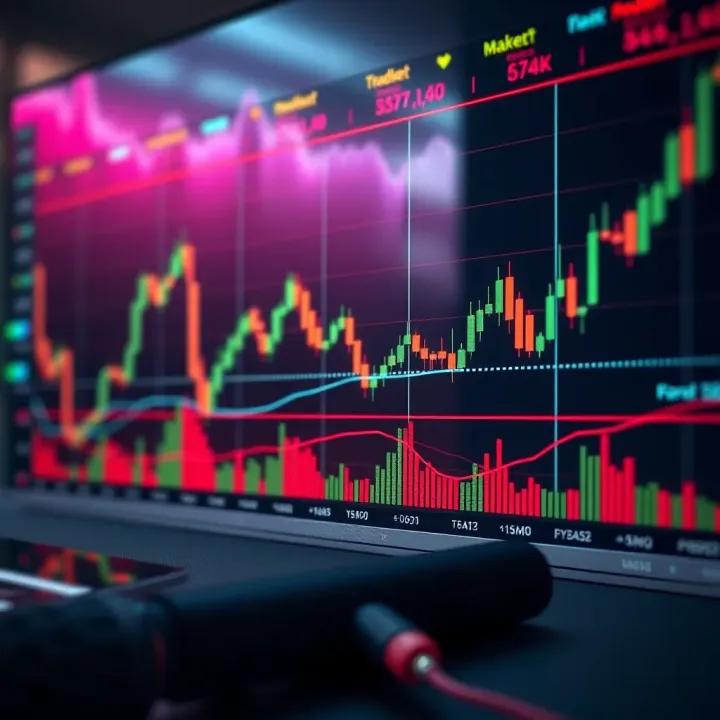
Understanding who takes part in forex trading is key to grasping how this vast market functions. Different participants each play unique roles, shaping price movements, liquidity, and trading opportunities. This section identifies the main players, showing how their actions directly affect the market and offering insight into practical considerations for traders.
Central banks and governments hold significant influence over forex markets, mostly by managing their countries’ monetary policies and currency reserves. For example, the South African Reserve Bank (SARB) can intervene in the market to stabilise the rand during volatile periods, like times of political uncertainty or fluctuating commodity prices. These interventions can cause sudden shifts in exchange rates, creating both risks and opportunities for traders.
Governments also set fiscal policies and regulations that impact currency demand. For instance, tighter capital controls or trade policies can influence the rand's value against other currencies. Traders keeping an eye on these developments can better anticipate potential market swings.
Commercial banks act as major liquidity providers in the forex market. They handle countless transactions daily, from corporate foreign exchange needs to speculative trades. For instance, a large Johannesburg-based bank might facilitate currency swaps for a mining company importing equipment, impacting demand for those currencies.
Financial institutions also engage in interbank trading, setting wholesale currency rates that filter down to retail traders. Understanding this helps traders recognise why spreads and pricing shift, especially during peak trading hours or unexpected news.
Retail traders form the smaller but growing segment of the forex market. Thanks to online platforms and brokers like IG or ThinkMarkets, individuals in South Africa can trade currencies with relatively low capital. These traders often respond quickly to market news, introducing short-term volatility.
Brokers serve as intermediaries, providing access, leverage, and trading tools. When choosing a broker, aspects like regulatory compliance with the Financial Sector Conduct Authority (FSCA), trading costs, and platform reliability are critical for South African traders to ensure safety and smooth execution.
Speculators aim to profit from currency price changes and represent a large chunk of forex trading volume. Their buying and selling activities add liquidity but can also amplify volatility, especially in reaction to economic data or geopolitical events. For example, if traders speculate that SARB will cut interest rates soon, this could weaken the rand even before any official announcement.
Speculators help keep the market efficient by quickly correcting price disparities but can also cause sharp moves that catch unprepared traders off guard.
Hedging helps businesses and investors manage risk from currency fluctuations. A South African exporter, for instance, might use forward contracts to lock in a favourable exchange rate, protecting revenues against a weak rand.
Similarly, investors with international portfolios may hedge forex risk by taking offsetting positions in currency pairs. Such strategies prevent unexpected losses tied to currency swings, stabilising cash flows.
Knowing which players influence forex markets helps you anticipate movements and choose strategies wisely. For traders in South Africa, understanding the mix of central bank actions, institutional liquidity, speculative forces, and hedging needs provides a clearer picture of the market’s pulse.
Understanding common forex trading strategies is essential for anyone serious about navigating the currency market. These approaches help traders make informed decisions rather than simply guessing price movements. Whether you’re a beginner or an experienced trader, knowing which strategies suit your style and risk appetite can make a real difference in your performance.
Chart patterns and indicators are fundamental tools in forex trading. Charts display historical price movements, and certain repeating shapes or 'patterns' can hint at future trends. For example, a 'head and shoulders' pattern often signals a trend reversal, which can alert you to sell before prices drop. Indicators like the Relative Strength Index (RSI) or Moving Averages add layers of analysis by measuring momentum or trend strength. In practice, a trader spotting a bullish crossover in moving averages might decide to enter a buy position, expecting prices to rise.
Using these patterns and indicators gives traders a more objective way to assess the market rather than relying on gut feeling. However, no single pattern or indicator guarantees success, so combining them helps validate signals and reduce risks.
Using support and resistance levels offers another practical layer to technical analysis. Support levels are price points where a currency pair tends to stop falling because demand picks up. Resistance levels, conversely, are price points where selling interest typically prevents prices from climbing further. For example, if the USD/ZAR currency hits a support level around R14.50 repeatedly and bounces back, traders may see this as a buying opportunity.
Recognising these levels can help you set entry and exit points for trades, aiding in risk management. It’s common for currency prices to test these levels multiple times, and a breakthrough can signal a strong move in that direction.
Economic indicators affecting currencies are vital in fundamental analysis. Reports like South Africa’s GDP growth rate, employment figures, or inflation rate often cause immediate market reactions. Suppose the Reserve Bank releases a higher-than-expected inflation rate; this might lead traders to expect an increase in interest rates, potentially strengthening the Rand.
Understanding these indicators equips traders to anticipate market shifts before technical signals show up. Monitoring the economic calendar regularly is a practical step to stay ahead.
Political events and market responses also shape forex movements significantly. Elections, policy changes, or unexpected political tensions can cause sharp swings. For instance, uncertainty around national budget announcements or leadership changes in South Africa often results in volatile Rand movements. Traders who remain aware of these events tend to manage their exposure better and can capitalise on rapid price changes, provided they react swiftly and logically.
Combining both technical and fundamental analyses helps traders build a comprehensive view of the market, balancing immediate price action with broader economic context.
Ultimately, applying these common strategies thoughtfully is far more effective than chasing quick profits without a plan. Traders who master them tend to improve their consistency and confidence in the forex market.
Forex trading, while offering big opportunities, also carries notable risks and challenges that traders must grasp clearly. Understanding these hazards helps you manage the downside and protect your capital, especially in a market as fast-moving as forex.
The forex market can swing unpredictably. Major currency pairs might jump or fall sharply on the back of economic data, central bank announcements, or geopolitical events. For example, a sudden statement from the South African Reserve Bank on interest rates can cause the rand to strengthen or weaken significantly in minutes. This volatility offers chances for profit but also risks large losses.
Price swings aren’t just random noise—they reflect the constant tug-of-war between buyers and sellers influenced by real-world events.
Leverage means you can control a large position with a small deposit, but it acts like a double-edged sword. If the market moves against you, losses can exceed your initial deposit. A trader using 1:100 leverage who bets R1,000 could be exposed to R100,000 of currency. A small adverse move might wipe out that R1,000 and then some, leading to margin calls or forced liquidation by the broker.
Jumping in without a clear plan often leads to emotions driving decisions. Fear of missing out (FOMO) might push you to chase trades after big market moves, while panic can cause early exits on losing trades. A Durban-based trader, for instance, might close a position prematurely when the rand drops under pressure, missing out on a rebound because they acted on anxiety rather than logic.
Overtrading damages both your capital and your mindset. Taking too many trades or risking a large chunk of your trading account on a single position increases the chance of losses stacking up. This can happen if you’re trying to recover quickly from earlier losses, which often backfires and deepens the hole.
In summary, discipline and risk management are the pillars to avoid these pitfalls. Know your maximum acceptable loss per trade, use stop-loss orders, and keep your emotions in check. Trading without these safeguards is a shortcut to trouble, not profit.
This groundwork on risks and challenges forms a vital part of any trader’s education before dipping toes into the forex waters. Being aware of these factors helps forge smarter, steadier trading habits suited to South Africa’s dynamic market environment.
Forex trading holds particular relevance in South Africa due to its growing economy and increasing participation in global financial markets. South African traders often engage with forex not only for speculative opportunities but also to hedge against currency volatility, especially given the rand's fluctuations against major currencies like the US dollar and euro. For example, small business owners importing goods rely heavily on forex rates to manage costs, making an understanding of this market quite practical.
The Financial Sector Conduct Authority (FSCA) serves as the main regulator for financial services, including forex trading in South Africa. It ensures that brokers and financial institutions operate transparently and fairly, protecting traders from unscrupulous practices. Any South African broker offering forex products must be licensed and compliant with FSCA rules to offer services legally.
This regulatory oversight adds confidence for traders when choosing a broker. For instance, a broker authorised by the FSCA is required to segregate client funds and adhere to reporting standards, reducing the risk of fraud. While South Africans can legally trade on international platforms, FSCA regulation remains a key benchmark for safety.
RICA (the Regulation of Interception of Communications and Provision of Communication-Related Information Act) and FICA (the Financial Intelligence Centre Act) play important roles in forex trading compliance. RICA requires traders to verify their identity and address before opening an account, helping to curb fraud and money laundering. This means traders must supply official documents such as a South African ID or passport and proof of residence.
FICA complements this by obliging brokers to monitor and report suspicious transactions to the Financial Intelligence Centre. For traders, this implies a transparent relationship with brokers and an expectation to maintain proper records. Both regulations make the forex space more secure but add layers of verification that may slow down account opening.
South African traders have access to a healthy mix of local and international forex brokers. Local brokers regulated by the FSCA offer the advantage of operating under South African laws and easier communication but might have fewer currency pairs or features compared to some global platforms.
International brokers often provide wider access to markets and leverage options but may not fall under FSCA jurisdiction. Traders must carefully evaluate risks here, considering factors like payment methods, customer support, and how quickly funds can be withdrawn.
South Africa’s exchange control rules affect forex trading, especially when moving funds internationally. The South African Reserve Bank (SARB) limits how much money individuals can transfer abroad annually (R1 million per year for individuals and R10 million for companies, subject to conditions). Traders have to work within these rules, especially when funding or withdrawing from overseas broker accounts.
Also, converting rand to foreign currency may incur bank fees or less favourable exchange rates, which impact trading costs. Using local payment methods or brokers who operate rand accounts can mitigate these issues, making everyday forex activity smoother for South African traders.
Understanding the regulatory landscape and practical limits around currency flows is essential for South African forex traders to manage risks and operate efficiently in both local and international markets.
📈 Learn how to read forex trading graphs like a pro! This guide covers chart types, technical indicators, and tips tailored for South African traders navigating exchange rates and market moves.
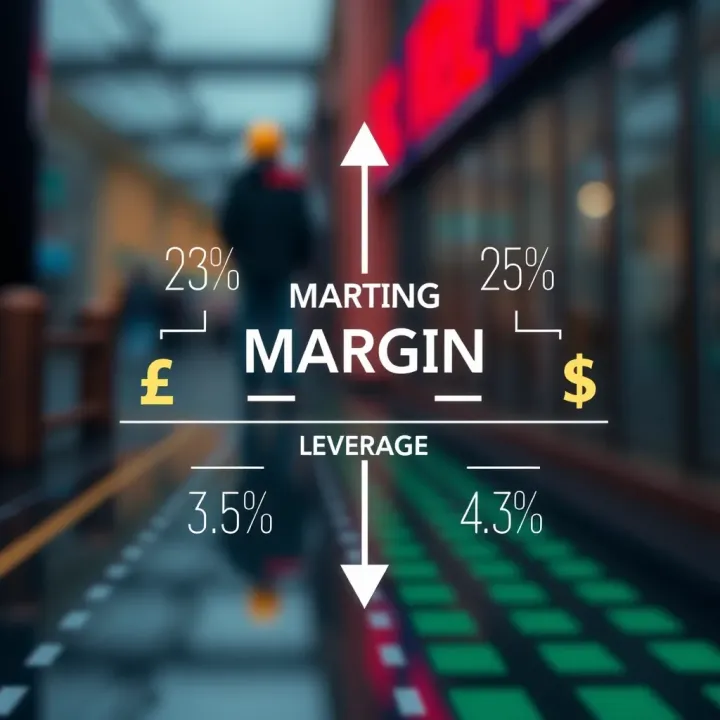
Learn how margin works in forex trading 🇿🇦. Understand leverage, risks, and smart margin management to trade safely and confidently in South Africa 💹.
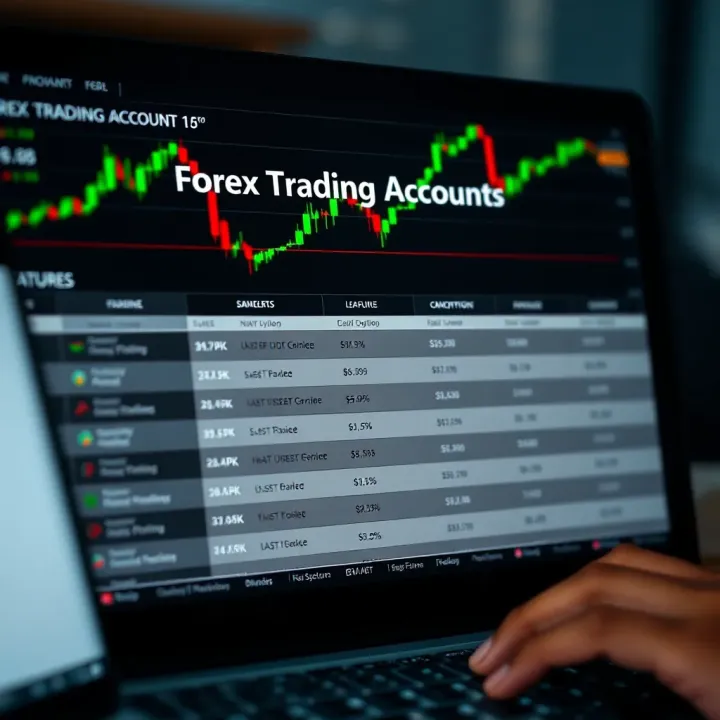
📊 Explore forex trading accounts in South Africa—types, features, risk management, and broker requirements. Get practical tips to trade confidently in the forex market.
📈 Learn practical forex trading strategies tailored for South Africans. Master demo accounts, brokers, risk management, and build real skills for confident trading success.
Based on 14 reviews