
Understanding the Key Functions of Risk Management
Explore how risk management helps spot threats, assess impact, and apply smart strategies to protect businesses. Learn key steps like monitoring & communication 📊🔍
Edited By
Daniel Foster
Risk management isn't just corporate jargon—it's a fundamental practice every trader, investor, broker, analyst, and entrepreneur needs to grasp. At its core, the process helps spot potential problems before they escalate, allowing you to make decisions that protect your capital and reputation.
Think about a small retail business in Johannesburg facing the threat of ongoing loadshedding. Without proper risk management, they could face stock spoilage or reduced sales. But with a structured approach, these risks can be identified early, assessed for impact, and mitigated with backup generators or adjusted trading hours.

South African markets and businesses operate in a unique context: volatile exchange rates, fluctuations in commodity prices, and regulatory changes from bodies like the South African Reserve Bank (SARB) and the Financial Sector Conduct Authority (FSCA) all add layers of complexity. This guide breaks down the seven key steps of the risk management process, showing how to address these challenges practically.
Effective risk management is about making tough calls wisely, backed by clear analysis rather than gut feeling.
The seven steps you’ll walk through include:
Risk Identification – Spotting potential threats, such as default risk in a bond or supply chain disruption in manufacturing.
Risk Assessment – Measuring how likely these risks are and the extent of their impact.
Risk Prioritisation – Figuring out which risks deserve your immediate attention.
Risk Mitigation Planning – Designing strategies to manage or reduce risks.
Implementation of Controls – Putting your risk response plans into action.
Monitoring and Review – Keeping an eye on risks and controls to ensure they’re effective.
Communication and Consultation – Staying engaged with stakeholders to keep risk management aligned with business goals.
By applying these steps, you can better manage the uncertainties that come with investing or running a business in South Africa’s dynamic environment. Whether you’re an entrepreneur navigating BEE regulations or an investor weighing the impact of global commodity swings, this practical roadmap delivers actionable insights without the fluff.
Risk management is about spotting uncertainties that could throw a spanner in the works of your business and figuring out how to deal with them before they cause harm. It’s not just a box-ticking exercise but a way to protect your operations and make smarter decisions. Being clear on the basics helps you align your efforts and make practical choices when pressures mount.
At its core, risk management involves identifying potential threats to your business, assessing their likelihood and potential damage, then planning how to handle them. This could mean avoiding the risk, reducing its impact, transferring it through insurance, or accepting it if it’s manageable. For example, a Johannesburg-based import business might foresee logistic delays due to strikes and decide to stockpile essential goods or switch suppliers temporarily.
Understanding these concepts lets you integrate risk awareness naturally into your daily operations. It ensures your team knows what risks to keep an eye on and what steps to take if something crops up.
Risk management matters because it safeguards your investment and keeps your business running smoothly amid uncertainties. It’s especially important in South Africa, where factors like fluctuating exchange rates, power cuts from Eskom, and shifting regulatory demands can quickly turn manageable situations sour. A small Cape Town IT firm, by mapping potential cyber threats and regulatory changes, can avoid costly breaches and fines.
Operational risks come from day-to-day business activities, including supply chain hiccups, equipment failures, or workforce issues. Financial risks relate to cash flow problems, credit defaults, or market volatility. For instance, a Durban manufacturing plant might face production downtime because of unreliable machinery, impacting revenue.
Being alert to these risks, and having plans like maintenance schedules or emergency funds, helps prevent disruptions turning into business crises.
Compliance risks stem from failing to meet laws or industry rules, which in South Africa could mean non-adherence to POPIA (Protection of Personal Information Act) or B-BBEE (Broad-Based Black Economic Empowerment) requirements. Reputational risks arise when public trust falters, whether through poor customer service or negative media coverage.
Financial services firms in Johannesburg must carefully manage client data according to POPIA to avoid fines and damage to their brand. A slip-up here could also lead to customers taking their business elsewhere.
Environmental risks include issues like pollution, droughts, and climate changes that impact resources or operations. Social risks cover community relations, labour disputes, or social unrest. Consider a mining company in Limpopo, which must carefully manage its environmental footprint and keep good relations with local communities to avoid protests or operational halts.
Addressing these risks is part of sustainable business strategies and community engagement, which South African companies are increasingly expected to demonstrate.
Risk management isn’t a one-off project – it’s a continuous effort to understand and respond to what could affect your business, with tools and lessons grounded in your local context.
With a solid grasp of these basics, you’re ready to tackle the specific steps that keep your business resilient and forward-looking.
Recognising risks at the outset is the foundation of any solid risk management process. Step One involves spotting potential threats before they cause real trouble. This early detection helps traders, investors, and entrepreneurs avoid costly surprises and plan smarter. In South Africa, where economic and operational landscapes can be unpredictable, clear early identification shields businesses from unnecessary shocks.
Several practical tools help identify risks systematically. One common method is a risk register, where potential risks are logged with details like source, likelihood, and potential impact. Workshops and brainstorming sessions with cross-functional teams can reveal risks not immediately obvious to solo decision-makers. For instance, scenario analysis helps visualise how changes in the rand exchange rate might affect import costs.
Technology also plays a part. Software like GRC (governance, risk, and compliance) platforms can scan for compliance risks or financial discrepancies. Meanwhile, data analytics can detect patterns hinting at emerging risks—say, delayed payments or stock shortages. These methods let you spot trouble while there’s still time to act.
Risk identification isn’t a solo game. Engaging frontline staff often uncovers issues that might slip past management. For example, retail shop assistants might notice supplier delays or theft trends that don't show up clearly on financial reports. Creating a culture where teams freely report potential risks encourages openness.
Regular risk workshops aligning with operational teams help broaden perspectives. Employees in IT, compliance, and logistics bring unique views, highlighting risks from cyber threats to delivery bottlenecks. With shared insights, organisations can build a fuller picture of vulnerabilities.
Imagine a retail chain across Gauteng and KwaZulu-Natal. Early risk identification might flag potential supply chain disruptions caused by loadshedding or transport strikes. By monitoring supplier reliability and regional disruptions, the chain can adjust order quantities or source alternative suppliers before shelves run empty. This foresight reduces lost sales and customer dissatisfaction.
Security is a constant concern across South African retail outlets. Staff or security personnel might identify rising instances of shoplifting or staff shortages during late shifts. Such input helps the head office introduce extra patrols or install CCTV cameras where needed. Ignoring these signs risks increased theft losses and lowered staff morale.
Spotting risks early isn’t about predicting the future perfectly but about creating systems and habits that keep your business one step ahead. Clear, timely identification reduces surprises and supports better decisions amid South Africa’s unique business challenges.
Assessing and prioritising risks is the stage where you make sense of the risks you've spotted in Step One. Not all risks carry the same weight; some have a potential to knock your entire business off course, while others might only cause minor hiccups. This step helps you decide which risks deserve immediate attention and resources, so you’re not chasing shadows but tackling the issues that matter most.
Risk assessment often involves two angles: the likelihood of the risk occurring and the potential severity of its impact. Qualitative methods might include workshops where managers discuss risks and assign categories like "high", "medium", or "low" based on experience and intuition. For example, a small wine producer in the Western Cape might judge drought as a "high likelihood" and "high impact" risk due to water shortages.
On the other hand, quantitative methods use numbers for precision. This might involve historical data analysis, statistical models, or financial forecasts. A logistics company, for instance, may calculate the probability of a bakkie breaking down based on maintenance records, then estimate the cost of delayed deliveries if that happens.
Combining both approaches gives a balanced view. Qualitative judgements fill gaps where data is scarce, while quantitative analysis adds measurable backup. Together, they prevent either overreacting to unlikely fears or missing subtle but expensive risks.
Once risks are assessed, the next step is deciding on prioritisation criteria. This often includes factors like potential financial loss, legal consequences, operational disruption, and reputational damage. South African firms might weigh legal risks heavily due to strict compliance laws under POPIA or the Companies Act.
Another key aspect is the organisation’s risk appetite — how much risk it is prepared to accept without intervention. A young tech startup might accept more risk to innovate rapidly, while a long-established bank would prioritise stability and regulatory adherence. Prioritisation lists should be realistic, reflecting available budgets and expertise.
In a manufacturing plant near Durban, safety hazards are frontline risks. Measuring their impact means tracking incidents like slips or equipment faults and their consequences — lost workdays, medical costs, or even fatalities. This data helps the plant understand which hazards pose the biggest threat to staff welfare and daily operations.
Financial exposure from equipment failure is another focal point. The plant calculates downtime costs, repair expenses, and potential penalties from delayed orders. For example, if a key machine breaks, it may cost R100,000 per day in lost production and rushed emergency repairs. Using this information, management decides whether investing in a maintenance contract or new machinery reduces overall risk more effectively.
Prioritising based on impact ensures scarce resources target the risks that truly matter, increasing resilience and saving costs in the long run.
Assessing and prioritising risks forces you to look beyond just what could go wrong, but also how much damage each risk could cause, and how likely it is to happen. For traders, investors, and business leaders, this means smarter decisions that protect both capital and reputation in South Africa’s unique commercial environment.
Effective risk management hinges on planning how to tackle each identified risk in a way that fits the organisation's resources and goals. This step turns the earlier assessments into actionable strategies that can either prevent risks or minimise their impact. For traders, investors, entrepreneurs and analysts alike, a solid plan is essential to avoid unnecessary expenses and protect investments under uncertain conditions.
There are four main strategies to consider when planning risk management: avoidance, reduction, transfer, and acceptance. Risk avoidance involves steering clear of activities that might bring unacceptable danger, like an entrepreneur opting out of volatile forex trades. Risk reduction means introducing controls to minimise the likelihood or severity of a risk, such as a mining company installing better safety gear to protect workers. Risk transfer passes the financial impact to another party, typically through insurance or contracts – think of a small business taking out liability insurance against lawsuits. Lastly, risk acceptance happens when an organisation knowingly takes on a risk, often because the cost of mitigating it outweighs the benefit, as seen with some low-impact market fluctuations.
Balancing the cost of dealing with risks against the potential damage is critical. For example, a small retailer might avoid buying expensive backup generators despite loadshedding risks, because the cost exceeds expected losses from power outages. But investing in a reliable backup could save thousands in spoiled stock, so sometimes an upfront spend makes sense. Evaluating these trade-offs requires realistic assessments of both worst-case scenarios and the organisation’s financial strength, preventing over- or under-spending on controls.
Take a small fabric supplier facing regular delays from foreign manufacturers. Creating contingency plans means they could identify alternative local suppliers to bridge shortfalls or have a financial buffer to cover cashflow disruptions. This flexibility helps the business avoid lost sales during delivery hiccups.
Insurance plays a key role too. Deciding on the right cover—for example, business interruption insurance or stock insurance—depends on the business’s unique risk profile and budget constraints. A quieter shop in a low-crime area might skip expensive theft insurance, but one in an industrial park with frequent break-ins would likely find it essential. Ultimately, these coping strategies let small businesses stay afloat and keep customers happy without breaking the bank.
An efficient risk management plan is not about eliminating all risk but making informed, cost-effective decisions that safeguard operations and investments.
Implementing risk controls is the phase where planning meets action. This step is vital because it puts the chosen risk management strategies into practice, aiming to minimise or eliminate the impact of identified risks. Without this execution, all the prior assessment and planning remain theoretical with no real protection for the organisation. By acting decisively and efficiently, businesses safeguard their operations, employees, assets, and reputation from potential setbacks.
Allocating responsibilities clearly is fundamental to ensuring risk controls succeed. Each team or individual must know exactly what part they play in managing risks. This clarity avoids confusion and delays when action is required. For example, in a financial services firm, one staff member might be tasked with monitoring transaction risks while another handles compliance updates. Clear delegation also supports accountability, making it easier to track progress and identify when adjustments are necessary.
Training staff and updating procedures keeps the organisation nimble and ready to act against risks. It’s no use having a plan locked away in a dusty file – everyone involved should be confident in their role and know the updated procedures by heart. Practical training sessions, drills, or workshops help embed these controls into daily routines. For instance, if a small manufacturing company installs new machinery as a control measure, staff training on safe operation and emergency shutdowns reduces the chance of accidents and expensive downtime.
Installing safety equipment on site is a clear and necessary control measure. Construction sites in South Africa often face hazards like falling debris or unguarded machinery. Organising the right gear – helmets, safety harnesses, barricades – puts up a physical barrier against accidents. A Johannesburg-based construction company, for example, might enforce a strict use of safety helmets and reflective vests while also installing guardrails on all exposed edges to protect workers from falls.
Monitoring compliance with health regulations holds the entire process together. It's common for construction projects to be inspected regularly by both company safety officers and outside inspectors. Ensuring everyone follows the Occupational Health and Safety Act means risks are kept in check. In Cape Town, a project manager might use daily checklists and surprise audits to make sure protocols are not just on paper but actively followed. This ongoing scrutiny helps catch gaps early and ensures the wellbeing of the workforce.
Implementing controls is the point where risk management shifts from theory to action — and where real benefits protect the business.
Effectively managing risks requires more than just planning; it demands disciplined execution and follow-through. Clear roles, thorough training, and consistent monitoring reinforce the safety net against potential harm, especially in a high-risk environment such as South African construction.
Continuous monitoring is essential to ensure that risk controls remain effective and that the organisation stays ahead of emerging threats. As conditions shift, previously recognised risks may evolve, or new ones might crop up, making ongoing oversight a must to avoid surprises. This step keeps the risk management process dynamic rather than static.
Regular reviews and audits provide a structured way to evaluate how well risk controls are performing and whether risk levels have changed. These reviews might be quarterly or biannual, depending on the organisation's size and complexity. For example, a Gauteng-based manufacturing firm might schedule safety audits to check if machinery risk mitigations remain up to scratch after maintenance work.
Adopting regular audits also helps spot gaps early. An audit could reveal that new suppliers introduce fresh supply chain risks or that outdated software leaves systems vulnerable. This practice encourages vigilance and provides concrete data for decision-making.
Using risk dashboards and reporting tools takes monitoring to a more practical, real-time level. Dashboards compile key risk indicators and control effectiveness scores so management can see at a glance where attention is needed. South African companies increasingly deploy tools customised for local conditions, integrating data from different departments such as finance, operations, and compliance.
For instance, an energy firm battling loadshedding effects may use dashboards to track power downtime incidents correlating them with operational disruptions. Up-to-date reports help shift resources swiftly, making these tools invaluable for managing ongoing risks efficiently.
Tracking cyberattack attempts is a priority for IT companies where threats surface almost daily. Monitoring includes logging login failures, suspicious network activity, and phishing campaigns targeted at employees. Johannesburg-based firms may track these signals using specialised security software that flags unusual patterns for immediate investigation.
Such vigilance can detect breaches early before they cause serious damage, reducing downtime and protecting sensitive client data. The cyber landscape constantly shifts, so staying alert through continuous tracking is vital to defence.
Updating security protocols follows naturally from tracking attacks. When new malware or hacking methods are discovered, protocols must adapt. This might mean tightening password policies, introducing multi-factor authentication, or rolling out staff training on recognising scams.
In South Africa, where cybercrime rates have risen steadily, regularly revising security measures ensures compliance with regulations like the Protection of Personal Information Act (POPIA). It also boosts client trust, which is crucial for financial or e-commerce IT firms.
Continuous monitoring breathes life into risk management, transforming policy on paper into active protection. Without it, even the best plans risk becoming irrelevant or ineffective in facing real-world challenges.
Reviewing and improving the risk management process is essential to keep it relevant and effective over time. Organisations face evolving risks due to changes in the market, regulations, technology, and even internal operations. By regularly revisiting all the steps taken so far, businesses can catch weaknesses that might have been missed initially and adapt to new challenges. This step also ensures that risk management doesn’t become a once-off exercise but a cycle of continuous enhancement.
Conducting lessons-learned sessions provides a structured opportunity to reflect on past incidents or close calls (near misses) that could have caused harm or loss. These sessions collect insights from those directly involved, helping the organisation understand what went wrong or nearly went wrong. For example, a logistics firm in Durban might host quarterly meetings after delivery delays or vehicle breakdowns to identify gaps in planning or maintenance. Capturing these lessons helps avoid repeating mistakes and builds practical knowledge across teams.
Adapting risk policies and plans goes hand in hand with lessons learned. Organisations need to update their risk frameworks and controls based on new information to remain effective. This could mean tightening safety measures, enhancing insurance coverage, or changing supplier contracts. For instance, a Johannesburg-based textile manufacturer might revise its risk policy to include stricter protocols after experiencing a fire incident, ensuring better response plans and clearer staff responsibilities. Flexibility in policies lets businesses respond quickly to changing conditions without waiting for external prompts.
Adjusting safety measures after feedback is crucial in an environment where frontline workers often spot risks first. Mining companies in South Africa, for example, rely heavily on feedback loops from employees underground to tweak safety gear or procedures. After a spate of minor accidents, a mine in Mpumalanga revised its safety training to emphasise situational awareness and introduced additional protective equipment tailored to specific tasks. These changes were based on direct feedback rather than generic templates, making safety initiatives far more practical and accepted.
Updating risk registers accordingly ensures that risk documentation reflects the current risk environment and mitigation steps. Risk registers are vital management tools, listing potential risks, their assessments, and control measures. As new risks emerge or existing ones evolve, these registers must be updated promptly. Consider a Cape Town financial services firm that monitors cyber threats daily; when a new phishing technique appears, the risk register is amended with details of the threat, assessment of severity, and corresponding control upgrades. This keeps managers and staff agile and informed.
Continuous review and improvement transform risk management from a paper exercise into a living, breathing process. It empowers organisations to stay ready in a landscape that never stands still.
Taking time to learn from past experiences and to adjust policies and tools accordingly is where many South African businesses find real value — it’s where theory meets practice and real protection begins.
The final step in the risk management process ensures that everyone involved is on the same page about potential threats and how to handle them. When risks are communicated clearly across teams, it prevents surprises and enables quicker, more coordinated responses. For traders, analysts, and entrepreneurs, staying informed about risks isn’t just about ticking boxes—it directly impacts decision-making and confidence in moving forward.
Establishing clear communication channels is the backbone of effective risk reporting. This means setting up reliable ways for information to flow vertically and horizontally within an organisation. It might include regular email updates, dedicated risk management meetings, or using digital platforms like Microsoft Teams or WhatsApp groups tailored for specific projects. Clear channels avoid bottlenecks where information gets stuck or diluted, especially in organisations with multiple departments spread over various locations, like a mining company with offices in Johannesburg and regional sites in the Northern Cape.
Meanwhile, it’s important to adapt communication styles for different groups. Some managers want detailed, data-driven reports, while frontline staff need concise summaries or quick bullet points they can act on. This leads to the need for reporting formats suited for different audiences. A well-crafted dashboard with colour codes might help senior leaders spot trends quickly, while a simple checklist or infographic could better serve warehouse teams. Presenting information clearly—without jargon or unnecessary technical terms—builds trust and ensures messages stick.
Within a financial services firm, sharing updates with senior management means highlighting risks that could affect compliance, investments, or client funds. These updates need to be timely and backed by clear evidence, delivering just enough detail to guide decisions without overwhelming busy executives. For example, a firm might report on recent changes in regulatory risk due to amendments in the Financial Sector Conduct Authority (FSCA) rules, emphasising the firm's exposure and proposed mitigation steps.
On the other hand, educating staff on emerging risks is about awareness and preparedness at all levels. Training sessions, newsletters, or short videos can help employees recognise phishing scams or identify suspicious transactions, reducing vulnerability to cyber threats. With cybercrime rising in South Africa, this kind of risk communication becomes essential, especially in customer-facing departments where quick action can prevent loss.
Good risk communication is not just about delivering facts—it’s about creating a culture where everyone feels responsible and equipped to manage risks every day.
Clear, practical reporting and communication strategies not only improve risk visibility but also empower teams to act swiftly and confidently when challenges arise.
Explore how risk management helps spot threats, assess impact, and apply smart strategies to protect businesses. Learn key steps like monitoring & communication 📊🔍
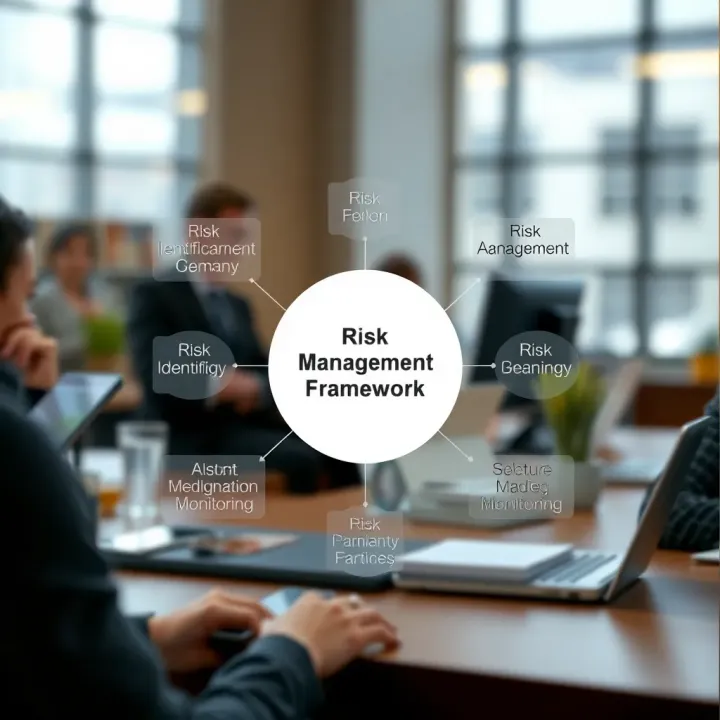
Explore key risk management frameworks ⚖️, their roles, components & how businesses in South Africa can pick the best fit to manage risks effectively.

Discover how risk management safeguards your business from losses, boosts decisions, ensures compliance, and protects your brand reputation 📊🛡️
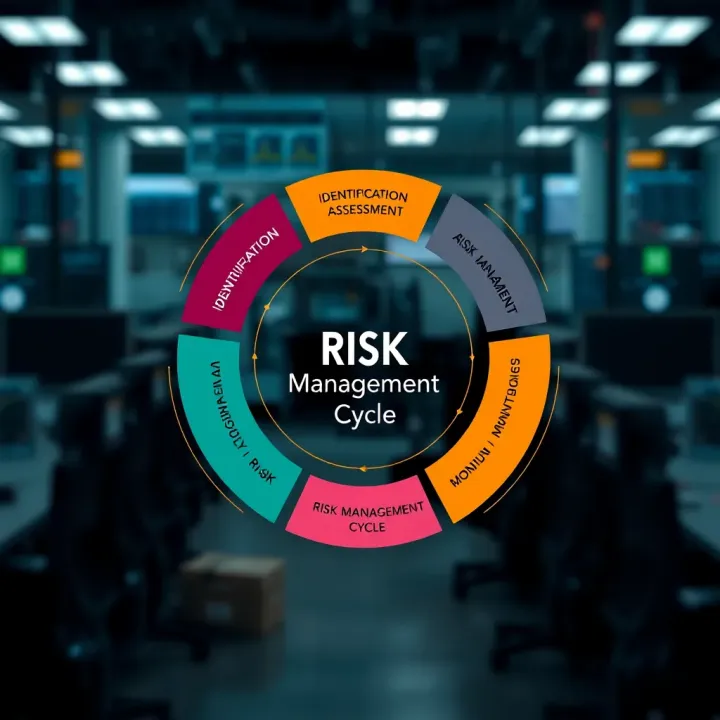
🔍 Explore how effective risk management helps organisations and individuals spot, assess, and control threats to boost success and resilience in daily operations.
Based on 5 reviews