

Managing Fraud and Risks in Today's Business World
Discover how South African businesses identify & manage fraud risks 🔍, using smart strategies and tech to strengthen defences against fraud threats.
Edited By
Amelia Turner
Understanding risk is part and parcel of doing business, investing, or managing assets. Across South Africa, the need for skilled risk management professionals is growing, reflecting the complexities in finance, industry, and entrepreneurship here. This guide offers a no-nonsense look at where and how to study risk management, helping you pick a path that fits your career goals and lifestyle.
Whether you’re a trader gauging market swings, an investor assessing portfolio risks, a broker needing precise risk evaluations, or an entrepreneur managing operational exposures, knowing where to get solid risk management education is key. From accredited universities to specialist institutes, South Africa offers diverse options.

We’ll break down the accredited institutions offering programs, the types of courses you can take, including part-time and online classes, and what each requires for entry. Also, we’ll peek at professional certifications that add real weight to your resume and give tips for choosing the right program without getting lost in jargon.
Navigating the world of risk management education isn’t just about ticking boxes. It’s about arming yourself with practical tools to handle the uncertainties that define markets and industries today.
Risk management isn't just a buzzword tossed around in boardrooms; it's the backbone of decision-making in firms big and small. Getting a solid grip on what risk management entails helps traders, investors, brokers, analysts, and entrepreneurs stay ahead of the curve by identifying, analyzing, and responding to potential threats that could trip up their ventures.
Imagine a local mining company in Rustenburg faced with unpredictable commodity prices and safety hazards. Without proper risk management, a sudden drop in platinum prices or an onsite accident could spell disaster. But with a well-thought-out risk plan, they can cushion blows by adjusting production or enhancing safety protocols. This is the very essence of risk management — preparing for the what-ifs so your business doesn’t catch you flat-footed.
Risk management refers to the systematic process of identifying, assessing, and controlling threats to an organization's capital and earnings. These threats could come from various sources such as financial uncertainties, legal liabilities, strategic management errors, or even natural disasters. The goal is straightforward: minimize losses and maximize opportunities.
Recognizing risk management's importance means understanding it as a function designed to ensure business continuity. For example, an entrepreneur launching a tech startup in Cape Town needs to anticipate risks like cyberattacks or data breaches. By applying risk management principles, they can implement strong cybersecurity measures before problems arise, safeguarding customer trust and business reputation.
In a nutshell: risk management acts as a fire extinguisher, ready long before the flames start.
Risk management is far from one-size-fits-all; it morphs to fit the industry’s unique challenges. In the financial sector, risk managers keep a close eye on credit defaults and market fluctuations — things that can wipe out investor portfolios overnight. For instance, Johannesburg-based investment firms often use risk models to predict how foreign exchange volatility might affect their holdings.
In insurance, professionals calculate premiums and liabilities by assessing risks related to policyholders. Meanwhile, in manufacturing hubs like Durban, risk management is about workplace safety, equipment maintenance, and supply chain disruptions.
Even the public sector, such as local municipalities, employs risk management to make sure services like water supply and waste management don’t falter, preventing community crises. Entrepreneurs, too, leverage risk assessment to decide on business expansions or entering new markets, weighing potential gains against possible setbacks.
Overall, knowing where to study risk management is crucial for anyone serious about mastering these concepts and applying them effectively across industries. It equips you with tools not just to survive, but to thrive amid uncertainty.
Understanding the context of studying risk management in South Africa is a key step for anyone targeting a career in this field. This overview sheds light on the educational environment, the types of courses available, and what students can expect from the programme offerings. With the country's diverse economic landscape—ranging from mining hubs to financial centres—risk management skills are in demand to navigate the uncertainties and challenges faced by businesses.
Studying risk management locally means accessing programmes tailored to the South African market. For example, risk protocols and financial regulations here differ from those abroad, so local knowledge is invaluable. Also, practical benefits include easier networking, better internship opportunities, and direct exposure to regional industry risks. Whether you're a budding analyst or an entrepreneur looking to understand potential pitfalls, knowing the educational landscape is crucial.
The educational terrain in South Africa for risk management is quite varied. You've got traditional universities like the University of Pretoria, which offer comprehensive degree programmes blending theory and practice, with strong links to industry players for real-world exposure. Then, there are Technical and Vocational Education and Training (TVET) colleges that provide a more skills-focused approach, which suits those wanting faster entry into the job market.
In addition to full-time academic routes, there is an increasing number of part-time and online options to accommodate working professionals. These flexible modes allow for continuous learning without sacrificing current employment or business commitments.
The qualifications you can pursue in risk management come in several flavours, each geared to different career stages and goals.
These form the foundation for a career in risk management. Typical bachelor's programmes last around three to four years and cover fundamental topics like risk analysis, corporate governance, and financial risk management. Degrees such as the Bachelor of Commerce in Risk Management at the University of Johannesburg offer graduates a solid grounding in both the theoretical and practical aspects. This qualification suits fresh school leavers or those transitioning from unrelated fields seeking a robust understanding of how risk impacts various sectors.
For those who already hold an undergraduate degree and want a more specialised or advanced approach, postgraduate diplomas and master's programmes are available. These delve deeper into sophisticated risk frameworks, strategic risk planning, and regulatory compliance. For example, the University of Pretoria offers a Master's in Risk Management, which is popular with mid-level professionals aiming to step up into managerial or consultancy roles. Postgrad studies often balance research and practical assignments, pushing you to apply concepts to real scenarios prevalent in South African industries.
If you're looking for shorter, targeted courses, then diplomas and certificates could be the way to go. Institutions like Damelin and some TVET colleges offer these programmes, focusing on specific skill sets such as risk assessment techniques or insurance risk management. These are ideal for those already employed who want to upskill quickly or gain certification recognized by the industry without committing to a full degree. Certificates from professional bodies, like the South African Risk and Insurance Management Association (SARIMA), also carry weight and can complement academic credentials.
Choosing the right qualification depends on your current experience, career ambitions, and the time you can commit. South Africa's wide range of programmes means there's almost certainly an option to match your needs, whether you're fresh out of high school or an experienced professional.
Each type of qualification plays a role in building competent risk management professionals who can handle both local and global challenges effectively. By understanding these options, you can make an informed decision on the best educational path to follow.
Knowing which institutions offer quality risk management programs is a huge step toward setting your career on the right track. These institutions not only provide the necessary academic foundation but also open doors to industry connections, internships, and practical experience. For traders and investors, choosing a reputable program can mean gaining insights that are directly applicable to navigating financial risks more effectively.
The University of Pretoria stands out with its solid risk management curriculum embedded within the Business School. Their program blends theoretical knowledge with real-world applications, particularly in enterprise risk and financial risk. Courses here emphasize analytical skills, which is crucial if you're looking to break into risk analysis or compliance roles within South Africa’s bustling financial markets.
They often incorporate case studies from the local mining and insurance sectors—industries that the country's economy leans heavily on. This practical approach ensures students can relate the material directly to South African business environments, making their learning genuinely useful.
At the University of Johannesburg, risk management is treated as a dynamic field linked closely to emerging market challenges. Their program is known for its flexibility, allowing part-time or distance learning options, which is ideal for working professionals juggling careers in trading or brokerage.
A noteworthy point: the university fosters partnerships with local companies, so students can get hands-on internships and industry mentorship. For someone keen on understanding multi-sector risks—from finance to manufacturing—this exposure is invaluable.
This university focuses more on applied learning and vocational skills in risk management. Their courses often highlight practical techniques in risk assessment and insurance underwriting, which appeal if you're aiming for technical roles or entrepreneurial ventures in risk consultancy.
What’s interesting about Cape Peninsula is its strong connection with Technical and Vocational Education and Training (TVET), which helps students transition smoothly between theoretical knowledge and hands-on application in real workplaces.
TVET colleges are a great choice when looking for more affordable and career-focused risk management education. They offer diplomas and certificates that teach the nuts and bolts of risk management without the heavy theory load you’d get at a university.
These colleges cater well to students who want to quickly enter the workforce or upskill in specific areas like insurance claims or compliance checks. The shorter courses make TVET options attractive for traders or small business owners who need practical risk knowledge to protect their ventures.
Institutions like Tshwane South TVET College and False Bay TVET College are among the key providers of risk management-related courses. They typically offer National Certificates or Diplomas that cover core subjects such as risk assessment, occupational health and safety, and regulatory compliance.
Choosing these colleges can be especially useful if you’re looking for local training with an industry-oriented curriculum, plus a community environment where networking with local professionals is easier.
When picking a place to study risk management, consider how its courses align with your career goals, whether it’s climbing the corporate ladder, managing your portfolio risks, or starting your own risk consultancy business. The right institution can make a significant difference in your practical skills and professional network.
Understanding the course content and curriculum is essential for anyone serious about a career in risk management. It outlines what you'll be learning, how those skills apply in the real world, and how well the course prepares you for the challenges ahead. Courses in South Africa often balance theory with practical know-how, giving students a solid grounding alongside industry insights.

At its heart, risk assessment and analysis is about spotting what could go wrong and figuring out its impact. Students learn techniques to identify potential risks in various environments — from financial markets to operational processes. This includes quantitative methods like statistical modeling and qualitative approaches such as scenario analysis. For example, learners might study how a manufacturing company evaluates the risk of supply chain disruptions. This subject helps you develop a skill set you can immediately apply to real-world problems, whether you're assessing credit risk or operational hazards.
This subject digs into taking a bird's-eye view of risk across an entire organization. It's not enough to tackle risks department by department; enterprise risk management (ERM) teaches how to integrate risk management into overall business strategy. Students explore frameworks that help organizations align risk appetite with their goals. For instance, a bank might use ERM principles to balance regulatory risks with growth ambitions. Enterprises need to communicate risk information effectively, and ERM shows future risk managers how to play that coordinating role.
Given South Africa's strong insurance sector and financial markets, understanding insurance and financial risk is vital. This course block covers the principles of underwriting, claims, actuarial science, and financial instruments designed to mitigate risk. Students learn how to evaluate policies and investment risks, spotting potential losses before they happen. Picture an insurance underwriter assessing flood risk in coastal areas or an analyst weighing the volatility in the Johannesburg Stock Exchange. This knowledge is crucial for careers in underwriting, brokerage, and portfolio management.
Theory alone won't cut it in risk management. That’s why South African institutions often include practical projects, case studies, and internships in their curriculum. Students might participate in simulations where they develop risk management plans for a real or hypothetical company. Industry exposure can come from guest lectures by seasoned professionals, site visits to companies like Old Mutual or Discovery Insurance, or internships that offer hands-on experience.
Such practical components help students build networks and understand the industry's pulse. For example, a student interning at Sasol could witness firsthand how risk management handles operational hazards in the petrochemical sector. This direct exposure often makes the difference in securing a job after graduation, as employers value candidates who know their way around the industry’s practical challenges.
Getting the right mix of theory and practice in your curriculum not only sharpens your skills but opens doors in competitive fields like finance, insurance, and corporate governance.
Understanding the entry requirements for risk management programs is key before applying to any institution. These requirements set the foundation for your studies and ensure you have the right mix of skills and knowledge to keep up with the coursework and practical demands of the field. For traders, investors, or brokers wanting to sharpen their risk insight, meeting these requirements is not just about ticking boxes but preparing to thrive in a competitive environment.
Most universities and colleges in South Africa require applicants to have a National Senior Certificate (NSC) with a solid pass in subjects like Mathematics, Accounting, or Business Studies. For instance, the University of Pretoria often looks for a minimum level 4 (50-59%) pass in Mathematics or Mathematical Literacy, plus English as the language of instruction.
Diploma programs might be a bit more lenient, accepting students who have less stringent marks or alternative qualifications such as the National Certificate Vocational (NCV). Meanwhile, postgraduate courses generally expect a completed undergraduate degree, frequently in commerce, finance, or related fields.
Take a concrete example: The Cape Peninsula University of Technology requires a bachelor's degree with a minimum weighted average mark for admission to its postgraduate risk management course. This shows that strong academic standing is a recurring theme for successful entry.
Besides academic certificates, institutions may require additional components like aptitude tests, interviews, or work experience. Some programs mandate a psychometric test to gauge your analytical skills and personality fit for risk roles, especially for financial or corporate risk management tracks.
For example, the University of Johannesburg sometimes asks applicants to submit a motivational letter explaining their interest and background in risk management, which helps assess genuine commitment beyond grades.
Work experience can also be a plus. Many institutions consider relevant exposure in finance, insurance, or compliance roles as valuable, sometimes waiving certain requirements for seasoned professionals. This flexibility benefits entrepreneurs or brokers who want to add academic credentials without starting from scratch.
Meeting entry requirements isn't just a bureaucratic hurdle—it's your first practical step toward a successful career in risk management. Knowing what each program demands helps you tailor your application and boosts your chance to get accepted where it matters most.
In summary, aligning your academic record and additional qualifications with the right institution ensures a smoother application process and lays a strong foundation for your risk management education in South Africa.
When choosing a risk management course, the mode of study and flexibility options can be just as important as the content itself. This is especially true for professionals juggling jobs, family, or other commitments. Understanding your options helps you tailor your education path without having to put your life on pause.
Full-time study typically means attending classes during the day, dedicating most of your weekdays to lectures, tutorials, and assignments. This mode suits those who can afford to focus solely on their studies, such as recent school leavers or individuals on a career break. For example, if you enroll full-time at the University of Pretoria’s BCom in Risk Management, you’ll be expected to attend campus regularly and complete assessments on schedule.
On the other hand, part-time study offers more leeway, allowing you to spread your coursework over a longer period. This option appeals to working professionals who need to keep their 9-to-5 jobs while upgrading their skills. A banker in Johannesburg might choose part-time classes at the University of Johannesburg so they can learn in the evenings after work. The catch? It requires good time management because coursework still demands attention and deadlines.
Distance learning is another lifesaver for those who don’t live close to a university or prefer to study from home. It’s not just about convenience; it gives access to quality programs for people across South Africa, including rural areas. Institutions like the University of South Africa (UNISA) specialize in online or correspondence-based risk management programs. You receive materials by mail or download them online, participate in forums, and submit assignments electronically.
Online programs go a step further by often including recorded lectures, live Q&A sessions, and interactive platforms that imitate classroom settings. For instance, the Cape Peninsula University of Technology offers an online diploma in risk management with virtual labs and industry case studies. While you miss out on face-to-face interaction, you can balance work, study, and personal life much easier.
Choosing the right mode is about matching your lifestyle and learning preferences with the demands of the course. Full-time might be fast and intensive, part-time more manageable but lengthier, and distance learning highly flexible but requiring self-discipline.
To sum it up, South African risk management programs offer various study modes catering to different needs. Whether you want to dive in full-time or study remotely while working, there’s an option out there. Just remember to consider your schedule, motivation, and support system before making a decision.
Professional certifications play a big role in the risk management sector, especially in South Africa where industries like finance, mining, and insurance depend heavily on skilled risk officers. These certifications validate a professional’s knowledge, ensure they stay current with industry standards, and often open doors to better job opportunities. For someone looking at where to study risk management, understanding these certifications helps in aligning academic qualifications with industry expectations.
The Certified Risk Manager (CRM) credential is one of the most respected qualifications in South Africa’s risk management circle. It’s designed for those who want a solid foundation across different types of risks such as operational, financial, and strategic risks. Holding a CRM shows employers that you can assess risks thoroughly, develop mitigation strategies, and communicate risks effectively within an organization.
This certification is practical because it emphasizes hands-on skills rather than just theory. Many South African companies prefer CRM holders because the course material often includes local case studies reflecting regional challenges. For example, a CRM-certified professional working in Johannesburg would know how to handle risks linked to both urban infrastructure and regulatory compliance in South Africa.
The Risk Management Professional (RMP) certification leans more towards the analytical and project management side of things. It’s helpful for applicants who deal with identifying risks, analyzing them quantitively, and integrating risk controls into business decisions. The RMP is especially well-suited for those involved in sectors like investment banking or large manufacturing firms where project risk assessment is a daily task.
South African employers value RMP holders because they bring a more strategic approach to risk handling, improving long-term business resilience. Plus, many RMP courses offer flexible learning pathways, including part-time or online programs fit for people balancing work and study.
Professional risk certifications are more than just a fancy title. Here’s why they matter:
Credibility and Trust: Employers instantly recognize the skills behind certifications like CRM and RMP. This builds trust, often giving certified individuals an edge over non-certified peers.
Better Career Prospects: Certified risk professionals frequently qualify for higher paying jobs and leadership roles. Some companies even require certifications for risk management positions.
Updated Industry Knowledge: Certification courses keep professionals aware of the latest legal regulations, tools, and risk assessment techniques, which is critical in a rapidly changing landscape.
Networking Opportunities: Joining certification bodies gives access to professional networks and industry events, which can lead to mentorship and collaboration opportunities.
In South Africa’s evolving economy, staying certified is like having a business compass; it guides professionals through the various challenges of risk planning and management.
By understanding and prioritizing these certifications, you’ll position yourself to gain relevant knowledge and practical experience while boosting your marketability in South Africa’s competitive risk management field.
Choosing to study risk management opens doors to diverse career opportunities. This qualification equips you with skills to foresee potential problems and devise strategies to mitigate them, which is invaluable across industries. Understanding these career paths helps you align your education with job market demands and personal interests.
A risk analyst evaluates potential financial or operational risks facing an organisation. They gather data, identify patterns, and recommend actions to reduce exposure to uncertainty. For example, a risk analyst at a Johannesburg-based investment firm might assess the impact of market volatility on client portfolios. This role is critical because it turns raw data into actionable insights, enabling businesses to avoid costly mistakes.
Compliance officers ensure that companies follow laws, regulations, and internal policies to avoid penalties or reputational damage. They often work closely with legal teams and auditors. In South Africa’s financial sector, a compliance officer might be responsible for aligning banking practices with the Financial Sector Conduct Authority’s (FSCA) regulations. This job demands attention to detail and a proactive approach.
Insurance underwriters assess risks involved in insuring people or assets and decide coverage terms. For instance, an underwriter in Cape Town might evaluate risks of insuring a mining operation. Their decisions affect premium prices and company profitability. The role blends analytical skills with industry knowledge and impacts the risk management cycle significantly.
One of the biggest employers of risk management professionals is the finance sector. Banks and investment firms need experts to handle credit risk, market risk, and operational risk. For example, Absa Group employs risk managers to help navigate economic fluctuations and prevent loan defaults. Skilled risk managers here keep financial systems stable and compliant.
The insurance industry relies heavily on risk management professionals to calculate risks accurately and set premiums accordingly. Companies like Old Mutual and Santam recruit graduates to develop models that predict claim probabilities and minimize loss. Working in insurance offers exposure to both technical analysis and customer-facing responsibilities.
South Africa’s mining sector faces unique risks such as safety hazards, environmental impact, and commodity price swings. Risk management experts help companies like Anglo American and Sibanye-Stillwater design safety protocols and contingency plans. In manufacturing, risk professionals manage supply chain disruptions and quality control risks. These roles often involve on-site assessments and collaboration with engineers.
Public institutions also need risk management skills to handle policy risks, public health crises, and infrastructure projects. Departments such as the National Treasury or the South African Police Service engage risk managers to formulate plans that safeguard public resources and maintain compliance. Careers here might require understanding of regulatory frameworks and public accountability.
A risk management qualification isn’t just a ticket to one industry; it’s a toolkit that makes you adaptable and valuable wherever uncertainty looms. Whether analysing market trends or enforcing compliance, your expertise helps companies stay ahead of trouble.
By mapping out these career paths and sectors, prospective students can pinpoint where their risk management skills might take them, tailoring their studies and certifications accordingly.
Choosing the right place to study risk management isn’t just about picking the fanciest university or the one with the most courses. It’s about finding the spot that fits your goals, budget, and lifestyle. Whether you’re a trader wanting to sharpen your risk assessment skills or an entrepreneur looking to safeguard your ventures, considering the right factors ensures your investment in education pays off. Let’s break down some key points to mull over before making that big decision.
When looking for a risk management program, don't overlook accreditation. It’s like a stamp of approval saying the institution meets certain standards. For example, a degree from the University of Johannesburg or the University of Pretoria, both well-regarded and accredited, holds more weight in the job market than one from a lesser-known college without proper recognition.
Reputation goes hand-in-hand with accreditation but also reflects how the institution is viewed by employers and within the industry. You might find a smaller college that’s accredited but doesn’t have the same network connections or alumni success. This can affect internship opportunities or job placements. In practical terms, if you want a career in financial risk management, studying at a university tied closely with Johannesburg’s financial market players could offer an edge.
Remember, some certifications or professional bodies like SARIMA prefer candidates from recognized schools, so accreditation isn’t just a formality – it’s a practical necessity.
Tuition fees vary widely across institutions, and it's no secret that studying can be expensive. But don’t let the sticker shock discourage you outright. Many South African institutions offer financial aid options, scholarships, or bursaries specifically for risk management students. For instance, the University of Pretoria provides several merit-based bursaries that can significantly reduce tuition costs.
Consider your budget upfront and ask about hidden costs too – books, exam fees, and study material can add up. You might find that a TVET college offers a more affordable diploma with solid practical training, which could suit you better if money’s tight.
Balancing cost against quality is key. Taking a cheaper course that lacks in content quality can end up costing you more time and missed opportunities. On the flip side, don’t blow your budget on the priciest program if it doesn't offer financial aid or flexible payment plans.
Location matters, especially if you prefer in-person classes or need access to networking events and industry hubs. Studying in a major city like Johannesburg or Cape Town places you close to financial districts and corporate offices, which can be a massive advantage for internships or job shadowing.
Campus facilities also play a role. A well-equipped campus with up-to-date computer labs, libraries stocked with relevant materials, and spaces to collaborate can make your study experience smoother. For example, the Cape Peninsula University of Technology is known for its modern facilities and hands-on approach which can enhance learning.
If relocating isn’t an option, check if your chosen institution offers flexible modes like part-time or online classes, allowing you to balance work and studies without the hassle of daily commuting.
Choosing where to study risk management isn't just about academics. Think about how accreditation, costs, and the location align with your career plans and day-to-day life. Make your choice a smart one—it’ll pay off down the road.
Applying to study risk management in South Africa involves more than just filling out forms; it’s a strategic process that needs careful attention to ensure everything lines up perfectly for you to start your course on time. Getting this right not only helps you secure a spot at your chosen institution but also sets the stage for your academic journey in risk management.
Knowing the ins and outs of the application process gives you a leg up. This means understanding what documents you'll need, how to submit them, and what criteria your chosen institution uses to select students. Deadlines come into play here — missing these can mean waiting another year, which can be frustrating if you’re eager to dive into the field.
For example, universities like the University of Pretoria or the University of Johannesburg usually require prospective students to apply online through their portals. They expect a full application, complete with certified copies of your school certificates, a CV where applicable, and sometimes a motivation letter explaining why you want to study risk management. Keeping tabs on these details and submitting your application early can make all the difference.
Starting an application for risk management courses typically begins on college or university websites, where institutions outline the specific steps to follow. Generally, you’ll need to:
Create an online profile on the institution’s learner application portal.
Fill out personal details accurately, ensuring they match your identification documents.
Upload certified copies of required documents like your National Senior Certificate or previous university transcripts.
Provide contact details for references if required.
Write a brief motivation letter if applicable, highlighting your interest in risk management and career goals.
Pay the application fee, which varies between institutions (for instance, University of Johannesburg charges around R185).
What’s critical here is double-checking every part before submitting. Small mistakes like incorrect spellings or missing documents can slow down the process or cause outright rejection.
Deadlines are a big deal. If you’re aiming to start your studies at the beginning of the academic year, applications often open in the second half of the previous year, usually around July or August. Here’s how to keep things on track:
Application Start: Most universities open their applications between July and August for the following year's intake.
Closing Dates: These vary widely — some close early November, others accept late applications until January or February, but it’s risky to rely on last-minute submissions.
Supporting Documents Deadline: Often, your final results (like matric certificates) have to be submitted by January alongside or shortly after your application to confirm your acceptance.
Registration Dates: Once accepted, registration can happen from late January to early February.
For diploma or certificate courses at TVET colleges, the timelines might be slightly different, sometimes with rolling admissions. Always check directly with the institutions or their websites to avoid surprises.
Pro tip: Set reminders for yourself well ahead of deadlines, and aim to apply early enough to manage any unexpected delays or document issues.
By closely following the application steps and respecting the timelines, you’ll keep frustration at bay and increase your chances of starting your risk management studies smoothly in South Africa.
Choosing where to study risk management isn't just about picking a course or a college. The extra support you get plays a big role too. These additional resources can make the whole learning journey smoother, especially when things get tricky or uncertain—fitting, considering the nature of risk management.
From academic guidance to career advice and financial help, let’s explore what exactly students can count on when they sign up for risk management programs in South Africa.
Academic advising is like having a friendly guide during your studies. Advisors help you understand the curriculum, pick the right courses, and stay on track for graduation. For example, if you're unsure whether to focus more on enterprise risk management or insurance risk, an academic advisor can help weigh your options based on your career goals. This support reduces confusion and keeps students motivated.
Career counselling is another lifeline. A lot of students don’t realize how important this is until they’re close to finishing their degrees. Career counsellors in risk management programs assist in identifying job opportunities, prepping resumes, and practicing interviews. They often have connections with local companies or industries like mining, banking, and insurance sectors where risk management skills are in demand, which can lead to internships or even job placements.
When it comes to financial assistance, it’s often a major concern for many students, especially with tuition fees being no small matter. Most South African institutions offering risk management courses have financial aid departments to help with bursaries, scholarships, or payment plans. Knowing where to go for financial backing can ease your worries and ensure you’re focusing on your studies without money stress pulling you down.
The South African Risk and Insurance Management Association (SARIMA) is a standout organization for anyone serious about this field. Besides offering industry-recognized certifications, SARIMA regularly hosts seminars, workshops, and networking events. Joining SARIMA means gaining access to a community of professionals who share knowledge, best practices, and even job leads. It’s like having a backstage pass to the local risk management industry.
Besides SARIMA, there are other industry groups you should know about. For instance, the Institute of Risk Management South Africa (IRMSA) and the Chartered Insurance Institute (CII) offer memberships and resources tailored for students and professionals alike. These groups provide a platform to connect with peers, attend conferences, and stay updated on industry trends. Engaging with these associations can give students a leg up when entering the job market, as employers often value active involvement in professional bodies.
Extra support and resources are often what separate students who merely graduate from those who truly thrive and land great roles in risk management. Don't overlook them when choosing where to study.
Discover how South African businesses identify & manage fraud risks 🔍, using smart strategies and tech to strengthen defences against fraud threats.
🔍 Learn practical fraud risk management strategies for South African businesses. From detection to prevention, protect your company effectively today. 🛡️

Learn how to spot and manage risks in daily life and business with key strategies and practical tips. Master risk management for smarter decisions! ⚖️📊
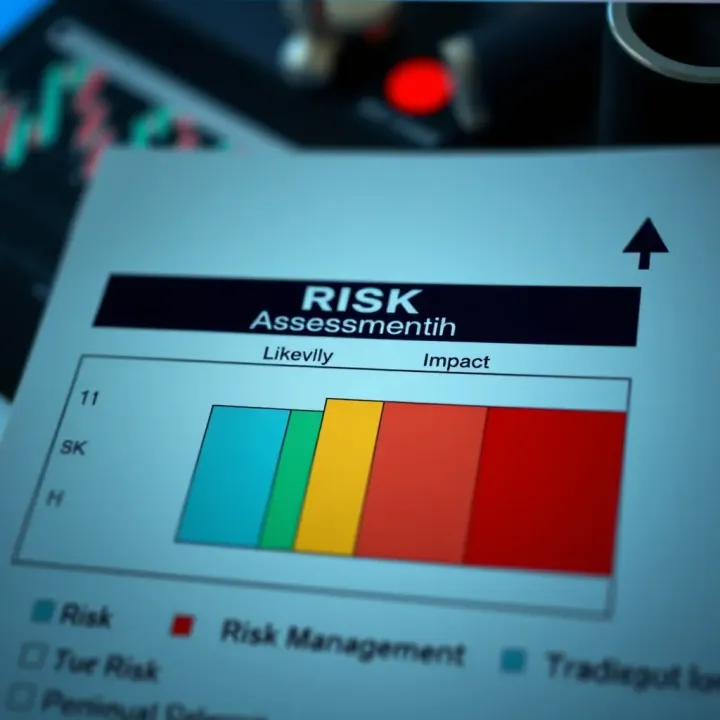
📋 Learn what to include in a risk management plan to identify, assess, and handle risks effectively. Prepare your team for uncertainties and keep operations smooth.
Based on 9 reviews