

Why Risk Management Matters for Your Business
Discover how risk management safeguards your business from losses, boosts decisions, ensures compliance, and protects your brand reputation 📊🛡️
Edited By
Michael Ashford
Risk management isn't just a buzzword tossed around in boardrooms—it's a backbone for anyone dealing with uncertainties, especially traders, investors, brokers, analysts, and entrepreneurs. From unpredictable markets to operational hiccups, every player faces risks that can impact their goals and financial health.
This section sets the stage for understanding the real value of risk management. We'll highlight why it matters, the core ideas we'll cover, and how getting a grip on risks can steer you toward smarter decisions and long-term stability.
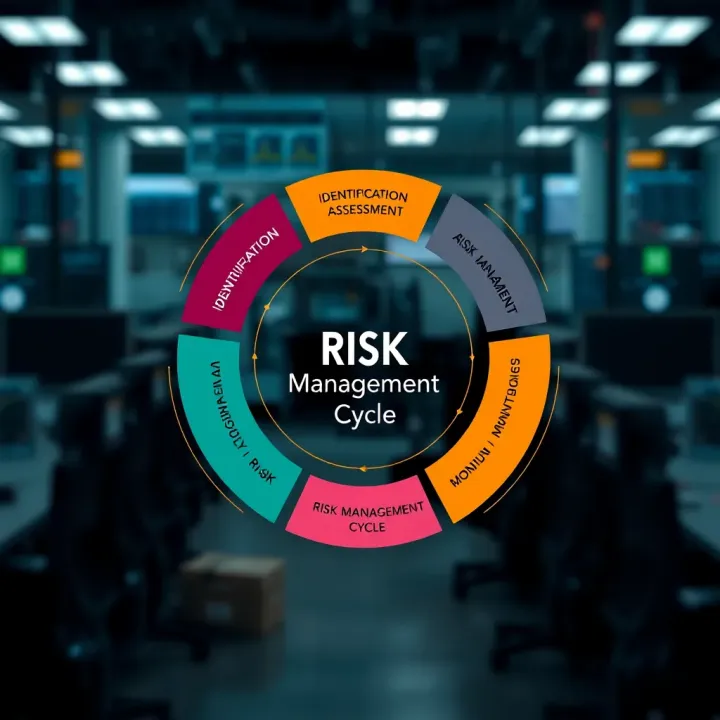
To put it simply: without a solid grasp on risk, you’re sailing with a torn sail—sure, you might move forward, but the odds of getting stranded are high.
Risk management helps you spot trouble before it becomes a full-blown crisis.
It allows you to measure and prioritize risks so resources aren't wasted tackling minor issues.
Applying these principles can vastly improve your chances of success in complex environments.
"Ignoring risk is like driving blindfolded—eventually, you're bound to crash."
We'll be diving into:
The nuts and bolts of risk identification and assessment
How to effectively control and mitigate risk
Real-world examples to connect theory with practice
The broader benefits risk management brings to resilience and growth
By the end, you should see risk management not just as a technical step, but as an essential mindset that can safeguard your operations and open up new opportunities.
Understanding what risk management really means and why it matters is the bedrock of any solid business strategy. It’s more than just ticking boxes—it’s about having a clear grasp on potential threats that could throw a wrench in your plans, whether you’re running a startup, trading stocks, or managing investments. Defining risk management sets the stage for proactive thinking and sharply aimed responses.
At its core, risk management helps you spot trouble before it hits, which can save money, time, and reputation down the line. For traders and investors in particular, this means not just reacting to unexpected turns in the market, but having tools in place to navigate choppy waters confidently.
Risk is fundamentally about the chances of something going wrong and how that might affect your goals. Think of it like walking a tightrope—it’s not just the chance you might slip, but what happens if you do. Different types of risks exist: market risk, credit risk, operational risk, and more, each with its own characteristics and consequences. Taking the time to break these down helps you focus your resources where they matter most.
For a real-world example, consider a Johannesburg-based investor watching commodity markets. Understanding price volatility and political shifts helps that investor anticipate risks and protect their portfolio accordingly. Whether it’s a sudden regulatory change or unexpected market swings, risk management turns guesswork into informed strategy.
Here’s the kicker: risk and uncertainty often get lumped together, but they’re not the same. Risk refers to known probabilities—you can estimate the odds. For instance, you know that the chance of a stock dropping by 5% is about one in ten over a month. Uncertainty, on the other hand, is when you don’t even have enough info to gauge those odds, like when a brand-new tech disruptor enters the market overnight.
This distinction matters because managing risk involves measuring and controlling what’s measurable. When faced with uncertainty, the best approach might be flexibility and contingency planning rather than strict control. Knowing which you’re dealing with can save you from throwing precious resources at the wrong problems.
The first and most obvious objective is keeping your assets — financial or physical — safe. This means everything from protecting cash flow and investments to safeguarding machinery and property. A practical example: a mining company in South Africa investing in advanced safety measures and regular equipment maintenance to avoid costly accidents and downtime.
Good risk management isn’t about eliminating all risks (that’s impossible) but about shielding what matters most by identifying vulnerabilities and setting up barriers.
What happens if your main supplier suddenly goes bust? Or there’s a cyberattack disrupting your operations? Business continuity planning, a core part of risk management, ensures that such shocks don’t stop your business in its tracks.
A neat illustration could be an e-commerce startup having backup logistics partners and a disaster recovery plan for its IT systems. This foresight prevents a small hiccup from snowballing into a total shutdown.
In the heat of trading decisions or launching new ventures, having a clear picture of risks means you can make smarter, faster calls. Risk management provides a structured approach to weigh risks against rewards, helping entrepreneurs and investors spot opportunities that might look too risky at first glance but, with proper controls, could pay off handsomely.
Effective risk management is your safety net and your compass — helping you avoid pitfalls while steering toward growth. It’s not about being risk-averse; it’s about being risk-smart.
By getting clear on what risk management involves and zeroing in on these objectives, businesses and individuals alike gain a stronger footing to face the unexpected. Whether it’s juggling market ups and downs or keeping daily operations smooth, defining and owning your risk approach is a must.
Organisations across South Africa—from bustling startups in Cape Town to established firms in Johannesburg—face countless uncertainties daily. Risk management acts like a steady compass amid these unpredictable waters, guiding businesses to anticipate and handle threats before they snowball into bigger problems. Without it, companies are basically driving blindfolded, often ending up with costly detours or wrecks.
Prevention is better than cure—and this rings especially true in managing financial risks. By spotting potential hazards early, companies can avoid expenses linked to emergencies. Take a retail store that invests in comprehensive security systems: the upfront spend might seem steep, but it stops losses caused by theft or vandalism, saving much more over time. Preventive measures like routine equipment maintenance or employee training often sniff out problems that could otherwise blow budgets wide open.
Unexpected costs hit hard, especially when they derail planned budgets. Risk management helps organisations put buffers in place, such as emergency funds or insurance policies tailored to their specific exposures. For instance, a tech startup might insure against cyberattacks, which otherwise could cripple operations and drain resources. Being prepared for the unexpected means businesses can weather storms without scrambling for quick fixes or drastic budget cuts.
Every business knows that disruptions, whether from supply chain hiccups or equipment failure, throw a spanner in the works. Effective risk management identifies weak points in operations and creates plans to reduce downtime. For example, a manufacturing company might keep backup suppliers ready to step in if the usual provider faces delays. This proactive approach keeps operations humming smoothly, preventing costly halts.
Risk management often shines a light on messy or redundant workflows that could breed errors or delays. By reworking these processes—maybe automating certain steps or reshaping teams—companies can avoid risks that stem from human mistakes or inefficiencies. Streamlined processes not only cut waste but also create a clearer path for work to flow faster and with fewer hiccups.
A company’s reputation is fragile, and a single scandal or failure can cause lasting damage. Active risk management signals to clients, partners, and regulators that an organisation takes its responsibilities seriously. For example, banks regulated by the South African Reserve Bank must manage financial risks to avoid missteps that could shake customer confidence. Consistently managing risks maintains trust and credibility in the market.
Investors and customers alike want to back or buy from businesses that can handle bumps along the road. A firm known for robust risk controls shows it’s reliable and probably won’t fold under pressure. Imagine a logistics firm with clear safety standards and contingency plans—customers feel assured their goods will arrive on time, and investors see reduced chances of losses. Risk management makes the company a safer bet for everyone involved.
Understanding and applying risk management isn’t just ticking a box; it’s about weaving resilience into the fabric of your organisation. Its impact touches finance, operations, and reputation—three pillars that keep any business standing tall despite uncertainties.
Strategic planning isn't only about setting goals and figuring out how to hit them—it's just as much about spotting the potential bumps along the road. Without factoring in risk, a business might sail straight into trouble unnoticed. Risk management helps leaders keep their eyes open for threats that could knock strategy off course, making it a fundamental part of long-term success.
Take a local retail business, for example, planning to expand into new regions. Without a solid risk assessment, they may miss issues like fluctuating supplier prices or shifting customer preferences in those areas. Integrating risk management allows this business to identify such pitfalls early, adjusting plans and saving time and money down the line.
Matching risks directly to your business goals keeps your strategy realistic and grounded. It means looking at each objective and asking, “What could go wrong here?” This step avoids surprises by highlighting specific risks tied to the company’s aims.
For instance, if an investment firm aims to increase its portfolio diversity, a linked risk could be entering unfamiliar markets too quickly. Recognising this upfront allows them to get proper expert advice or take smaller steps. This targeted risk identification means your strategy won’t just be wishful thinking but built on solid ground.
No business can avoid risk entirely, but successful ones are great at weighing potential gains against possible downsides. It’s like walking a tightrope—you want to move forward but not trip.
A tech startup might have to decide whether to bring out a new app feature before it’s fully tested. The reward might be beating competitors to market, but the risk could be alienating users if the feature crashes. Understanding this balance helps decision-makers make smart calls—not too cautious to miss out, but not reckless either.
Firms that treat risk and reward as two sides of the same coin tend to make better strategic choices that foster growth without courting disaster.
When multiple projects are on the table, not all deserve the same push. Risk analysis helps to rank initiatives based on urgency and potential impact.
Imagine a manufacturing company juggling safety upgrades, new machinery investment, and staff training. By assessing risks, they might find that upgrading safety gear has the highest payoff in reducing accident-related downtime. So, they tackle that first before other tasks.
This prioritisation ensures resources and efforts go where they matter most, preventing scattergun approaches that drain budgets and energy.
Resources—be it money, staff, or time—are always limited. Risk management guides how to spread these assets wisely.
Suppose an e-commerce business faces risks from cyber threats and logistics delays. A thorough risk review might reveal that cyber-attacks pose a bigger threat to revenue now. So, more funds get assigned to improve cybersecurity measures.
Such targeted resource allocation avoids overspending on less critical areas and strengthens the business where it's most vulnerable.
Managing risk within strategic planning isn’t a check-box exercise. It's an ongoing conversation where each decision is weighed against what could go wrong and how that affects overall goals. For traders, investors, and entrepreneurs in South Afircan markets, this approach provides a solid foundation for navigating uncertain waters while chasing growth and stability.
Risk management isn't just a boardroom concept reserved for big crises. It’s a daily necessity that helps businesses stay afloat amid the constant swirl of small disturbances and unexpected hiccups. This practical approach involves spotting, assessing, and tackling risks that show up in the day-to-day grind. When handled well, it keeps operations running smoothly, limits losses from routine setbacks, and builds a resilient foundation. For traders, investors, and entrepreneurs especially, overlooking daily risks is like walking in a minefield blindfolded.
Understanding the risks that pop up regularly is the cornerstone of everyday risk management. Take, for instance, cash flow problems in a small trading firm caused by delayed payments—while it might seem minor alone, such issues can snowball quickly without timely action. Common risks include supply chain delays, data entry errors, technology glitches, or fluctuating market conditions. Pinpointing these factors early means less scrambling when problems arise.
Monitoring these daily risks can be tougher than expected, which is where tools come in handy. Tools like risk registers or simple spreadsheet trackers work wonders to keep tabs on vulnerabilities and their impact levels. More advanced options include dedicated software like Resolver or LogicManager, which offer dashboards to track risks in real time, assign responsibilities, and keep audit trails. Even automated alerts from accounting or CRM systems can flag unusual activities early.
Even with routine checks, unexpected risks will appear out of nowhere. Having solid contingency plans is critical to avoid being caught flat-footed. For example, a Johannesburg-based mining company might prepare backup supply routes and equipment servicing plans, ensuring minimal disruption if a primary mine shaft closes unexpectedly. A contingency plan outlines clear steps to mitigate damage, who takes charge, and communication strategies, so the team knows exactly what to do when the crunch comes.
But plans alone don’t cut it — fostering a responsive culture matters just as much. That means training staff to alert management about potential risks early and encouraging problem-solving on the spot. When a digital startup in Cape Town noticed signs of a security breach, their well-practiced incident response protocol and quick action prevented what could have been a serious data leak. Everyone from top leadership to interns has to feel invested in catching and reacting to risks swiftly.
Quick detection and reaction are the lifeline of everyday risk management. The sooner risks are spotted and addressed, the less likely they’ll cause major disruptions.
By embedding risk awareness into daily operations, businesses turn risk management from a chore into a natural, ongoing shield that safeguards their goals and reputation.
Managing risk isn't just about keeping a business afloat during tough times; it also ties directly into adhering to the legal and regulatory frameworks that govern every industry. Getting this right ensures companies avoid costly legal trouble, fines, and damage to reputation—things that can really knock a business off course.
Every industry has its own set of rules and regulations meant to keep things fair, safe, and transparent. For traders and investors in South Africa, this means familiarity with bodies like the Financial Sector Conduct Authority (FSCA) and the Johannesburg Stock Exchange (JSE) requirements. Understanding these legal obligations is not just about ticking boxes—it helps firms stay on the right side of the law and protects them from operational risks tied to non-compliance.
Take, for example, the Protection of Personal Information Act (POPIA). Companies must manage and protect customer data properly. Failing to comply can lead to severe consequences. So, integrating risk management practices to monitor compliance keeps the organisation from stumbling into legal pitfalls.
Ignoring compliance isn't a cheap mistake. Fines for non-compliance can range from tens of thousands to millions of rand. For a local business, that kind of hit can cripple cash flow. Beyond immediate penalties, repeat offences can lead to stricter audits or even suspension of licences.
Businesses that embed risk management in their operations can identify potential compliance failures early. They can then take corrective action before regulators step in. This proactive approach isn’t just cost-effective; it also safeguards the company’s long-term standing with authorities and customers alike.
Ethical conduct isn't just a buzzword—it’s foundational. Without proper risk measures, companies are vulnerable to fraud and misconduct, which can be internal (like employee theft) or external (such as vendor scams). These actions not only drain resources but can seriously tarnish a company’s image.
Robust risk management programs introduce controls such as separation of duties, proper approval workflows, and regular audits. For investors and brokers, transparency in operations means fewer surprises and a healthier business environment. This builds confidence across the board, from stakeholders to regulators.
Transparency in business dealings instills trust. It means stakeholders have clear, accurate information about the company’s activities without having to dig or second guess. This openness helps firms avoid accusations of misconduct or negligence.
A practical example is reporting financial results honestly and promptly. Firms that use risk management to monitor their reporting processes reduce errors and misstatements. This avoidance of misinformation keeps legal issues at bay and strengthens investor relations.
Clear legal and regulatory compliance combined with ethical practices act like a compass guiding businesses safely through complex markets, reducing surprises and costly setbacks.
In short, the legal and regulatory benefits of managing risk provide a solid foundation for operational stability and long-term growth. For anyone involved in trading, investing, or running a business, understanding these benefits and putting measures in place isn’t an option—it’s a necessity.
In the world of finance, investment, and entrepreneurship, pushing boundaries is part of the game. But without a grip on potential risks, innovation can turn into a reckless gamble. Risk management doesn’t kill creativity; it actually gives it a safe playground. It helps you take calculated risks – those where you’ve done your homework and know what could go wrong and how to handle it. For traders trying out new strategies or entrepreneurs launching fresh ventures, this balance is what keeps efforts sustainable rather than just hopeful leaps.
Innovation requires stepping into the unknown, but unchecked risks can dash your efforts before they get off the ground. By encouraging controlled risk-taking, risk management acts like a careful dance partner, allowing bold moves while keeping you from tripping up badly. The key is in setting boundaries: define what risks you are willing to accept, and establish safeguards like pilot testing new products or staggering investment amounts.
For example, a local startup launching a new app might roll it out first to a small user group in Johannesburg. This approach gives valuable feedback and highlights issues without exposing the business to a full-scale flop. This way, they stay creative and adventurous while avoiding costly errors.
Before diving headfirst, assessing the potential impact of risks lets innovators weigh rewards against downsides. This means not only looking at worst-case financial losses but also considering reputation, market position, and regulatory consequences. A well-rounded assessment helps decide if an idea is worth pursuing or needs adjustment.
For instance, an investor considering backing a green energy project would evaluate environmental benefits alongside possible risks like technology failure or changes in government policy. If the impact assessment shows high reward but manageable risks, they can move forward confidently.
New projects well and truly thrive in environments where uncertainty is reduced. Risk management tools, like scenario planning and risk registers, allow businesses and investors to spot potential hurdles in advance. This foresight means fewer surprises and more informed choices.
Take the example of a mining company exploring a new mineral deposit in South Africa. By conducting thorough environmental and operational risk assessments before starting, they can anticipate challenges such as water scarcity or regulatory changes, cutting down the unknowns significantly.
Risk management boosts project viability by ensuring resources aren’t wasted on flawed ideas or overlooked hazards. Regular risk reviews and contingency plans help keep ventures on track even when bumps arise.
Consider how an entrepreneur launching a fintech solution continuously monitors risks related to cybersecurity and market acceptance. This vigilance means they can pivot quickly when threats surface, improving the chances their project will survive and thrive.
Innovation thrives on risk, but it’s the control and understanding of those risks that fuel success rather than failure.
In short, risk management isn’t just a safety net—it’s an enabler of innovation. It lets you test new waters with one eye open, making sure your creativity doesn’t lead you off a cliff but onto solid ground instead.
People are often the most unpredictable element in risk management. But ignoring the human side can lead to overlooked risks and weak responses when trouble hits. In today’s fast-moving markets and complex operations, understanding how employees and leadership interact with risk is just as important as the technical side.
Every trader, broker, or entrepreneur needs to have a sharp eye on potential risks. That starts with solid training and communication. It’s not enough to hand out a manual or send a memo; the message must land clearly so everyone understands what risks look like and how to spot them early. For example, a South African investment firm might run regular workshops where staff role-play scenarios like suspicious transactions or sudden market downturns. These exercises help make risk real rather than theoretical.
Another key piece is cultivating a culture of responsibility. Risk management isn’t just a checkbox but a shared concern. Employees should feel empowered to raise flags without fear of backlash. For instance, a mining company in Gauteng might encourage daily safety briefings where every worker contributes observations, reinforcing that risk awareness is everyone's job, from the newest intern to the site manager. This collective mindset reduces surprises and builds a stronger safety net.
If employees are the frontline, leadership sets the tone. Setting expectations is crucial. Leaders must clearly communicate the organisation’s risk appetite and boundaries. For example, a financial services company could explicitly state their limits on speculative trades versus more conservative investment strategies. This clarity helps decisions align with the company’s risk profile and avoids costly gambles.
Beyond that, leaders must champion ensuring accountability. Risk management doesn’t work unless people know they’ll be held responsible for their roles. Take a retail chain operating in South Africa – if store managers ignore security protocols, leadership needs mechanisms to track and address these gaps swiftly. Accountability systems like regular audits or performance reviews tied to risk indicators keep vigilance high and standards firm.
Treating risk management as a people game, not just a numbers one, is what makes it truly effective.
In short, risk is never just a technical challenge; it’s a human one. Without awareness and ownership among employees, paired with clear expectations and accountability from leaders, even the best risk frameworks can fall apart under pressure.
Technology has become a cornerstone in how businesses manage risk today. For traders, investors, brokers, and entrepreneurs in South Africa and beyond, relying on technology isn’t just a convenience—it’s a necessity. This section will explore how technology helps organisations spot risks earlier, analyse them smarter, and respond faster, reducing surprises and losses.
Software solutions revolutionise risk identification by automating otherwise tedious and error-prone tasks. Tools like Palisade's @RISK or SAS Risk Management scan heaps of data to spot patterns humans might miss. Automation cuts down time spent on manual analysis, freeing up teams to focus on strategy rather than data entry. For instance, brokers can automate credit checks or compliance audits, smoothing the way for quicker decisions without compromising safety.
Automation also enables continuous risk assessment, which is vital in the fast-moving markets. By integrating systems that automatically flag changes—like sudden market volatility or shifts in regulatory rules—entities can act proactively instead of patching holes after the fact.
Data analytics turns raw numbers into meaningful insights. Using statistical models and predictive analytics, businesses can estimate the likelihood of risks and their potential impact. For example, a mining company in South Africa could use data analytics to predict equipment failure or environmental hazards before they become costly incidents.
Analytics tools help distil complex datasets into understandable risk scores or heat maps. This ability makes it easier for executives and analysts to prioritise which risks demand immediate attention and resources. Analytics also supports scenario testing, letting organisations play out "what-if" scenarios to see how different risks might affect their bottom line.
Real-time monitoring systems keep a finger on the pulse of risks as events unfold. With market conditions changing by the minute, instant updates enable traders and investors to adjust their positions quickly. Firms using platforms like Bloomberg Terminal or Refinitiv Eikon benefit from alerts that highlight sudden price swings, liquidity crunches, or geopolitical events that could impact portfolios.
Beyond financial markets, real-time tech helps enterprises react to operational risks instantly. For example, a manufacturing firm might have sensors that detect machinery overheating, prompting immediate shutdowns to prevent accidents. This instant feedback loop drastically reduces potential damage.
Transparent and thorough documentation of risk management activities creates accountability and track records that speak volumes. Keeping clear records — whether it's decision logs, incident reports, or risk assessments — ensures everyone stays on the same page. For regulators and auditors, transparency simplifies compliance checks, while internally, it aids learning from past mistakes.
Companies using integrated software platforms can automatically generate reports and dashboards that detail risk exposures and responses. This not only saves time but also supports continuous monitoring and improvement. When stakeholders can easily access documented risk information, trust builds naturally, which is gold in markets where reputation is everything.
Technology doesn't just make risk management easier; it makes it smarter and faster. The real winners are those who blend human judgment with technology's processing power to stay ahead of threats.
In summary, technology equips businesses with sharper tools for identifying, analysing, and responding to risks. Embracing the right software, tapping into robust data analytics, staying vigilant through real-time monitoring, and maintaining transparent documentation all help reduce uncertainty and safeguard success in a competitive environment.
Risk management takes on a special significance in South Africa, given the unique economic, social, and regulatory challenges faced by businesses across the country. It’s not just about ticking boxes; effective risk management here directly supports business survival and growth in sectors that are pivotal to the nation's economy. By looking into specific industries like financial services, mining, and manufacturing, we can see how tailored risk strategies help protect investments, ensure safety, and comply with laws, thus building a robust foundation for sustainable operations.
In South Africa’s financial sector, managing credit and market risks is essential given the volatility of local and global markets. For example, banks like Standard Bank and FirstRand use sophisticated credit scoring models and continuous market analysis to reduce the risk of loan defaults and adverse market movements. This attention to risk helps maintain liquidity and protects both customers and investors from unexpected losses. Traders and analysts who understand how to spot risk factors early can better navigate the choppy waters of emerging market finance.
The financial services sector is tightly regulated by bodies like the Financial Sector Conduct Authority (FSCA) and the South African Reserve Bank (SARB). Risk management here isn’t optional—non-compliance can incur hefty fines and hurt reputations. Companies need systems to monitor transactions for fraud, ensure accurate reporting, and stay ahead of regulatory changes. For entrepreneurs and brokers, this means establishing internal controls and audit trails are vital parts of risk management, helping avoid penalties while fostering customer trust.
Mining remains one of South Africa’s largest industries and also one of the most hazardous. Safety protocols, such as those enforced by the Department of Mineral Resources and Energy, require rigorous risk assessments and protective measures to prevent accidents underground or in plants. Companies like Anglo American implement strict monitoring systems along with worker training to keep environments safer. For investors, understanding these measures can highlight how seriously a company approaches operational risks.
With manufacturing and mining activities posing substantial environmental risks—like pollution or land degradation—monitoring and controlling these impacts is crucial in South Africa. Firms invest in environmental management systems to meet regulatory standards, such as those outlined in the National Environmental Management Act (NEMA). Effective environmental risk management not only prevents costly fines and cleanup but also supports sustainability goals that more and more investors and customers demand.
South African businesses that actively manage sector-specific risks not only protect their bottom line but also build resilience against unexpected shocks, earning respect from stakeholders and regulators alike.
From the financial markets to the deep mines and sprawling factories, risk management in South Africa shows how detailed, context-aware strategies translate into practical benefits: minimized losses, compliance assurance, safer workplaces, and a greener footprint. Traders, analysts, and entrepreneurs who grasp these local nuances position themselves to make smarter, more secure decisions.
Risk management isn’t just about spotting problems; it’s about dealing with real-world challenges that pop up when trying to fit it into everyday business. Organisations, especially in fast-moving environments like trading or manufacturing in South Africa, often face roadblocks that slow down or even block effective risk processes. Recognising these challenges and figuring out how to tackle them early can make a huge difference.
One major snag many businesses hit is resistance to change. Employees and even management can get set in their ways, especially if they’ve been successful without formal risk management before. This resistance often stems from fear of extra work, loss of control, or simply discomfort with new routines. Take a stockbroker firm, for instance: When a new risk assessment procedure is introduced, some brokers might see it as slowing down their trades or complicating their day.
To overcome this, clear communication is key. Explain not just the "what" but the "why" – how risk management protects their interests and can prevent bigger headaches down the road. Involving staff in the process also helps, giving them a sense of ownership. Training sessions that show quick wins or real cases where risks were successfully flagged can also shift attitudes.
Another common issue is limited resources. Small to medium enterprises or start-ups often don't have the luxury of dedicated risk management teams or expensive software. This scarcity can stall risk efforts quickly because responsibilities pile up on a few staff members.
A practical way around this is prioritising the biggest risks first instead of trying to catch everything at once. For example, a mining company in SA might focus primarily on safety and environmental risks before tackling market or reputational risks. Leveraging affordable tools, like basic Excel risk matrices or free online risk checklists, can also make a big impact without straining budgets.
Having the right know-how is another hurdle. Without skilled personnel who understand risk concepts, from identification to mitigation, companies might struggle to build effective strategies. This problem is often seen in businesses transitioning into more formal risk practices or those in sectors where risk management isn’t yet common practice.
To tackle this, investing in training or bringing in external consultants for short-term guidance can pay off. For example, local training providers or organisations like the Institute of Risk Management South Africa offer relevant courses. They can help build internal capabilities so that over time, the company doesn’t rely solely on outside help.
Risks aren’t static—what's a concern today might be negligible tomorrow. Considering how quickly markets and technologies change, risk management needs to be flexible. For example, consider how cyber threats have exploded over just a few years; companies that stuck to old risk reviews soon found themselves exposed.
Regularly reviewing the risk landscape is a must. Using tools for ongoing risk identification and encouraging feedback from all levels within a company ensures that new risks don’t slip under the radar. Businesses can also set up quick-response teams to handle sudden emerging threats without full process delays.
Risk management should be a living process, constantly refined rather than a one-off checklist. By systematically learning from past incidents—both successes and failures—companies can improve their risk responses.
One practical move is instituting periodic reviews where teams assess what worked well and what didn’t during recent risk incidents. Tracking key risk indicators and performance metrics can guide tweaks and improvements.
Continuous learning and adapting not only keep risk management practical but also embed it deeply into the company culture, making it part and parcel of everyday decisions.
By facing these challenges head-on with realistic strategies, organisations, whether financial service firms or manufacturing plants in South Africa, can keep their risk management alive and kicking—helping safeguard their assets, reputation, and future growth.
Starting to manage risk effectively is like setting a solid foundation for a house. Without it, everything else might crumble when challenges arise. For traders, investors, and entrepreneurs alike, a clear risk management approach helps prevent costly missteps early on and keeps the business on track despite uncertainties.
At this stage, understanding how to build a framework tailored to your specific risks can pay off enormously, especially in markets that shift quickly or have strict regulations like those in South Africa. Think of it as establishing your own playbook so when unexpected risks appear, you’re ready with a well-rehearsed response.
Clear policies and procedures form the backbone of any risk management plan. These documents spell out how risks should be identified, assessed, and handled, creating consistency across the organisation. For example, a small investment firm might include rules on evaluating client portfolios for exposure to currency risks or market volatility.
Without well-defined procedures, people often take their own shortcuts, which could lead to gaps in managing risk. By setting down actionable steps—like conducting quarterly risk reviews or requiring sign-off before large trades—you make sure the entire organisation moves in the same direction.
No risk management plan works without people owning parts of it. Assigning clear roles ensures accountability and keeps the process moving smoothly. For instance, a broker could be responsible for monitoring trading risks, while compliance staff ensure adherence to the Financial Sector Conduct Authority (FSCA) rules.
This clarity stops confusion where everyone assumes someone else is handling a task, which can lead to dangerous oversights. Plus, it empowers teams to act quickly when risks emerge because they know their part in the bigger picture.
Like any business function, risk management needs measurable goals to see if it’s working. KPIs could include the number of risks identified and mitigated each quarter or the reduction in financial losses from unforeseen events.
A Johannesburg-based mining company might track safety incidents as a KPI while also monitoring environmental compliance issues related to their operations. These indicators provide a clear gauge of how well risks are being controlled and where improvement is needed.
Risk management isn’t a one-time setup—it requires continuous adjustment. Feedback loops enable organisations to learn from past experiences and refine their strategies. For example, after a stock market dip, an investment firm might analyse their response effectiveness and update procedures accordingly.
Establishing channels for feedback, like regular team meetings or anonymous reporting systems, helps catch blind spots and builds a stronger risk-aware culture over time.
Effective risk management begins with a structured approach combining clear policies, designated responsibilities, and regular reviews. This groundwork helps safeguard your assets and supports confident decision-making in an unpredictable market.
By focusing on these practical steps, businesses and investors can create a reliable risk management process that not only protects them but also opens up opportunities for more calculated and informed risk-taking.
Discover how risk management safeguards your business from losses, boosts decisions, ensures compliance, and protects your brand reputation 📊🛡️

Learn how to spot and manage risks in daily life and business with key strategies and practical tips. Master risk management for smarter decisions! ⚖️📊
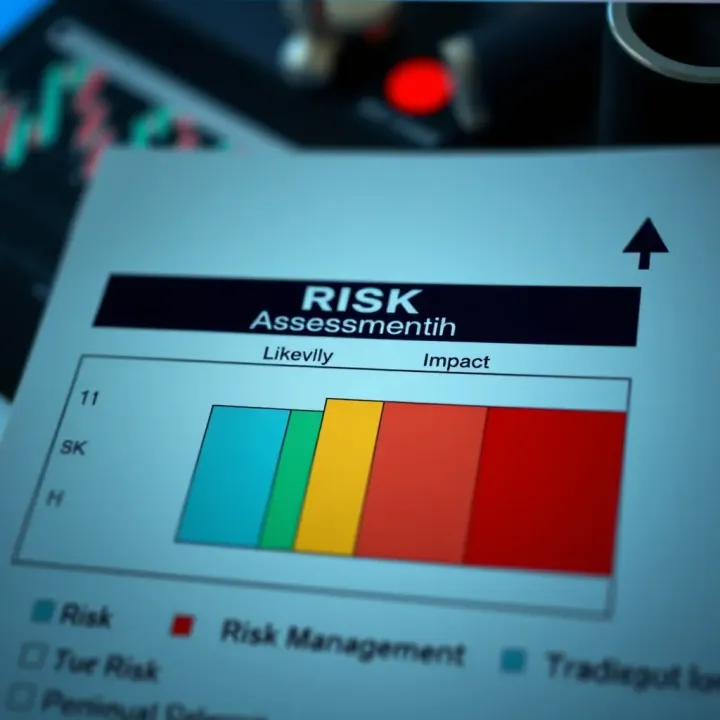
📋 Learn what to include in a risk management plan to identify, assess, and handle risks effectively. Prepare your team for uncertainties and keep operations smooth.
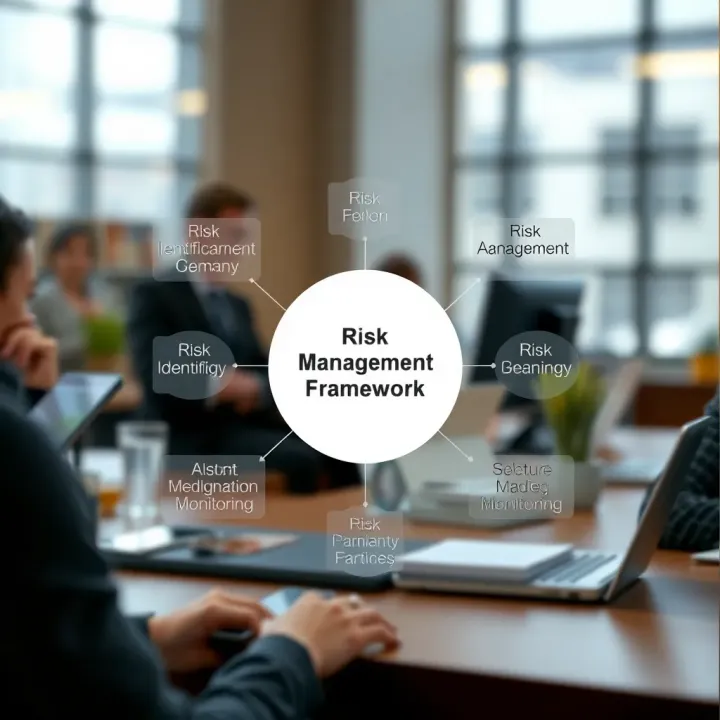
Explore key risk management frameworks ⚖️, their roles, components & how businesses in South Africa can pick the best fit to manage risks effectively.
Based on 6 reviews