
Forex Trading Strategies: A Practical Guide
📈 Master forex trading with practical strategies, key tips, risk management, and South Africa-specific PDF resources for smarter decisions in the forex market.
Edited By
Laura Simmons
Forex trading in Yokohama offers a unique window into one of Asia's most vibrant financial hubs. Given its position as a major port city close to Tokyo, Yokohama attracts a diverse set of traders and investors keen to make the most of the forex market. Yet, the local environment has its quirks—understanding these can make a noticeable difference in how effectively you navigate the market.
In this guide, we'll cut through the clutter and focus on what really matters: the key brokers operating locally, practical strategies that fit Yokohama's trading culture, and the regulatory landscape you need to watch out for. Whether you're an experienced trader looking to expand your reach or a newcomer eager to jump in, this overview will help you get started with confidence.
Knowing the local context isn't just a luxury—it's a necessity. Markets behave differently based on regional factors, and Yokohama is no exception.
You'll also find actionable advice on how to scout the best trading platforms available in Japan, what pitfalls to avoid, and tips to optimize your trading based on market rhythms specific to this part of the world. The goal here is simple: give you a clear roadmap so you can trade smarter, not harder.
Getting a solid grip on forex trading in Yokohama is the foundation of a smart trading plan. Whether you're a newbie or have dabbled in markets, knowing how the forex scene fits specifically in Yokohama helps you steer clear of missteps and spot good opportunities.
Trading currencies isn’t just about numbers; it's about understanding local market conditions and how global forces play into your trades from here. For instance, Yokohama’s proximity to major ports and its blend of manufacturing and tech sectors influence local currency flows differently than in Tokyo or Osaka.
Forex trading is essentially the buying and selling of currencies against each other. People do it to earn profits by guessing whether one currency will go up or down against another. It's like exchanging dollars for yen and hoping to get more dollars back later when the exchange rate moves in your favor.
Why does this matter? Because forex is the largest financial market worldwide, with daily trades hitting the trillions. This huge volume means prices can move fast, offering lots of opportunities but also risks. Every trader needs to understand these basics to decide when and how to jump in.
This market never really sleeps—it runs 24 hours a day during weekdays, moving across different regions. Starting in Asia, passing through Europe, and ending in the US, the trading day covers the globe. This around-the-clock nature means you can react to news and events almost immediately, which demands staying alert but also gives flexibility in your schedule.
The global forex market mainly runs through banks, brokers, and electronic platforms like MetaTrader or cTrader. Trades happen over-the-counter (OTC), not on centralized exchanges, so prices can differ slightly depending on where and how you trade.
Currencies are always traded in pairs like USD/JPY, EUR/USD, or GBP/USD. For traders in Yokohama, the Japanese yen pairs, especially USD/JPY, are of prime interest due to local economic ties. These pairs come in three types:
Major pairs — involving the most traded currencies like USD, EUR, JPY, GBP
Minor pairs — currencies that don’t involve the USD but are still widely traded
Exotic pairs — combinations involving emerging market currencies, which can be volatile but sometimes rewarding
Understanding which pairs to trade can make or break your strategy. For instance, USD/JPY is popular because both the US and Japan have big economic impacts, creating steady movement and good liquidity.
Yokohama is Japan’s second largest city and a major port, meaning its economy is heavily linked to international trade and manufacturing. This impacts forex because the yen’s strength often ties back to export numbers and global shipping trends. Several financial institutions and trading firms have operations here, although it’s not as packed as Tokyo’s financial district.
Residents here have shown growing interest in forex trading, fueled by wider internet access and mobile apps that make trading on the go easier. Local seminars and online communities have popped up, creating an active environment for sharing tips and strategies. The demand reflects a mix of retail traders and small business owners hedging currency risks.
Tokyo, being a global financial hub, boasts a much larger volume of forex activity and more extensive broker networks. Yokohama’s market offers a quieter environment with less noise but also fewer options in terms of brokers and advanced tools. However, it can be an advantage for traders who prefer a less hectic setting with a local focus. Plus, the cost of living and operating a business is generally lower here than in Tokyo, which can make a difference for active traders.
Understanding how Yokohama fits into the broader forex scene helps local traders find their footing and craft strategies that match both local realities and international trends.
Picking the right forex broker in Yokohama isn't just a box to tick—it's a key step that can shape your trading experience, costs, and even your trust in the system. Since forex trading can be a whirlwind of numbers and charts, having a broker who ticks all the right boxes can make a world of difference. From regulations that protect your hard-earned money to the kind of platforms you trade on, each factor plays a part.
First off, traders in Yokohama should keep an eye out for brokers regulated by the Financial Services Agency (FSA) of Japan. This government body sets the rules and keeps brokers on a tight leash to avoid shady practices. When a broker is FSA-licensed, you’re less likely to get caught in scams or dodgy trades. It’s like having a safety net underneath your trading platform. Without it, you might be wondering if your money is actually safe.
The trading platform is where the action unfolds, so it’s crucial that it’s easy to use and reliable. Brokers offering popular platforms like MetaTrader 4 or 5 are often a safe bet because these platforms come packed with tools for charting, indicators, and automated trading. Some brokers even develop their own software tailored to local traders, but the key is how smoothly these platforms run. A clunky, lag-prone system can cost you dearly when markets move fast.
Nobody likes hidden fees. Transparent fee structures and tight spreads should be a top priority. In Yokohama, brokers can vary widely on how much they charge per trade. Some slap on hefty commissions, while others make their money mostly from spreads—the difference between buying and selling prices. Traders should compare these costs because they eat into your profits over time. For example, a broker charging a 1-pip spread on EUR/JPY can be more cost-effective than one charging 3 pips, especially if you trade often.
Lastly, quality customer service is often overlooked but can save headaches down the road. Dealing with brokers who offer quick, clear, and local language support makes problem-solving less painful. If you’re in Yokohama and something goes sideways at 3 a.m., you want to know there’s a support team ready to help, ideally with some familiarity with the Japanese market and its quirks.
Locally rooted brokers like GMO CLICK Securities and SBI FX Trade have carved out solid reputations in Yokohama. They understand the nuances of the Japanese market and provide services tailored for residents, including customer support in Japanese and access to local bank funding options. For example, GMO CLICK is known for its competitive spreads and a robust trading platform that caters well to both newbies and experienced traders.
On the flip side, internationally recognized brokers like IG Markets and Saxo Bank are also available to Yokohama traders. These firms bring a vast array of currency pairs, advanced trading options, and global market access. However, it’s essential to ensure they meet Japan’s regulatory standards or have transparent mechanisms for fund security. While they might not have local offices, their broader market reach can be appealing if you want to diversify beyond Japanese currency pairs.
Choosing the right broker in Yokohama means balancing regulation, platform quality, costs, and support—each factor adds a piece to the puzzle of successful forex trading.
By keeping these points in check, traders can navigate the forex jungle with confidence, knowing they're backed by solid, trustworthy partners.
Understanding the regulatory framework behind forex trading is essential for anyone active in Yokohama's forex scene. Regulations set the playing field, ensuring that traders operate under clear rules that protect them from potential scams and unfair practices. Beyond protection, knowing the legal landscape helps traders avoid unintended violations that could lead to fines or worse. In Yokohama, forex trading falls under strict oversight, reflecting Japan's broader reputation for financial regulation.
The Financial Services Agency (FSA) is the primary regulator overseeing forex trading in Japan. It acts as the watchdog, making sure brokers and financial institutions comply with laws and maintain transparency. For traders in Yokohama, the FSA's involvement means brokers must meet rigorous standards before they can offer services. For example, brokers need to keep client funds separate from their own accounts—a rule the FSA enforces to prevent misuse of trader money.
This separation is practical because it gives traders peace of mind that, even if a broker hits financial troubles, their funds are protected. Additionally, the FSA regularly audits brokers to keep fraud in check. If you’re choosing a broker, confirm their FSA registration, as this is your first shield against shady operations.
Japan has put several trader protections into law to avoid pitfalls common in forex markets worldwide. One key protection limits leverage to a maximum of 25:1 for retail traders, which helps avoid excessive risk-taking. This cap, while tight compared to some offshore brokers offering 100:1 or more, is designed to keep traders from wiping out their accounts too quickly.
Another important protection is the compensation scheme that kicks in if a broker fails. While this doesn’t cover every loss, traders can get partial reimbursement for deposits up to a set limit. This safety net is crucial in a market where brokers occasionally go bust.
It's not just trading rules you need to worry about—taxes matter too. In Japan, forex trading profits are generally treated as miscellaneous income, subject to progressive income tax rates. Traders must report earnings annually; failure to do so can lead to penalties or investigations.
Keeping detailed records of trades, including entry and exit points, fees paid, and overall profit or loss, will make filing taxes less of a headache. The local tax office in Yokohama expects transparent bookkeeping. Some brokers provide annual summaries, which come in handy during tax season.
Pro Tip: Use accounting software or spreadsheets specifically for your trades, and consider consulting a tax professional familiar with forex in Japan to stay compliant.
Forex brokers operating in Yokohama must obtain and keep current licenses from the FSA. This isn’t just paperwork; it involves fulfilling capital requirements and proving robust risk management systems. For instance, brokers need to have sufficient operating capital to cover losses and client balances.
Licensing also ensures brokers have proper communication channels, dispute resolution mechanisms, and adhere to advertising standards that don’t mislead traders. When a broker loses its license, it often signals serious operational problems, so traders should avoid such providers.
Due to the large sums moving through forex markets, Japan enforces strict anti-money laundering (AML) laws. Brokers must verify their clients’ identities, monitor for suspicious transactions, and report any unusual activity to authorities.
For example, if a trader suddenly deposits unusually large amounts or withdraws funds in a suspicious pattern, brokers are legally compelled to flag these activities. This helps stop criminal activities and maintain market integrity.
From a trader’s perspective, these AML procedures might mean additional paperwork during account setup or withdrawals, but they ensure the market stays clean and trustworthy.
Regulatory and legal considerations might seem like a headache, but they form the backbone of a fair trading environment in Yokohama. Knowing who governs the market, what protections exist, and how brokers must behave helps you trade smarter and safer. Staying on the right side of these rules reduces risks and lets you focus more on strategy and less on legal troubles.
Trading forex from Yokohama means you’re part of a diverse and active market influenced both locally and globally. To succeed, having solid strategies tailored to your environment makes a big difference. Practical strategies help you approach trading with a clear plan and reduce emotional pitfalls—especially in a fast-moving arena like forex.
Technical analysis involves looking at price charts and patterns to predict future movements. It’s a bit like reading a story painted by market action. In Yokohama, many traders rely on tools like moving averages, candlestick charts, and trend lines to identify buying or selling opportunities. For instance, recognizing a "head and shoulders" pattern on a chart might signal an upcoming trend reversal. Using these tools can help you make decisions based on what the market has done, rather than what you guess it might do. Always remember, no method is foolproof, but combining multiple indicators can give a stronger signal.
Fundamental analysis focuses on economic news and data rather than charts. For Yokohama traders, this means watching Japan’s interest rates, GDP releases, and regional business activity closely. Local factors like the manufacturing output in Kanagawa Prefecture or port activity in Yokohama could sway yen currency pairs uniquely compared to other regions. Understanding the economic pulse around you helps align your trades with the real-world drivers of currency movements—like a sudden Bank of Japan policy tweak or an announcement affecting exporters in the area.
Trading signals are alerts—manual or automated—that suggest when to enter or exit a trade. Indicators like the Relative Strength Index (RSI) or Bollinger Bands provide clues about market momentum or volatility. Local traders might subscribe to services or use platform tools that tailor signals to Japan-related currency pairs such as USD/JPY or EUR/JPY. However, it’s wise to treat signals as guides rather than gospel; confirm with your own analysis before jumping in.
Controlling your risk comes down to knowing when to cut losses or secure profits. Setting a stop-loss order means you decide upfront the maximum you’re willing to lose on a trade. Take-profit orders, meanwhile, automatically close positions once a targeted gain is reached. Say you enter a USD/JPY trade at 110.00 and set a stop-loss at 109.50 and take-profit at 111.00. This approach prevents big surprises and locks in gains before markets turn south.
Leverage lets you control a bigger position with a smaller amount of capital, but it’s a double-edged sword. A leverage ratio of 10:1 means a 1% move in the market can represent a 10% gain or loss on your investment. In Yokohama, starting traders often underestimate the risk leverage brings. Being cautious by using lower leverage limits unnecessary stress and protects your account during volatile periods.
Putting all your eggs in one basket is never a good idea. Diversification means spreading your trades across different currency pairs or timeframes to minimize the effects of one bad move. For example, alongside trading yen pairs, you might add EUR/USD or commodity-linked pairs like AUD/JPY to your portfolio. This way, a downturn in a single market won’t cripple your whole portfolio.
Being alert to Japan’s economic calendar is crucial for local traders. Key indicators include jobs reports, industrial production data, and consumer spending habits. These reports often move the yen sharply and can open quick trading opportunities if you tune in. For example, a weaker-than-expected jobs report might cause the yen to drop, signaling a chance to buy USD/JPY.
Forex markets can be jumpy around news releases. Knowing typical reactions—like volatility spikes or trend reversals—lets you avoid getting caught on the wrong side. For instance, a Bank of Japan announcement that surprises the market often leads to rapid price swings. Experienced traders might wait for the dust to settle before entering or use the volatility to scalp small profits.
"In forex trading, patiently watching the news and planning your moves beats rushing in blind."
Even though you’re trading from Yokohama, international events ripple through local forex markets instantly. Trade disputes, US Federal Reserve rate decisions, or geopolitical tensions all impact currency prices. Staying informed helps you anticipate and adapt. For example, if tensions escalate between the US and China, the safe-haven yen might strengthen, affecting your yen trades accordingly.
By combining these approaches—technical and fundamental analysis, solid risk controls, and a finger on the local pulse—you can trade more confidently from Yokohama. The city’s unique position means your strategies must blend global awareness with local insights for the best shot at success.
For anyone trading forex in Yokohama, having access to the right tools and resources isn't just handy—it's essential. The foreign exchange market moves fast and unexpected news or market shifts can turn potential profits into losses before you blink. That’s why traders here rely heavily on platforms and educational materials tailored to their needs and the local economic landscape. Whether you’re a newbie dipping your toes or a seasoned trader fine-tuning strategies, these tools help you stay on top of your game.
MetaTrader 4 (MT4) and MetaTrader 5 (MT5) are the bread and butter for many forex traders in Yokohama. These platforms offer a solid mix of user-friendly interfaces, real-time charts, and automated trading options. MT4 is particularly known for its custom Expert Advisors (EAs), which let you automate strategies without needing to be a coding whiz. MT5 adds more asset classes and a wider array of technical indicators, making it better suited if you’re diversifying beyond forex.
For example, a trader in Yokohama might use MT4 to set automated stop-loss orders against sudden yen fluctuations, especially during volatile periods like Japan’s quarterly GDP releases. The extensive community support means you can often find plug-and-play scripts and tools relevant to the local market.
Some brokers operating in Yokohama offer their own proprietary platforms, designed specifically to cater to local market conditions and trader preferences. These platforms often come with extra perks, like instant deposit and withdrawal processes tailored to Japanese banks or access to exclusive market insights.
Take GMO Click Securities, for example. Their platform is optimized for trading the Japanese yen versus other major currencies and includes features like integrated economic calendar tailored for Japan’s market hours. Proprietary platforms might not have the vast plugin ecosystem MT platforms boast, but their seamless integration with local banks and support in Japanese can be a real difference-maker.
In a city as bustling as Yokohama, traders don’t always have the luxury to sit in front of a desktop. Mobile trading apps bring flexibility and speed right into your pocket. MetaTrader offers apps that sync with your desktop account, so you can monitor trades or act quickly on price shifts during your commute.
Additionally, brokers like Rakuten Securities provide dedicated mobile applications with real-time news feeds, easy deposit options, and quick order placement. Mobile apps also often feature push notifications for price alerts—very handy for catching opportunities or managing risk when away from the main trading station.
Nothing beats hands-on learning, especially when the content is tailored for the local audience. Yokohama hosts various seminars and workshops organized by trading schools or brokerages that cover everything from the basics of forex trading to advanced strategy sessions focusing on the Japanese market.
For instance, Forex Seminar Yokohama offers weekend workshops where traders discuss market trends, learn risk management techniques, and even practice live trading with feedback. These events also provide networking chances with fellow local traders, which can be invaluable for sharing ideas and staying motivated.
When in-person sessions aren’t an option, online courses provide flexible alternatives. Platforms like Udemy or Japanese-focused services such as FX School Japan offer comprehensive courses ranging from beginner to expert levels. These courses include video lectures, quizzes, and downloadable materials focusing on real-world trading examples relevant to the yen and other Asian currencies.
What’s great about online tutorials is the ability to learn at your own pace and revisit complex topics like technical indicator interpretation or economic news analysis without pressure. It’s a resource many Yokohama traders use to keep skills sharp between active trading sessions.
Trading can feel like a solo sport, but community interaction helps ease the burden. Online forums dedicated to forex trading, including Japan-specific groups on platforms like Facebook or Reddit, offer spaces for discussing strategies, sharing market insights, and seeking advice.
Locally, groups such as the Yokohama Forex Traders Club meet up regularly, providing a blend of social connection and professional exchange. These communities often alert each other to unusual market activity or legal updates from the FSA, helping members avoid pitfalls.
Having the right combination of platforms, education, and community support makes forex trading in Yokohama less of a gamble and more a matter of skill and timely decisions. Equip yourself well, and the city's dynamic market can be a rewarding place to trade.
Forex trading anywhere comes with its own set of obstacles, and Yokohama is no exception. Understanding these challenges helps traders stay alert and make smarter decisions in a fast-moving market. This section breaks down some of the top hurdles Yokohama traders face and how recognizing them can improve trading outcomes.
Yokohama's position as a financial hub doesn’t insulate traders from common issues like volatile currency swings or timing trades around global markets. Each challenge requires practical strategies and awareness to avoid costly mistakes.
Market volatility can be a double-edged sword — it offers opportunities for profit but also risks sudden losses. In Yokohama, rapid price movements in currency pairs like USD/JPY or EUR/JPY can catch traders off guard, especially during major economic releases or geopolitical tension.
For instance, a surprise interest rate announcement by the Bank of Japan can trigger sharp yen fluctuations in minutes. Traders need to keep a close eye on economic calendars and news feeds, so they aren’t left scrambling when the market jolts.
The key is to expect the unexpected and prepare accordingly. Using stop-loss orders is one way to cap potential losses, ensuring that if the market swings wildly against you, your position automatically closes at a reasonable limit.
During volatile stretches, many Yokohama traders switch gears:
Reduce position sizes. Smaller trades mean less exposure when prices bounce unpredictably.
Trade major currency pairs. These pairs usually have better liquidity and less erratic spreads.
Use technical indicators like Average True Range (ATR) to gauge typical price moves and set realistic stop-loss distances.
One tried-and-tested tactic is to stay on the sidelines when volatility spikes too high — sometimes, sitting out a chaotic session saves you from rash decisions.
Staying calm and disciplined during market turbulence is often what separates profitable traders from those who lose their shirts.
A unique challenge for Yokohama traders is lining up their schedules with the open hours of international markets. Forex is a 24-hour arena with sessions in Sydney, Tokyo, London, and New York. Since Yokohama operates on Japan Standard Time (JST), some sessions overlap, while others happen when traders might be asleep or working other jobs.
For example, the London session overlaps with the Tokyo session only for a couple of hours in the early afternoon JST. After that, the New York session kicks in, requiring late-night attention for maximum participation.
Traders need to plan their trading day around these time zones carefully, avoiding fatigue or rash trades when tired.
The best trading windows in Yokohama typically fall when the Tokyo and London sessions overlap, roughly from 4 PM to 7 PM JST. During this time, liquidity surges, spreads tighten, and price movements tend to be more predictable.
Alternatively, the Tokyo and Sydney sessions overlap from 6 AM to 9 AM JST, which suits early-risers keen on catching moves in Asian-Pacific currencies.
Choosing the right time to trade isn’t just about markets being open; it’s about when liquidity and volatility align to offer the best trading conditions.
Looking ahead, understanding the future outlook for forex trading in Yokohama is essential for anyone involved in the local market—whether you're a seasoned trader or just starting out. This outlook informs you about upcoming trends, challenges, and opportunities that could affect your trading decisions. Staying ahead of such changes can help you optimize your strategies and avoid unpleasant surprises. For instance, knowing how technology or regulations might shift can save you from choosing brokers or platforms that won't serve you well in the future.
New tech innovations are steadily changing how traders in Yokohama engage with forex markets. Platforms like MetaTrader 5 have incorporated more AI-driven tools to analyze price movements, which helps traders get clearer market signals without hours of chart-watching. Additionally, mobile trading apps have become surprisingly powerful, allowing quick trades on the go, which is a big plus for busy professionals. These tech advances mean traders can react faster and with more precision, cutting down on costly mistakes.
For example, some brokers now offer automated trading bots that can execute trades based on pre-set rules—ideal for traders who can't monitor markets all day. Also, blockchain-based platforms are gaining attention for their promise of transparent and secure transactions, though they remain a niche in Yokohama at this point.
Regulations in Japan's forex market tend to evolve as the government aims to protect retail traders and maintain market integrity. Recent tweaks from the Financial Services Agency (FSA) have focused on tightening leverage limits and increasing transparency, which directly impacts how Yokohama traders operate. While these changes might feel restrictive initially, they’re designed to reduce risks like excessive debt and fraud.
Staying informed about such regulatory shifts is vital. For example, changes in taxation laws or reporting requirements could influence your overall trading profits and paperwork obligations. Being proactive in compliance avoids costly penalties and helps maintain a good standing with brokers and tax authorities.
There's a noticeable rise in younger investors entering the forex arena in Yokohama, drawn by the accessibility of online trading and digital learning resources. This influx brings a fresh perspective—youth tend to be more tech-savvy and open to experimental approaches, such as social trading or using new financial instruments.
This demographic shift could nudge brokers in Yokohama to innovate more aggressively, offering gamified interfaces or more educational content tailored for beginners. For individual traders, it's a chance to tap into supportive communities and tools specifically designed for those new to forex. Watching this trend might also clue you into emerging trading styles and preferences that could become mainstream soon.
Today’s new traders in Yokohama benefit from a rich array of educational materials tailored to different skill levels. Local seminars by brokers like GMO Click Securities or Rakuten Securities offer practical insights grounded in the Japanese trading scene. Online courses in platforms like Udemy or Coursera provide flexibility, allowing you to learn technical analysis or risk management at your own pace.
Plus, forums and social media groups focused on forex trading in Japan give you a chance to exchange ideas and get real-time tips. Access to these resources can significantly shorten the learning curve and boost your confidence before committing real funds.
Many brokers active in Yokohama offer promotions to attract new traders, such as deposit bonuses, zero-commission trading periods, or free access to premium analysis tools. For example, DMM FX has been known to run campaigns where new clients get a small cash bonus after their first trade, which can ease initial trading costs.
While it’s tempting to jump on these offers, it’s smart to read the fine print—some bonuses come with conditions like minimum trading volume or withdrawal limits. Used wisely, these promotions can provide a helpful financial cushion and extra learning opportunities without risking much capital.
Staying optimistic and informed about the future trends and opportunities around forex trading in Yokohama helps you navigate this complex market with greater confidence and savvy. From technology to regulations and emerging trader profiles, keeping an eye on these elements will open doors to smarter trading choices.
📈 Master forex trading with practical strategies, key tips, risk management, and South Africa-specific PDF resources for smarter decisions in the forex market.
Learn forex trading basics, platforms, key terms & smart strategies 🤑 Tailored for South African beginners ready to trade confidently and wisely 📈
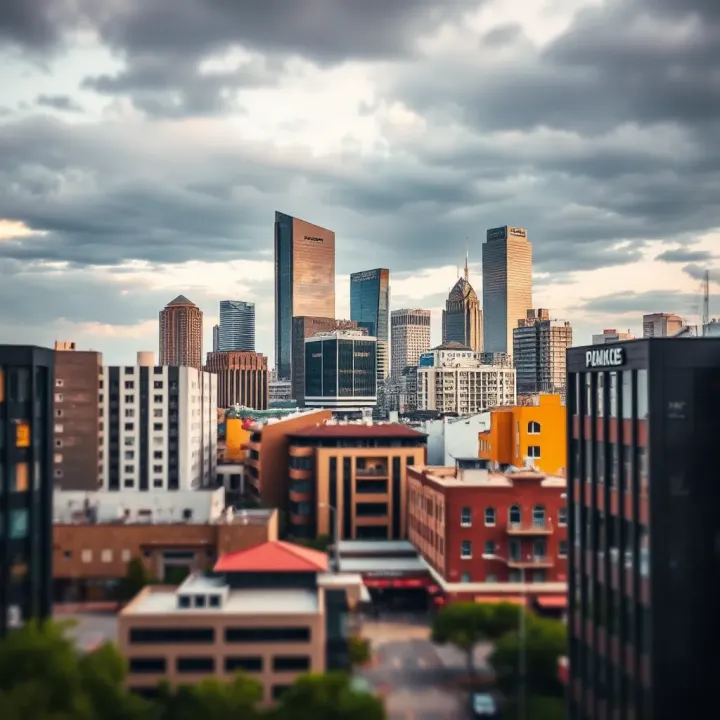
Discover forex trading in Johannesburg 🏙️ with insights on local markets, regulations, top brokers, and platforms designed for South African traders 🇿🇦.
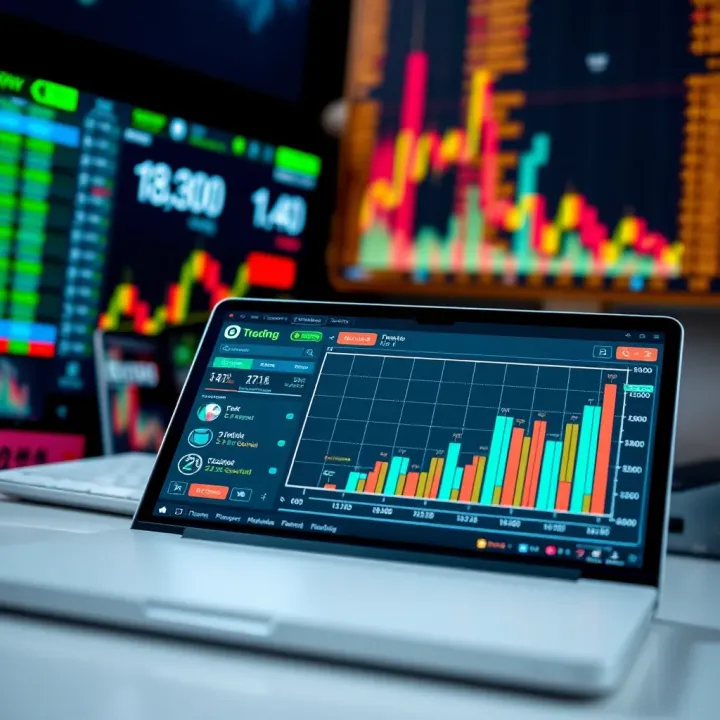
💹 Explore how forex trading simulators help you practice and master the forex market risk-free. Learn to test strategies and boost your trading skills effectively.
Based on 8 reviews