
Forex Trading Tutorial PDF: Step-by-Step Guide
📘 Master forex trading with our step-by-step PDF guide! Learn strategies, risk management, technical analysis, and platform tools for confident trading.
Edited By
Charlotte Webb
Forex trading is a world that promises both opportunity and challenge. For those ready to take it on, understanding technical analysis isn't just helpful—it's essential. This guide digs into how you can better read the market's movements, spot meaningful patterns, and use technical indicators to make smarter trades.
Whether you’re new to forex or have been trading for a while, sharpening your technical analysis skills helps you cut through the noise. Charts might look confusing at first glance, but when you know what to look for, they can tell you where the market might head next.
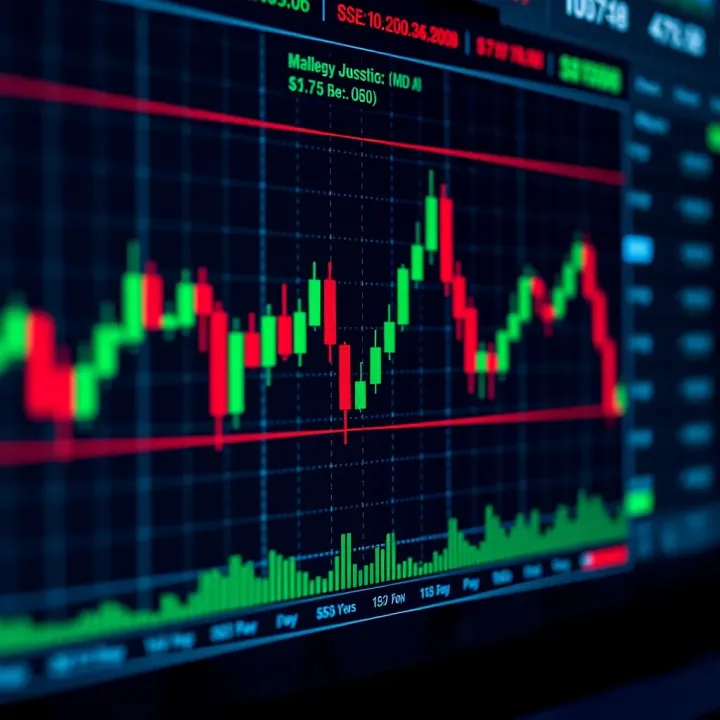
Technical analysis is less about predicting the future perfectly and more about stacking the odds in your favor. Knowing typical patterns and signals is like having a map in the sometimes chaotic world of forex.
Throughout this guide, we’ll break down key concepts, show you how to use popular indicators like Moving Averages and RSI, and even touch on practical ways to manage risk. We’ll also offer tips on making the most of forex trading PDFs and resources to get you learning efficiently.
By the end, you should feel more confident reading forex charts and interpreting technical signals. This isn’t just theory—it’s about turning insight into action to improve your trading outcomes.
Grasping the basics of forex technical analysis is the first step for anyone serious about trading currencies. This foundation helps traders identify market trends, entry and exit points, and signals that indicate potential price movements. Think of it as learning to read a map before setting out on a trip; without it, you’re just guessing.
In forex, prices can swing wildly due to economic news, geopolitical events, or market sentiment. Technical analysis offers practical tools to cut through the noise by focusing on historical price data rather than trying to predict the future from complex economic theories alone. This approach simplifies decision-making and reduces the risk of emotional trading.
Take the example of a trader noticing a consistent uptrend in the EUR/USD pair using moving averages. Without knowing the basics, they might miss the opportunity or enter late. Understanding technical analysis basics enables traders to spot such trends early and ride the wave with confidence.
Technical analysis in forex involves studying past price movements and volume data to forecast future price behavior. Instead of looking at economic indicators like inflation or interest rates, it relies on charts and mathematical indicators to spot patterns.
Imagine looking at the GBP/USD price chart. If the price repeatedly hits a certain level and then bounces back, that level acts as support or resistance. Traders use these clues to make educated guesses about where prices might go next.
Technical analysis assumes all known information is already factored into the price, so by analyzing price trends and patterns, traders can anticipate potential moves. It’s like watching the crowd's behaviour at an auction to guess the next bid.
Technical analysis zooms in on chart data—price, volume, and time—while fundamental analysis digs into economic reports, company earnings, and macroeconomic factors. Fundamentals look at "why" a currency should change, whereas technicals focus on "when" it might happen by studying the price action.
For example, fundamental analysis might highlight that the U.S. Federal Reserve plans to hike interest rates, which should boost the USD. Technical analysts, however, will look at how these plans already influence charts and decide if the price has momentum or is due for a pullback.
Fundamental analysis works well for long-term traders or investors focusing on economic outlooks and geopolitical events. In contrast, technical analysis suits short to medium-term traders who want to time their entries based on market behavior.
Scalpers and day traders heavily rely on technicals to make quick decisions during the trading day. Swing traders might use technical patterns to ride trends over days or weeks. Meanwhile, fundamental traders may hold positions for months, guided by economic data.
Together, these approaches complement each other, but knowing the differences helps traders pick the right tools for their style.
There are mainly three types of price charts forex traders use:
Line charts: Connect closing prices with a simple line. Easy to read but lack detail.
Bar charts: Show open, high, low, and close prices for each period, giving more insight into daily price action.
Candlestick charts: Similar to bar charts but more visual, highlighting bullish or bearish momentum with color-coded bodies. These are the most popular among forex traders.
Each chart type has its place. Candlesticks allow traders to spot reversal patterns like doji or hammer easily, while line charts may be suited for an overview of trends.
Choosing a time frame depends on your trading style:
Short-term: Minutes to hours, preferred by scalpers and day traders.
Medium-term: Daily or four-hour charts, used by swing traders.
Long-term: Weekly or monthly charts, favored by position traders.
For example, a day trader watching the 15-minute EUR/USD chart might spot an intraday breakout, while a position trader might focus on the weekly chart to gauge overall trend direction.
Different time frames can tell different stories. A pair might be in an uptrend on the daily chart but look overbought on the 1-hour chart. Successful traders learn to read these layers and act accordingly.
Price charts form the backbone of technical analysis—they’re the trader’s window into the market's pulse and mood.
When stepping into forex trading, tools and indicators act like your compass, helping chart the market’s twists and turns. These tools aren't just fancy graphs; they give traders real insight, making it easier to decide when to buy or sell. Think of them as your dashboard gauges, showing momentum, trends, and potential reversal points.
Using the right mix of indicators can help avoid guesswork and give more confidence to your trading strategy. For example, some tools smooth out price data to reveal trends while others signal when the market might be overbought or oversold. Understanding these tools equips you to react smarter in dynamic forex markets.
Simple Moving Average (SMA) is basically the straightforward average price over a set period – like averaging the last 10 days’ closing prices. It's easy to grasp and shows general price trends. However, it treats old and recent prices equally, which can slow reaction to sudden market moves.
Exponential Moving Average (EMA), on the other hand, gives more weight to recent prices, making it more sensitive and quicker to signal changes. For instance, if GBP/USD has a sudden jump after a UK economic report, EMA might catch the shift quicker than SMA.
Choosing between SMA and EMA depends on your trading style. EMA fits well with shorter-term trades, while SMA suits longer outlooks where quick reactions aren’t as urgent.
Moving averages act like a trend’s trail marker. When the price is above the moving average, it often signals an uptrend; below, a downtrend. Crossovers between short-term and long-term moving averages can predict potential reversals. A classic is the golden cross, where the 50-day MA crosses above the 200-day MA, often hinting at bullish momentum.
Traders use these signals to time entries or exits. For example, if EUR/USD price falls below its 20-day EMA, it can hint toward short-selling opportunities.
The RSI tells you if a currency pair is possibly overbought or oversold by scoring momentum between 0 and 100. Values above 70 suggest overbought conditions — the market might be due for a pullback. Below 30 hints oversold territory, where prices may bounce.
Say USD/JPY RSI creeps above 70 after strong economic data; it might be time to watch for a reversal or at least caution against opening new long positions.
RSI works better when paired with other tools. For instance, combining RSI with moving averages can filter out false signals. If RSI indicates oversold but the price is still above the 50-day MA, the downtrend might not be strong enough to act on.
Traders also merge RSI with volume indicators or Bollinger Bands for a more complete market picture, reducing the chance of jumping the gun.
Bollinger Bands wrap around price data with upper and lower bands that expand or contract based on volatility. When bands squeeze tight, it signals low volatility and often precedes a breakout. When they widen, it shows the market is more active.
For instance, during quiet Asian sessions, bands might contract, but as the London market opens, bands can suddenly expand. Watching these shifts helps anticipate big moves.
Don’t just blindly trade a band touch. Traders look for confirmation—like a price break above the upper band paired with rising volume—before jumping in. Also, be wary during trending markets, as prices can ride the band for a while.
A good habit is to pair Bollinger Bands with momentum indicators like RSI or MACD to confirm the strength behind the move.
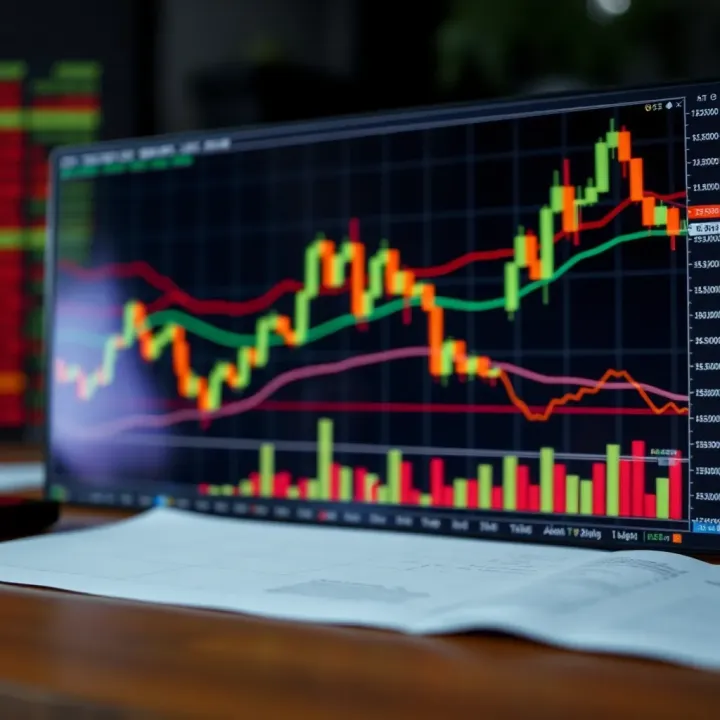
Fibonacci retracements mark potential support and resistance levels based on ratios (23.6%, 38.2%, 50%, 61.8%). These zones often act like invisible cushions where price tends to bounce or stall.
For example, if AUD/USD rallies sharply, traders zoom in on Fibonacci levels drawn from the move's start to peak to find where pullbacks might end.
The 38.2% and 61.8% retracement levels are popular because markets tend to respect these levels heavily. 50% isn’t a Fibonacci number but is still used due to its psychological significance.
Successful traders wait for price action confirmation around these levels—such as pin bar candles or increased volume—before making their moves.
Tip: Always combine Fibonacci retracements with other tools like moving averages or RSI to improve reliability.
Recognising key chart patterns is a cornerstone skill in forex trading, offering traders clues about potential market movements before they happen. These patterns act like road signs on the price charts, indicating when a trend might reverse or continue. Understanding them helps traders make informed moves, rather than relying on guesswork.
The real benefit lies in the ability to anticipate shifts and plan trades that align with market psychology. For instance, spotting a pattern early can signal when it’s time to enter a position or tighten stop-loss levels to guard against losses. Without this skill, traders often miss crucial turning points or enter too late, resulting in poorer outcomes.
The Head and Shoulders is one of the most reliable reversal patterns you’ll find in forex charts. It consists of three peaks: the middle one (the "head") is the highest, flanked by two smaller "shoulders." This pattern signals that an uptrend is exhausting and a downtrend might be on the way.
Traders look for the "neckline," which connects the lows between the shoulders and the head. When price breaks below this neckline with strong volume, it’s a practical signal to consider selling or closing long positions. For example, if EUR/USD forms a head and shoulders, breaking the neckline can hint at a significant drop ahead.
These patterns are twins in nature: the Double Top signals a bearish reversal after an uptrend, while the Double Bottom indicates a bullish reversal after a downtrend. Both involve two roughly equal highs or lows separated by a moderate pullback.
The confirmation comes when price moves beyond the pullback level with conviction. Say GBP/USD forms a double bottom near 1.2200 and then breaks above the interim resistance—this could be a green light to go long. Recognizing these helps traders avoid chasing a trend that’s about to turn.
Triangles signal pauses in the current trend and usually lead to continuation rather than reversal. They form when price action narrows between converging trend lines. There are three main types: ascending, descending, and symmetrical.
An ascending triangle, for example, shows buyers testing the same resistance level with higher lows pushing up the price. A breakout above resistance often confirms a continuation of the uptrend. Traders can place buy orders just above the triangle’s resistance while using the lower trendline as a stop-loss reference.
Flags and pennants appear after strong price moves and represent brief consolidations before the trend resumes. Flags look like small parallelograms slanting against the prevailing trend, while pennants resemble tiny symmetrical triangles.
These patterns are practical because they offer clear entry points. When price breaks out of the flag or pennant with increased volume, it often signals a good moment to join the trend. For busy traders, spotting these patterns means spotting low-risk opportunities in otherwise choppy markets.
Chart patterns help define clear entry and exit points, taking the guesswork out of timing trades. Once a pattern confirms a breakout or reversal, traders can enter positions close to this point, keeping losses smaller if things go sideways.
For instance, after a confirmed breakout of a triangle pattern, entering around the breakout point with a stop just below the pattern’s lower boundary makes sense. Exiting profits can be, say, based on measured move targets—the height of the pattern projected from the breakout.
Setting smart stop-loss and take-profit orders is easier when using chart patterns. The structure gives natural places for stops, often just outside the opposite side of the pattern to avoid getting knocked out by normal price noise.
Take-profit levels often come from the size of the pattern. For example, if a flag measures 100 pips in height, you’d expect a similar move after breakout, so setting your take-profit accordingly helps lock gains. This disciplined approach controls risk and maximizes your chances of steady profits rather then let trades run wild.
Mastering chart patterns isn’t about predicting the future with 100% accuracy. It’s about stacking the odds in your favour by spotting repeating price behaviours and preparing your trades accordingly.
Recognising these key chart patterns and applying them thoughtfully lets traders move beyond guesswork and make smarter, more confident decisions in forex trading.
Using Forex technical analysis PDFs can be a game-changer for traders who want to sharpen their chart-reading skills and strategy development. These documents often boil down complex concepts into digestible formats, which makes learning more efficient. The key is to not just download any PDF but to engage with it actively, making sure it fits your trading style and learning goals.
Finding trustworthy sources is the first step. Websites like BabyPips, Forex Factory, and Investopedia offer quality PDFs made by seasoned traders or educators. These platforms keep their materials updated, which is important since market dynamics shift. A good tip is to check if the PDF content is backed by credible authors or institutions, and whether it references real-world examples or updated data. Avoid random PDFs from forums without proper credentials—they might be out-of-date or misleading.
Not all PDFs are created equal. When evaluating a Forex technical analysis PDF, look for clarity in explanations and well-annotated charts. Practicality is key; the best PDFs focus not only on theory but give you actionable steps—like identifying entry or exit points with examples. Also, notice if the document is easy to navigate with a table of contents, clear headings, and visual aids. A cluttered PDF filled with jargon and poor formatting can slow your progress rather than help.
Taking notes transforms passive reading into an active learning process. As you go through a PDF, jot down definitions, indicator tips, or pattern signals in your own words. This habit improves retention and clarifies your understanding. Some traders use digital tools like Evernote, while others stick with pen and paper. The key is consistency and reviewing these notes often to embed those lessons.
Highlighting or underlining important sections in your PDFs can speed up future reviews. Focus on core concepts such as trend identification, support and resistance levels, or how specific indicators like RSI or Bollinger Bands behave under certain market conditions. Use different colors or symbols to mark things like strategies you plan to test and common pitfalls to avoid. This visual coding turns your PDFs into a quick-reference manual, especially useful when trading live.
Theory goes only so far without practice. Use your broker’s demo account to try out strategies you've read about in the PDFs. For instance, if the PDF describes a trend-following technique using moving averages, implement it on the demo platform and observe how it performs with real-time data but without risking money. This hands-on experience reveals the nuances that books can't fully capture and helps you build confidence.
Keep a simple log of your trades based on PDF lessons—record what worked and what didn’t. Over weeks, this journal will show you patterns in your decision-making and strategy effectiveness. Tracking progress isn't just about wins and losses—it’s about recognizing your learning curve and adjusting your approach accordingly. This way, your PDF study becomes a living, evolving process, not a dusty file on your hard drive.
Using Forex technical analysis PDFs is more than just reading; it’s about active engagement, organizing knowledge, and practicing consistently. This multi-step approach boosts your learning curve and refines your trading skills in a practical, hands-on way.
By carefully selecting quality PDFs, organizing your notes, and applying the lessons in demo environments, you turn passive learning into a disciplined routine. This approach not only helps decode forex charts faster but also builds the confidence needed to trade effectively under various market conditions.
Risk management is often the unsung hero of successful forex trading. Without it, even the sharpest technical analysis skills can lead to big losses. When you apply technical indicators and chart patterns, they give signals about potential price moves, but these aren't foolproof. Proper risk management ensures you don't get wiped out by unexpected market swings.
Think of it like using a parachute when skydiving — technical analysis helps you choose when to jump, but risk management is your backup in case the landing doesn't go as planned. This section dives into practical ways to control losses and protect your trading capital, which is key for consistent results.
Stop-losses aren’t just arbitrary numbers; setting them according to technical levels makes them far more effective. For example, placing a stop just beyond a recent swing low or high utilizes the natural support or resistance zones visible on your charts. This way, your stop-loss is tied to actual market behavior rather than guessing.
If EUR/USD swings down to 1.1000 and bounces back several times, putting your stop-loss just below 1.1000 respects that as a support level. This protects against minor fluctuations but kicks you out if price decisively breaks through.
By using these technical points, you avoid getting stopped out by random noise and focus on meaningful shifts. Remember, a well-placed stop-loss balances between giving your trade room to breathe and limiting your potential losses.
A typical error is setting stops too tight or too wide. Too tight, and you get blown out before the trade has a fair chance; too wide, and you risk losing more than you’re comfortable with. Another mistake is moving stop-losses just because a trade isn’t immediately profitable – this is a slippery slope to bigger losses.
Also, avoid placing stops purely based on percentage risk without considering the trade setup’s technical context. A stop set at 20 pips might be great for one currency pair but pointless for a more volatile one.
Finally, don’t forget to factor in spread and slippage which can push your stop out before the market truly hits your target. Broker choice and trading times can impact this significantly.
Before entering a trade, decide how much capital you're willing to risk, commonly 1-2% of your total account. Once you know your stop-loss distance in pips, you can calculate the position size.
Here’s a simple formula:
Position Size = (Account Risk in Currency) / (Stop-Loss in Pips × Pip Value)
For instance, if you have $10,000 and risk 1% ($100), and your stop-loss is 50 pips where each pip is worth $10, your position size would be $100 / (50 × $10) = 0.2 lots.
This calculation ensures that one bad trade won't wreck your account. Making it a habit helps keep emotions in check because you know your maximum exposure upfront.
Not all trades are created equal. Some setups are stronger than others, and technical analysis can clue you in on this strength. For example, a breakout confirmed by multiple indicators might warrant a larger position than a marginal signal.
Conversely, during uncertain market conditions or when signals conflict, scaling back your position size is a wise move. This flexibility keeps your risk consistent while allowing room for judgment based on your technical edge.
Adjusting your trade size also means factoring in overall portfolio exposure. A series of trades on highly correlated pairs might increase risk beyond your comfort zone if positioned too big.
It’s tempting to jump in and out of the market when you see frequent signals, but overtrading can drain your account and sanity. Stick to your predefined technical setups and avoid chasing every ping on your chart.
For example, if your strategy defines trades only on daily chart breakouts, don’t force trades on smaller timeframe noise. Quality over quantity remains the mantra.
Overtrading often stems from emotional reactions rather than clear technical reasons. Combating it starts with trust in your strategy and patience.
A solid trading plan spells out when to enter, exit, and how much risk to take based on technical analysis. Following this plan keeps emotion out of decision-making.
Many traders mess up here by second-guessing their signals or moving targets mid-trade. Writing down your rules and reviewing them regularly helps turn good habits into second nature.
Keep a trading journal to track what worked and what didn’t, tied to your technical analysis notes. Over time, this reflection builds confidence and sharpens discipline.
Mastering risk management alongside technical analysis turns guesses into calculated moves, protecting your capital while letting profits run. Applying these principles keeps your trading on a steady path despite the market’s ups and downs.
Continuous improvement in forex trading technical analysis is more than just a nice-to-have—it’s what separates those who consistently make smart decisions from those who get caught flat-footed when markets shift. Because forex markets are influenced by countless factors, staying sharp and evolving your techniques ensures that your insights remain relevant and effective.
By keeping your skills fresh, you reduce the chance of relying on outdated strategies that don’t reflect current market behavior. This section covers practical tips that help traders stay ahead of the curve.
One key to staying on top in forex is having accurate and up-to-date market information. Trusted sources like Reuters, Bloomberg, and Financial Times offer timely reports about global economics, central bank statements, geopolitical events, and other drivers impacting currency pairs.
These reports help traders spot emerging trends and understand broader context, such as why the South African rand may be weakening due to changes in commodity prices or interest rate decisions by the SARB. Relying on questionable or delayed info is like driving blind—your technical tools can only go so far without the bigger picture.
Check for reports that provide clear data rather than speculation, and keep track of economic calendars that highlight scheduled announcements. This way, you can prep your trades around expected volatility.
Markets don’t sit still, and neither should your approach. For example, a trading strategy using RSI signals from 2018 might not work well today if market volatility has shifted significantly. Adapting means reviewing your methods regularly and tweaking settings or adding new indicators that better match current conditions.
Say you notice your usual moving average setup is lagging behind sudden price jumps—introducing shorter-term EMAs or supplementing with volume indicators could catch momentum changes quicker. Flexibility is especially crucial during times of economic uncertainty or unusual market movements.
Always test any changes on a demo account first, ensuring new tactics improve your win rate and don't introduce unexpected risks.
Keeping a detailed trade journal isn't just for show—it's a goldmine for recognizing recurring habits and outcomes. When you systematically record entry points, exit points, indicators used, and the reasoning behind trades, patterns start to emerge.
For instance, maybe you find that trades triggered by Bollinger Band breaks during Asian sessions tend to fail, while those during London open perform better. Spotting these insights lets you sharpen focus on reliable setups and ditch less predictable ones.
Having objective records also removes emotional bias, giving you a clear picture driven by data.
Nobody enjoys facing losses, but the best traders turn mistakes into lessons. When a trade goes south, instead of brushing it off, dig deeper. Was your stop-loss too tight? Did you ignore conflicting signals? Was market news a factor you missed?
By honestly reflecting, you avoid repeating the same errors, which in the long run can be a major boost to your success. Document what went wrong and what you might do differently next time.
"Winning in forex isn’t about never losing; it’s about making fewer costly mistakes and learning fast."
Trading can feel isolating, but joining forums or local trader groups opens the door to fresh ideas. Sharing your technical analysis setups or insights invites feedback and often reveals blind spots you hadn't seen.
Communities such as Forex Factory or TradingView forums are filled with experienced traders discussing nuances on chart patterns, newly spotted correlations, or upcoming economic events affecting forex.
Engaging actively cultivates a mindset of continuous learning and adaptation.
Building professional connections with other traders offers benefits beyond knowledge exchange. Experienced peers can point you to valuable resources, tools like MetaTrader 5 plugins, or even offer mentorship.
Networking might also lead to cooperative approaches, such as pooling resources for backtesting strategies or sharing live trade setups in a group.
Taking the plunge to communicate and trade collaboratively improves confidence, broadens perspective, and can keep motivation strong during inevitable slumps.
In summary, improving your forex technical analysis skills is a continuous effort. Staying informed with reliable reports, adapting strategies as markets evolve, carefully reviewing your trades, and embedding yourself in communities can all deepen your trading edge over time. It’s about building habits that keep you learning and evolving, day by day.
📘 Master forex trading with our step-by-step PDF guide! Learn strategies, risk management, technical analysis, and platform tools for confident trading.
Learn forex trading basics, platforms, key terms & smart strategies 🤑 Tailored for South African beginners ready to trade confidently and wisely 📈

Discover forex trading in Johannesburg 🏙️ with insights on local markets, regulations, top brokers, and platforms designed for South African traders 🇿🇦.
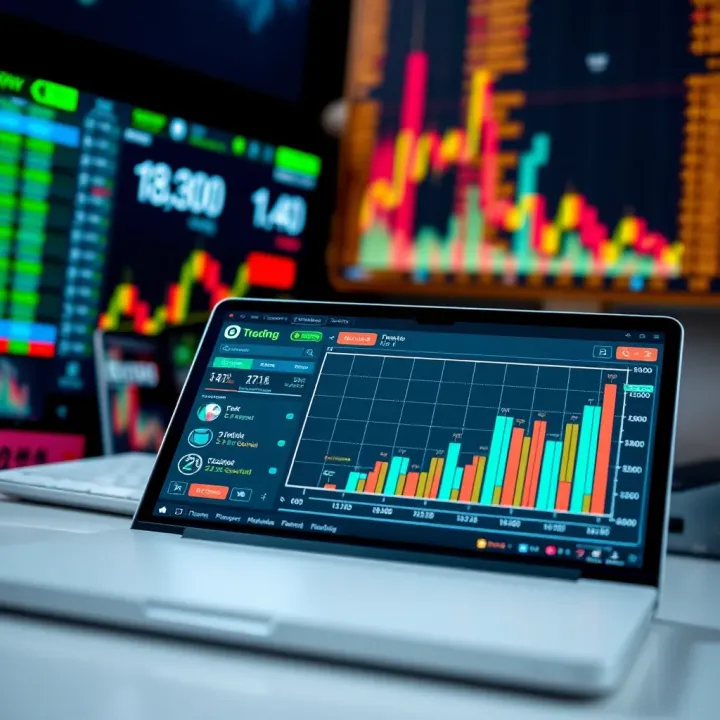
💹 Explore how forex trading simulators help you practice and master the forex market risk-free. Learn to test strategies and boost your trading skills effectively.
Based on 14 reviews