
Top Forex Trading Tips for South African Traders
📈 Discover practical forex trading tips tailored for South African traders! Learn risk management, platform selection, and trading strategies to boost success. 🇿🇦
Edited By
Ethan Davies
Forex trading automated robots, often called forex bots, have become popular among South African traders looking to take some weight off their shoulders in the fast-paced currency market. These bots use algorithms to scan market conditions and execute trades without direct human intervention. This means you can potentially trade 24/7, even during Eskom loadshedding when the markets never sleep.
Understanding how these trading robots operate is key. They rely on pre-set rules—like technical indicators, price levels, or volume triggers—to decide when to buy or sell foreign currencies such as US dollars, euros, or British pounds against the rand. For instance, a bot may automatically sell USD/ZAR if it senses a trend reversal on a specific moving average.
South African traders should consider several factors before trusting a bot with real money. First, no robot guarantees profits; losses do happen, especially during unexpected economic events or volatile sessions. Secondly, the quality of the algorithm matters—a poorly programmed bot can wipe out capital faster than a reckless human trader.
It’s wise to test any automated system extensively with demo accounts or small amounts before moving to bigger stakes.
Besides trading skills, legal and regulatory conditions impact forex bot use locally. The South African Reserve Bank (SARB) monitors forex flows, and authorised brokers adhere to Financial Sector Conduct Authority (FSCA) rules. Using a bot through an authorised brokerage helps avoid complications with compliance, RICA, and POPIA data privacy regulations.
Practical tips for those keen on automated trading include:
Choose bots that offer clear explanations and transparent strategies
Regularly monitor performance and adjust settings based on market changes
Be wary of offers promising quick riches or using opaque algorithms
Use stop-loss settings within the bot to manage downside risk
By grasping how forex robots work and what pitfalls to watch out for, South African traders can decide if automated trading fits their style and risk tolerance. This hands-off approach can save time and reduce emotional decision-making, but it demands careful setup, ongoing supervision, and realistic expectations.
In short, automated forex trading isn’t a magic wand, but with the right approach, it can be a helpful tool in your trading arsenal.
Understanding how forex trading automated robots operate is crucial for traders aiming to use these tools effectively in South Africa’s dynamic currency market. These systems use pre-set algorithms to analyse currency pairs and execute trades without direct human input, offering benefits such as faster decision-making and round-the-clock operation. However, knowing the nuts and bolts helps traders gauge their reliability and suitability.
At the heart of every forex robot lies an algorithm—a detailed set of rules programmed to identify trading opportunities based on market data. These rules can include technical indicators like moving averages, RSI (Relative Strength Index), or price action patterns that trigger buy or sell signals. For example, a robot might be programmed to buy the US dollar against the South African rand (USD/ZAR) when the 20-day moving average crosses above the 50-day moving average. This approach removes emotional bias and helps ensure trades adhere consistently to the chosen strategy.
Once conditions in the algorithm are met, the robot automatically sends the trade order to the broker’s platform. This instant execution can be vital in volatile forex markets where prices shift quickly. A South African trader using a robot won’t need to be glued to their screen all day—the robot places trades on their behalf at any hour, including during times Eskom’s load shedding might limit internet access for humans. This automation lessens the risk of missed opportunities from slow manual entry.
The effectiveness of these robots depends heavily on reliable software and real-time data feeds. Trading platforms like MetaTrader 4 or 5 and cTrader host and run these robots, providing the technical backbone. They receive constant price updates from liquidity providers and broker servers, enabling the robot to respond swiftly. If data feeds lag or the software crashes, trades might be delayed or missed, which can impact profitability. So, traders must ensure their connection is stable and the robot’s software is well-maintained.
Fully automated robots handle everything from market analysis to trade execution and even closing positions, requiring minimal input after setup. Meanwhile, semi-automated systems generate trade signals for the trader to review before deciding whether to execute. For instance, a busy South African trader might prefer a semi-automated system to retain control over risky trades while benefiting from computer-generated insights.
Custom-built robots are tailored to a trader’s unique strategy and risk preferences but often require coding skills or paying a developer. Commercial robots, on the other hand, are ready-made products sold online, with varying reputations. For example, some local trading communities or forums share custom strategies adapted to South African market nuances, such as accounting for ZAR’s typical volatility.
Most Forex robots are designed to work with widely used platforms like MetaTrader and cTrader, which South African brokers commonly offer. This integration allows traders to install, configure, and monitor robots easily within familiar environments. It also ensures access to essential features like backtesting tools and performance reports, helping traders verify a robot’s effectiveness before using it with real money.
When selecting a forex robot, understanding these underlying mechanics and types can save you from costly mistakes and make your trading journey smoother and more informed.
Automated forex trading robots offer South African traders a distinct way to engage with the forex market by mechanising trade decisions based on pre-set algorithms. While these systems promise certain advantages like improved speed and emotion-free trades, they also carry limitations that can affect performance and risk. Understanding both sides helps traders decide how much to depend on automation and when to intervene manually.
One key benefit of automated forex robots is how fast and accurately they can execute trades. Unlike manual trading, where human reaction times and errors can delay order placement, robots respond instantly to market movements they were programmed to spot. For example, a robot can enter or exit a position the moment a specific price level is hit, sometimes taking advantage of fleeting opportunities before a manual trader can react. This speed matters particularly in volatile forex pairs like USD/ZAR, where prices can swing rapidly during South African market hours.
Emotions often cloud human trading – fear, greed, or impatience can lead to premature selling or holding onto losing positions. Automated robots stick to their rules undisrupted by such feelings, executing trades consistently according to strategy. This detachment helps maintain discipline and reduces impulsive decisions that erode profits. That said, blindly trusting a robot without regular evaluation can backfire if market conditions shift outside the strategy's scope.
The forex market runs round the clock, which can be tough for local traders to monitor constantly due to work or lifestyle commitments. Automated systems can keep running through all global trading sessions without breaks, reacting to market moves even while the trader sleeps. This means you won't miss sudden price moves caused by events from Tokyo or London markets affecting the rand. For South African traders, this nonstop activity extends potential opportunities beyond the limited hours manual trading allows.
Automated forex robots rely heavily on stable internet connections and reliable hardware. A sudden outage or software glitch could leave trades stuck or unexecuted during critical moments, causing losses that human oversight might have avoided. For example, a connection hiccup during the release of key economic data could mean the robot misses out on closing positions on time. South African traders, particularly those in areas with less reliable internet, should consider backup connectivity or monitoring plans.
Sometimes called "curve fitting," over-optimisation happens when a robot is fine-tuned too closely to past market data, making it perform exceptionally well in backtests but poorly in live trading. This happens because the robot is tailored to idiosyncratic past behaviour rather than adaptable strategies. Traders can spot these by testing robots in demo accounts or forward testing to check if performance holds under real market conditions.
Not all automated trading systems are cheap or straightforward. While some offer free trials, many require monthly subscriptions or commissions, which can add up over time. Additionally, some robots may need specific platforms or VPS (Virtual Private Server) hosting to function efficiently, adding to the recurring expenses. South African traders should factor these costs into their trading budget and compare them against anticipated returns to avoid unpleasant surprises.
Choosing whether to use automated forex robots means balancing their speed and emotion-free execution against the risks of technical issues and hidden expenses. A cautious, well-informed approach increases the chances of benefiting from these tools.
When using automated trading robots in forex, understanding the critical risks—and how to manage them—is key to protecting both your capital and peace of mind. Automated systems can speed up trades, but they’re not immune to market swings, technical glitches, or scams. For South African traders, being aware of these risks helps avoid costly mistakes and maintain control even when it feels like the market runs wild.
Impact of sudden news events
Forex markets can react sharply to unexpected news, like changes in South Africa’s interest rates or global geopolitical developments. These events can cause price swings that automated robots might not handle properly if their algorithms aren’t designed for high volatility. For example, when unexpected Eskom announcements hit the headlines, currency pairs linked to the rand may suddenly spike or drop, causing automated trades to trigger unplanned losses.
Automated robots typically rely on historical price data, so they can struggle during such sharp moves. That’s why many traders pair their robots with manual controls or stop-loss limits to safeguard against runaway losses during volatile news moments.
Slippage and spreads
Slippage happens when an order executes at a different price than intended, which can happen during fast market moves or low-liquidity periods. Coupled with wider spreads—especially common with exotic currencies or after-hours trading—this can eat into profits or make losses worse. For example, a robot might place a buy order at R16.25/$ but ends up filling at R16.30/$ due to price changes while the trade is processed.
For South African traders, choosing brokers that offer competitive spreads and strong execution speeds is crucial. Monitoring robot settings for acceptable slippage thresholds helps avoid unexpected trade fills that erode margins.
Currency-specific volatility concerns
Currencies tied to emerging markets like the rand often show more ups and downs compared to majors such as the US dollar or euro. Sudden shifts can be triggered by political events, commodity price fluctuations, or even local elections. Automated robots calibrated only for stable pairs might give misleading signals or make poor entries in such cases.
Adjusting robot parameters to factor in local volatility or focusing on currency pairs with more consistent behaviour can improve performance. A trader might set wider stop losses or reduce position sizes when trading the rand to manage bumpier rides.
Identifying scams and unreliable robot providers
The rapid growth in forex robots means fake or overhyped products are common. Unscrupulous sellers might promise guaranteed profits or show fake performance records. South African traders must be suspicious of robots pushing unrealistic returns or those lacking verifiable user feedback.
Look out for providers who demand large upfront payments without offering trial periods or who refuse to share transparent backtesting info. Joining local trading forums or communities can help spot red flags and learn which robots have earned trust.
Safe storage of trading credentials
Automated robots need access to your trading account via API keys or login credentials, so protecting this info is vital. A breach could lead to unauthorised trades or drained accounts. Using strong, unique passwords and enabling two-factor authentication on your broker account helps reduce risk.
Avoid sharing your credentials with multiple third parties and regularly update security settings. Sometimes, keeping robots limited to demo accounts first is a safer way to test before trusting real funds.
Due diligence recommendations
Before trusting any automated system, do thorough research. This means checking independent reviews, confirming the robot works with regulated brokers, and understanding its strategy inside out. Trial the robot with small amounts or on demo accounts to judge reliability in South African market conditions.
Also consider the provider’s customer support and update practices—robots that aren’t maintained risk becoming obsolete as markets shift. Taking these steps helps avoid costly pitfalls and builds confidence in automated trading.
Protecting yourself from market shocks and scams isn’t just about technology. It’s a combination of smart risk controls, knowing your tools, and staying alert to warning signs. With that attitude, automated trading becomes a useful ally instead of a gamble.
Navigating the legal and regulatory landscape is essential for South African traders using automated forex robots. Understanding these rules helps avoid penalties and ensures trading activities stay above board. South Africa's financial sector is governed by rigorous regulations, largely overseen by the Financial Sector Conduct Authority (FSCA), impacting how forex trading platforms operate within the country.
The FSCA regulates financial services to protect investors and maintain market integrity. Forex trading in South Africa falls under this umbrella. Any service offering trading or advice related to forex must comply with FSCA regulations, including adherence to market conduct rules and transparency requirements. For instance, brokers operating in Mzansi must be registered with the FSCA, ensuring they meet capital and operational standards.
This framework prevents shady operators from misleading traders, especially those relying on automated systems. It also mandates clear disclosure of risks associated with forex trading, which is crucial for traders who trust robots to make decisions on their behalf.
Licensed brokers provide a safer environment for automated trading. The FSCA requires brokers to hold appropriate licences, which guarantees they've passed checks on financial soundness and ethical practices. Without a licence, brokers risk heavy fines or shutdown.
Choosing an FSCA-approved broker is particularly important for automated robots since these systems execute trades quickly and rely heavily on broker platform stability. For example, a licensed broker will have systems in place to handle market volatility and ensure orders from robots are processed without undue delay or error.
Profits earned from forex trading via automated robots must be declared as income to SARS (South African Revenue Service). Whether you're a casual trader or engaging regularly, SARS expects you to report these earnings accurately. Failure to declare can lead to penalties and interest on back taxes.
Most traders receive income from their trading accounts directly into their bank. This trail makes it easier for SARS to track transactions. Keeping detailed records of trades and robot usage is advisable to support tax submissions and confirm the source of funds.
In many cases, profits from forex trading are subject to capital gains tax (CGT), especially if trading is less frequent or the activity resembles an investment rather than a business. Whether income tax or CGT applies depends on factors like trading frequency, intent, and reliance on automated systems.
For example, someone casually testing an automated robot with occasional trades might face CGT on profits made. Conversely, a full-time trader using robots as part of a structured strategy will typically declare profits as income. SARS evaluates these details case by case, so consulting a tax advisor helps avoid surprises.
Staying informed about FSCA compliance and tax obligations protects you from legal trouble and promotes smarter trading decisions. These rules may seem stiff, but they are part of building a secure and transparent trading environment in South Africa.
Choosing the right forex trading robot and using it properly can make a big difference for traders in South Africa. With so many options out there, knowing how to assess a robot’s reliability and setting it up correctly is key for minimising risks and boosting your chances of steady returns. Whether you’re looking for a hands-off approach or want to complement your manual trading, smart selection and ongoing management guard you against potential losses and technical hiccups.
Backtesting results and real account demos help reveal how a robot behaves in various market conditions. Backtesting runs the robot’s strategy on historical data, showing how it might have performed in the past. However, it’s crucial to remember that markets keep changing, so good backtesting results don’t guarantee future profits. Testing on a demo account using real-time data is the next step before risking real money; this shows how the robot handles live market volatility without any financial danger.
User reviews and community feedback offer valuable insights from other traders' experiences, especially local South Africans who understand the challenges of our markets. Online forums, social media groups, and trading communities can shed light on whether a particular robot consistently performs well or if it frequently drops the ball in unexpected ways. Still, always approach reviews critically, as some might be sponsored or overly positive without enough evidence.
When it comes to vendor transparency and support, look for providers who clearly disclose how their robot works and offer reliable customer service. A trustworthy vendor will not only explain the trading strategy but also provide detailed terms on costs, withdrawal options, and updates. Good support ensures you’re not left in the lurch when technical issues arise or when you need help with setup and configuration.
Initial configuration and risk settings are where you tailor the robot to your trading goals and risk appetite. For example, setting stop-loss limits or maximum trade sizes prevents the robot from wiping out your account when the market turns sour. Ignoring these settings often means handing over full control without safeguards — a recipe for disaster, especially on volatile days.
Regular oversight and adjustments remain necessary, even if the robot operates hands-off. Markets change rapidly; what worked six months ago could become obsolete, for instance during South Africa’s unpredictable economic announcements or unexpected currency shifts. Checking performance regularly allows you to tweak settings or halt the robot if losses start piling up.
Combining manual and automated strategies can offer the best of both worlds. You might use automation to capture routine, smaller trades while manually intervening during big events or unusual markets. This hybrid approach helps keep control and flexibility while still benefiting from 24/7 robot activity.
In essence, using forex trading robots wisely goes beyond just switching on the software. Careful evaluation, continuous attention, and personalised setups are what help South African traders avoid common pitfalls and make the most of this technology.
📈 Discover practical forex trading tips tailored for South African traders! Learn risk management, platform selection, and trading strategies to boost success. 🇿🇦
📈 Discover practical forex trading tips and tricks tailored for South African traders. Learn strategies, manage risk, and master trading psychology to boost your success.
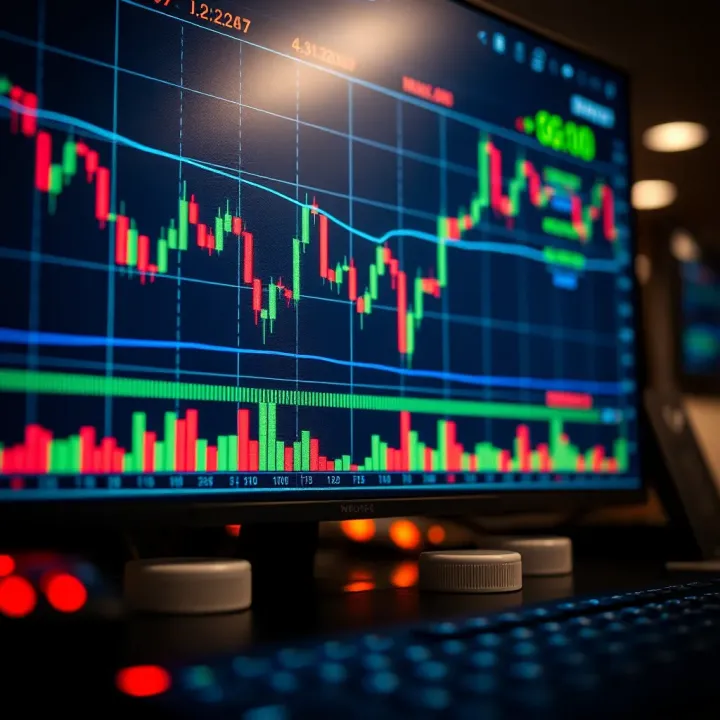
📈 Master forex trading with step-by-step tutorials for every skill level. Learn market basics, analysis, risk management, and trading platforms confidently.
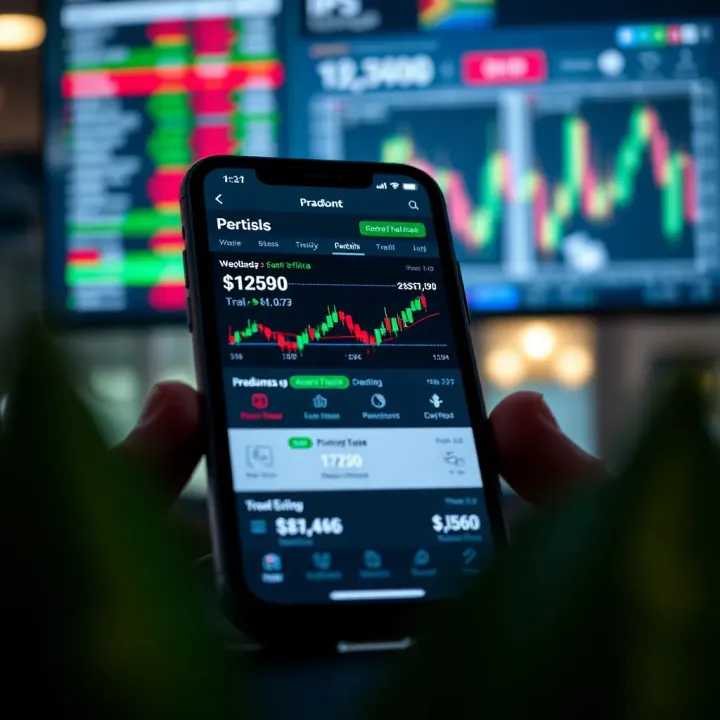
Find the best forex trading app for South African users 📱. Compare features, costs, security, and usability to trade smart and secure forex today 💹.
Based on 10 reviews