

Effective Forex Trading Tips for South African Traders
📈 Discover practical forex trading tips and tricks tailored for South African traders. Learn strategies, manage risk, and master trading psychology to boost your success.
Edited By
Amelia Foster
Forex trading in South Africa has grown steadily over the years, captivating a wide range of traders from beginners experimenting with their first trades to seasoned investors managing diverse portfolios. If you’re one of those keen on stepping into forex or looking to sharpen your existing strategies, nailing down the essential tips specific to the South African context can make a huge difference.
South African traders face unique challenges—from navigating local regulations by the Financial Sector Conduct Authority (FSCA) to dealing with the volatility of the rand against global currencies. Beyond just understanding how the market works, knowing how to choose the right platform or manage risk properly is just as important.
In this guide, we'll cover practical advice tailored for South African traders that you can start applying right away. Expect clear, actionable steps focused on understanding market mechanics, choosing trustworthy brokers, managing risk with good money management, and building a solid trading plan. We’ll also highlight common pitfalls that catch traders off guard.
Whether you’re trading ZAR pairs or global majors, these tips will help you make smarter, informed decisions without unnecessary confusion or guesswork. Let’s dive into the nuts and bolts that matter most so you can trade confidently and sustainably.
Getting a firm grip on the basics of forex trading is like laying down a solid foundation for a house—you can’t skip it without risking the whole structure. For South African traders, understanding how the forex market works isn’t just academic; it’s the first step to making smarter decisions and spotting opportunities worth chasing. When you know the mechanics, market players, and timing, your trades are less guesswork and more strategy.
Forex trading isn’t tied to any one place; it’s a 24-hour global network where currencies from all over get exchanged like at a bustling international market. This worldwide reach means you’re trading based on news, politics, or economic events happening anywhere—from Tokyo to New York—at almost any time of the day. For South African traders, this means keeping an eye on global happenings is key because they can shake the value of your currency pairs in an instant.
In South Africa, the Rand (ZAR) takes center stage, usually paired with heavyweights like the US Dollar (USD), Euro (EUR), British Pound (GBP), and the Japanese Yen (JPY). These pairs are popular because they’re liquid and offer tight spreads, meaning lower costs for traders. For example, USD/ZAR is a go-to pair since it reflects both international moves and local economic shifts, giving traders a good pulse on potential movements.
It’s not just individual traders throwing money around in the forex arena. Banks, multinational corporations, central banks, hedge funds, and brokers all play a part—and their moves can cause big waves. In South Africa, the South African Reserve Bank (SARB) plays a crucial role, influencing the ZAR through monetary policy decisions. Knowing who’s active helps you understand why the market shifts suddenly, like when a central bank intervenes or a big corporation buys foreign currency.
Forex trading is split into sessions based on global financial centers: London, New York, Tokyo, and Sydney. When sessions overlap, like London and New York between 3 pm and 7 pm South African time, markets become more active with increased volume and volatility—prime conditions for traders aiming for quick moves. Understanding these overlaps helps you catch those spikes and dips without being stuck in slow, low-liquidity periods.
Working within South African Standard Time (SAST), the best trading windows usually fall between 2 pm and 11 pm, covering the London and New York sessions. This period offers the most action and tighter spreads. For those trading USD/ZAR, early afternoon to early evening is golden because it aligns with both local market responses and global influencers. Trading outside these hours can be quieter, risking missed chances or unpredictable spreads.
Being aware of forex market basics equips South African traders to make smarter decisions, spot better entry points, and manage risks more effectively. It’s less about random guesses and more about understanding the chessboard you’re playing on.
Picking the right forex broker is a game-changer, especially for South African traders looking to navigate the forex environment safely and efficiently. A decent broker does more than just execute trades; it provides a stable platform, ensures your money is safe, and plays by the rules laid out by financial authorities. Without this solid foundation, even the best trading strategy can fall flat.
South African traders should pay close attention to regulation by the Financial Sector Conduct Authority (FSCA). This body keeps brokers in check, ensuring fair play and the ethical treatment of clients. Brokers regulated by the FSCA have to meet strict standards, including transparency in pricing and adherence to financial laws.
Apart from the FSCA, some local traders also look at brokers authorized by international watchdogs like the FCA in the UK or CySEC in Cyprus, but FSCA regulation provides a direct line to local dispute resolution. Before signing up with any broker, verify their FSCA registration—this simple step can save you from potential headaches down the track.
Protecting traders’ funds is non-negotiable. Reliable brokers separate their own money from clients' funds in designated bank accounts. This segregation means if the broker hits hard times, your money doesn’t vanish along with the company.
Some brokers go the extra mile by offering compensation schemes, but in South Africa, this isn’t as common as in other countries. Hence, traders should ask directly how their money is safeguarded. Platforms like IG Markets and Plus500, for example, are well-known for their strong client fund protection measures.
Always prioritize brokers with transparent fund management practices—it's your shield against unexpected risks.
A forex platform is your trading desk, so it needs to be solid and user-friendly. For South African traders, look for platforms supporting the Rands (ZAR) and offering real-time access to currency pairs involving the rand, such as USD/ZAR and EUR/ZAR.
MetaTrader 4 (MT4) and MetaTrader 5 (MT5) are favorites due to their powerful charting tools and extensive community support. They also allow automated trading if you’re into algorithmic systems. Another popular option is cTrader, which is appreciated for its clean interface and advanced order types.
Remember, the platform needs to offer:
Easy navigation
Fast trade execution
Reliable charting and technical indicators
Access to historical data for backtesting strategies
Without these features, you might miss opportunities or enter trades at the wrong time.
Forex never sleeps, and neither should your ability to trade. Mobile platforms have become critical, letting you manage trades on the go—whether you’re commuting or taking a break from work.
Look for brokers with well-rated apps on both iOS and Android. Features to consider are:
Instant notifications for price changes
One-touch order placement
Account management including deposits and withdrawals
Integration with desktop platforms for seamless switching
Take, for example, the FBS broker app, which is designed with beginners in mind but still offers the tools experienced traders need. It's intuitive and allows quick adaptation for those who can't be glued to their desk all day.
Mobile usability also means smooth performance on local networks, even if internet speeds fluctuate. Brokers that prioritize this tend to have an edge in the South African market.
In summary, choosing the right forex broker means zeroing in on those who are regulated by trustworthy bodies like FSCA, have clear client fund protections, and offer trading platforms with features that match your personal trading style, especially focusing on tools suited for South African market conditions and reliable mobile access. Take your time comparing options—your money and peace of mind depend on it.
Having a clear trading strategy is not just a fancy option but a must-have for any forex trader in South Africa. Without one, trading can turn into guessing games or gambling, which no one wants when their money’s on the line. A solid strategy helps bring order to the chaos, defining when to enter or exit trades, how much risk to take, and what to expect from each move.
Different traders have different styles, but what matters most is finding an approach that suits your personality and trading goals. For example, some prefer quick, short-term trades during the London session, capitalizing on volatility, while others might adopt a longer-term view based on economic trends affecting the rand (ZAR). Whatever the path, having a plan reduces emotion-driven decisions, helping maintain discipline and consistency over time.
Technical indicators are tools that help traders make sense of past price movements and guess potential future moves. Popular ones like the Relative Strength Index (RSI), Moving Average Convergence Divergence (MACD), and Bollinger Bands are widely used by South African traders.
RSI: Shows if a currency pair is overbought or oversold, hinting when a reversal might happen.
MACD: Helps identify shifts in momentum, so traders can spot trend changes early.
Bollinger Bands: Indicate volatility by showing upper and lower price limits; when bands tighten, it often precedes a price breakout.
These indicators are best used together rather than alone. For instance, if RSI signals an oversold condition while MACD confirms bullish momentum building up, it could be a good time to consider buying.
Recognising chart patterns can give valuable clues on market sentiment. Some common ones include:
Head and Shoulders: Often signals a reversal from bullish to bearish trends, and vice versa.
Double Tops and Bottoms: Suggest strong resistance or support levels where price might reverse.
Triangles (symmetrical, ascending, descending): Point to consolidation phases before a breakout.
Imagine the rand is hovering steadily but then forms a descending triangle during a period of economic uncertainty; this usually points to a likely breakdown. By spotting these patterns early, traders can prepare to adjust their positions accordingly.
Alongside charts, fundamental analysis gives a deeper look into the forces driving currency values in South Africa. Important indicators to keep an eye on include:
GDP Growth Rate: Shows the economy’s health—strong growth can boost the rand.
Inflation Rate: High inflation typically weakens the currency, affecting purchasing power.
Unemployment Figures: High unemployment can signal economic trouble and weigh on the rand.
Understanding when this data is released and its expected figures helps traders anticipate market reactions. For example, if SARB (South African Reserve Bank) releases inflation numbers higher than projections, traders might expect the rand to soften.
Political developments, both local and global, can hit forex markets hard. Things like changes in government policy, election results, or unrest influence trader confidence. For South African traders, events such as policy shifts on mining exports or tensions within the ruling party can trigger volatility in the rand.
On the international front, tensions in major trading partners or shifts in commodity prices—gold price fluctuations affecting the economy, for example—also sway currency moves. Staying alert to these scenarios helps traders avoid nasty surprises and make timely adjustments.
Knowing both technical signals and fundamental factors gives you a well-rounded view. It's like having a weather forecast and a road map before hitting the road—makes the journey a lot smoother and decisions much clearer.
Managing risk is not just another box to tick in forex trading—it’s the backbone of any trader’s long-term success, especially in the volatile environment of forex markets. Without solid risk management techniques, even the sharpest traders risk wiping out their accounts with a couple of bad trades. For South African traders, where the Rand can be quite jittery due to local economic shifts, applying these methods reduces unnecessary losses and keeps your trading on an even keel.
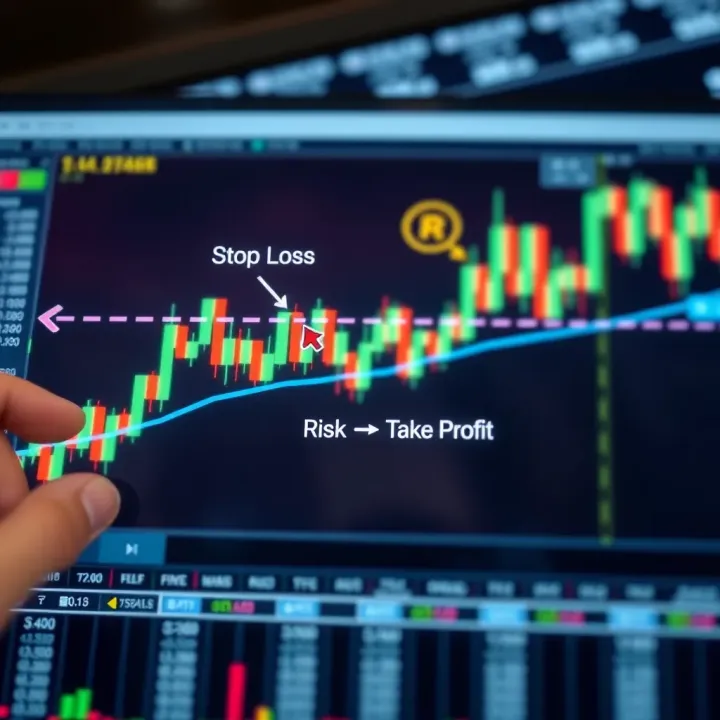
Think of a stop loss as your safety net in the trading circus. It’s an order you place to automatically exit a trade at a predetermined price to limit losses. Without it, you’re gambling that the market will turn in your favor—this is rarely wise. For instance, if you buy USD/ZAR at 14.50 but want to limit your loss to 100 pips, setting a stop loss at 13.50 locks in that maximum loss.
Stop losses protect you from emotional decisions during sudden currency swings, which can happen frequently in the Rand due to political news or economic data releases. Without a stop loss, you might hold onto a losing position hoping it’ll bounce back, but the truth is: admitting a mistake early can save your account from bigger damage.
Setting profit targets is equally important and often overlooked. It’s tempting to shoot for the stars, but setting a take profit too far from your entry point might never get hit, turning a potential winner into a missed opportunity. For South African traders, aiming for a modest gain within the average daily movement of your chosen currency pair makes more sense.
For example, if the average daily range of EUR/ZAR is about 150 pips, setting a take profit at 50-75 pips can provide a realistic goal that matches market behavior. This disciplined approach helps lock in profits regularly, rather than chasing big wins that leave you stuck in trades longer than necessary.
One size definitely doesn’t fit all in forex trading. Your position size should reflect how comfortable you are with risk. A common rule is to risk no more than 1-2% of your trading capital on any single trade. For instance, if your trading account has R50,000, risking 1% means you shouldn't lose more than R500 per trade.
Here’s a quick calculation: If you place a stop loss 100 pips away from your entry, and each pip is worth R10, the position size should be 0.5 lots (because 100 pips * R10 * 0.5 lots = R500 risk). This keeps losses manageable and prevents blowing through your account during a bad streak.
Don't put all your eggs in one basket. Diversifying among different currency pairs can smooth out your trading results. Since not all currencies move in sync, losses in one pair might be offset by gains in another. For example, while USD/ZAR might be volatile due to local happenings, pairing trades in EUR/USD or GBP/USD can bring some stability.
Besides reducing risk, diversification encourages learning about different markets, lending flexibility to your strategies. It also prevents overexposure to the South African Rand’s often unexpected price swings, which could severely impact a portfolio focused solely on Rand pairs.
Smart risk management is about balancing potential rewards against possible losses. By setting stop losses and profit targets carefully, sizing positions to your comfort level, and spreading your trades across currency pairs, you create a safety net that lets you trade confidently without risking the farm.
With these tools, you’re better prepared to handle the ups and downs of forex trading, making your South African trading experience more controlled and less stressful.
Demo accounts serve as a crucial stepping stone for any forex trader, especially for those based in South Africa who’re just starting out or testing fresh strategies. These accounts mirror real trading environments but use virtual money, so you don’t risk your hard-earned rands while you learn the ropes. It’s like a flight simulator for pilots, letting you make mistakes and adjust without crashing your real investment.
The main draw of a demo account is that you can experiment freely with different trading strategies without risking any actual cash. For example, if you want to test a scalping approach on the USD/ZAR pair during South African market hours, the demo lets you gauge its effectiveness under live market conditions. This hands-on experience helps you assess trade setups, stop losses, and take profits before committing any money. Without this, jumping straight into live trading can feel like walking blindfolded on a tightrope.
Aside from strategy testing, demo accounts are perfect for getting comfortable with your broker’s platform. South African traders should look out for features like easy order entry, clear charting tools, and real-time news updates. For example, platforms like MetaTrader 4 and 5, or ThinkMarkets, offer demos where you can practice placing trades, customizing charts, and using indicators. Getting used to the platform’s layout reduces costly mistakes when you switch over to real trading.
The jump from demo to live accounts can be a heck of a shock because real money triggers real feelings. Fear of loss or the thrill of gain might make you deviate from your tested plan. For example, a trader might hesitate to cut losses or chase profits aggressively after a losing streak. To handle this, start trading live with smaller amounts and stick rigorously to your risk management rules. Emotional control often separates profitable traders from those who burn out quickly.
Lastly, strategies that did well in demo might not behave the same in live conditions. Factors like slippage, spreads, and order execution speed are tighter and more variable in live trades. Suppose your demo strategy was built around precise entry points that frequent platform delays disrupt during live sessions. You’d need to adjust by allowing more flexible entry criteria or updating your stop loss logic. Continuous monitoring and tweaking are essential as you move forward.
Remember: Demo trading is about building a solid foundation, but successful trading depends heavily on how you manage the emotional and technical challenges of live markets.
Discipline and emotional control often stand between traders and consistent profits in the forex market. For South African traders, mastering this aspect is especially important because the market’s volatile nature can trigger impulsive decisions fueled by emotions rather than logic. Keeping a cool head means sticking to your trading plan and avoiding knee-jerk reactions when prices shift suddenly or losses stack up. This discipline protects your account from careless mistakes and helps you build long-term success.
Greed and fear are the two sides of the same coin that can cloud a trader’s judgment. Greed might push you to hold onto a winning position too long, hoping for even bigger gains, only to see those profits vanish. On the other hand, fear can cause you to exit trades prematurely or miss opportunities altogether. Both emotions lead to irrational behaviors that distort sound decision-making. Recognizing these feelings early lets you step back and evaluate the trade on merit, not mood. For instance, setting strict stop-loss orders can prevent greed from turning a good trade into a disaster.
Overtrading happens when traders act impulsively, placing too many trades out of boredom or a desperate need to recover losses. This approach drains your capital and attention quickly. Revenge trading takes it a step further by chasing losses with even riskier bets, hoping to erase bad decisions quickly but often digging a deeper hole. South African traders must be wary of these traps by enforcing strict limits on daily trade numbers and avoiding emotional responses after losses. A cool-headed trader will take a break, review what went wrong, and come back with a clear plan rather than diving back in blindly.
Realistic goal-setting is the cornerstone of any steady trading journey. Rather than chasing unrealistic daily wins, aim for achievable targets like consistent small profits or reducing losing trades. This helps manage expectations and keeps you grounded. For example, a goal to earn 0.5% of your account balance weekly might seem modest but builds a solid base over time without overexposure. Such goals keep emotions in check because you’re not gambling on huge, uncertain gains.
No trading plan is perfect forever; markets evolve and so should your approach. Make it a habit to review your trades weekly or monthly, note what worked and what didn’t, and adjust accordingly. This ongoing refinement keeps you aligned with market conditions and helps avoid repeating the same mistakes. For instance, if certain currency pairs consistently underperform, it might be time to shift focus. Regular review also means you're less likely to be blindsided by unforeseen market moves.
Staying disciplined and controlling your emotions is as much a skill as reading charts or understanding economic data. Master it, and you’ll avoid costly mistakes that can derail even the smartest trades. Losing your cool can turn a good streak into a bad day, but a steady mind can turn those losses into learning moments.
By keeping these points in mind, South African traders can create a stable and rational trading environment for themselves, increasing their chances of success in the unpredictable forex market.
Staying informed about market news and economic trends is more than just a good idea for South African forex traders — it's essential. Forex markets are highly responsive to economic data releases, political changes, and global events. Keeping track of these factors helps traders anticipate market swings and make smarter trading decisions. For example, a sudden announcement about changes in South Africa’s interest rates can quickly ripple through currency pairs, influencing the rand's strength directly.
Local news sources like Business Day, Moneyweb, and Fin24 play an important role in keeping traders in the loop. These outlets focus on the South African economy, offering timely updates on economic policies, corporate earnings, and political events. Their coverage often includes interviews with local economists and market analysts, giving traders insights into trends that directly impact the ZAR (South African Rand).
Relying on these local platforms ensures you aren’t caught off-guard by sudden announcements that could shift the market. For instance, if Fin24 reports on unexpected inflation numbers before market open, traders can adjust their strategies accordingly.
While local news is crucial, forex traders should also keep an eye on international economic reports. Reports like the US Non-Farm Payrolls, ECB policy announcements, and GDP figures from China affect global liquidity and risk appetite — both significant drivers of forex prices. South African pairs such as USD/ZAR or EUR/ZAR don't move in isolation; global sentiment influences them heavily.
For example, if the US Federal Reserve signals a hike in interest rates, the dollar might strengthen across the board, which tends to put downward pressure on the rand. Tuning in to sources like Reuters, Bloomberg, or the Financial Times helps you catch these developments early.
South Africa’s GDP growth rate, inflation, and unemployment numbers are vital indicators that directly sway the rand’s value. A stronger GDP growth rate usually signals a healthy economy, attracting foreign investment that can boost the rand. Conversely, high inflation can erode purchasing power, leading the South African Reserve Bank (SARB) to hike interest rates.
Take a case where unemployment figures come in worse than expected — it may suggest economic troubles ahead, which typically weakens the currency. Traders who watch these stats closely and understand their implications tend to make more precise forecasts.
The SARB’s interest rate decisions are often the headline act for forex traders focused on the rand. When the Reserve Bank increases interest rates, it tends to make the rand more attractive to investors looking for higher returns, pushing its value upward. A rate cut, on the other hand, usually signals a weakening currency.
The SARB doesn’t just adjust rates randomly; they heavily weigh inflation targets and economic growth. Traders should follow the SARB’s statements and minutes to catch subtle hints about future policy moves.
Staying on top of economic data and news helps traders avoid the proverbial "blind spots". Missing out on a key announcement can mean entering or exiting trades too late, which often leads to losses.
By keeping a close watch on both local and international news, and understanding how South African economic data affects the currency market, traders can improve timing and accuracy, managing risks more effectively while seizing better opportunities.
📈 Discover practical forex trading tips and tricks tailored for South African traders. Learn strategies, manage risk, and master trading psychology to boost your success.

📈 Practical Forex trading tips for South African traders in an easy PDF format. Learn risk management, key basics, and strategies to trade smarter confidently.
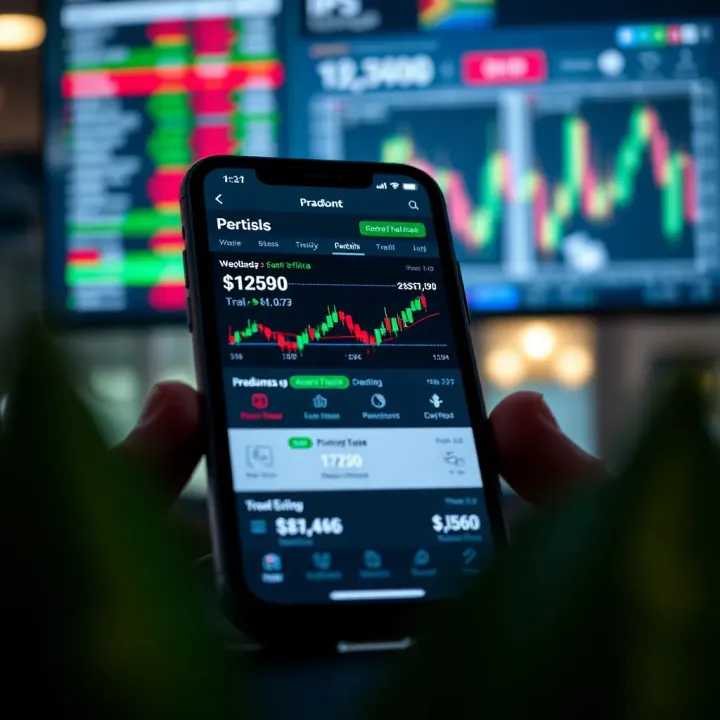
Find the best forex trading app for South African users 📱. Compare features, costs, security, and usability to trade smart and secure forex today 💹.
📈 Master forex trading with step-by-step tutorials for every skill level. Learn market basics, analysis, risk management, and trading platforms confidently.
Based on 7 reviews