
Top Forex Trading Tips for South African Traders
📈 Discover practical forex trading tips tailored for South African traders! Learn risk management, platform selection, and trading strategies to boost success. 🇿🇦
Edited By
Henry Clarke
Forex trading can be intense, especially when you’re juggling volatile global currencies and local factors like Eskom's loadshedding. In South Africa, more traders are turning to Expert Advisors (EAs) to help automate their forex strategies. These are computer programs designed to trade on your behalf based on predefined rules carved into the software.
EAs remove the need to stare at charts all day or react emotionally to market swings. Instead, they execute trades instantly once certain conditions are met. For South African traders, this means you can navigate forex markets even during power interruptions or when you’re away from your computer or mobile device.

Expert Advisors automate the nuts and bolts of trading, freeing you to focus on refining strategy rather than manual execution.
An EA is a type of algorithm, often coded using MetaTrader’s MQL language, that runs on trading platforms like MetaTrader 4 or 5. It follows specific criteria you set—be it technical indicators, timeframes, or price levels—and opens or closes trades accordingly.
Unlike blindly copying signals or trading robots promising overnight gains, EAs rely on your input and disciplined strategies. They can help test ideas on historic data (backtesting) or trade live with low latency.
Automation under local constraints: Loadshedding disrupts internet and power supply but EAs running on VPS (virtual private servers) abroad keep trading uninterrupted.
Consistency: Removes emotional biases, which often lead to impulsive decisions during uncertain market conditions like rand volatility.
Speed: Opens or closes positions at lightning speed, difficult for humans to match.
Backtesting capability: Allows traders to refine strategies using historical data with local currency pairs (eg. USD/ZAR).
EAs aren’t magic wands; the success depends on strategy quality and ongoing monitoring.
Local market factors and geopolitical events can sometimes cause unexpected moves which EAs may not respond to sensibly.
Choosing reliable, reputable EAs and using demo accounts before going live is essential.
Next, we’ll explore how to select and set up Expert Advisors specifically tailored for the South African forex environment.
Forex trading Expert Advisors (EAs) are programs designed to automate trading decisions on platforms like MetaTrader 4 and 5, popular among South African traders. Understanding what EAs are and how they function is essential for traders looking to balance quick market reactions with sound strategy execution without staying glued to their screens 24/7.
An Expert Advisor is essentially a software tool that analyses forex markets and executes trades based on pre-set rules. For example, if a particular currency pair hits a target price or exhibits certain technical signals, the EA can place buy or sell orders automatically. This takes the guesswork out of timing the market and allows traders to stick to strategies without emotionally driven decisions. South African traders might use an EA to capitalise on volatile pairs like ZAR/USD overnight, given the time zone differences.
EAs are integrated directly into trading platforms, which means a trader loads the EA onto the platform and adjusts parameters to their liking. Once activated, the EA monitors live price feeds constantly, applying its programmed logic every tick. For instance, it might track moving averages, RSI readings, or price patterns to trigger trades. The program can open, modify, or close trades instantly based on predefined criteria — no manual clicking required. This process is vital for South African traders coping with loadshedding schedules, enabling trading while power or internet access occasionally falters.
Most popular EAs come with key features such as:
Customisable Strategies: Traders can adjust risk levels, trade size, stop-loss, and take-profit points.
Backtesting Capability: EAs often include tools to test strategies against historical South African rand pairs data to estimate potential performance.
Multiple Timeframes Support: They analyse charts from minutes to daily levels for better decision-making.
Risk Management Tools: Limits on maximum drawdown or open trades protect against heavy losses.
For example, an EA like Forex Diamond offers multiple trading strategies under one roof and is compatible with local brokers, making it a versatile choice for Mzansi traders wanting some automation without complexity.
Automation with Expert Advisors doesn't replace the need for vigilance—it's about letting technology handle routine tasks while you focus on refining your strategy or managing risk.
By grasping these basics, South African traders can better decide if an EA fits their forex trading approach and how to integrate it into their broader trading toolkit.
Automated trading through Expert Advisors (EAs) offers notable advantages for South African forex traders, yet it carries some risks that one must consider carefully. Understanding both sides can help traders decide how best to make use of these tools in local conditions, where factors like loadshedding and volatile markets can have major effects.
EAs handle trades automatically based on pre-set rules, meaning you don’t have to sit glued to your screen for hours. This suits busy traders and those juggling multiple responsibilities, like running a business or managing a household. Instead of monitoring charts all day, your EA can scan the markets and execute trades 24/7—even during Eskom loadshedding stages when manual trading might be impossible.
Automation also reduces human error linked to missed entry or exit points due to distractions or delayed reactions. For example, a Johannesburg trader juggling work and family can deploy an EA that manages trades overnight when the forex markets shift, without him having to lift a finger.
One common pitfall in manual forex trading is fear or greed affecting decisions. EAs simply follow programmed logic without emotion. This helps avoid rash choices like panic selling during a market dip or overtrading after a win. In a local context where market news—such as political developments or SARB interest rate announcements—can cause sudden price swings, an EA sticks to the plan instead of acting on gut feelings.
However, while EAs remove emotion, the trader still needs discipline in choosing sound strategies and knowing when to step in.
Manual trading limits how many currency pairs or markets you can watch simultaneously. EAs can be set up to trade several pairs at once, which is handy if you want exposure beyond the ZAR pairs. For instance, an EA can monitor EUR/USD, GBP/USD, USD/JPY, and USD/ZAR at the same time, exploiting more opportunities.
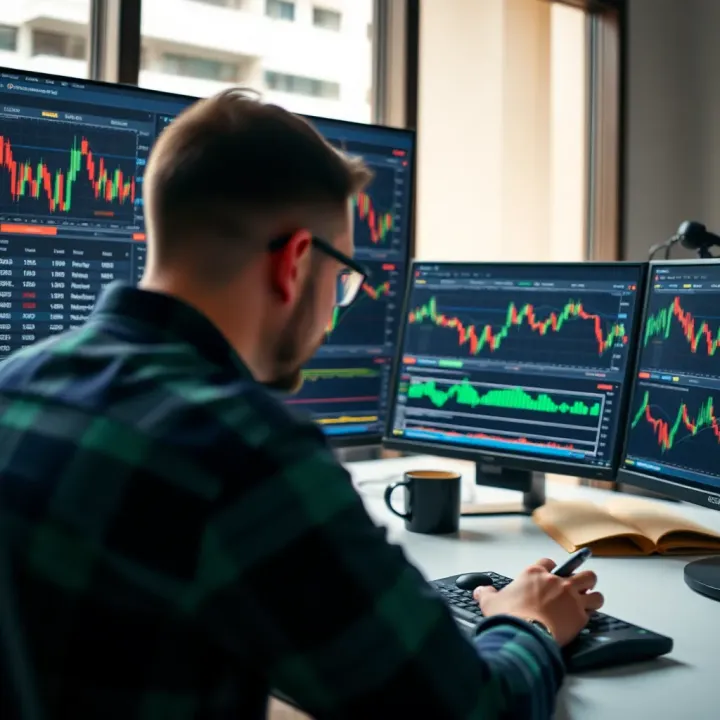
This scalability suits South African traders aiming to diversify risk or benefit from global market moves without the strain on attention span. Plus, EAs can execute split-second trades faster than a human ever could.
EAs rely on technology, so network outages, computer crashes, or platform bugs can interrupt trading. Given South Africa’s intermittent power supply challenges, relying solely on automation without backup measures is risky. A sudden loss of internet during a key trade could lead to unexpected losses.
Traders must ensure stable power and connectivity, consider using uninterruptible power supplies (UPS), and check their EA’s error logs regularly to avoid surprises.
Sometimes developers tweak EAs extensively to fit historical data perfectly, known as over-optimisation or curve fitting. While backtests may show impressive returns, these EAs often fail in live markets where conditions differ.
South African traders should be cautious about blindly trusting backtest results over real-time performance. Testing EAs on demo accounts with live data can give a clearer sense of reliability before risking real Rand.
Forex markets can move rapidly due to unexpected factors like SARB rate surprises, geopolitical tensions, or global economic shifts. EAs designed with strict rules may struggle to adapt or get caught on the wrong side during such shifts.
For example, sudden political unrest or Eskom’s decisions affecting economic confidence can cause wild swings. An EA ignoring such context may trigger excessive losses. Combining automated trading with manual oversight helps address these surprises effectively.
While EAs offer valuable efficiency and precision, South African traders must remain vigilant about technology risks and market uncertainties. Balancing automation with active management can protect your capital and boost trading success.
Selecting the right Expert Advisor (EA) is a key step that can influence your trading results in the forex market. With so many options available, especially for South African traders aiming to navigate local market conditions and brokerage environments, choosing wisely saves time, reduces risk, and aligns the tool with your trading goals. A suitable EA complements your approach rather than running blindly, so knowing what to prioritise helps.
When picking an EA, understanding its underlying strategy is crucial. Transparency means the seller or developer openly shares how the EA makes trade decisions — whether it follows trend, scalping, news-based trades, or other methods. This clarity allows you to evaluate whether the strategy suits your risk appetite and market outlook.
Backtesting results demonstrate how the EA performed historically on past data. These results offer insight into consistency and reliability but remember, past performance never guarantees future success. For example, an EA that backtests well from 2015 to 2020 on the EUR/USD pair might not handle sudden spikes or unique events encountered today. Still, this step gives you a practical gauge before risking any capital.
South African traders mostly use MetaTrader 4 (MT4) or MetaTrader 5 (MT5) platforms, so ensure your chosen EA is compatible. Some EAs are developed specifically for MT4 and won’t work on MT5 without modifications. Others might be designed for cTrader or proprietary broker platforms, which may offer different functionalities.
Compatibility affects installation ease, access to updates, and support. An EA that runs smoothly on your trading platform avoids technical hiccups that could cost trades. For example, Pick n Pay's recent promotion for trading accounts through specific MT4 brokers highlights the importance of platform-EA alignment.
EAs come at various price points — free, subscription-based, or one-time payments. Some offer a licence for a single account, while others allow multi-account usage. Be cautious of EAs with hidden costs or unclear licence terms.
A costly EA isn’t automatically better, but very cheap or free options could be less reliable or lack proper support. Ask whether the cost includes regular updates, customer support, or access to backtesting data. A clear cost structure avoids surprises and helps budget for ongoing expenses.
Some reputable local brokers recommend or even bundle certain EAs with their trading accounts. For example, brokers like IG or XM offer EAs pre-tested on their platforms, giving traders confidence they’ll function properly. Using broker-approved EAs can also mean better technical support and integration.
This route lessens the technical risks and often provides training or guidance tailored to South African market conditions and regulatory frameworks, making it a practical first stop.
Dedicated platforms such as MQL5 Market host thousands of EAs with user ratings and detailed descriptions. Forums like Forex Factory allow traders to share reviews and tips based on real experience.
Exploring these spaces helps spot popular and vetted EAs but exercise caution — not every highly rated EA suits your style or local conditions. It's smart to cross-check reviews and test demo versions before committing.
South African forex groups on social media or WhatsApp, and trading clubs in cities like Johannesburg or Cape Town, provide a valuable local perspective. Members often share hands-on advice, recommend trustworthy EAs, and discuss pitfalls specific to the regional market and regulations.
Hearing from fellow traders in your time zone dealing with similar brokers and market constraints gives you practical insight that's hard to find elsewhere.
Choosing an EA without aligning it to your trading platform, budget, and strategy is like buying a bakkie without checking if it can handle the rough bits on your farm road — you might regret it later.
Consider these factors carefully to find an EA that suits your style, is reliable, affordable, and backed by support you can count on.
Setting up and managing your Forex Expert Advisor (EA) properly is vital to making the most of automated trading. South African traders face unique market conditions like volatility, loadshedding disruptions, and regulatory considerations, so a careful, tailored approach helps ensure your EA runs smoothly and responds quickly to changes. Essentially, this step lays the foundation for a steady trading experience and protects your capital.
Most Forex EAs run on MetaTrader 4 or MetaTrader 5 platforms, which are widely used by South African brokers such as IG Markets and FXTM. Before installation, verify that your broker supports your chosen platform and allows automated trading. Installation usually involves copying the EA file into the platform’s 'Experts' folder and then activating it within the platform’s Navigator panel. This straightforward step is crucial: a misstep here can prevent your EA from executing trades properly.
Customising the EA means adjusting settings such as risk level, lot size, and trading hours to suit your comfort and risk appetite. For example, if you prefer cautious trading during unstable periods like earnings announcements or local economic reports, your EA can be set to restrict trading then. On the other hand, more aggressive traders might increase trade size or ease restrictions. Tailoring these parameters ensures your EA acts in line with your personal strategy rather than blindly following preset rules.
Don’t just set and forget. Regularly reviewing your EA’s performance helps spot declining effectiveness or emerging risks. Simple checks include comparing actual versus backtested results and tracking drawdowns. If your EA’s performance dips, it might signal the need to tweak settings or pause trading temporarily. South African traders should especially watch for unexpected local events that impact liquidity or volatility.
Forex markets evolve, influenced by global and local factors—think interest rate decisions by the South African Reserve Bank or US economic shifts. Adjusting your EA to reflect these changes can prevent losses or improve gains. For instance, if volatility spikes due to a political event, scaling down trade sizes or temporarily suspending trades reduces exposure to sudden swings. Conversely, stable periods might allow more active trading.
Backing up your EA’s configuration files and trade history helps you restore settings quickly in case of computer issues or platform crashes. Updates from EA developers often include bug fixes, improved algorithms, or compatibility patches with new trading platforms. Ignoring these updates can leave you vulnerable to errors or missed trading opportunities. Always test updates on a demo account first to avoid surprises in live trading.
Proactively managing your EA keeps you ahead of technical hiccups and market surprises, safeguarding your investments and helping you trade with confidence in South Africa’s dynamic forex scene.
By following these steps, your automated trading stands a better chance of performing consistently, delivering on the promise of hassle-free Forex trading tailored to your specific needs and local conditions.
South African forex traders often face unique challenges such as market volatility, loadshedding interruptions, and fluctuating Rand exchange rates. Practical tips for using Expert Advisors (EAs) help navigate these hurdles by promoting smart risk management and balanced trading practices. Knowing how to fine-tune and use these automated tools effectively can make a big difference, especially when local market conditions shift suddenly.
One fundamental risk control when using EAs is to set stop loss and take profit orders. These automatically close positions once price hits a specified level, preventing significant losses or locking in gains. For instance, in the South African context, where sudden Rand swings occur, a well-placed stop loss can shield your trades from sharp currency devaluations.
Since EAs operate without emotions, they rely on parameters set at the start. If these limits aren’t adjusted carefully, the EA might hold onto losing positions too long or miss optimal profit points. Customising these levels to your risk tolerance and current market volatility ensures better control and helps sustain your capital over time.
Before letting an EA run on a live account—even with real Rand at stake—South African traders should test it thoroughly using demo accounts. This allows you to observe how the EA reacts to different scenarios without financial risk. Markets can behave unpredictably, especially around times like South African elections or fluctuating commodity prices, which impact currency strength.
A demo environment also gives you the chance to familiarise yourself with the EA’s settings and reports. By trying out adjustments on a demo, you can improve the strategy without pressure. Many local brokers offer free demo accounts, so take advantage to save yourself from costly surprises once you switch to live trading.
Even the best-designed EA can struggle in unusual market conditions or during major events like Eskom load shedding announcements that disrupt trading hours. South African traders should monitor the EA's performance and be ready to pause or override it when necessary.
For example, if a major news release causes unexpected market swings, manual intervention can prevent unwanted losses. Pausing the EA during such volatile periods and resuming when conditions stabilise is a simple but effective strategy. It prevents blindly trusting automation when human insight is crucial.
EAs don’t just automate trades; they generate signals and data on market behaviour. South African traders can use these insights to sharpen their own strategies. By analysing when and why the EA entered or exited trades, you can better understand price patterns and improve manual trading skills.
This approach turns the EA from a black box into a learning tool. Over time, you might spot opportunities to adjust the EA’s parameters or even develop your own strategies based on its signals. This blend of automation and personal skill-building often leads to more confident and informed trading decisions.
Practical use of EAs involves constant learning and attentive risk management, particularly in South Africa’s unique trading environment where market surprises are frequent and capital preservation is key.
📈 Discover practical forex trading tips tailored for South African traders! Learn risk management, platform selection, and trading strategies to boost success. 🇿🇦

📈 Discover practical forex trading tips and tricks tailored for South African traders. Learn strategies, manage risk, and master trading psychology to boost your success.
📈 Master forex trading with step-by-step tutorials for every skill level. Learn market basics, analysis, risk management, and trading platforms confidently.

Find the best forex trading app for South African users 📱. Compare features, costs, security, and usability to trade smart and secure forex today 💹.
Based on 14 reviews