
Understanding Forex Trading Accounts in South Africa
📊 Explore forex trading accounts in South Africa—types, features, risk management, and broker requirements. Get practical tips to trade confidently in the forex market.
Edited By
Amelia Turner
Choosing a forex trading platform can feel like a maze, especially with the multitude of options available today. For South African traders, the decision goes beyond just features; security, costs, and compliance with local regulations really matter.
Forex platforms act as your gateway to the currency markets. But they’re not all built the same. Some focus on ease of use, while others pack advanced tools for technical analysis. Brokers in South Africa often offer platforms tailored to local traders, accepting payments in rand and ensuring compliance with the Financial Sector Conduct Authority (FSCA).
Before committing, think about your trading style. Are you a beginner looking for simple interfaces and educational resources? Or an experienced trader wanting detailed charts and fast order execution? This will help narrow your choices.
Remember: the best platform isn’t necessarily the flashiest. Stability, customer support, and fair pricing can outweigh fancy extras.
Here are key points to weigh up when comparing platforms:
Types of Platforms: Desktop applications like MetaTrader 4 or web-based options offered by brokers such as IG or EasyEquities. Mobile apps are essential for trading on the move.
Costs & Fees: Spread size, commission rates, and whether there are hidden charges. Lower costs help protect your profits.
Security Measures: Look for platforms with strong encryption and FSCA regulation to ensure your funds and data stay safe.
Tools and Features: Does the platform provide real-time quotes, multiple order types, and backtesting capabilities?
Customer Support: Responsive support in case you hit technical snags—preferably accessible during South African trading hours.
Making a well-informed choice will set you up to trade smarter and safer. We’ll break down these aspects clearly so you can pick a platform that suits your needs, local rules, and budget.
Forex trading platforms act as the main gateway for individual traders and investors to access the foreign exchange market. Knowing how these platforms work is essential because your choice directly impacts your trading experience, from order execution speed to usability and risk management. For South African traders, practical understanding means picking a platform that suits your trading style, stays compliant with local regulations, and offers solid security.
A forex trading platform is software that lets you buy and sell currencies through a broker. It displays price charts, manages orders, and gives access to trading tools—all in one place. Think of it as your trading workstation, where decisions turn into real transactions on the global currency market.
The platform connects directly to your broker’s servers, which in turn link to interbank currency markets and liquidity providers. This connection ensures you see live price quotes and can execute trades instantly. For example, when you place an order on a platform like MetaTrader 4 or ThinkMarkets, it sends instructions to your broker, who matches your trade on the market. The faster this connection, the less likely you’ll suffer from price slippage during volatile market conditions.
Desktop platforms are downloaded and installed on your computer. They tend to offer the most features, including advanced charting, custom indicators, and automated trading systems. For instance, MetaTrader 5 (MT5) is popular among serious traders who want full control and in-depth analysis. However, desktop platforms require a stable internet connection and aren’t accessible from other devices without remote software.
Web platforms run in your internet browser, which means no downloads and quick access from any device. They’re ideal for traders who prefer flexibility or cannot install software due to work restrictions or shared computers. For example, brokers like IG and Plus500 offer user-friendly web platforms focused on simplicity and immediate access. While they might lack some advanced tools found on desktop versions, the convenience often outweighs this for casual and beginner traders.
Mobile trading apps put the power in your pocket, allowing you to monitor the market and place trades anywhere, anytime. Apps from brokers like ForexTime (FXTM) and AvaTrade are designed for South Africans who want to stay updated during their commute or at a braai. These apps often offer essential features like live quotes, order execution, and alerts but might fall short on complex charting or multi-screen layouts. Still, they’re invaluable for keeping trades live when you’re away from your desk.
Understanding these platform types helps you align your trading ambitions with the right tools. Whether you need desktop power, web accessibility, or mobile flexibility, each comes with pros and cons that shape your trading journey.
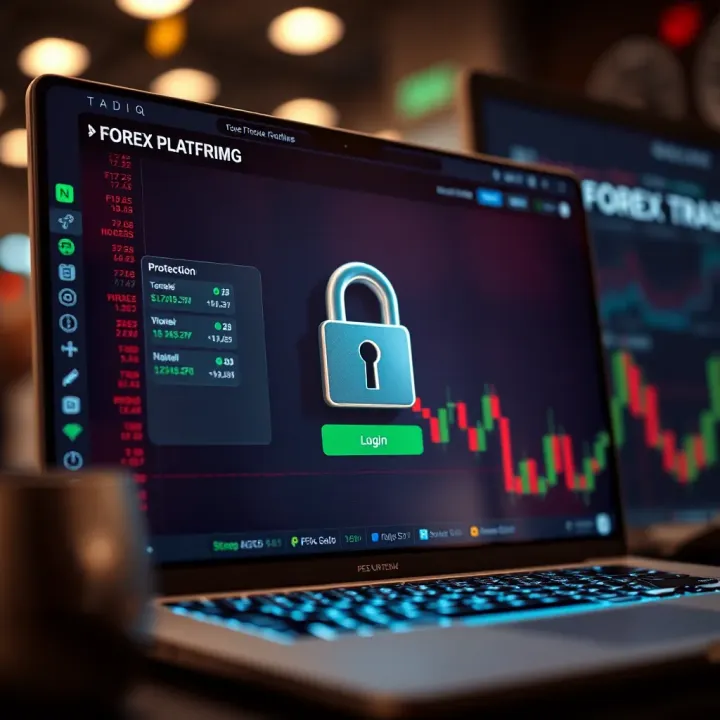
Choosing the right forex trading platform boils down to its features, which directly impact how effectively and comfortably you can trade. For South African traders, these features matter not just for smooth execution but also for adapting to local market habits and challenges like variable internet speeds and loadshedding interruptions. Let’s look at the essentials you should consider.
The user interface (UI) forms the trader’s first impression and ongoing experience. An intuitive design lets you place trades quickly without second-guessing where options lie, especially important when markets are moving fast. Imagine missing a good entry point because you’re fumbling through complex menus — not the kind of hassle you want. Platforms like MetaTrader 4 and 5 score well here, offering straightforward dashboards without cluttered graphs or unnecessary bells and whistles.
Being able to customise the platform layout adds a layer of convenience, allowing you to tweak charts, windows, and tool panels to suit your flow. For example, if you focus on currency pairs like USD/ZAR and EUR/USD, you can set your watchlist to follow only these, saving time and reducing distractions. A platform that remembers your preferences means less setup each time you log in, which is handy during hectic trading sessions or when you’re tuning in after loadshedding.
Clear and reliable charting tools are non-negotiable for technical traders. Good platforms let you overlay indicators such as moving averages, RSI (Relative Strength Index), and Bollinger Bands with just a click, helping to pinpoint trends or overbought conditions. For instance, spotting a double bottom pattern early on the USD/ZAR chart can guide profitable entry decisions.
Access to an economic calendar is vital to keep track of major data releases — think South Africa’s GDP figures or US interest rate decisions — which often trigger sharp price swings. A platform that streams news headlines related to your traded currencies ensures you’re not blindsided by volatility caused by unexpected political or economic announcements.
Risk management tools like stop-loss and take-profit orders let you set automatic exit points, shielding you from gut-wrenching losses if the market goes against your position. Some platforms offer trailing stops that adjust with market movement, locking in profits without you having to monitor constantly – a helpful feature especially if you trade part-time or alongside a busy day job.
A trading platform’s features are more than shiny extras; they underpin your strategy’s success and protect your capital against unpredictable moves.
Prioritise platforms that combine ease of use with robust trading tools, tailored to how you trade, to handle the unique challenges South African traders face.
Safety is a non-negotiable when it comes to forex trading, especially here in South Africa where scams and unlicensed brokers pop up now and then. Traders must prioritise platforms that offer strong security because losing personal data or funds can be devastating. Plus, solid security features build trust, letting you focus on your trades instead of worrying about fraud.
The FSCA is the watchdog that oversees financial markets in South Africa, including forex brokers. It’s tasked with making sure trading platforms operate legally, ethically, and fairly for local clients. If a platform is FSCA-registered, you have some legal protection. For instance, you can lodge complaints if something goes sideways or the platform mismanages your funds.
That said, not all platforms targeting South African traders have FSCA approval. Some operate offshore and don’t fall under local jurisdiction, which leaves you vulnerable. So, trading with an FSCA-regulated broker cuts your risk considerably and adds peace of mind.
Verifying a broker’s credentials is straightforward but critical. You should visit the FSCA’s official website to check if the broker appears on their authorised financial services providers list. Traders sometimes skip this step and end up with dodgy operators who vanish when things get rough.
Also, look for clear information on the platform’s website about their licence number, physical offices in South Africa, and contact details. If the broker claims to be regulated but you can’t find proof, it raises a red flag. Spurs you to dig deeper before depositing a single rand.
Encryption is the backbone of online security for trading platforms. It scrambles your personal information and trade data so hackers can’t easily intercept it, especially when using public Wi-Fi. Most trustworthy forex platforms apply SSL (Secure Sockets Layer) or TLS (Transport Layer Security) protocols. You can spot these as that little padlock icon next to the site’s URL.
For South African traders accessing platforms from cafés or while travelling, encryption means your login details and account history stay locked down. Without it, cybercriminals might copy your information and drain your account in minutes.
Two-factor authentication (2FA) adds an extra step beyond your password for logging in, usually involving a code sent to your mobile device. This feature is essential because passwords alone can be stolen or guessed. With 2FA, even if someone gets your password, they still need your phone or email to access the platform.
Many popular forex platforms used locally offer 2FA as standard. It’s a quick setup that sharply reduces the risk of unauthorised access. When you first register on a trading platform, ensure you enable this feature—don’t leave your account wide open.
Always choose forex trading platforms with solid FSCA credentials, strong encryption, and two-factor authentication. This will keep your trades and money safe while giving you confidence to trade without second guessing.
In all, considering these safety and security measures isn’t about ticking boxes. It’s about protecting your hard-earned money, meeting compliance standards in South Africa, and ensuring your trading experience is as smooth and secure as possible.
Understanding the costs and fees linked to forex trading platforms is vital for South African traders aiming to keep expenses in check while maximising returns. These costs can eat into your profit margins if you’re not careful, so it pays to know what you’re signing up for before committing to a platform.
Spreads refer to the difference between the buying (bid) and selling (ask) price of a currency pair. Fixed spreads stay the same regardless of market conditions, offering traders predictability in costs. This can be handy during volatile times when sharp price swings might otherwise inflate your trading costs unexpectedly. However, fixed spreads often come at a higher base cost compared to variable spreads.
On the other hand, variable (or floating) spreads fluctuate according to the market's liquidity and activity. In quiet trading hours, these spreads tend to narrow, making trading cheaper, but they can widen significantly during major economic events or thin market conditions. For instance, during an announcement from the South African Reserve Bank (SARB), variable spreads might widen, increasing trading costs temporarily.
Commission models are another way brokers charge for trades. Some platforms offer “commission-free” trading but compensate through wider spreads. Others charge a commission per trade or per lot on top of low spreads. Commissions benefit high-volume traders or those who rely on tight spreads for scalping or day trading.
For example, a broker might charge R50 per standard lot traded plus a spread of 0.1 pips. While this sounds like more upfront costs, these fees can actually be cheaper for active traders than platforms with wider, commission-free spreads. Carefully comparing these models based on your trading frequency and style is essential.
Withdrawal and deposit fees can also affect your bottom line, even though they sometimes slip under the radar. Many local brokers or international platforms servicing South Africans might charge for certain payment methods. For example, using a credit card to deposit could involve a fee of 1.5%, or withdrawing funds via international bank transfer might cost between R100 and R300, depending on the provider. It's always good practice to check which payment options cost you least and factor this into your overall trading plan.
Inactivity fees are charges imposed if you leave your account dormant for a set period, often three to six months. These fees can whittle away your account balance even if you’re not trading, which is a hassle for those who trade sporadically or keep an account on standby. Some platforms might deduct a monthly fee or charge a one-off administration cost. Shutting your idle account before this kicks in or choosing a broker that doesn’t charge inactivity fees could save you unnecessary losses.
Always factor in all possible fees — even those that might seem minor — to avoid surprises that chip away at your trading profits over time.
By keeping a clear eye on spreads, commissions, and additional fees, you stand a better chance of selecting a platform that suits your trading habits and budget without hidden costs sneaking in.
Choosing a forex trading platform that suits your trading style is essential for smooth and effective trading. Different traders have varied approaches—some prefer quick, frequent trades, while others hold positions for weeks or months. Picking a platform tailored to these needs can mean the difference between a frustrating experience and consistent success.
Platforms vary in how they accommodate styles like day trading or long-term investing. For example, day traders benefit from platforms offering fast order execution, live price updates, and advanced charting tools for quick decision-making. Take, for example, MT4 or cTrader, which provide these features alongside low latency connections. On the other hand, long-term investors might prioritise platforms that offer comprehensive research tools, economic calendars, and portfolio tracking over rapid execution.
Support for automated trading is another key factor. Automated or algorithmic trading uses software to execute trades based on predefined conditions. Platforms like MetaTrader allow users to run Expert Advisors (EAs), which can open and close positions automatically. This suits traders who prefer a hands-off approach or want to apply complex strategies systematically without constant monitoring—particularly useful if you have a day job or commit to trading only part-time.
Reliable customer service can save you headaches when technical issues arise or if you need guidance. Platforms offering 24/7 support via phone, chat, or email can be invaluable, especially given time zone differences in global forex markets. For example, a South African trader dealing with a Uk-based broker might find out a problem right before market opening, making quick support essential.
Educational content is just as important. A good platform often provides tutorials, webinars, and up-to-date market analysis. These resources help traders sharpen their skills and understand changing market conditions. For instance, if you’re new to forex, platforms like IG or Plus500 include beginner guides and live educational sessions that can ease the learning curve. Plus, regular market reports help experienced traders stay informed and adjust their strategy accordingly.
Picking a platform that matches your trading style and support needs helps you trade confidently and efficiently, saving time and reducing unnecessary costs.
By focusing on these practical factors, South African traders can select a forex platform that fits how they trade and how much support they want, improving the overall trading experience.
📊 Explore forex trading accounts in South Africa—types, features, risk management, and broker requirements. Get practical tips to trade confidently in the forex market.
📈 Learn practical forex trading strategies tailored for South Africans. Master demo accounts, brokers, risk management, and build real skills for confident trading success.

📚Explore the best forex trading books for South Africans! Learn key strategies, risk management, and market insight to trade confidently and grow your skills.
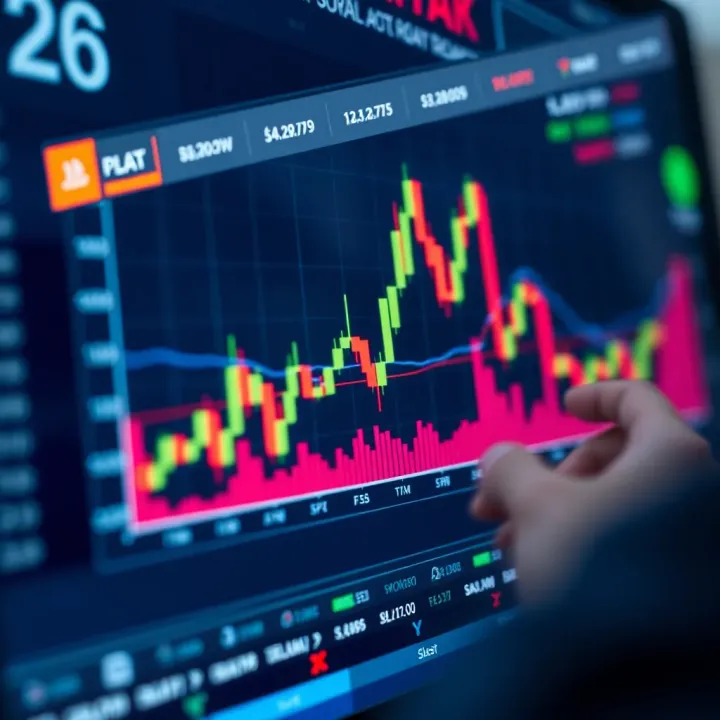
🌍 Find the best forex trading platforms for South African traders. Compare features, local options, and tips to pick a platform that suits your style perfectly. 💹
Based on 9 reviews