

Where to Study Risk Management in South Africa
🎓 Explore top South African institutions offering risk management courses, study modes, entry criteria, and career paths. Plus, key certifications to boost your prospects!
Edited By
Sophia Thompson
Managing risks is vital for any construction project, especially in South Africa where challenges like loadshedding and compliance with local laws add layers of complexity. A solid construction risk management plan helps you spot potential issues early, weigh their impact, and take the right steps to keep your project on track.
Risk management isn’t just about ticking boxes; it’s a practical approach to guarding your investment and reputation against surprises. For traders and investors monitoring construction ventures, understanding this process offers insight into project viability and financial stability.

Identifying common and site-specific risks — everything from labour disputes and supply delays to safety hazards and environmental compliance
Rating risks by likelihood and potential cost implications
Designing tailored strategies: whether it’s insurance cover, contingency funds, or adopting safer building methods
Staying updated with South African regulations like the Occupational Health and Safety Act (OHSA) and Construction Regulations
Establishing monitoring routines to spot new risks or changes in existing ones
A risk management plan isn’t static. It needs regular review and adjustment as conditions evolve, particularly with shifting economic and regulatory landscapes.
By applying these principles, you not only protect projects from costly setbacks but also boost confidence among financiers and stakeholders. Whether you’re a broker assessing project risk or an entrepreneur launching construction plans, this groundwork sharpens your ability to make informed decisions.
Understanding the nuts and bolts of construction risk management tailored to South Africa’s conditions grounds you in reality and equips you to handle the unexpected effectively.
A Construction Risk Management Plan (CRMP) serves as a practical roadmap to identify and handle potential setbacks that could derail a building project. It isn’t just about ticking boxes; it helps anticipate hurdles, avoid costly delays, and keep the project within budget. For investors and traders involved in South African construction, understanding this plan means better control over financial exposure and ensures compliance with local regulations.
Construction projects are inherently risky due to their complexity and scale. Risks can lead to accidents, financial losses, or project failure if ignored. In South Africa, these risks are compounded by factors like frequent loadshedding, fluctuating material costs, and labour disruptions. Proper risk management helps manage these challenges by setting out clear steps to minimise impact and respond swiftly when problems arise.
For example, a project in Gauteng incorporating solar power solutions to combat Eskom’s loadshedding can prevent costly downtime. Such proactive steps not only keep timelines intact but can also improve investor confidence, which is vital when securing funding or negotiating tenders.
A well-crafted risk management plan is your insurance against unexpected disruptions—not just in safety, but in cash flow and reputation.
South African construction faces unique risks that demand attention in every risk management plan. Labour strikes, often linked to wage disputes or union actions, can halt work for days or weeks. Material shortages, especially with global supply chain issues, can delay delivery times and push up prices unexpectedly.
Environmental considerations, too, are significant. Projects near protected habitats or watercourses must navigate stringent regulations to avoid hefty fines or work stoppages. Additionally, contract disputes over scope changes or payment delays are frequent and can drag projects into lengthy legal battles.
These risks illustrate why a CRMP must be tailored to South Africa’s specific environment, combining thorough risk assessment with practical strategies that address local realities. Doing so protects investments and helps safeguard the project’s successful completion.
In summary, grasping the purpose of a construction risk management plan equips stakeholders to spot issues early, adapt to challenges as they arise, and keep their projects running smoothly amid South Africa’s demanding landscape.
Identifying and assessing risks early in the project lifecycle helps prevent costly delays and potential accidents. Construction projects in South Africa face unique challenges—from erratic weather patterns to supply chain hiccups worsened by logistics strikes or delayed municipal approvals. Knowing what risks lie ahead allows you to plan accordingly, reducing surprises down the line.
The first step is spotting potential risks before they cause trouble. Use a mix of methods:

Site inspections: Regular walkabouts can reveal hazards like unstable ground or unsafe scaffolding.
Consultation sessions: Talking with engineers, foremen, and subcontractors surfaces their concerns that may not be obvious on paper.
Checklists: Formal lists tailored for South African conditions (e.g., considering loadshedding impacts or Labour Relations Act compliance) ensure no common issues get overlooked.
Historical data: Past project reports can highlight recurring problems, such as delays from weather or supplier unreliability.
By combining these approaches, you'll paint a broad picture of what risks might affect your construction project.
Once risks are identified, work out how serious each one could be and how likely it is to happen. For example, a crane malfunction could lead to severe injury, but if the equipment is regularly maintained and inspected, the chance might be low. A better example is the risk of delays from load shedding: almost certain in many areas and disruptive enough to carry a high severity rating.
You can score risks using a matrix that matches likelihood (rare to almost certain) against impact (minor inconvenience to project-stopping). This quantification helps you avoid playing favourites or overlooking subtle but dangerous threats.
Not all risks deserve equal attention or funds. Sort them according to your evaluation to decide where to focus your time and resources:
High likelihood, high impact: These need immediate controls or contingency plans.
High impact, low likelihood: Prepare response strategies but avoid over-investing upfront.
Low impact, high likelihood: Look for easy fixes or mitigations to reduce nuisance risks.
Low impact, low likelihood: Monitor but don't divert resources unnecessarily.
Prioritising risk ensures you deal with the real threats affecting your project’s deadlines, budget, and safety, making your management plan practical and effective.
For example, a Johannesburg site might prioritise security measures highly due to crime rates, while a KZN coastal site might focus more on flood risk. This localised approach ensures your risk management matches actual exposure.
Overall, methodically identifying, assessing, and ranking risks gives your construction project the best chance of finishing on time and within budget while keeping everyone safe.
Managing construction risks effectively means having a clear plan that minimises disruption and protects the project's bottom line. It’s not just about ticking boxes but actively reducing the chance and impact of problems on site. This section breaks down key approaches to handling risks you might face in South African construction projects.
The first step is to decide whether to avoid, minimise, or transfer risks. Avoidance means changing plans to sidestep the risk entirely. For example, if a site is prone to flooding during the rainy season, scheduling excavation outside that window avoids major water damage. Mitigation reduces risk impact through proactive measures—like securing scaffolding properly to prevent falls. Transfer involves passing risk to a third party, often via insurance or subcontracting specialist work. South African contractors use this when engaging suppliers with established quality records to handle complex supply chain risks.
Health and safety protocols are the backbone of effective risk management. Strict adherence to the Occupational Health and Safety Act in South Africa means regular training sessions and daily toolbox talks are non-negotiable. On-site hazards must be flagged immediately, and Personal Protective Equipment (PPE) must be enforced without exceptions. For instance, ensuring all workers wear helmets and high-visibility vests early in the project can prevent injuries and regulatory penalties. Additionally, incorporating tools such as safety audits and incident reporting apps makes identifying hazards easier and keeps everyone accountable.
Legal clarity reduces costly misunderstandings. Drafting contracts with precise terms regarding scope, timelines, and responsibilities avoids disputes later. In South African construction, clauses that address penalties for delayed delivery or substandard materials protect both client and contractor interests. Make sure contracts explicitly reference compliance with South African building regulations, B-BBEE targets, and environmental standards. Using standardised industry contracts from the South African Institute of Architects (SAIA) or the South African Forum of Civil Engineering Contractors (SAFCEC) helps maintain consistency and legal soundness.
Managing risks in construction isn’t just about reacting; it’s about planning smart and keeping all stakeholders on the same page to avoid surprises.
By combining avoidance, rigorous safety measures, and solid legal frameworks, your risk management plan becomes a tool that supports on-time, on-budget delivery even when challenges hit. Each strategy, tuned to local context and project specifics, keeps South African builders ahead of problems rather than chasing them.
South Africa’s construction sector operates within a complex legal framework that governs safety, building standards, and social obligations. Ignoring these rules can lead to hefty fines, project delays, and reputational damage. For investors and entrepreneurs, understanding these regulations is not just about compliance; it’s about proactive risk management that safeguards your investment and ensures smoother project delivery.
The Occupational Health and Safety Act (OHSA) is the backbone of workplace safety in South African construction. It requires employers to provide a safe working environment, identify hazards, and implement measures to protect workers. For instance, you must conduct regular risk assessments and ensure all personnel receive adequate training. Failure to comply can result in penalties or shutdowns by the Department of Employment and Labour.
Practical application involves appointing a competent health and safety officer and maintaining a health and safety file onsite. For example, if excavations are part of the project, strict controls must be in place to prevent collapse, as incidents here are common causes of injuries. Ensuring PPE (personal protective equipment) is always used reduces accident-related downtime, directly affecting project timelines and costs.
Each municipality enforces local building bylaws alongside the National Building Regulations (NBR). These set minimum standards for structural safety, fire protection, electrical installations, and sanitation. Navigating this landscape requires early engagement with the local authority for plan approvals and inspections. A project in Gauteng might face differently detailed requirements from those in the Western Cape or KwaZulu-Natal.
Non-compliance risks include stop-work orders or rejection of occupation certificates, which prevent clients from legally occupying buildings. Contractors should therefore budget for time and costs associated with securing the necessary approvals and inspections. Good practice involves submitting comprehensive building plans and permit applications early to avoid bottlenecks.
Environmental management is increasingly significant, especially for projects near sensitive ecosystems or urban zones. Compliance with the National Environmental Management Act (NEMA) requires environmental impact assessments (EIAs) for developments above certain thresholds. For example, a housing scheme near a protected wetland must have an approved EIA before construction commences.
Furthermore, Broad-Based Black Economic Empowerment (B-BBEE) policies influence project eligibility for public contracts and financing. Construction companies must demonstrate compliance through aspects like ownership, skills development, and enterprise development. Ignoring these can exclude firms from significant opportunities or delay municipal approvals.
Staying on top of legal requirements not only helps avoid penalties but also builds credibility and smooths stakeholder relationships. These factors often determine long-term success in South Africa’s competitive construction industry.
Understanding and integrating these legal and regulatory demands into your construction risk management plan isn’t optional — it’s vital for protecting your project, your workers, and your business reputation.
Keeping a construction risk management plan current is not just a formality; it’s essential for controlling hazards as the project unfolds. Construction sites are dynamic, with conditions changing daily—new risks can emerge while others disappear. Staying on top of these changes through regular monitoring ensures that risks don’t catch you off guard.
Frequent site inspections serve as the frontline for identifying potential safety threats or procedural gaps. These inspections shouldn't be mere tick-box exercises but thorough reviews involving safety officers, project managers, and sometimes workers themselves. Detailed reports from these visits help track recurring issues and alert management to emerging risks. For example, if a supplier consistently delivers substandard materials, early detection means corrective action before those materials compromise structural integrity.
Daily or weekly reporting routines encourage accountability and offer a paper trail for any decisions or changes made in response to risks. Using digital tools to record observations on mobile devices can speed up the process, especially across larger sites where conditions vary.
Construction projects seldom go exactly according to the original plan. Design amendments, unforeseen ground conditions, or supplier delays require flexibility in the risk plan. Updating the plan means reassessing previously identified risks and incorporating new ones.
For instance, if heavy rains delay foundation work in Gauteng’s wet season, the risk profile around water damage or site access changes, so mitigation measures like additional drainage or alternative access routes should be added. Similarly, if a near-miss accident occurs, analysing its cause should prompt immediate revision to prevent actual accidents.
This ongoing process helps avoid complacency and ensures the plan remains a living document rather than gathering dust on a shelf.
Risk management is a team effort, so keeping everyone in the loop is critical. From engineers and contractors to suppliers and even clients, their input can highlight risks unseen from the site manager’s perspective. Regular stakeholder meetings provide a platform to discuss risk reports, change management, and new concerns.
In South African projects, involving the community or local authorities may also be necessary, particularly with environmental or B-BBEE compliance issues. When stakeholders feel heard and informed, their buy-in drives cooperation and quicker problem-solving.
Regular updates and transparent communication not only protect the project but build trust across all parties, reducing disputes and delays.
Monitoring, reviewing, and updating the risk management plan should be part and parcel of daily construction operations. This attention to detail strengthens the project's resilience against surprises and supports safer, more efficient delivery aligned with South African regulations and site realities.
🎓 Explore top South African institutions offering risk management courses, study modes, entry criteria, and career paths. Plus, key certifications to boost your prospects!

Discover how South African businesses identify & manage fraud risks 🔍, using smart strategies and tech to strengthen defences against fraud threats.
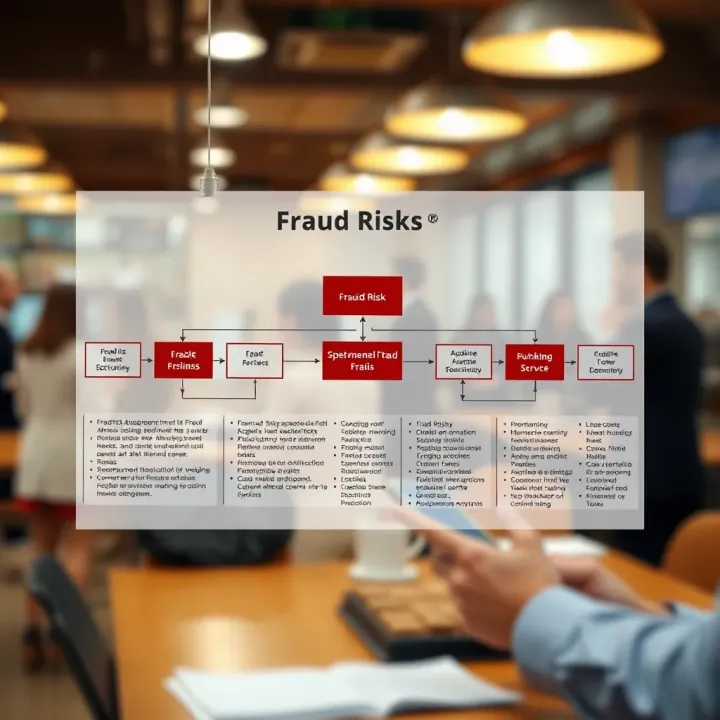
🔍 Learn practical fraud risk management strategies for South African businesses. From detection to prevention, protect your company effectively today. 🛡️
📋 Learn what to include in a risk management plan to identify, assess, and handle risks effectively. Prepare your team for uncertainties and keep operations smooth.
Based on 6 reviews