

Understanding Binary Options for South African Traders
📉 Learn how binary options work and the risks involved for South African traders. Understand regulations and get practical tips before trading in this fast-moving market.
Edited By
James Whitmore
Binary signals apps have become increasingly popular among traders looking to make quicker, more informed decisions when dealing with binary options. In simple terms, these apps send alerts or "signals" about potential trading opportunities, indicating whether to buy (call) or sell (put) an option within a given timeframe.
For South African traders, understanding how these apps operate is essential before relying on them. Unlike traditional investing where you might spend hours analysing charts or balance sheets, binary options are all about predicting short-term price movements, sometimes within minutes or hours. Signals simplify this process by boiling down complex data into straightforward recommendations.
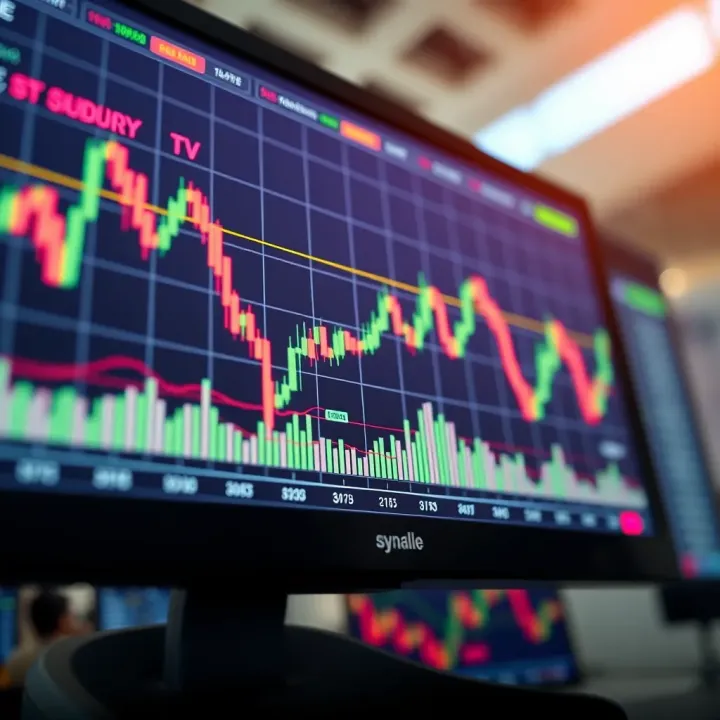
However, not all signals apps are created equal. Some generate their signals using automated algorithms, while others rely on human analysts monitoring market trends. The reliability of these apps can vary significantly. For example, a signal generated by a faulty algorithm might suggest a trade that’s unlikely to succeed, potentially leading to losses.
South African traders need to consider factors such as the app’s track record, transparency, fees, and customer reviews. Many legitimate apps offer demo accounts allowing you to test their signals without risking real money—it's wise to take advantage of this before committing any funds.
Remember, binary options trading involves high risk. Signals should support your decisions, not replace your own market research or risk management.
Real-time alerts: Immediate notifications about market opportunities.
Customisable settings: Ability to choose assets, expiry times, and risk levels.
Performance tracking: Historical success rates of signals provided.
In South Africa, where data costs and internet reliability can fluctuate, a signal app that works smoothly on mobile-and doesn’t consume excessive data-is a practical choice. Popular apps often support notifications even on low bandwidth, crucial for traders on the move.
In summary, binary signals apps can help South African traders by providing clear, actionable prompts amid volatile markets. That said, it's important to vet these tools carefully, combine signals with your own analysis, and never invest more than you can afford to lose.
Binary signals apps play a key role for many traders dealing with binary options. They provide alerts indicating potential opportunities to buy or sell, usually within short timeframes. These signals can help traders make quicker decisions by pointing to likely price movements, but understanding how these apps operate is crucial for using them effectively.
Binary options trading is a financial activity where you predict the price movement of an asset within a set period. If the prediction turns out correct, you gain a fixed payout; if not, you lose the investment. It's a straightforward buy-or-sell decision, but market uncertainty makes it challenging to time trades well.
This is where binary signals come in. They act as trade suggestions triggered by market analysis, designed to alert you when to enter or exit positions. By receiving these signals, traders can quickly spot potential upsides or downsides without staring at charts all day. This can be particularly helpful for South African traders balancing work or other commitments alongside trading.
Signals delivered by these apps vary. Some show simple "call" or "put" alerts advising you to buy or sell, while others provide extra details like strike price or expiry time. Others still might give you trend indications or volatility warnings. The kind of signal affects how you can incorporate it into your strategy — for instance, a detailed alert may enable more precise trades compared to a straightforward buy/sell prompt.
Most signals are based on technical analysis, which uses past price data and chart patterns to predict future movements. For example, a signal may appear when the price hits support or resistance levels or when certain indicators like moving averages cross over.
More advanced apps use algorithms and artificial intelligence to spot patterns that humans might miss. These AI-driven predictions can process large amounts of data rapidly, scanning multiple assets and timeframes at once. For instance, an AI model might detect subtle signs of market shifts in the JSE or currency pairs involving the rand, sending alerts accordingly.
Then there’s the debate between manually generated signals from seasoned experts and fully automated alerts. Manual signals tend to reflect market sentiment and nuanced interpretation but can be slower. Automated alerts offer speed and volume but might overlook contextual factors like sudden political events or loadshedding announcements affecting market confidence.
Whether you choose an app relying on expert advice or a smart algorithm, understanding how the signals come about can help you decide when and how much to trust them.
In summary, binary signals apps provide trading cues derived from technical or AI analysis, sometimes combined with expert judgement. Their purpose is to simplify decision-making in binary options trading by pinpointing potential buy or sell moments. For South African traders, grasping these basics is the first step toward picking an app that fits their style and risk appetite.
South African traders must choose reliable binary signals apps to navigate the volatile world of binary options trading effectively. A trustworthy app not only improves the chances of making informed decisions but also protects users from scams, which unfortunately still plague the market here. Given the mix of local market conditions like exchange rate fluctuations and loadshedding disruptions, reliability in these apps can make a real difference.
Accuracy in signal delivery is non-negotiable. A binary signals app must consistently send alerts that align well with market movements. South African traders should look for apps with verified performance reports, ideally backed by third-party audits or transparent user statistics. For example, apps that show their signal results over several months or years give a better sense if they're worth trusting.
A proven track record is also a handy guard against hype. Apps promising guaranteed profits or sky-high returns without clear data are often misleading. One productive approach is to rely on apps that openly share winning and losing trades to give a balanced picture.
A straightforward, easy-to-navigate interface helps traders act quickly on signals. If an app’s design feels cluttered or overly technical, it may slow decision-making, leading to missed opportunities. South African users especially benefit when notifications are timely and clear, considering the ups and downs in internet reliability across different regions.
Notifications should allow customisation, so users can prioritise alerts for specific assets or types of trades. An app that integrates push notifications, SMS, or even WhatsApp messages can cater to different connectivity situations, making a difference when signals must be acted upon rapidly.
The app must work smoothly with common South African trading platforms like ExpertOption, Pocket Option, or Olymp Trade. Seamless integration reduces friction when placing trades and helps traders react instantly to signals.
Compatibility also means supporting both desktop and mobile devices since many South African traders rely on mobile trading while on the move. For instance, an app that updates simultaneously on your phone and laptop lets you stay connected even during commutes or when power cuts strike.
Local user reviews reveal practical insights beyond polished marketing. Feedback from fellow traders in Gauteng, Western Cape, or KwaZulu-Natal can highlight how apps perform under South African market conditions.
Pay attention to consistent complaints or praises regarding signal accuracy, customer support, and how well the app handles local payment methods like EFT or mobile money transfers. Forums and social media groups dedicated to binary trading often contain candid stories that are invaluable.
Apps requesting access to unnecessary personal data or device features raise red flags. South African traders should confirm that apps comply with the Protection of Personal Information Act (POPIA), ensuring personal data is handled securely.
Trustworthy apps clearly state what data they collect and why, and allow users to limit permissions. For example, an app should have no reason to access your contacts or microphone unless explicitly justified.
While binary options trading is largely unregulated in South Africa, some signals apps might claim false affiliations or licences. Verify if apps adhere to local rules, such as requirements from the Financial Sector Conduct Authority (FSCA), which oversees financial services.
Apps transparent about their legal standing and willing to provide regulatory information add a layer of trust. Traders should be cautious of apps operating offshore without clear legal accountability, especially given the history of scams in the industry.
Choosing a reliable binary signals app is about balancing features, security, and local relevance – keeping you a step ahead without risking your hard-earned Rands.
When trading with binary signals apps, it's vital to understand the risks involved. While these apps promise guidance, they don't guarantee success. South African traders need to be especially cautious because these risks can impact not just profits but also their financial security.
Market volatility and unpredictable events can throw even the best signals off course. For instance, unexpected announcements from the South African Reserve Bank or sudden shifts in global commodity prices can cause sharp market moves. This volatility means that a signal suggesting a particular trade might quickly become outdated or irrelevant. Considering how fast forex or stock prices react to world events, relying solely on signals without understanding market context can lead to losses.
Moreover, local factors like Eskom’s loadshedding schedules can influence the market sentiment, indirectly affecting binary options. Traders should always factor in such elements rather than blindly following signals expecting stable conditions.
Possibility of false or delayed signals is another hurdle. Some apps struggle with real-time data feeds or use simplified algorithms that send alerts too late, missing the optimal entry point. For example, a signal recommending a call option may arrive moments after the price has already moved beyond profitable levels. This delay wastes opportunities and can cause frustration.
False signals can also occur when apps misinterpret market noise as a trend. Imagine a short-term price blip triggering multiple signals that suggest trades contradicting each other. Without cross-checking, a trader may end up making conflicting decisions, eroding capital over time.
Red flags to watch out for include apps promising guaranteed returns or boasting unusually high accuracy rates without proof. Some providers might pressure you to deposit more funds or subscribe to expensive plans without clear benefits. In South Africa, reports of fraudulent binary apps cropping up on app stores or social media are common, so it pays to be sceptical.
Additionally, apps that require excessive permissions on your mobile device or fail to protect your personal data should be avoided. Legitimate services respect privacy and comply with local regulations, like the Protection of Personal Information Act (POPIA).
Avoiding misleading promises of guaranteed profits is essential. No app can confidently promise success given the unpredictable nature of markets. Traders lured by extravagant claims often end up losing money instead of profiting. It's wise to treat signals as one tool among many, not a crystal ball.
Trade smartly by combining signals with your own research and by sticking to money management strategies. That way, you’re less likely to fall for scams or suffer from misplaced trust in the apps.
Understanding these risks helps you make informed choices and protect your trading journey from avoidable pitfalls. Keep your wits about you, and never risk more than you can afford to lose.
Using binary signals apps wisely can make a real difference in how effective your trading is. These apps offer helpful alerts, but they work best when combined with a personal trading plan that takes into account your goals, risk tolerance, and market knowledge. South African traders often face specific challenges like market volatility and regulatory changes, so making the most of these tools means adapting them carefully to your unique situation.
Binary signals should be treated as one of several tools in your trading toolbox. For instance, if an app signals a call option on a particular currency pair, don't rush without checking the broader context. Look at recent price trends, news affecting that market, or your personal indicators. Signals can guide your decisions, but relying solely on them might lead to poor outcomes, especially during sudden market moves.
Risk management goes hand in hand with how you use signals. You must set clear limits on how much you’re willing to lose on any trade or within a day to avoid wiping out your account. For example, even with a high-accuracy signal, never invest more than 2-3% of your trading capital on a single trade. By setting stop-loss limits and deciding beforehand how much to risk, you protect yourself from unexpected market swings and signal inaccuracies.
Before committing real money, test any new binary signals app through a demo account. This way, you get familiar with how signals appear, how fast they arrive, and assess their accuracy without risking your cash. Several platforms popular in South Africa, like IQ Option or Pocket Option, offer demo accounts where you can trial these signals safely.
Staying updated on market conditions is vital. South Africa’s economy can be affected by local factors like load shedding announcements, political developments, or commodity price shifts. Signals might not always factor these events in immediately. Regularly following financial news helps you understand when to be cautious and when to follow the signals more confidently.
Finally, keep an eye on regulatory changes related to binary trading. South African traders should monitor updates from authorities like the Financial Sector Conduct Authority (FSCA) because regulations can affect which apps and brokers operate legally here. Staying informed helps you avoid scams and ensures you use services that protect your interests.
Remember, no app will replace careful planning and sound judgement. Signals can guide you, but your awareness and discipline make the real difference.
📉 Learn how binary options work and the risks involved for South African traders. Understand regulations and get practical tips before trading in this fast-moving market.
📊 Learn how binary trading options work, the risks involved, and top tips for South African traders to navigate platforms and strategies with confidence and clarity.
📈 Learn practical binary trading tips designed for South African traders. Manage risk, choose the right platforms, and avoid common pitfalls effectively.
📈 Master forex trading with step-by-step tutorials for every skill level. Learn market basics, analysis, risk management, and trading platforms confidently.
Based on 6 reviews