

Understanding the Key Functions of Risk Management
Explore how risk management helps spot threats, assess impact, and apply smart strategies to protect businesses. Learn key steps like monitoring & communication 📊🔍
Edited By
Amelia Turner
Risk management is all about spotting potential problems ahead and figuring out how to deal with them before they cause real damage. Whether you’re running a trading desk in Johannesburg or launching a startup in Cape Town, understanding risk is essential to keeping your business afloat and moving forward.
At its core, risk management involves identifying, assessing, and controlling possible risks that could affect your organisation’s objectives. Risks come in many shapes and sizes, including financial risks like currency fluctuations and credit defaults, operational risks such as system failures or supply chain interruptions, and even reputational risks that could harm your brand image.
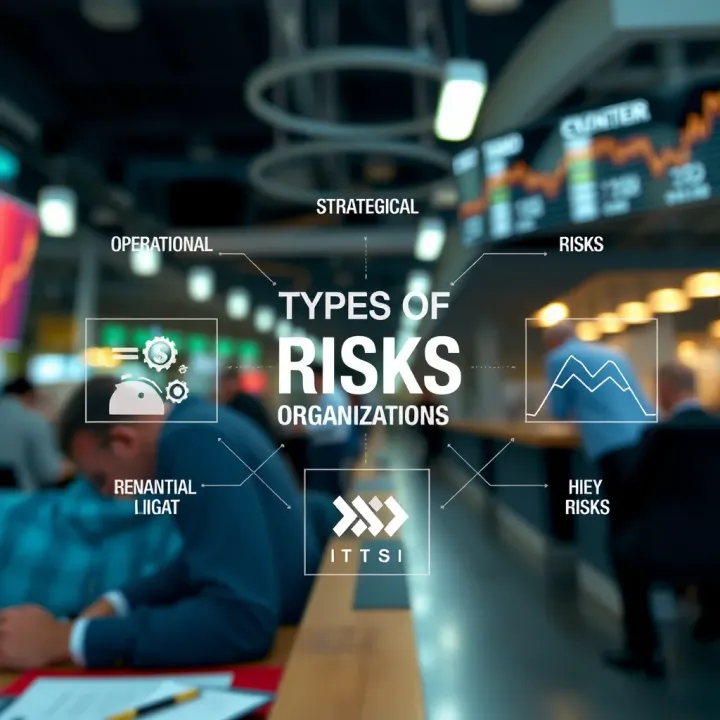
Effective risk management isn't about avoiding risks entirely but managing them smartly to minimise impact and seize opportunities.
Market Risk: Price swings in stocks, bonds, or commodities can affect investments. For instance, a South African exporter might face rand volatility that impacts profits.
Credit Risk: The chance that clients won't pay their debts. A retailer extending credit to customers needs to weigh this carefully.
Operational Risk: Failures in internal processes or technology, such as an IT system crash disrupting online sales platforms.
Compliance Risk: Failing to follow laws like the Financial Intelligence Centre Act (FICA) can lead to hefty penalties.
Strategic Risk: Poor decisions or shifts in the market that undermine business plans, like a competitor launching a better product.
Identify Risks: Think through what could possibly go wrong.
Assess Risks: Analyse the likelihood and potential damage.
Respond: Decide whether to avoid, reduce, share, or accept the risk.
Monitor and Review: Keep an eye on risks and update plans as circumstances change.
Taking a practical approach to these steps helps you stay ahead. For example, an investor might use stop-loss orders to reduce market risk or diversify portfolios across sectors common to the JSE.
Proper risk management is not just a bureaucratic exercise—it’s a practical tool that builds resilience. It helps protect your capital, reputation, and future growth prospects in a world full of uncertainties and surprises.
Risk management matters because it helps organisations foresee challenges, respond to uncertainties, and safeguard what they value most. For traders and investors, understanding risk management means protecting capital and avoiding unexpected losses. Entrepreneurs and analysts similarly benefit by reducing surprises that can impact profitability or strategic goals. At its heart, risk management aims to spot potential problems before they hit and to design practical ways of dealing with them.
Risk is simply the chance that something harmful or undesirable might happen. This could range from market fluctuations affecting share prices to unexpected operational breakdowns in a business. For example, a local retailer worried about loadshedding schedules might face stock spoilage risk due to power outages. Recognising these risks helps organisations prepare rather than react in panic.
Risk management involves identifying, analysing, and responding to these uncertainties in a structured way. It’s a continuous process, not a one-off task. This discipline integrates into daily decision-making, ensuring plans remain flexible and informed by the current environment. For instance, a forex trader might regularly assess geopolitical tensions influencing currency pairs to adjust strategies accordingly.
A primary goal is to guard an organisation’s physical, financial, and intellectual assets against loss or damage. This can mean instituting fraud checks, securing data against cyber threats, or maintaining equipment to prevent breakdowns. For example, a mining firm might invest in safety training and protective gear to reduce accident-related losses. Protecting these resources ensures longevity and continued operations.
Business continuity means keeping essential functions running even when setbacks occur. Consistent planning for disruptions like supply chain failures or power cuts can prevent financial disasters. Say a Johannesburg-based manufacturer develops a backup supplier network to avoid production halts during transport strikes—this kind of foresight keeps things ticking smoothly.
Accurate risk assessment feeds into smarter decisions by shedding light on potential consequences and trade-offs. When an investor understands risks attached to emerging markets, for instance, they can diversify portfolios to cushion losses. Similarly, a startup founder using risk data can choose which projects to back without gambling the whole business.
Sound risk management isn't just about preventing bad outcomes—it empowers organisations to take calculated risks with confidence, ultimately fuelling growth and resilience.
By weaving risk management into everyday practices, South African businesses can steer through uncertain waters with fewer shocks and stronger footing.
Understanding the different types of risks organisations face is fundamental to effective risk management. It allows traders, investors, brokers, analysts, and entrepreneurs to anticipate potential pitfalls, allocate resources wisely, and safeguard value in a dynamic business environment. Each type of risk demands tailored strategies, so recognising their nuances is essential.

Market volatility and credit risk can quickly impact an organisation's bottom line. Market volatility refers to the unpredictable fluctuations in asset prices, interest rates, or stock values—something traders and investors are all too familiar with. For example, a sharp swing in the JSE Top 40 index might erode portfolio values overnight, forcing quick decisions to manage exposure. Credit risk involves the chance that a borrower or counterparty fails to meet obligations, leading to financial losses. This is particularly relevant for brokers who advance credit or institutions extending loans: a client default can have ripple effects on liquidity and trust.
Currency and interest rate exposure present a different challenge, especially for companies engaged in imports, exports, or funding via foreign-denominated loans. Fluctuations in the rand’s exchange rate against major currencies like the US dollar can push costs up or down, affecting profit margins. Consider a Gauteng-based manufacturer who sources components from Europe; sudden rand weakness means paying more, squeezing margins if prices can’t be adjusted. Interest rate exposure matters when companies rely on variable-rate debt; an unexpected SARB hike to curb inflation can increase repayment obligations, impacting cash flow.
Process failures and system breakdowns can bring daily operations to a halt, costing time and money. For instance, a critical system failure in a brokerage's trading platform during peak market hours could prevent clients from executing trades, resulting in lost revenue and client complaints. In South Africa, power interruptions due to loadshedding add another layer to operational risks, requiring backup systems or load management plans.
Human error and fraud remain constant concerns despite technological advances. A simple mistake, such as entering wrong trade details or misreporting financial figures, can have serious consequences. Fraud, on the other hand, may involve deliberate deceit—from internal embezzlement to external cyberattacks—damaging not just finances but reputation. Businesses must implement solid internal controls, regular staff training, and robust cybersecurity to combat these risks.
Regulatory changes often catch organisations off guard, demanding swift adjustments. South African firms must navigate a complex web of laws like POPIA (Protection of Personal Information Act) and FICA (Financial Intelligence Centre Act). Non-compliance can result in hefty fines or operational restrictions. For example, a financial services provider failing to update its data handling processes after POPIA’s introduction risks penalties and loss of client trust.
Reputation and competitive risks relate to how changes in market dynamics or public perception can affect an organisation’s standing. A negative media story or failure to meet client expectations can deter investors or customers. Meanwhile, innovative competitors adopting new technologies or business models could outpace traditional players. Entrepreneurs should continuously monitor their market position and maintain open lines of communication with stakeholders to manage these risks effectively.
Organisations that understand and account for these diverse risks can preserve capital, maintain trust, and seize opportunities even in challenging conditions.
By grasping the specific characteristics of financial, operational, strategic, and compliance risks, stakeholders can make better-informed decisions and build resilience against shocks unique to South Africa and global markets alike.
Effective risk management depends on a clear, repeatable process. Organisations that follow core steps—from identifying to monitoring risks—stand better chances of spotting threats early and managing them wisely. This approach isn't just a box-ticking exercise; it helps save time, resources, and reputation. For example, a Gauteng-based fintech startup that fails to identify cybersecurity risks early might suffer severe financial loss or client trust erosion if a breach occurs.
Spotting risks early means knowing where trouble could come from. Techniques include brainstorming sessions with cross-functional teams, reviewing historical incident reports, and conducting interviews with frontline workers who often see warning signs first. Tools like SWOT analysis (Strengths, Weaknesses, Opportunities, Threats) also help uncover hidden vulnerabilities.
Regular risk assessments keep the organisation sharp. Risks evolve with market shifts, regulatory updates, and internal changes. For instance, the impact of loadshedding on a retailer changes as Eskom adjusts schedules; hence, periodic reviews ensure that mitigation plans stay relevant and effective.
Once risks show up, assessing their likelihood and potential impact is essential. This step gauges which risks might cause serious harm and how probable their occurrence is. Say a small manufacturing firm assesses a supply chain disruption; if the chance is low but the impact devastating, it still needs attention.
Prioritising risks helps allocate limited resources smartly. Greater attention goes to high-probability, high-impact risks, while less urgent risks might be monitored or accepted. This focus prevents organisations from spreading themselves too thin and missing critical dangers.
Mitigation strategies involve actions that reduce either the likelihood or the impact of risks. For example, a company facing currency fluctuations might use forward contracts to stabilise costs. Such measures lower exposure without necessarily eliminating risk entirely.
Sometimes, organisations choose risk acceptance when the cost of mitigation exceeds potential harm. Transferring risk via insurance or contracts also offloads responsibility. Avoidance means sidestepping the risk by changing plans or operations. Each option requires solid judgement and an understanding of trade-offs.
Tracking how well risk controls work keeps plans from going stale. Regular reviews detect weak spots or new threats early, enabling quick fixes. For instance, after introducing a data protection policy, an SA tech firm monitors for compliance gaps sure enough to avoid hefty POPIA fines.
Adjusting risk plans as conditions shift is vital. The business environment is dynamic; regulatory landscapes, market trends, or even internal restructuring demand updated risk responses. Remaining flexible helps organisations stay resilient amid unpredictability.
Consistent attention to these core steps in risk management forms a cycle of continuous improvement—building stronger defences and informed decision-making every time.
In short: identify risks early, assess and prioritise them sensibly, respond with appropriate action, then monitor and adjust continuously. This practical cycle anchors any effective risk management strategy and safeguards business success in South Africa’s unique market conditions.
Managing risk isn’t just a box-ticking exercise; it plays a vital role in keeping an organisation steady and thriving, especially in an environment as unpredictable as South Africa’s. When done well, risk management shields a company from financial shocks, operational hiccups, and reputational damage, ensuring long-term survival and profitability.
Safeguarding assets and reputation is about more than just protecting physical property or financial investments. It includes guarding the company’s good name, which can be its biggest asset. For example, a retail chain facing a data breach must act swiftly to secure customers’ personal info; any delay can lead to lost trust and significant customer churn. The ripple effect could mean dropping sales, legal battles, or tougher conditions for credit. That kind of damage is costly and hard to repair.
Improving stakeholder confidence goes hand-in-hand with protection. Investors, clients, and suppliers back organisations that show they can manage risks effectively. For instance, a construction firm that’s transparent about its safety protocols and risk mitigation strategies tends to attract better contracts and financial support. Stakeholders want to work with businesses that minimise surprises and handle setbacks responsibly. This confidence directly affects not only funding but partnerships and market positioning.
Reducing downtime and financial losses is critical, especially when disruptions can quickly snowball. A Gauteng-based manufacturer dependent on Eskom’s unreliable power supply needs a solid risk plan, perhaps including generators or solar backup, to avoid costly production halts. Every minute offline means lost revenue and potential penalties. Effective risk management helps organisations prepare for such interruptions, reducing the chance and length of downtime.
Supporting quicker recovery from setbacks ensures organisations bounce back faster after incidents like cyber-attacks, supply chain breakdowns, or sudden regulatory changes. For example, a Johannesburg tech startup hit by a cyberattack that has a tested response plan can resume services quicker, safeguarding client projects and business reputation. Quicker recovery also means less financial strain and maintains operational momentum.
Meeting legal and industry requirements is non-negotiable in a heavily regulated business landscape like South Africa’s. Compliance with legislation like the Protection of Personal Information Act (POPIA) or Financial Intelligence Centre Act (FICA) requires ongoing risk assessments and controls. Organisations avoiding these requirements risk business interruption or losing licences to operate.
Avoiding penalties and fines ties directly to compliance. SARS and various regulators impose hefty fines for breaches or non-compliance. In the financial services sector, for instance, failure to adhere to FSCA rules can result in substantial penalties plus reputational damage. Proper risk management identifies and mitigates these legal hazards before they escalate.
Well-structured risk management is not an overhead but a strategic tool that protects value, fosters resilience, and safeguards compliance — all essential in today’s volatile business world.
Ultimately, effective risk management helps organisations stay a step ahead, reduce surprises, and maintain steady growth even when the unexpected hits.
Risk management takes on a distinct character within South Africa, shaped by local economic, infrastructural, and regulatory realities. For traders, investors, and business owners, understanding these local factors is essential to safeguard investments and maintain operational continuity amid changing conditions.
South Africa's economy regularly encounters fluctuations driven by global commodity prices, investor sentiment, and domestic policy shifts. The rand’s value can swing significantly against major currencies, affecting import costs and export competitiveness. For example, a sudden weakening of the rand can increase the price of imported equipment or fuel, squeezing profit margins for businesses that rely heavily on these inputs.
This volatility demands active currency risk management, such as forward exchange contracts or natural hedging. Investors and brokers should monitor economic indicators closely, factoring in local inflation rates and SARB interest rate decisions to anticipate potential market shifts.
The unpredictable Eskom loadshedding schedule remains one of the biggest headaches for South African businesses. Frequent power outages disrupt production lines and IT systems, leading to downtime that can dent revenue and damage client relationships.
Companies often turn to backup generators or invest in solar power solutions to reduce reliance on the grid. Risk management involves not only mitigating the direct impact on operations but also planning for logistical delays and customer service interruptions tied to infrastructure failures.
The Protection of Personal Information Act (POPIA) imposes strict requirements on how businesses collect, process, and safeguard customer data. Similarly, the Financial Intelligence Centre Act (FICA) mandates thorough verification of client identities to combat money laundering.
Non-compliance can lead to hefty fines and irreparable reputational damage. Organisations need clear policies, staff training, and regular audits to ensure personal data and financial information are handled according to these laws.
Black Economic Empowerment (B-BBEE) remains a legal and strategic imperative. The codes impact procurement decisions, funding eligibility, and public sector contracts. Companies with strong B-BBEE compliance often enjoy easier access to business opportunities and government incentives.
Risk management here means ongoing monitoring of scorecards, implementing meaningful ownership and skills development initiatives, and ensuring transparent reporting. Failure to comply can limit growth prospects and alienate key stakeholders.
South Africa’s unique risks require tailored mitigation strategies. Awareness and proactive management give businesses better footing to thrive despite these challenges.
By integrating these local risk factors into broader risk management frameworks, South African companies can better navigate uncertainty while protecting their assets and reputation.
Explore how risk management helps spot threats, assess impact, and apply smart strategies to protect businesses. Learn key steps like monitoring & communication 📊🔍
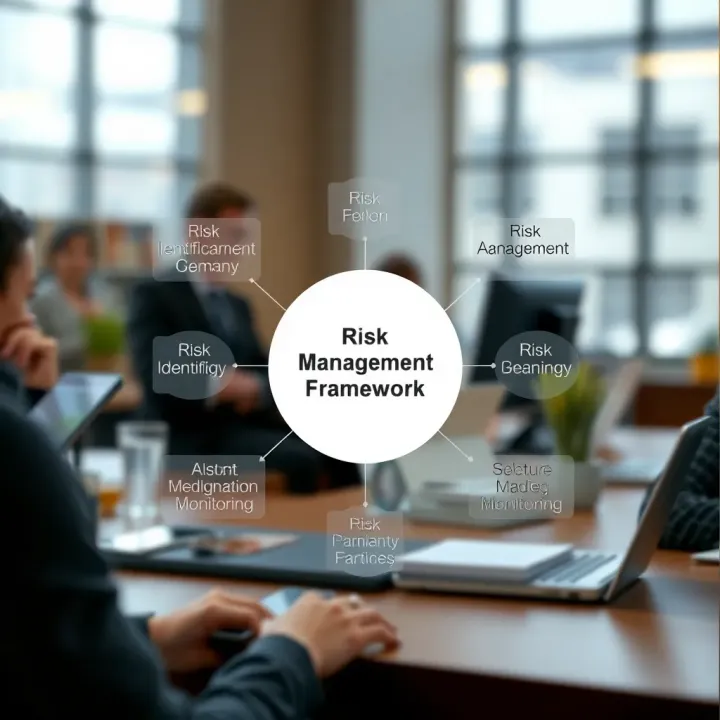
Explore key risk management frameworks ⚖️, their roles, components & how businesses in South Africa can pick the best fit to manage risks effectively.
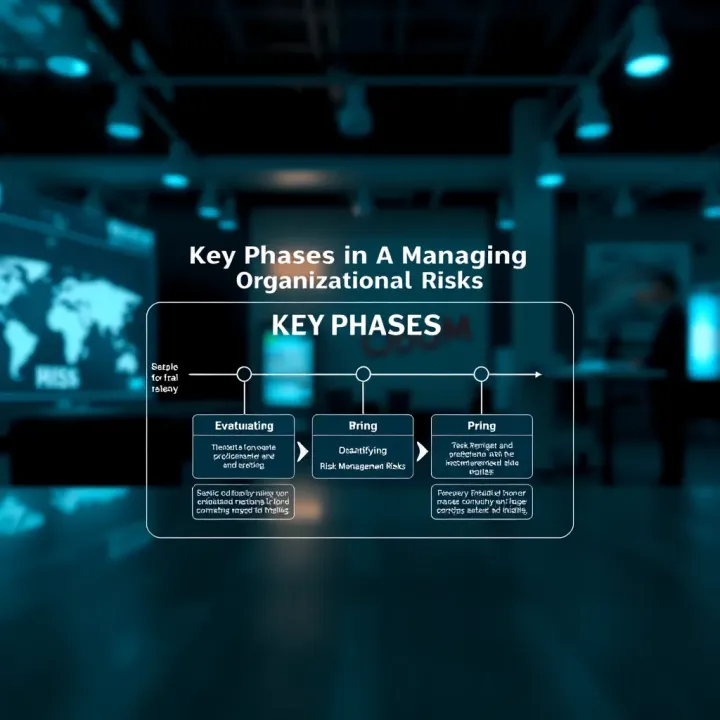
📊 Understand the risk management process step-by-step: identify, assess, treat, and monitor risks to make smarter business decisions and protect your projects.

Learn how to spot and manage risks in daily life and business with key strategies and practical tips. Master risk management for smarter decisions! ⚖️📊
Based on 11 reviews