
Understanding WWW Binary and Its Uses
Explore www binary basics and practical applications in web tech 🌐. Learn its impact on users and developers, simplifying the digital binary world.
Edited By
Isabella Foster
Binary signal apps have become increasingly popular among traders interested in binary options. These apps provide users with trading signals—essentially tips or alerts—indicating when to buy or sell certain assets. The goal is to guide decisions in financial markets by predicting market movements in a straightforward yes-or-no format.
At their core, binary signal apps analyse market data using algorithms, technical indicators, or expert input to generate signals. For example, an app might flag that the price of gold is likely to rise in the next 15 minutes, suggesting a 'call' option, or indicate a probable drop, suggesting a 'put' option.
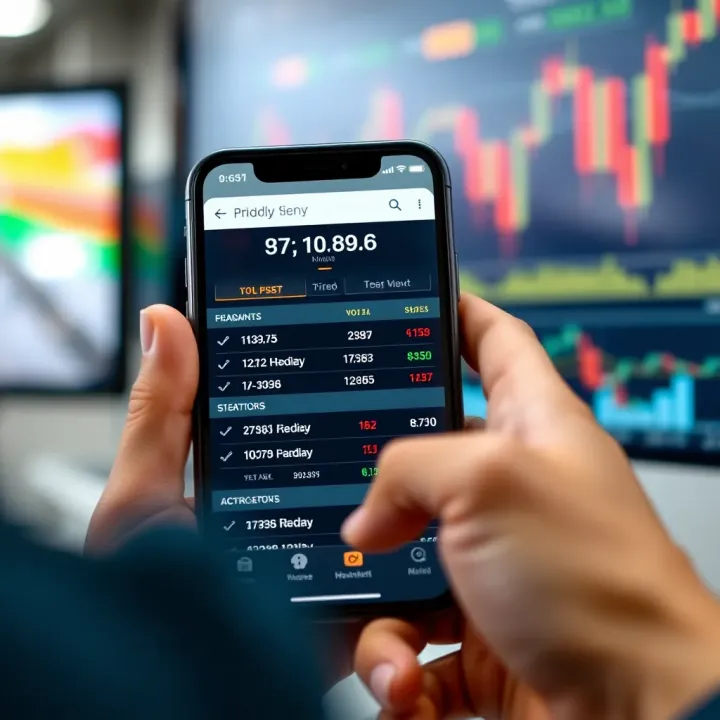
South African traders, who often face the challenge of high data costs and intermittent power supply due to loadshedding, find these apps useful because they deliver concise, actionable information without needing to monitor complex charts constantly. However, it’s key to understand that these apps do not guarantee profits—they’re tools to support decision-making, not crystal balls.
Binary options trading itself means betting on whether the price of an asset will be above or below a certain level at a future time, with fixed payouts for correct predictions. Signals help identify promising trades, but the onus remains on the trader to manage risk.
It’s wise to treat binary signal apps as one part of your trading toolkit. Their effectiveness depends on the quality of data they use, the reliability of their signal algorithms, and how you combine signals with your own analysis.
Common features you’ll find in binary signal apps include real-time notifications, historical signal performance charts, asset coverage (stocks, currencies, commodities), and risk warnings. Some apps also integrate social trading elements, allowing users to follow experienced traders’ signals.
Ultimately, understanding how these apps work and recognising their limitations helps prevent pitfalls such as blind reliance on signals, falling for scams, or overtrading. South African traders should look for apps with transparent track records and ensure compliance with local financial regulations where applicable.
This article will break down the main features of binary signal apps, practical uses for traders, and the risks involved so you can make informed choices if you decide to include these tools in your trading strategy.
A binary signal app serves as a tool designed to offer traders alerts or recommendations based on market data, aiming to improve binary options trading decisions. In essence, these apps scan market conditions and deliver signals that suggest specific trades, helping traders act quicker and with more confidence. For South African traders navigating volatile markets, such apps can shave valuable seconds off their decision-making process.
Binary trading signals provide clear indications of when to buy or sell a particular asset, like shares or currency pairs, in a binary options trade. The core purpose is to help traders avoid guessing and instead use data-driven prompts to enter or exit trades.
These signals usually come as simple calls: for example, "Call" meaning buy, or "Put" meaning sell, based on analysing price trends, volume changes, or technical indicators. A trader receiving a "Call" on the USD/ZAR pair might act fast to buy, expecting the rand to weaken against the dollar.
When a signal pops up, traders can quickly decide whether to follow it or not based on their strategy. While some might take every signal as a prompt to trade, others weigh the signal against their market knowledge.
For example, if three signals point to a "Call" on oil prices within a short span, a trader might consider this stronger confirmation to act. But if the trader is aware of upcoming geopolitical events that could disrupt prices, they might hold back despite the signals, blending app alerts with personal insight.
Most binary signal apps connect directly with popular trading platforms used in South Africa, like those from international brokers offering services locally. This integration allows signals to sync with a trader's platform in real-time, enabling rapid execution without switching between multiple applications.
For instance, a signal app might alert you about a trade, and with a few taps within the app or platform, you place the trade immediately, reducing delays and missed opportunities. This is particularly useful when market prices change by the second.
Speed is key in binary options trading. Signal apps employ push notifications, SMS, or in-app alerts to notify traders instantly upon signal generation. This immediate alert system helps traders avoid missing out on short-lived market openings.
Imagine a trader commuting or away from their screen. An app that sends instant notifications ensures they can respond from their mobile device, important for South Africans juggling busy schedules or working with limited internet.
Signal apps may offer varied signals including:
Directional signals: Tell you whether to 'Call' (buy) or 'Put' (sell).
Expiry time recommendations: Suggest how long your trade should run before closing.
Asset-specific alerts: Focus on currency pairs, commodities like gold and oil, or indices.

These types help traders tailor their decisions more precisely. For example, knowing the suggested expiry time can prevent holding positions too long or closing them prematurely, both of which can impact profitability.
When used wisely, binary signal apps can greatly support trading decisions, but they work best when combined with your own market knowledge and risk management.
When choosing a binary signal app, certain features can dramatically affect your trading success and overall experience. Picking the right app goes beyond just having access to signals; it’s about how the app fits your specific trading style and needs. Especially in South Africa, where connectivity and broker compatibility matter, these features can decide whether your trades go smoothly or turn into a mess.
Ease of use is fundamental. A straightforward, clean app layout lets traders—novices and experts alike—navigate quickly without getting bogged down by unnecessary clutter. Imagine getting a high-potential trade signal but having to wade through confusing menus or poorly labelled buttons to act on it—by the time you figure it out, the opportunity’s gone. Apps that keep the interface simple and intuitive allow quicker decision-making, which in binary trading can be the difference between profit and loss.
Customisable alerts help tailor the app’s output to your trading habits. Not everyone trades the same instruments or prefers the same signal frequency. For example, a day trader might want alerts for short-term trades every few minutes, while a conservative trader may prefer fewer alerts focusing on longer expiry times. Being able to adjust notification types, timing, and thresholds helps prevent missed signals or being overwhelmed by noise. The best apps offer alerts through push notifications or SMS, so you stay informed, even when offline or trading on the move.
Signal success rates reflect how often the app's trading suggestions result in profitable trades. While no app can guarantee wins, those with a consistent track record above 70% success tend to be more reliable. Look for apps that transparently share their performance stats, ideally audited or verified by third parties. This transparency helps you avoid hidden traps, like exaggerated claims or cherry-picked winning trades.
Updates and support matter for staying current with market trends and technology. A signal app that receives regular algorithm improvements adapts better to fluctuating markets. Plus, responsive customer support can be a lifesaver when technical glitches arise or you need help setting up features. In South Africa, where traders sometimes encounter intermittent data connections or platform issues, having a support team ready to assist ensures you’re never left in the dark.
Mobile and desktop versions give flexibility on how and where you trade. South African traders often rely on mobile connections that can be patchy, so apps optimised for low data use and quick loading times win favour. A desktop version is helpful for detailed analysis and placing trades during more settled market hours. Having both options means you can move from home to on-the-go trading without missing signals.
Integration with South African brokers is vital for smooth trade execution. Some binary signal apps tie in directly with local brokers like IG South Africa or Tradex, allowing you to act on signals within the same platform, cutting down delays. If the app can’t connect seamlessly with your chosen broker, you risk missing the trade window. Always check if your broker supports the app or whether third-party integrations are available before committing.
Choosing a binary signal app with these core features can help South African traders make smarter, faster decisions, improving their chances in the fast-moving world of binary options trading.
Binary signal apps have become popular tools among traders, offering a mix of practical benefits and clear risks. For those involved in binary options trading, especially in South Africa where access to timely market information can be crucial, understanding these pros and cons is essential before relying on such technology.
Speed and convenience play a big role in the appeal of binary signal apps. These apps deliver trading signals directly to your mobile or desktop, often in real time. Take a busy Johannesburg trader who can’t sit in front of a computer all day; receiving quick alerts lets them react instantly to market moves. This kind of rapid access can make a notable difference when markets shift suddenly, allowing trades to be executed without delay.
Another practical edge is how these apps assist decision-making processes. Binary options trading involves making rapid choices under pressure, and signals provide guidance that can clarify the noise of fluctuating prices. For example, an app alert might suggest a "call" or "put" option based on market trends, helping a trader weigh up their next move. While signals should never replace personal judgement, they can supplement analysis, especially for those still building confidence or lacking extensive market experience.
One major risk is the potential for misleading signals. Not all apps provide accurate or reliable guidance — some may use outdated data or simplistic algorithms. Imagine relying on a signal that predicts a rise in a currency’s value, only to see it drop moments later. This could lead to losses and frustration. It’s crucial to choose apps with a proven track record and transparency about how their signals are generated.
Dependence on app accuracy is another concern. Over-reliance on automated signals can blind traders to broader market factors like economic news, political changes, or local events that impact prices. For example, Eskom load shedding announcements might affect market behaviour but go unreflected in app signals. Traders must balance app insights with personal research to avoid pitfalls.
Regulatory considerations in South Africa also deserve attention. The binary options sector has faced scrutiny due to scams and unregulated operators. The Financial Sector Conduct Authority (FSCA) warns consumers to be cautious and only use signal apps linked to licensed brokers. Using unregulated platforms risks exposure to fraud or data misuse, which is a serious threat in the local context where digital security concerns are rising.
Choosing a binary signal app involves weighing convenience and market insight against risks like inaccurate alerts and regulatory issues. Always stay alert and do due diligence.
By understanding these benefits and challenges clearly, South African traders can make informed decisions about using binary signal apps to support their trading strategies.
Selecting the right binary signal app can make a significant difference in your trading success. Given the number of options available on the market, especially for South African traders, it's essential to focus on reliability and security rather than just flashy features. A trustworthy app helps you make informed decisions without exposing your data or finances to unnecessary risks.
One of the first things to check is the app's track record. Look for evidence of consistent performance over time — not just a few lucky trades. This can often be found in user reviews and testimonials. For example, if a signal provider claims a 90% success rate but has mostly negative feedback, that’s a clear red flag. Reliable providers often have third-party verification or archived past performance data that you can cross-check.
Reviews on forums or trading communities specific to South Africa or global platforms such as MyBroadband can help gauge which apps consistently deliver on their promises. Poor reviews may highlight issues like delayed alerts or inaccurate signals, which can severely impact your trading outcomes.
A solid signal app usually explains how it generates its signals. Does it use technical analysis, artificial intelligence, or a team of experienced analysts? Transparency here matters because it lets you understand the logic behind the signals rather than blindly following alerts.
For instance, some apps might blend moving averages and RSI (Relative Strength Index) to suggest trades; others might rely on news feeds or volatility metrics. If the methodology feels like a black box or the provider gives vague or no explanation, be cautious. Transparency also reflects confidence in their system and respect for you as a trader.
Data security is a top priority, particularly when apps need access to your mobile or desktop device and potentially link to your trading accounts. The best binary signal apps have robust encryption protocols and clear privacy policies outlining how your data is handled.
For South African users, considering POPIA (Protection of Personal Information Act) compliance is important. Apps that don’t adhere to these legal requirements might expose you to breaches or misuse of your personal information. Always check if the app requests unnecessarily intrusive permissions, such as full access to your contact list or media files, which isn’t relevant to trading signals.
Binary options trading is regulated differently worldwide, and South Africa’s FSCA (Financial Sector Conduct Authority) keeps a close eye on financial product providers. Using an app that complies with local financial rules reduces your risk of falling prey to scams or illegal operators.
An app linked or recommended by brokers registered with the FSCA is generally more trustworthy. Some apps also display regulatory certifications or licences prominently. Avoid apps that make unrealistic promises of guaranteed profits or pressure you into quick decisions, as these often operate outside regulatory frameworks.
In trading, the right tools can help, but only if they’re trustworthy and secure. Don’t just chase quick wins — investing time in choosing a reliable binary signal app could save you money and headaches down the line.
Using binary signal apps without a solid strategy can feel like betting on the horses in the dark. These apps can offer useful alerts, but they’re not foolproof or all-knowing. This section shares practical tips to help you avoid major pitfalls, manage your money wisely, and stay alert for scams — especially important given the popularity of these apps among traders in South Africa.
Avoid relying solely on signals: Binary signal apps provide recommendations based on algorithms, market data, or experts’ opinions, but no signal is guaranteed. It’s like relying on a weather forecast without checking the sky yourself. Signals typically don’t account for sudden political shifts, unexpected economic announcements, or unique events that can affect markets quickly. For example, during Eskom loadshedding cycles, commodity prices can shift unpredictably, and signals may lag.
Traders who depend entirely on signals risk heavy losses if those signals turn out wrong. Blindly trusting an app could erode your capital fast — which is why you must always do your own homework. Look at current market trends, news from the JSE, or changes in currency value before making a trade decision.
Use signals as part of broader strategy: Consider binary signals as just one ingredient in your trading recipe. They can form a starting point, prompting you to dig deeper rather than placing trades straight away. Combining signals with fundamental analysis—like company earnings or SARB policy announcements—and technical indicators like moving averages improves your chances of success.
For instance, if a signal suggests buying a call option on Sasol shares, check whether local fuel price changes or refinery shutdowns support this move. Using several data points keeps your approach grounded and bolsters risk management.
Setting limits: Trading binary options can be tempting to chase quick wins, especially when signals seem promising. However, setting clear financial and time limits protects your wallet from spiralling losses. Decide upfront how much capital you are willing to risk daily or weekly and stick to it.
For example, limit daily exposure to R2,000 and don’t go back in to recover losses — this avoids emotional decisions that often cause harm. Many successful South African traders use stop-loss rules, ensuring their potential loss never exceeds a small percentage of their total portfolio.
Recognising signs of scams: Sadly, the popularity of binary signal apps attracts dishonest operators. Be on the lookout for apps promising guaranteed returns, pushing large upfront deposits, or pressuring you to recruit others. Also, watch out for apps lacking transparency about how their signals are generated or those with poor customer reviews on forums like MyBroadband.
A red flag is when an app demands personal banking details without clear data protection policies compliant with the Protection of Personal Information Act (POPIA). Never hand over credentials if you feel uneasy, and always verify whether the company is registered with the Financial Sector Conduct Authority (FSCA) in South Africa.
Trust is earned, not promised. Always approach binary signal apps with a healthy dose of scepticism and backing by your own knowledge.
Following these tips helps you take advantage of binary signal apps without falling foul of common traps. Combining signals wisely and managing risk firmly can improve your trading results and protect you from potential losses or scams.
Explore www binary basics and practical applications in web tech 🌐. Learn its impact on users and developers, simplifying the digital binary world.

Discover how binary masks work 🖼️, their role in filtering and image analysis, plus practical ways to build and apply them in computer vision projects.

📊 Learn how binary numbers function and their vital role in computing and digital communication. Understand conversions, operations, and practical tech uses clearly.
🖥️ Learn how the binary number system drives everyday tech in South Africa, from computers to mobile devices, with clear terms and practical examples. 💡
Based on 7 reviews