
Understanding WWW Binary and Its Uses
Explore www binary basics and practical applications in web tech 🌐. Learn its impact on users and developers, simplifying the digital binary world.
Edited By
Charlotte Webb
Binary clocks offer a fascinating twist on telling time, especially for those who appreciate technology and precision. Unlike traditional clocks with hands or digits, binary clocks display time using a series of lights or indicators that represent binary code. Traders, investors, and analysts often admire binary clocks for their clean design and the mental engagement involved in reading them.
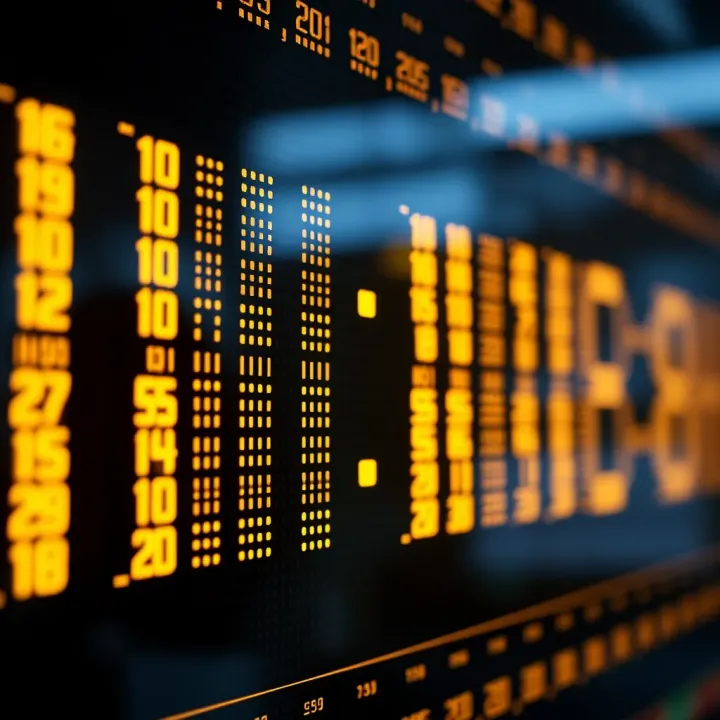
At its core, a binary clock breaks down hours, minutes, and seconds into binary numbers — a base-2 numeral system using only 0s and 1s. For example, the number 13 in binary is 1101, which corresponds to four binary digits or bits. Each bit is represented by a light or indicator: if the bit is 1, the light is on; if 0, it's off. Reading a binary clock is about interpreting these illuminated bits for each segment of time.
There are two main types of binary clocks commonly seen:
Binary-coded decimal (BCD) clocks: These split each component of time (hours, minutes, seconds) into decimal digits and then represent those digits in binary. For instance, the hour '12' will be shown by two sets of binary lights — one for '1' and one for '2'.
Pure binary clocks: These represent the entire time number as a single binary value. This style is less common but appeals to enthusiasts who like a compact, efficient design.
Binary clocks aren't just novelties; they challenge conventional timekeeping and encourage users to understand the basics of binary math — a key technology underpinning all modern electronics.
In practical terms, binary clocks provide a stylish, tech-savvy alternative for your desk or office. Some designs integrate LED lights powered via USB or batteries, making them portable and energy-efficient. They're also conversation starters and clever gifts for people interested in coding, engineering, or finance.
For those thinking about buying or building one, it's worthwhile to start with a basic BCD model. It’s easier to read and offers a smooth introduction to binary timekeeping. Plus, many affordable kits and ready-made options are available locally and internationally. Understanding how binary clocks work can deepen your appreciation for digital logic — a field closely tied to the trading algorithms and data models you engage with daily.
In the following sections, we'll explore the practical uses of binary clocks in different contexts and provide hands-on tips for enthusiasts keen on creating their own timepieces.
Binary clocks offer a distinctive way of telling time by using the binary number system instead of the usual decimal format. Unlike traditional clocks with hands or digits, these clocks represent time through a series of lights or displays, each corresponding to a binary digit, or bit. This approach isn’t just a tech curiosity; it resonates particularly well with people in technology and finance sectors who appreciate precision and logical structure. For traders and analysts, for example, understanding binary clocks can be more than a novelty—it can enhance digital literacy and even fuel interest in coding or data representation.
Binary clocks translate familiar time into an unconventional format, making you think differently about everyday data.
Binary numbers use only two digits: 0 and 1. Each digit is called a bit, representing a power of two based on its position. Think of bits as the building blocks for all digital information, including how computers process numbers. Practical relevance lies in their simplicity; all electronic devices, including your smartphone or trading platform, operate using these bits.
For instance, the binary number 1011 translates to (1×8) + (0×4) + (1×2) + (1×1) = 11 in decimal. This basic principle applies directly in binary clocks, where bits illuminate or stay off to indicate numbers.
Time, as we use it daily, runs in decimal: 60 seconds, 60 minutes, 24 hours. Binary clocks convert each segment of time—hours, minutes, seconds—into binary numbers. While the decimal system operates on a base 10, binary uses base 2, so each decimal digit corresponds to a specific binary sequence.
Understanding this link is essential. For example, if the current minute is 45, the binary equivalent would be 101101, representing the sum of 32 + 8 + 4 + 1. This dual system helps bridge traditional timekeeping with digital representation.
Each part of the time—hours, minutes, seconds—is converted separately into binary. Typically, hours range from 0 to 23 in a 24-hour clock, so they need five binary digits (bits) to cover all possibilities. Minutes and seconds require six bits each, since they range from 0 to 59.
For example, 13:27:45 would be split into binary as:
Hours: 13 → 01101
Minutes: 27 → 011011
Seconds: 45 → 101101
This clear division assists in creating precise binary clocks without confusion.
Binary clocks often use LED lights arranged in rows or columns to represent the bits of hours, minutes, and seconds. One common format displays each time part vertically, with the bottom light representing the least significant bit (1) and the top light the most significant bit (e.g., 32 for minutes).
Another style uses horizontal rows where each row corresponds to a particular unit of time. Recognising the pattern and position of lit bits allows users to quickly interpret the time. Some models combine this with decimal digit overlays to aid understanding.
In practice, these formats offer a visually engaging way to track time, and once you’re familiar with the layout, reading a binary clock becomes as natural as glancing at a normal digital display.
Binary clocks come in various types, each offering unique advantages and experiences. Understanding these differences is vital for traders, investors, and entrepreneurs who might appreciate both the technical ingenuity and design aesthetics behind these timepieces. Whether you are looking at them as conversation starters or educational tools, knowing the key features of each type helps in making informed choices.
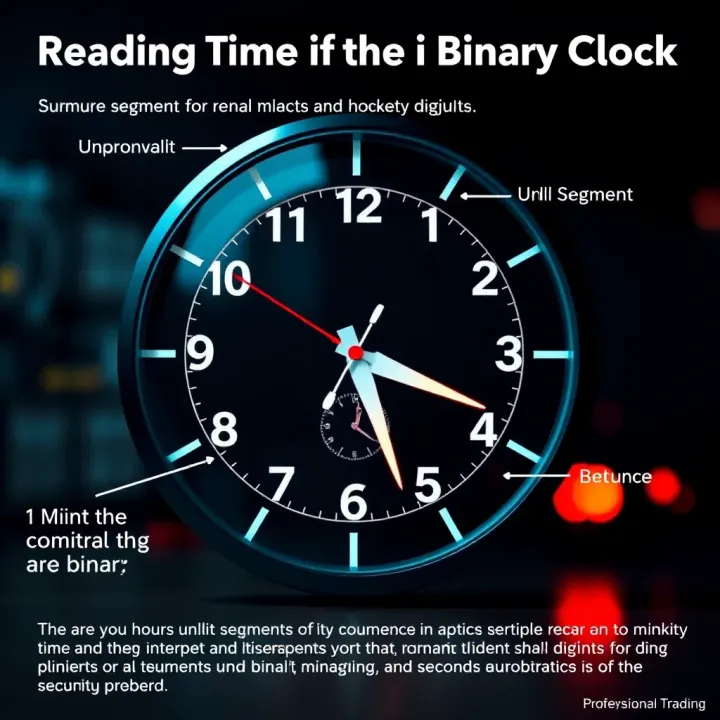
LED binary clocks are the most common and widely accessible type. They use light-emitting diodes (LEDs) arranged in rows or columns to represent binary digits for hours, minutes, and sometimes seconds. Each LED corresponds to a bit—if lit, that bit is 1; if off, it is 0. This design is practical because it provides clear, immediate visual feedback that is relatively easy to read once you understand the binary system. Their compact size and low power consumption make them suitable for office desks or industrial environments where clarity and durability are required.
Among popular LED binary clocks, the 'Tix' and 'Binary Watch' series stand out. The Tix, for instance, features an elegant glass display with vertical LED strips and is popular among tech enthusiasts. Another example is the ThinkGeek binary clocks, which combine retro and modern looks at accessible prices. In South Africa, these models often appear in tech stores or online platforms like Takealot, offering affordable options that make binary timekeeping approachable.
Mechanical binary clocks rely on moving parts instead of electronic displays. They represent binary numbers through gears, wheels, or rotating discs that align to indicate time in binary. Unlike digital LED clocks, their functioning is purely mechanical, often involving intricate craftsmanship. This variation appeals to collectors and those fascinated by engineering, as it translates binary timekeeping into a physical, tactile experience rather than an electronic one.
One standout example is the 'Binary Gear Clock,' which uses sets of rotating discs with marked sections to represent binary digits visually. Another is the 'Gearbox Binary Clock,' where cogs rotate synchronously to show the time in a binary format. These clocks are usually pricier and less common but serve as impressive centrepieces that combine art and technology, making them suitable for executives or investors who appreciate functional art.
Digital technology has made binary clocks highly accessible through software applications and mobile apps. These programs display the time digitally in binary on smartphones, tablets, or computer screens. They are helpful tools for traders and analysts who might use them as screensavers or widgets, adding a tech-savvy feel to their work environment without needing special hardware.
The user interfaces of these apps typically allow customization—such as changing colour schemes, binary formats (row vs column), and including seconds or date displays. Some apps offer educational features, providing tooltips or quizzes to help users learn to read binary time quickly. This adaptability makes software binary clocks suitable for users with varying levels of familiarity with binary systems, combining convenience with learning.
Binary clocks, whether LED, mechanical, or software-based, offer more than just timekeeping. They reflect a blend of technology, design, and culture that resonates strongly with those who value precision and innovation in their daily lives.
Understanding how to read and interpret binary clocks is essential for anyone interested in this unique timekeeping method. Unlike traditional clocks, binary clocks present time through a series of lights or indicators representing binary numbers, requiring a bit of calculation to decipher the exact hour, minute, or second. Mastering this skill offers not only functional benefits but can also deepen your appreciation for binary systems used in computing and technology.
Most binary clocks display time using either columns or rows of LEDs, with each representing a set of binary digits (bits). Usually, the clock breaks down into three sections: hours, minutes, and sometimes seconds. Each section is divided into bits that correspond to the binary form of that unit of time. For example, one common layout has six columns, where the first two stand for hours, the next two for minutes, and the last two for seconds.
It's important to identify which columns correspond to which time unit because misreading these flips the whole time calculation. If you know the exact layout, it becomes much easier to convert the binary signals into a familiar time format.
Once you’ve identified the columns or rows, reading time involves converting the lit LEDs from binary to decimal. Each lit light represents a '1', and each unlit represents ‘0’. For example, if the hour column shows lights lit on bits 4, 2, and 1, that's 4 + 2 + 1, adding up to 7 hours. Repeat this for the minutes and seconds.
This method requires some quick binary math, but with practice, it becomes almost automatic. It’s the equivalent of adding up different denominators on a calculator but with a visual twist. The benefit? You gain a unique insight into binary numeral systems and how computers 'think'.
One common pitfall when reading binary clocks is overlooking leading zeros. In binary, values often include bits with a value of zero on the left side of a number — these are necessary to maintain correct position and time accuracy. For instance, if the minute’s binary representation is ‘000011’, it’s still valid and reads as 3 minutes.
Ignoring these zeros can lead to incorrect reading, so it’s best to count all bits within each section, even if some lights aren’t lit. Practise helps; try reading different binary times aloud to get used to including those zeros.
Some clocks or software blend binary time with binary date displays, which can be confusing. Binary date formats might represent day, month, or year, often arranged similarly to time. If you mix these up, you’ll misinterpret the displayed numbers significantly.
Always confirm whether you’re reading time or date — careful labelling or familiarity with the device helps. For traders or analysts working with tech devices or apps, distinguishing these ensures no mix-up of critical data when checking the clock or timestamp.
Reading a binary clock is both a practical skill and a brain workout. With some practice and attention to detail—like understanding bit placement and recognising leading zeros—you’ll find reading these clocks is straightforward and rewarding.
Binary clocks attract a niche but passionate audience who appreciate their unique blend of design, technology, and educational value. Their appeal goes beyond telling the time — they serve as conversation starters, teaching aids, and stylish accessories. For anyone interested in tech, coding, or just a creative alternative to standard clocks, binary clocks offer both aesthetic charm and intellectual engagement.
Many choose binary clocks because of their modern, minimalist look. Unlike traditional analogue or digital clocks, binary clocks show time using patterns of lit LEDs or digital displays arranged in binary form. This creates a sleek, almost futuristic vibe, often fitting perfectly in trendy offices, tech hubs, or stylish homes. Their abstract appearance sparks curiosity and often doubles as a piece of art, enhancing a space without shouting for attention.
The visual layout typically features columns or rows of lights representing hours, minutes, and seconds. For example, a popular model might show time with blue LEDs arranged neatly on a black panel. This contrast not only makes reading time a fun challenge but also adds a crisp, tech-savvy touch to the environment. It’s this balance of form and function that keeps enthusiasts coming back.
Binary clocks naturally appeal to those fascinated by computer science and coding. Since binary numbering forms the foundation of most digital technology, many view these clocks as tangible representations of abstract concepts. They are often prized by software developers, engineers, and STEM students who enjoy seeing binary logic applied in daily life.
Engaging with a binary clock sharpens logical thinking and helps improve understanding of data representation in computers. For instance, a software analyst might keep one on their desk as a subtle reminder of their work’s underpinnings. Beyond desktop décor, they can also spark discussions about programming languages, algorithms, or digital logic, linking the simple task of reading time to broader technical concepts.
Binary clocks can be effective teaching tools in classrooms or workshops focused on computer literacy and mathematics. They provide a hands-on approach to learning binary numbers — a topic that often feels abstract and intimidating. Educators use these clocks to demonstrate how binary digits map to decimal numbers, offering a fresh way to explain place value and basic conversion techniques.
For example, a high school maths teacher might introduce a binary clock during lessons on number systems, letting learners practise reading time in binary as an exercise. This practical engagement helps demystify binary and shows how it’s relevant, reinforcing lessons with an interactive twist. Such applications extend to coding bootcamps and STEM outreach programmes aimed at sparking interest among learners.
While they look cool and serve educational purposes, binary clocks aren’t the easiest for everyday use. Reading time requires a moment of calculation or pattern recognition, which can frustrate those needing quick, straightforward info. This makes them less suited to high-pace environments like busy trading floors or hectic workplaces where seconds count.
In addition, most binary clocks do not display time with the same immediate clarity as analogue or digital clocks. Their novelty can quickly wear off, and for people unfamiliar with binary, the learning curve acts as a barrier. Hence, binary clocks tend to remain niche items — valued more for their design and tech appeal than as practical, primary timekeepers.
Choosing whether to build or buy a binary clock depends largely on your interest in the technology behind it and practical needs. For traders, entrepreneurs, and investors who appreciate precision and unique design, owning a binary clock can offer both aesthetic satisfaction and a conversation starter. Building one from scratch also deepens your understanding of binary systems and electronics, a bonus for anyone intrigued by coding or digital logic.
Locally, affordable binary clocks are becoming more accessible through specialised tech stores and online platforms like Takealot. These entry-level models often feature LED displays with simple binary columns for hours and minutes. Priced around R500 to R1,500, they offer a practical way to own a binary clock without breaking the bank. For South African users, it's essential to check power compatibility and warranty coverage, especially given occasional load-shedding which can impact electronic devices.
On the other end, high-end binary clocks cater to collectors and tech aficionados looking for unique mechanical or designer variations. These can range from handcrafted wooden cases with classic binary dials to limited-edition models that include advanced functions like Bluetooth connectivity or smart integration. Prices for such pieces can climb beyond R10,000, reflecting their craftsmanship and rarity. Importantly, these serve not just as timekeepers but as art pieces, often appreciated for the blend of technology and traditional design they showcase.
Building your own binary clock typically requires a microcontroller like an Arduino or Raspberry Pi, LEDs for the binary display, resistors, a power source, and basic wiring. Depending on design, you might also want additional features like buttons for setting time or a casing that suits your style and workspace. Sourcing these components locally is usually straightforward, with electronics suppliers in major centres like Johannesburg and Cape Town stocking what you need.
The assembly starts by programming the microcontroller to convert conventional time into binary code displayed on the LEDs. Wiring involves creating columns or rows that represent hours, minutes, and sometimes seconds, with each LED corresponding to a binary digit. After testing your connections and code, you mount everything in a protective case. This hands-on approach is a rewarding educational experience and results in a customised device that can be upgraded or repaired easily.
Whether you choose to buy or build, engaging with binary clocks connects you with a fascinating intersection of timekeeping and digital technology. It's not just about telling the time – it’s about embracing a clever, stylish way to read it.
Explore www binary basics and practical applications in web tech 🌐. Learn its impact on users and developers, simplifying the digital binary world.

Explore YouMoney Binary: understand features, risks & tips for South African users. Learn about regulation, benefits, and how it compares to other platforms 📊💡

🔢 Discover how 'Hello World' translates into binary! Learn ASCII basics, character conversion, and why this phrase is a programming favourite. 💻

Explore how the gender binary shapes identity and society, challenges it faces, and fresh views on gender diversity in South Africa and beyond 🌍⚧️
Based on 15 reviews