

Forex Trading Hours and Their Effect on Market Activity
Discover how forex trading hours affect currency volatility and liquidity for South African traders 📈⏰. Learn the best times to trade and tips for smarter decisions.
Edited By
Oliver Kensington
The busy corner in Athlone acts as a key hub for both traders and local residents. Businesses here keep hours that mostly reflect the rhythms of the community and the steady flow of commuters using nearby transport links.
Shops typically start opening around 7:30 am, catering to early risers grabbing essentials before heading to work. Small spaza shops, fruit vendors, and a few fast-food outlets like local takeaway spots open their doors early to serve the morning rush.
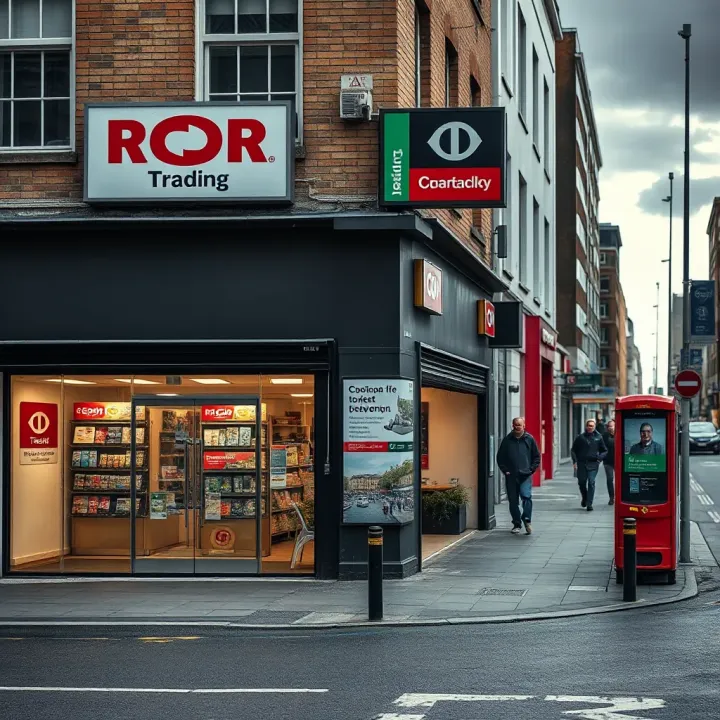
Trading activity peaks sharply between 12 pm and 2 pm when workers and students come through to buy lunch or run errands. This window sees the highest foot traffic and busiest tills, especially at the well-known corner grocer and the cash loans businesses.
Later in the afternoon, the hours gradually wind down. Most formal retailers close shop by 5:30 pm, while informal traders and food stalls often keep going until around 7 pm to catch the post-work crowd.
This staggered trading schedule meshes well with the public transport system around the corner, including several minibus taxi routes and bus stops. These links ensure steady customer flow throughout the day and help explain the early starts and the lunchtime rush.
Traders and entrepreneurs benefit from managing their opening hours to align closely with commuter patterns and local demand peaks.
Safety considerations have led some shops to close earlier than a few years ago, especially given the corner’s busy nature and variable lighting after dark. Local municipalities have also imposed by-laws affecting trading hours to maintain order and public safety.
In short, the trading hours at Athlone’s busy corner reflect a pragmatic balance—businesses open early enough to capture the morning crowd, swing into a lunch peak, and then taper off as the evening settles in. This creates a lively commercial pulse that supports the community while adjusting to practicalities of security and transport.
Understanding this pattern offers traders and investors useful insights into when to focus resources for maximum impact and how the corner’s activity shapes the local economic landscape.
The busy corner in Athlone sits at a strategic crossroads that connects several key residential areas to larger commercial hubs in Cape Town. Positioned on the junction of Voortrekker Road and a major local road, it acts as both a meeting point and transit spot for thousands daily. This location makes it more than just a spot to shop; it functions as an informal community centre where residents congregate, catch up on news, and access essential services without travelling far.
The significance extends beyond geography too. This corner helps support local economies by offering employment opportunities and fostering small business growth. Traders and entrepreneurs recognise the value of foot traffic here, which sustains a variety of businesses ranging from street vendors to established retail outlets. This vibrant interaction between commerce and community gives the area a unique character compared to quieter suburbs.
The mix of businesses around the busy corner reflects the diverse needs of Athlone's population. Retail shops dominate the landscape, including convenience stores, clothing outlets, and small hardware shops. These shops cater to day-to-day demands such as groceries, household goods, and school supplies.
Pharmacies and medical services also have a noticeable presence, responding to the healthcare requirements of locals. Some clinics and dispensaries open early and stay open late, offering convenience for shift workers and families alike. Food outlets range from quick takeaways selling samosas and vetkoek to small cafes serving affordable meals. These eateries tend to boom during lunch hours and after work, particularly on Fridays.
Besides retail and food, service providers like hairdressers, spaza shops, and mobile airtime vendors contribute significantly to the trading activity. This variety means the corner caters effectively to both passing commuters and neighbourhood residents, satisfying an eclectic range of daily needs within a small radius.
The busy corner is more than just a cluster of shops—it's a lively hub where commerce and community pulse together, offering convenience and opportunity side by side.
Overall, the location and its businesses make this corner an indispensable feature of Athlone's urban fabric, helping the area thrive economically while serving its residents efficiently.
Standard trading hours at this busy corner in Athlone largely shape the flow of activity and accessibility for locals and commuters alike. Understanding these typical hours helps traders, investors, and analysts anticipate peak operating times and plan accordingly. It also reveals how different sectors align their schedules to meet community needs and optimise foot traffic.
Most businesses here open around 8 am and close by 6 pm on weekdays. This timing balances the need to catch early shoppers or commuters before work starts and allows enough daylight trading hours. For example, retail shops often start trading at 8 am to tap into the morning rush, especially on weekdays when local residents are heading to work or school.
Closing times can vary, but many outlets shut by 6 pm, reflecting safety considerations and municipal trading by-laws. Weekend hours tend to be slightly shorter, usually from 9 am to 4 pm, as foot traffic diminishes. However, some food outlets stay open later during weekends to accommodate social activities and braais nearby.
Retail outlets, including clothing, convenience stores, and small electronics shops, typically adhere to the standard 8 am to 6 pm schedule. This fits with local workers' break times and school hours. Retailers rely heavily on weekday foot traffic, so opening early is critical. Take for instance a clothing boutique near the taxi rank; it opens precisely when commuters arrive to catch their ride, increasing sales.
Pharmacies often open slightly earlier, some as early as 7:30 am, to serve patients needing medication before day clinics open. They usually close around 7 pm but some have extended hours or weekend shifts, especially those tied to medical centres. These extended hours are vital for after-hours medication needs and urgent care, making the busy corner a trusted healthcare node.

Food outlets, including fast food and takeaways, tend to have the longest trading hours. Many open by 7 am to catch early breakfast rushes and stay open past 8 pm on weekdays to serve the evening crowd. Weekends can see operating hours stretch until 10 pm or later, due to social gatherings and late-night commuters. For example, a popular local takeaway might open early to cater for school kids while also serving late shifts from nearby factories.
Service businesses like hair salons, barbershops, and financial services usually open between 9 am and 5:30 pm. This aligns with typical office hours, when customers are readily available. Certain services, such as banking or cellphone shops, may close slightly earlier, around 5 pm, to allow staff time to process end-of-day tasks.
Understanding these specific trading patterns is essential for stakeholders eager to maximise customer engagement, avoid peak-time bottlenecks, and respect local regulations.
This detailed grasp of trading hours assists entrepreneurs in fitting their operations into the community's rhythm while meeting legal requirements. It also informs potential investors about the busiest periods and client behaviours, crucial when considering expansions or new ventures in the Athlone area.
Understanding customer traffic and peak trading periods at Athlone's busy corner helps traders and investors time their operations effectively. Patterns reveal when footfall is highest, enabling businesses to staff adequately, stock appropriately, and tailor marketing efforts. For investors and analysts, grasping these trends supports informed decisions on where and when to allocate resources for the best returns.
The morning rush at Athlone’s busy corner typically peaks between 7:30 am and 9:30 am. This period coincides with the daily commute, as residents grab essentials before heading to work or school. Shops offering quick-stop items like coffee, sandwiches, or airtime vouchers see increased demand. For example, small retail outlets and mobile network kiosks report a burst of activity as commuters top up their prepaid mobiles or buy snacks for the day.
Traders can benefit by ensuring cashiers are well-staffed and stock is replenished before this peak. Entrepreneurs might also consider targeted promotions during this window, as customers are usually in a hurry but open to quick transactions. Understanding this traffic helps mitigate queue times and enhances customer satisfaction.
Lunch hours, from around 12 pm to 2 pm, spark another trading spike primarily in food outlets and takeaways. Local workers and passers-by flock to affordable eateries, with fast-food sellers and small restaurants experiencing steady queues. This peak period tends to last longer on weekdays due to nearby offices and informal workplaces.
For brokers and business owners, offering varied menu options and quick service during this window can maximise sales. The lunchtime rush also affects pharmacies and retail shops slightly, as some residents use this time to run errands. Efficient service during these hours can improve repeat visits and customer loyalty.
Evening trading, mostly between 4 pm and 7 pm, sees residents returning from work stopping by shops for groceries, personal care items, or last-minute purchases. This period is crucial for service providers such as laundromats, cell repair outlets, and pharmacies that cater to after-hours needs.
Businesses open later into the evening gain from customers who couldn’t shop earlier due to daytime commitments. However, traders must balance extended hours with operational costs and security concerns. For investors, recognising the value of businesses that tap into evening traffic could identify promising ventures.
Weekends at Athlone’s busy corner show a different pattern, with trading activity stretching longer throughout the day. Saturdays are particularly lively, with community members purchasing household goods, fresh produce, and enjoying food stalls. Retail shops often open later than weekdays but remain busy from mid-morning until mid-afternoon.
Unlike weekdays, Sundays see more relaxed foot traffic with fewer business hours; however, essential service providers may remain open. Weekend trends offer opportunities for entrepreneurs to hold special sales or community events that draw in larger crowds.
Businesses that adapt their staffing and stock levels to suit these traffic patterns can better meet customer needs and improve profitability. Monitoring customer flow with simple tools like footfall counters or sales data can be invaluable.
By recognising and responding to these distinct traffic and trading periods, traders and investors in Athlone’s busy corner can position themselves for steady growth and community relevance.
Trading hours at the busy corner in Athlone directly shape how residents and commuters access essential goods and services. Shops opening early, typically around 7 am, allow workers on early shifts or those catching taxis to pick up fresh bread, airtime, or breakfast before their workday begins. For example, the early-morning rush at several spaza shops and bakeries shows how timed services meet the needs of those relying on public transport.
Extended trading into the evening, generally up until 7 or 8 pm, caters to people returning from work or attending nearby clinics. Having pharmacies open late is particularly valuable, as some patients depend on these hours to collect medication after normal work hours. This level of accessibility supports both convenience and community well-being, especially for residents without private transport.
Late trading can bring safety challenges, especially since the busy corner attracts a mix of pedestrians, minibus taxis, private vehicles, and informal traders. Poor lighting and overcrowded pavements after dark increase the risk of petty crime such as muggings or theft. Residents have occasionally raised concerns about walking to and from shops during late hours, particularly older adults and women commuting home.
Local security initiatives and municipal policing help mitigate these risks, yet business owners must also consider investing in external lighting and even extra security guards during peak late trading times. Traders have found that operating later can boost turnover, but they balance this with the need to keep staff and customers safe.
Businesses staying open late can bring unwelcome noise to the surrounding residential areas. Loud music from taverns or constant vehicle engines and taxi calls create disturbances that affect residents' sleep and overall peace. On some nights, late-night activity has led to complaints to the local council about noise pollution.
While customers appreciate having shops and eateries open late, excessive noise can strain relationships between traders and neighbours. Some shops have opted to lower music volumes or regulate deliveries to earlier times to reduce disruption. Local by-laws may also dictate acceptable noise limits, encouraging a balance between trading needs and community comfort.
For Athlone’s busy corner, trading hours are more than business decisions—they influence the everyday lives of residents, balancing accessibility with safety and peace.
Overall, managing trading hours thoughtfully is key to sustaining the vibrant economy of the Athlone corner while keeping the surrounding community secure and content.
Transport links shape the way businesses at the busy corner in Athlone set their trading hours. Easy access to public transport and taxis attracts a steady flow of customers, especially during peak commuter times, while insufficient parking and heavy traffic can limit trading potential or encourage shorter business hours.
Athlone's busy corner sits close to several minibus taxi ranks and bus stops that serve commuters travelling to and from surrounding areas like Manenberg, Mitchells Plain, and the Cape Town CBD. These public transport options ensure a constant stream of potential customers during morning and evening rush hours. Shops and eateries usually open early to catch commuter traffic, with some food outlets starting operations around 6 am and closing by 8 pm.
Taxis play a particularly vital role, as they deliver passengers directly to the intersection, making quick stops for errands or meals practical. Traders often consider taxi schedules when planning their hours, aiming to be open when taxis are busiest. For instance, the area can get swamped in the late afternoon around 4 pm when many workers return home, prompting shops to extend trading past usual times.
Accessibility via public transport and taxis is a key driver behind extended trading hours to capture commuter footfall.
Parking is a tricky issue in and around the busy corner. While some small parking bays are available, they fill up quickly during the day, especially close to popular shops and takeaways. This scarcity tends to discourage customers who drive, curbing potential midday business. As a result, many businesses prefer shorter lunch hours or rely heavily on walk-in and taxi passengers.
Traffic congestion around the intersection, worsened during peak times, also impacts how traders organise their hours. Delivery trucks, suppliers, and customers can get stuck in traffic, affecting restocking schedules and service speed. Some retailers opt to receive stock early in the morning or late at night when the roads are quieter.
A handful of businesses near larger shopping centres with dedicated parking, like the Athlone Mall, can afford longer and later trading hours because customers find parking easier. However, those right on the main roads often close earlier to avoid peak congestion and safety issues linked to parked cars on busy pavements.
Balancing parking constraints and traffic flow remains a constant challenge that shapes not only the trading hours but also customer behaviours and service delivery at the busy corner.
Together, public transport links and parking realities influence when and how businesses open in Athlone’s bustling corner. Traders who align hours with commuter patterns and local traffic conditions tend to make the most of the thriving foot traffic while mitigating infrastructure distractions.
The trading hours at Athlone’s busy corner have shifted in recent years, reflecting changes imposed by municipal by-laws and evolving business needs. These modifications are crucial for traders and investors who need to plan operations, manage staffing, and assess market opportunities. Understanding these recent regulations helps make sense of the business rhythms and community interactions that shape the area.
Cape Town’s municipality enforces specific regulations that govern when businesses can operate, aiming to balance economic activity with resident welfare. For instance, recent by-laws limit late-night trading in busy commercial areas to curb noise and security issues. At Athlone’s corner, this means shops must generally close by 9 pm, with exceptions mostly reserved for pharmacies and essential services.
Restrictions also cover Sundays and public holidays, where trading may be prohibited or only permitted under certain conditions. These rules help prevent excessive disturbance in residential pockets while maintaining essential access to goods and services. Traders must also comply with licensing and health regulations, which can impact operating hours, especially for food outlets and service providers.
Businesses around the corner have adjusted their trading hours and operations to meet these new rules without losing customers. Several retailers have introduced online ordering and click-and-collect options to extend their sales beyond physical trading hours. This shift helps maintain turnover while respecting municipal restrictions.
Food outlets have altered their peak offerings, focusing more on lunch and early evening trade to capitalise on permitted hours. Some service providers, such as salons and repair shops, now open earlier to accommodate the morning rush when trading is unrestricted.
Importantly, many traders invest in improved security measures, like CCTV and extra lighting, to enhance safety during the hours they do trade. This not only reassures customers but also aligns with municipal goals to minimise late-night disturbances.
Traders who understand and respond to these shifts gain a competitive edge, as they balance compliance with customer needs effectively.
In summary, recent changes in municipal trading by-laws at Athlone’s busy corner impose clear operating hour limitations. Businesses respond through operational tweaks such as digital solutions, adjusted service times, and enhanced security. For any investor or trader looking at the area, grasping these dynamics is necessary to succeed in a regulated but vibrant commercial environment.
Discover how forex trading hours affect currency volatility and liquidity for South African traders 📈⏰. Learn the best times to trade and tips for smarter decisions.

🐘 Know the trading hours for game reserves in Bloemfontein to plan your visit or wildlife trade effectively. Learn about local rules, seasons, and key spots! 🌿

📅 Discover the exact game trading hours at Kolonnade! Learn what impacts timings and get smart tips to trade games smoothly in South Africa. 🎮🇿🇦

📅 Know the exact Home Affairs Alberton trading hours to plan your visit efficiently. Avoid delays and get your documents sorted hassle-free! 🕒🇿🇦
Based on 15 reviews