
Free Forex Trading Guide for South Africans
🌍 Discover how to trade forex in South Africa without upfront costs. Learn about free platforms, local rules, and practical tips for beginners. 💹
Edited By
Henry Foster
Forex trading charts are the backbone of any serious trader’s toolkit, especially in the vibrant South African market where currency swings can impact portfolios overnight. Understanding these charts helps you spot trends, gauge momentum, and decide the right moment to buy or sell.
Charts come in different styles — line, bar, candlestick — each showing price movements differently. Candlestick charts have grown popular because they pack a lot of information: open, close, high, and low prices, all within a single ‘candle’. This helps traders see market sentiment at a glance — whether buyers or sellers were strong during the period.
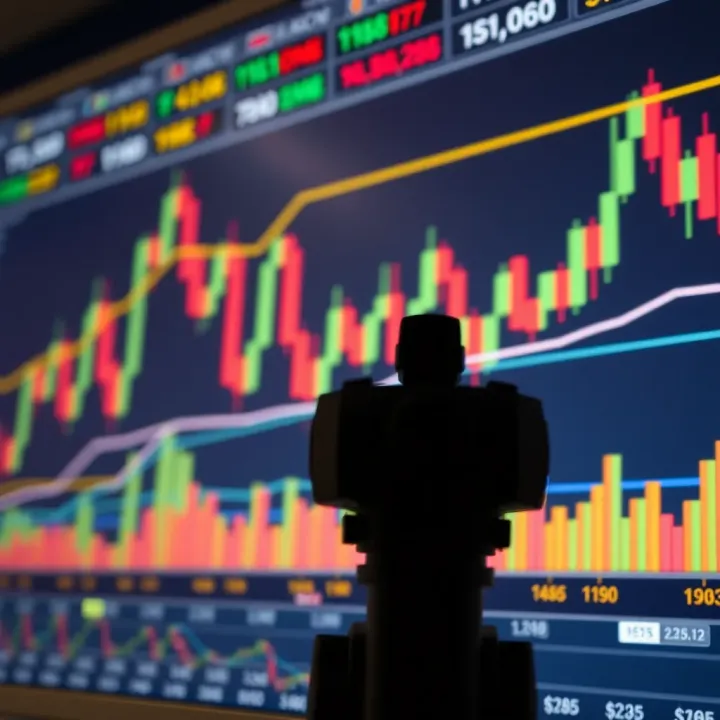
For South African traders, it’s crucial to be sharp when reading charts because the Rand (ZAR) can be quite volatile. Political events, Eskom’s loadshedding schedules, and global commodity prices all play a part.
Getting comfortable with chart reading isn’t just about picking patterns; it’s about understanding what moves the market at a local and global level.
Most forex platforms used in South Africa, like MetaTrader 4 and 5, Plus500, and even local online brokers, offer several charting tools. These platforms allow you to customise views, add indicators such as moving averages or the Relative Strength Index (RSI), and draw trendlines to spot support and resistance levels.
Start by focusing on key timeframes relevant to your trading style. Day traders might rely on 15-minute or hourly charts, while swing traders lean on daily or weekly views. Understanding these timeframes helps you avoid getting lost in ‘noise’ — the small, random price changes that don’t reflect the overall trend.
In short, fluency in forex charts is about combining visual cues with local insights and disciplined analysis. The more you practise chart reading, the better your intuition becomes for spotting setups that fit your trading plan.
Next up, we’ll break down the types of charts more closely and show you how to interpret them in practical terms, so you can trade confidently with your eyes on the Rand and the greater global scene.
Forex trading charts are the backbone of the currency market, offering a visual representation of price movements and market sentiment. For South African traders, understanding what these charts represent is essential to make informed decisions and stay ahead in volatile markets. These charts don't just display numbers; they tell the story of how a currency pair is performing, reflecting both the mood of traders and real economic shifts.
Price movements and market sentiment play a big role in forex charts. The ups and downs on a chart mirror how traders feel—whether optimistic or cautious—about a specific currency pair. For example, if the South African rand (ZAR) weakens against the US dollar (USD) after a sharp drop in commodity prices, the chart will reflect this bearish sentiment with falling price points. This helps traders gauge whether the selling pressure will continue or if a reversal might be on the cards.
Fundamentals of chart timeframes refer to the intervals at which price data is recorded. Each candlestick, bar, or point on a chart can represent different spans—like one minute, one hour, or one day. A trader looking at a 15-minute chart might spot short-term opportunities during the London trading session, while a daily chart offers a broader perspective on trends. Timeframes are practical for figuring out how to balance quick trades with longer-term positions, especially with South Africa’s time zone differences relative to major forex hubs like London and New York.
The role of supply and demand in chart patterns shows up in areas where price tends to bounce repeatedly (support) or face resistance. When buyers start outnumbering sellers, prices move up; when sellers dominate, prices drop. Take for example the support level around R15.50 in ZAR/USD—if the price repeatedly hits this mark but doesn't drop lower, it suggests strong demand at that point. Recognising these patterns is critical for deciding entry and exit points in trading.
Visualising currency pair trends through charts makes it easier to spot the overall direction. Instead of guessing, a South African forex trader can clearly see if the rand is in an uptrend, downtrend, or trading sideways. This visual aid streamlines decision-making since trends often persist longer than expected, giving an edge when planning trades.
Timing entries and exits relies heavily on chart signals. Knowing exactly when to buy or sell can prevent unnecessary losses or missed profits. For example, spotting a bullish candlestick pattern near a known support level on a 1-hour chart during the Johannesburg trading session can suggest a good entry point.
Finally, risk management with chart signals helps traders protect their capital. Charts can highlight stop-loss levels and indicate when to take profits by showing real-time support and resistance zones. A trader might decide to exit a trade if the price breaks below a well-established support level, reducing potential losses.
Mastering Forex trading charts is about interpreting what the market shows you and using that insight to trade smarter—not harder.
Understanding these chart basics is a crucial first step for any South African trader aiming to navigate forex markets confidently and profitably.
For anyone serious about forex trading, understanding the types of charts available is key. Each chart type provides different levels of detail and insights, affecting how you spot trends, reversals, or breakouts. South African traders can benefit by picking the right chart depending on their trading strategy and market conditions.
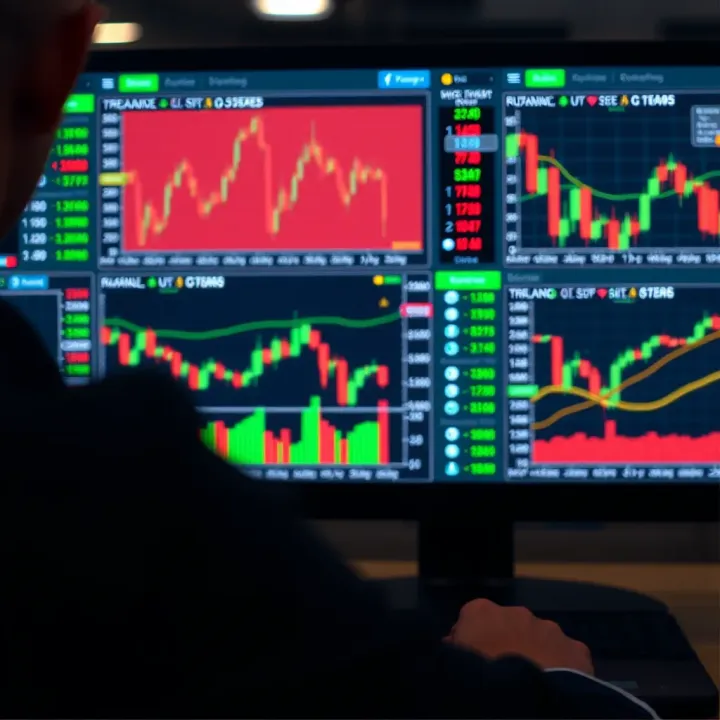
Line charts connect closing prices over a set period and present this as a smooth line. Because they only show closing prices, they give a clean and straightforward view of price direction, cutting out the clutter. This simplicity makes them ideal for beginners who want a quick snapshot of how a currency pair, like USD/ZAR, moves over days or weeks.
Line charts work well for spotting general trends and overall price direction but fall short when you need detailed price action like intraday highs or lows. For example, if you want to see whether the Rand touched certain support or resistance levels during the day, a line chart won't show that. Traders aiming for detailed entry and exit points usually prefer more informative charts.
Bar charts show four critical data points each period: opening price, highest and lowest prices, and closing price — known as OHLC. A vertical bar represents the range between the high and low, while small horizontal ticks on either side mark the open (left) and close (right). This setup tells a richer story about price volatility and market sentiment during the session.
By observing the length and position of bars, traders can extract clues about strength or hesitation. For example, a bar with a small real body but long wicks indicates indecision among traders, possibly signalling a reversal. South African traders can use this detail to plan whether to hold off or jump into trades on the rand or major currencies.
Candlestick charts use rectangular bodies and thin lines called wicks or shadows to represent price action. The body shows the range between open and close, while wicks reveal highs and lows. Colour coding is crucial: typically, green (or white) indicates price gains, and red (or black) shows losses. This visual style helps traders quickly grasp market sentiment.
Patterns like dojis, hammers, and engulfing candles provide signals of potential trend changes or continuations. For instance, a hammer candle appearing after a downtrend usually suggests a possible bottoming out, while an engulfing pattern might confirm a bullish or bearish reversal.
South African forex traders can integrate candlestick analysis with local market factors, such as trade announcements or SARB (South African Reserve Bank) monetary updates, to better anticipate price moves. Combining candlestick patterns with volatility caused by events like loadshedding or geopolitical news can sharpen decision-making.
Choosing the right chart type depends on your trading style and what information you need. Line charts serve basic trend spotting; bar charts provide intraday price layers, and candlesticks blend clarity with rich detail for pattern recognition. Start by experimenting with all three to find what clicks for you.
Line charts: Great for beginners and spotting broad trends
Bar charts: Useful for intraday price range and volatility
Candlestick charts: Favoured for detailed patterns and market sentiment
This knowledge sets the groundwork to move confidently into more advanced chart reading and technical analysis.
Forex charts are more than just lines and shapes on a screen; they provide crucial information that helps traders make informed decisions. By interpreting charts correctly, South African traders can spot patterns, gauge momentum, and manage entry and exit points with better precision. This approach minimises guesswork and supports a more disciplined trading strategy, which is important when the rand is volatile or global events shift currency values suddenly.
Trends describe the general direction of a currency pair’s price movement over time. An uptrend shows higher highs and higher lows, signalling growing demand and buying pressure. Conversely, a downtrend features lower highs and lower lows, showing that sellers are in control. A sideways trend indicates price moving within a range, where neither buyers nor sellers dominate. Recognising these trends helps you decide whether to take long or short positions or to wait on the sidelines.
Drawing trendlines is a handy tool for confirming these trends. By connecting two or more significant highs or lows on the chart, you create visual support or resistance lines that indicate where price is likely to bounce or break through. For example, if you're trading USD/ZAR, a rising trendline drawn along recent lows can confirm that the rand is weakening against the dollar, suggesting opportunities to buy USD. Confirming trendlines with volume or time increases confidence in the trend’s strength.
Support and resistance zones represent price levels where currency movement tends to pause or reverse. Support is where buying interest is strong enough to stop a falling price, often identified at recent lows, while resistance is where selling pressure halts an upward move, observable near recent highs. Spotting these levels allows you to anticipate where price might struggle to move further and plan trades accordingly.
These zones are practical tools for setting your stop losses and take profits. Placing a stop loss just below a support level shields you from bigger losses if price breaks down, while setting take profit targets near resistance zones helps lock gains before a possible pullback. A trader watching the EUR/ZAR chart might enter a buy trade near support and place a stop loss slightly below that, ensuring risk is limited but profit potential maximised.
Certain technical indicators blend well with forex charts to add layers of analysis. Popular choices include the Relative Strength Index (RSI), which signals overbought or oversold conditions; Moving Averages, which smooth price data to reveal trends; and the Moving Average Convergence Divergence (MACD), which helps spot momentum shifts. These indicators can confirm insights from charts or warn of possible reversals.
Combining indicators with chart patterns helps improve timing and reduce false signals. For instance, spotting a bullish engulfing candlestick pattern at strong support, alongside an oversold RSI, strengthens the case for entering a long position. South African traders can experiment with these blends on demo accounts to fit their trading style and the peculiarities of the local market, including the impact of Eskom loadshedding schedules on trading hours.
Reading forex charts with an eye for trends, support/resistance, and indicators will give you an edge in managing trades and adapting quickly to market moves.
With practice and attention to detail, these tools will become second nature, making your trading decisions clearer and more grounded in actual price action rather than guesswork.
Practical knowledge is what turns chart reading from a theoretical skill into a profitable tool. For South African traders, navigating local trading conditions and choosing the right tools can make a significant difference in results. Let’s explore ways to sharpen your charting approach while keeping local realities in mind.
When it comes to charting platforms, South African traders have plenty of options, many provided by local brokers like IG South Africa, EasyEquities, and Plus500. These platforms often tailor their tools for traders using the South African Rand and support common forex pairs relevant here, such as USD/ZAR and EUR/ZAR.
A good charting platform should offer real-time data, a wide range of currency pairs, and user-friendly interfaces. For example, MetaTrader 4 and 5 are favourites due to their extensive charting tools and ease of use. But local platforms may offer better customer support and adjust to national regulations like FICA and POPIA, which helps keep your trading secure.
Beyond support and compliance, pay attention to features such as customised indicators, multiple timeframe analysis, and mobile app availability. Many South African traders rely on mobile charts due to their busy lifestyles, so seamless syncing between desktop and mobile can help you keep an eye on market movements even when on the go.
South Africa’s time zone (SAST, UTC+2) places trading hours in a unique window. Understanding how this affects forex market sessions (Asian, European, and US) helps you plan trading around the most active periods. For instance, the overlap between the London session and the start of the New York session usually yields high liquidity and more volatile price movements, key moments for active traders.
Data costs can be a real hurdle here, especially with scrolling charts and live updates eating into mobile data allowances. To manage this, consider platforms that compress data efficiently or allow you to adjust the frequency of updates without losing crucial information. Also, fixing your internet connection’s reliability is vital since even short outages can disrupt trades. South African traders often use mobile broadband or fibre connections – picking one with a good uptime record is a wise move.
There’s no substitute for hands-on practice. Opening a demo account through your broker lets you experiment with live charts without risking actual money. Use demo accounts to test strategies like trendline drawing or indicator combinations until you feel confident.
However, beware of common traps like overtrading or chasing every minor price movement. Chart noise is a frequent distraction leading to poor decision-making. A solid routine involves setting clear goals for each trading session and reviewing your trades afterwards to identify mistakes and successes.
Accurate chart reading takes time but practising steadily will build your confidence and help you spot opportunities that fit your trading style.
Mastering chart tools in the South African context means matching skills with the right platforms and adjusting to local market rhythms. With persistent practice and smart choices about your setup, you’ll be better prepared to navigate the twists and turns of forex trading charts.
🌍 Discover how to trade forex in South Africa without upfront costs. Learn about free platforms, local rules, and practical tips for beginners. 💹
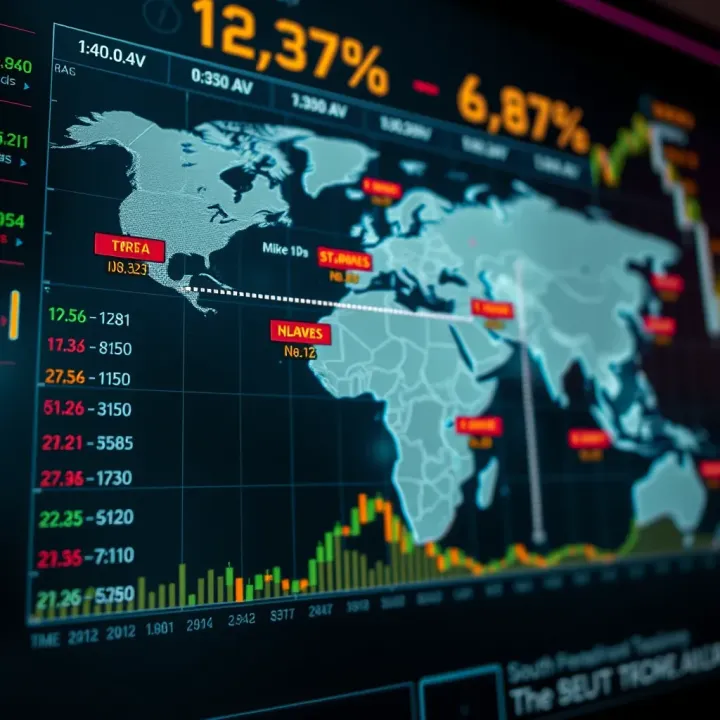
📈 Explore forex trading sessions from a South African viewpoint, learning how global market hours and overlap impact your strategies for better results.

Discover practical forex trading tips for South African traders 🇿🇦, including strategies, risk control, market analysis, and mindset for better results 📈💡.

🌍 Explore top forex trading schools in South Africa! Learn course options, practical training, and how ongoing education boosts your trading skills. 📈
Based on 6 reviews