

Gold Forex Trading: Opportunities and Risks Explained
💰 Explore gold forex trading in South Africa: learn how currency pairs affect gold prices, best strategies, and how to manage your risks effectively.
Edited By
Isabella Reed
Cape Town stands at a crossroads, facing increasing environmental risks that could disrupt its economy and communities if left unchecked. From droughts that choke water supplies to floods that threaten infrastructure, managing these risks is more than a government concern—it impacts businesses, investors, and residents alike.
The city's environmental risk management relies on a combination of regulatory frameworks, practical strategies, and active local involvement. This approach recognises the interconnected nature of risks, such as how climate change intensifies water scarcity and fire dangers.
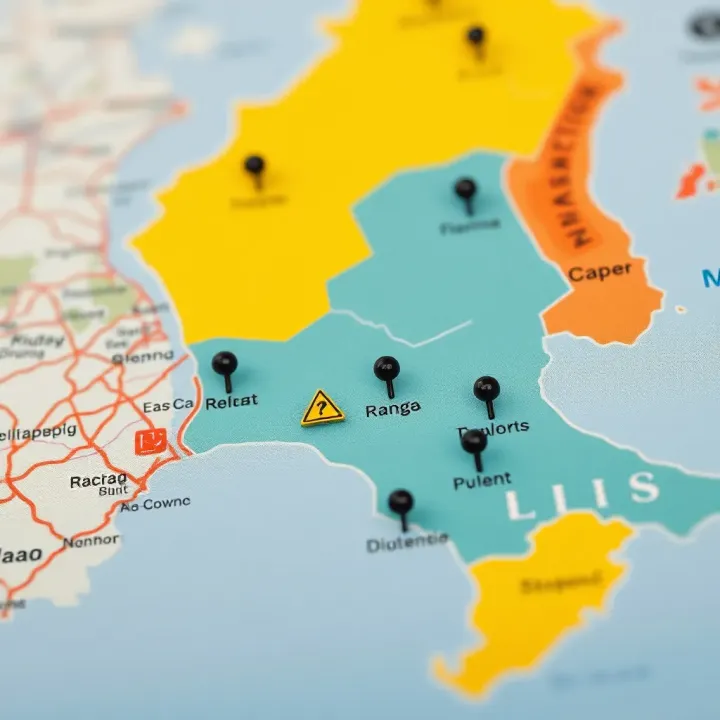
Local laws and policies set the groundwork. For example, Cape Town's Integrated Development Plan incorporates environmental sustainability as a priority, backed by national legislation like the National Environmental Management Act. Compliance doesn't just avoid penalties; it safeguards assets and brand reputation in a world increasingly valuing green credentials.
Practical risk assessment typically involves:
Mapping high-risk zones, including catchment areas vulnerable to erosion and informal settlements prone to flooding.
Analysing climate data trends to anticipate drought or storm frequency.
Engaging experts to quantify potential financial losses linked to environmental damage.
On-the-ground management includes investing in water-saving infrastructure and fostering community awareness programmes. Small businesses, for instance, can benefit from simple audits on resource use while larger firms should integrate risk scenario planning into their operations.
Environmental resilience in Cape Town depends on a shared commitment from authorities, businesses, and communities working together to identify risks early and respond effectively.
This cooperative model shines during load-shedding periods when energy scarcity magnifies environmental vulnerabilities. By combining solar solutions, emergency protocols, and local participation, Cape Town builds practical defences against worsening climate threats.
Such strategies also present investment opportunities. Entrepreneurs focusing on sustainable technology or risk advisory services are increasingly relevant as Cape Town adapts.
Understanding these dynamics offers traders, investors, and brokers valuable insight into the stability and growth potential of enterprises operating within the city. Environmental risk is effectively business risk — one that Cape Town confronts with measured, locally informed actions.
Grasping the environmental risks Cape Town faces helps local businesses, investors, and policy makers anticipate challenges and identify opportunities to act responsibly. The city’s unique geography, combined with a growing urban population and industrial activity, creates a mix of risks that can impact everything from supply chains to property values. Understanding these risks isn’t just about compliance — it’s about protecting assets, managing costs, and building resilience in a volatile environment.
Water scarcity and drought pose a persistent threat in Cape Town, exacerbated by shifting climate patterns and increasing demand. The 2017–2018 Day Zero crisis, when the city nearly ran out of municipal water, is a stark reminder of how critical water risks are locally. For investors and entrepreneurs, this means factoring in water availability when planning expansions or developments, as restrictions and rising tariffs affect operating costs. Efficient water use and alternative sources, like boreholes and greywater recycling, are becoming essential mitigation strategies.
Flooding and stormwater issues also challenge Cape Town's infrastructure. Intense but short rainfall events can overwhelm stormwater systems, causing flash flooding in low-lying areas. This floods roads, disrupts transport, and damages property. For traders and brokers, such disruptions can delay deliveries and affect market prices, making flood risk assessments vital for logistics planning. Municipal efforts to upgrade drainage and restore natural wetlands around the city help reduce these risks but remain a work in progress.
Biodiversity loss and ecosystem degradation weaken nature’s ability to support the city’s wellbeing. Cape Town’s fynbos vegetation is globally significant but is vulnerable to urban expansion, invasive species, and pollution. This degradation affects water catchments, air quality, and tourism appeal. Businesses that rely on natural resources — such as the wine industry or eco-tourism — find healthy ecosystems directly tied to their livelihoods. Protecting biodiversity through land management and invasive species control is therefore not just ecological but economic.
Pollution hotspots in Cape Town often cluster near industrial zones and informal settlements where waste management services may be inconsistent. Air and water pollution from factories, vehicle emissions, and untreated sewage pose health risks to communities and reduce quality of life. For investors and entrepreneurs, pollution can translate into regulatory hurdles and higher costs for waste treatment or fines for non-compliance. Monitoring and addressing these hotspots supports both corporate social responsibility and long-term viability.
The effects of construction and land use change have reshaped Cape Town’s landscape rapidly. Expanding residential areas, commercial centres, and transport networks disturb soil and natural habitats while increasing runoff and erosion. These changes can exacerbate flooding and reduce groundwater recharge. Careful environmental impact assessments (EIA) are crucial before any major development to anticipate these risks and plan mitigation. Developers who neglect this often face project delays and reputational damage, which affect financial returns.
Understanding Cape Town's environmental risks means recognising the interconnectedness of natural systems, urban pressures, and economic activities. For anyone with stakes in the region, this awareness guides smarter, more sustainable decision-making that balances growth with preservation.
The regulatory framework acts as the backbone for managing environmental risks in Cape Town, shaping how businesses, communities, and authorities respond to ecological challenges. It defines legal boundaries, enforcement powers, and compliance requirements that safeguard natural resources while balancing developmental needs. For investors and traders, understanding these rules is vital since non-compliance can lead to hefty fines or project delays, while alignment often opens opportunities for sustainable investments.
National Environmental Management Act (NEMA) provides the legal foundation for environmental governance across South Africa. It sets out principles for sustainable development, requiring that all developments consider environmental impacts before approval. In Cape Town, this means companies must submit Environmental Impact Assessments (EIAs) for projects like building developments or infrastructure upgrades. NEMA's practical relevance lies in its enforcement mechanisms, which empower environmental authorities to halt unlawful activities and demand remediation.

Western Cape Environmental Implementation Plan complements national laws by focusing on the province’s unique risks and priorities. It targets water conservation, biodiversity protection, and pollution control tailored to the Cape’s fraught water context and sensitive ecosystems. For businesses operating locally, this plan guides compliance strategies and helps authorities coordinate environmental monitoring and resource allocation efficiently, especially in drought-prone periods.
Municipal by-laws and compliance play a direct role in day-to-day environmental management at the city level. The City of Cape Town’s by-laws cover waste management, stormwater runoff, and air quality control, establishing standards that affect property developers and industrial operators alike. Compliance ensures smoother approvals and community goodwill, while breaches can result in penalties or additional conditions. For example, builders must manage site erosion to prevent sediment from clogging drains during heavy rains.
The City of Cape Town’s environmental departments coordinate local risk management through monitoring, permitting, and enforcement. They facilitate public involvement and oversee green initiatives like expanding urban green spaces and promoting renewable energy uptake. Their practical role includes issuing permits under NEMA and municipal by-laws, ensuring that environmental risks are addressed before projects proceed.
Provincial oversight and coordination by the Western Cape Government ensures that municipal actions align with broader strategic goals and legal requirements. The provincial Department of Environmental Affairs supports capacity building, data sharing, and regional planning to tackle issues like urban sprawl and habitat loss. This coordination helps create consistency across local municipalities, reducing regulatory uncertainty for investors and fostering integrated environmental risk management.
A well-structured regulatory framework is not just about compliance—it can be a tool for sound investment planning and long-term sustainability in Cape Town’s complex environmental landscape.
By navigating these layers of legislation and authority, entrepreneurs and analysts can better anticipate challenges and align their operations with Cape Town’s environmental priorities.
Assessing and monitoring environmental risks is a cornerstone of managing Cape Town's fragile ecosystems and urban spaces. These approaches help identify potential threats, allowing local authorities, businesses, and communities to respond quickly and make informed decisions. For investors and entrepreneurs, understanding these methods is vital to gauge how environmental factors can affect projects and operations.
Environmental impact assessments (EIA) are a legal requirement in South Africa for many development projects. An EIA evaluates how a proposed activity — like a new housing development in the Cape Flats — might affect the surrounding environment. It looks at everything from water usage to biodiversity loss and pollution. This tool guides decision-makers whether to approve, modify, or reject projects to reduce environmental harm. For instance, an EIA might highlight risks to a nearby wetland, prompting developers to alter plans or include mitigation features.
Another key technique is geographical information systems (GIS) mapping. GIS uses satellite images and spatial data to create detailed maps showing environmental features and vulnerabilities. In Cape Town, GIS maps illustrate flood-prone areas, vegetation zones, and urban sprawl, helping planners visualise risk hotspots. This technology supports quicker, data-driven choices. For example, GIS mapping can show how a proposed road expansion might cut through a conservation area or increase runoff into a watercourse.
Monitoring water quality and air pollution forms the ground-level reality check for environmental health. Sensors and testing stations around Cape Town track contaminants in rivers and the atmosphere. It’s especially important here, given the city’s water stress and pockets of industrial activity. Consistent monitoring detects rising pollution levels early, such as chemical spills near industrial zones or increased particulate matter during loadshedding when backup generators kick in. This enables swift intervention to protect public health and conserve water sources.
Remote sensing and satellite data broaden the city’s environmental oversight. These tools capture images and measurements from afar, covering large tracts of land over time. They help track changes like urban expansion, vegetation loss, or shifting coastline edges. Cape Town relies on satellite data to watch over sensitive areas like the Cape Floristic Region, detecting signs of ecosystem stress before they become irreparable.
In tandem, real-time environmental monitoring systems offer continuous updates on conditions such as air pollution levels, water quality, and weather patterns. These systems supply local authorities and businesses with immediate alerts on critical changes. For entrepreneurs in specific sectors like agriculture or tourism, this data informs day-to-day operations and risk mitigation — for instance, adjusting irrigation during drought signals or alerting visitors to hazardous air quality.
Staying alert to environmental risks through these methods allows Cape Town to navigate challenges more effectively, safeguarding both natural resources and economic interests.
Each of these tools brings a clearer, more responsive picture of the city’s environmental state, useful for anyone keen on understanding or investing in Cape Town’s future.
Addressing environmental risks in Cape Town requires active participation from both communities and businesses. They act as the front line, spotting issues early, adapting local practices, and supporting sustainable growth. Their role is especially critical given Cape Town’s unique challenges like water shortages, urban pressure, and biodiversity threats.
Community-based initiatives have been pivotal in Cape Town’s environmental management. Local groups often lead projects such as river clean-ups, invasive species removal, or water-saving campaigns, which not only improve ecosystems but also foster a sense of ownership. For example, the Friends of the Liesbeek River group has been instrumental in restoring one of Cape Town’s urban rivers, rallying residents to tackle pollution and illegal dumping.
Besides hands-on action, public involvement builds resilience. When residents understand their environment, they are more likely to support policies and changes that reduce risks. Such grassroots efforts also help spread knowledge quickly, particularly in vulnerable townships where formal communication can be patchy.
Environmental education and advocacy complement grassroots work by equipping people with the facts and arguments to push for better policies. Schools, NGOs, and local media in Cape Town run campaigns focusing on climate change impacts, waste reduction, and sustainable resource use. This education builds long-term awareness and shifts habits, crucial for reducing pressure on strained resources like water and green spaces.
Advocacy efforts give communities a voice in decision-making. Organisations like the Cape Town Environmental Education Trust engage with policymakers, ensuring that local realities and concerns shape environmental strategies. As a direct result, municipalities have adapted water restrictions and invested in public awareness during drought periods.
Sustainable business practices go beyond compliance; they reflect a company’s commitment to mitigating environmental harm. In Cape Town, several large firms, including breweries and retailers, have adopted water reuse systems and energy-efficient technologies. These not only lower their environmental footprint but also shield businesses from supply disruptions linked to environmental risks. For instance, a major bottling company installed solar panels and water recycling systems to keep operations steady during loadshedding and drought.
Compliance with environmental regulations remains fundamental. The City of Cape Town and the Green Scorpions enforce laws that protect water quality, air, and biodiversity. Businesses that ignore these can face hefty fines, reputational damage, and operational stoppages. Investors and analysts now increasingly factor environmental compliance into risk assessments, recognising that poor practices can jeopardise returns.
Investment in green technologies is a growing area among Cape Town businesses. Beyond merely ticking boxes, companies are investing in innovations like solar PV systems, smart water meters, and waste-to-energy projects. This shift is often motivated by both environmental concern and economic sense since green tech can reduce utility costs and create new revenue streams.
Engaging communities and businesses in managing environmental risks makes Cape Town’s growth more sustainable and less vulnerable. Shared responsibility fosters innovation, stronger compliance, and a culture of care crucial for long-term resilience.
In short, community action paired with corporate responsibility creates a powerful duo in managing Cape Town’s environmental risks — something investors and entrepreneurs should watch keenly when considering opportunities and challenges in the region.
Addressing climate change in Cape Town's environmental risk planning isn't just a tick-box exercise – it's essential. Climate change shapes the city’s risks and opportunities, affecting everything from water availability to coastal infrastructure. Investors, entrepreneurs, and analysts benefit from understanding how the city adapts since these changes influence economic stability, development feasibility, and market conditions.
Climate-linked risks require practical responses rooted in local realities. Responding effectively helps safeguard assets, reduce unforeseen costs, and strengthen Cape Town’s resilience to shocks.
Cape Town has already felt the sting of severe droughts, with the water crisis of 2017-2018 serving as a glaring example. Rising average temperatures and shifting weather patterns mean droughts are likely to become more common and intense, stressing the city’s water supply and agricultural productivity. For businesses, this translates to interruptions and increased costs, especially in water-dependent industries like agriculture, hospitality, and manufacturing.
With parts of Cape Town hugging the shoreline, rising sea levels pose a real threat to infrastructure, property, and ecosystems. Coastal erosion can undermine roads, housing, and tourism hotspots like Camps Bay or the V&A Waterfront. Investors eyeing coastal developments need to factor in these risks, including insurance implications and potential future rebuilding costs.
Unpredictable rainfall adds complexity to urban water management and flood control. Cape Town's winter rainfall regime is expected to become more variable, with sudden heavy downpours causing flooding and stormwater run-off issues, while dry spells in between may worsen drought conditions. This irregularity complicates planning for water storage, drainage infrastructure, and agriculture.
Water-saving initiatives remain central. Beyond campaign messages, example interventions include upgrading municipal infrastructure to reduce leakage and promoting greywater reuse in homes and businesses. Alternative sources like groundwater extraction and desalination plants are increasingly important. For instance, the City of Cape Town’s engagement with desalination helped diversify supply during drought peaks, providing investors with more confidence in water reliability.
Adjusting urban planning and infrastructure design helps cushion the impact of climate change. Cape Town is reviewing building codes and flood control measures to withstand extreme weather. This includes raising road levels, improving stormwater drainage systems, and reinforcing coastal defences. For property developers and municipal planners, these adaptations influence construction costs and location choices.
Healthy natural systems buffer climate shocks — wetlands absorb floodwaters, while restored indigenous vegetation helps stabilise soils and improve groundwater recharge. Projects focused on fynbos conservation and wetland restoration around Cape Town not only protect biodiversity but also provide natural infrastructure that protects communities and businesses. Supporting these initiatives aligns with environmental, social, and governance (ESG) priorities increasingly valued by investors and companies.
Cape Town’s approach to climate resilience balances practical infrastructure upgrades with embracing nature-based solutions, offering pathways to safeguard investments and livelihoods amid changing environmental conditions.
By recognising these climate realities and response strategies, traders, brokers, and entrepreneurs can better assess risk and opportunity, aligning their decisions with Cape Town’s evolving environmental landscape.
💰 Explore gold forex trading in South Africa: learn how currency pairs affect gold prices, best strategies, and how to manage your risks effectively.
⚠️ Learn why binary options trading poses high risks for investors in South Africa, including market flaws, lack of regulation, and scams to watch out for.

Learn how to convert hexadecimal to binary with clear steps and practical tips 🔢 Perfect for computing and digital electronics enthusiasts in South Africa 🇿🇦

🕒 Find out Cresta Game Store's trading hours across South Africa, plus holiday changes and smart tips for planning your shopping trips smoothly!
Based on 7 reviews