

Understanding Binary Clocks and How They Work
⌚ Discover how binary clocks work, learn to read them, explore their tech and uses, plus tips for building or buying your own stylish timepiece today.
Edited By
Laura Simmons
Binary code translators play a quiet but essential role in the technology we use every day. These tools convert raw machine language—streams of zeros and ones—into readable forms or other programming languages, making it possible for devices and software to communicate effectively. Understanding how they work is key for traders, investors, and entrepreneurs who want to grasp the nuts and bolts behind the tech powering their platforms and tools.
Computers operate using binary code, which is a language made up of just two digits: 0 and 1. This binary language directly controls hardware, but it’s not user-friendly. Binary code translators bridge the gap between this machine language and human-readable instructions, allowing us to develop, run, and troubleshoot software with ease.

These translators include compilers, assemblers, and interpreters. Compilers convert high-level programming languages, like Python or Java, into machine code in one go, producing an executable. Assemblers work closer to the machine, translating assembly language—which is already more human-readable than raw binary—into binary. Interpreters, on the other hand, translate code on the fly, line by line, which is helpful during software development and testing.
Without binary code translators, software development would be like trying to write a novel using only numbers and symbols—tedious and prone to error.
In South Africa, the relevance of binary translators extends beyond just coding. Consider fintech startups in Cape Town or Johannesburg developing payment apps. Their work relies on efficient translation between user-friendly code and the underlying binary instructions that make transactions possible. Even local investors monitoring automated trading platforms benefit indirectly, as these translators ensure the software runs smoothly and securely.
Understanding binary translation technology also offers insight into cybersecurity. Translators influence how quickly vulnerabilities in code can be found or patched, meaning investors must factor software integrity into risk assessments.
To sum up, binary code translators transform complex machine language into workable instructions, enabling the technology ecosystem around us. Traders and entrepreneurs should appreciate these tools not just as technical jargon but as fundamental drivers of reliability and innovation in technology that powers markets and businesses across South Africa.
Understanding the basics of binary code is essential for grasping how computers and digital devices work. Binary code forms the foundation of all digital communication and processing, translating complex information into simple two-state signals that machines use to perform tasks.
Binary code operates on a base-2 numbering system, which means it uses only two digits: 0 and 1. These two digits represent off and on states, or false and true, much like a switch that’s either flipped or not. This simplicity makes it straightforward for electronic circuits to detect and process information.
In practice, binary numbers are strung together in sequences to encode data. For example, within the world of computing, the binary number '1010' represents the decimal number 10. This method allows computers to handle a vast range of data types—from text and images to sound and video—by assigning specific binary values to represent different elements.
A bit (short for binary digit) is the most basic unit of data in computing and can be either 0 or 1. A series of bits grouped together forms larger data units, with the most common being the byte, which consists of eight bits. One byte can represent 256 different values, enough to cover standard characters in the ASCII encoding, such as letters, numbers, and symbols.
Bytes are the building blocks for storing and processing information. For instance, when you type the letter 'A' on your keyboard, the computer registers it as the byte 01000001 in binary. Understanding bits and bytes helps traders and analysts appreciate the efficiencies and limitations of data transmission, computer memory, and processing power.
At the hardware level, electrical signals either flow or don’t—this is perfectly aligned with the binary system’s two states. Transistors, the tiny electronic switches within computer processors, control this flow. When a transistor is on, it represents a 1; when off, a 0. This method cuts down on errors since machines only have to distinguish between two states, which is more reliable than dealing with multiple voltage levels.
This electronic simplicity allows computers to function accurately even in challenging environments with electrical noise or interference, making binary ideal for flawless digital communication and computation.
There are several reasons why binary remains the backbone of computing. For one, it simplifies circuit design—which keeps manufacturing costs lower and increases reliability. The clear distinction between on/off states reduces ambiguity during data interpretation.
Moreover, binary facilitates efficient error detection and correction processes. Digital systems can quickly identify when bits have flipped due to faults, which is key in ensuring data integrity during transactions or software operations. For South African businesses operating in sectors like finance or e-commerce, such reliability is critical since even minor data corruption can have costly repercussions.
Knowing these binary basics enables you to understand how the data you interact with daily—whether through stock trading platforms, mobile apps, or business software—is handled and transformed behind the scenes.
In summary, grasping the binary numbering system, along with bits and bytes, sets the stage for understanding binary translators and their role in converting machine language into usable information. This clarity not only demystifies the tech world but equips you with practical knowledge relevant in today’s digital economy.
Binary code translators play a key role in turning what computers understand — a stream of ones and zeros — into information humans can read and use. Without these translators, the sequence of 1s and 0s, which controls almost every device we rely on, would remain an indecipherable jumble. They act as the bridge between complex machine language and everyday digital interactions.
Translating binary into text, numbers, and characters is fundamental for meaningful communication between users and machines. When a South African entrepreneur, for instance, sends an email or opens a spreadsheet, the underlying binary data is swiftly converted into letters, digits, or symbols by translators. This allows the software to display human-readable content on screens or printouts without you having to wrestle with the raw code.
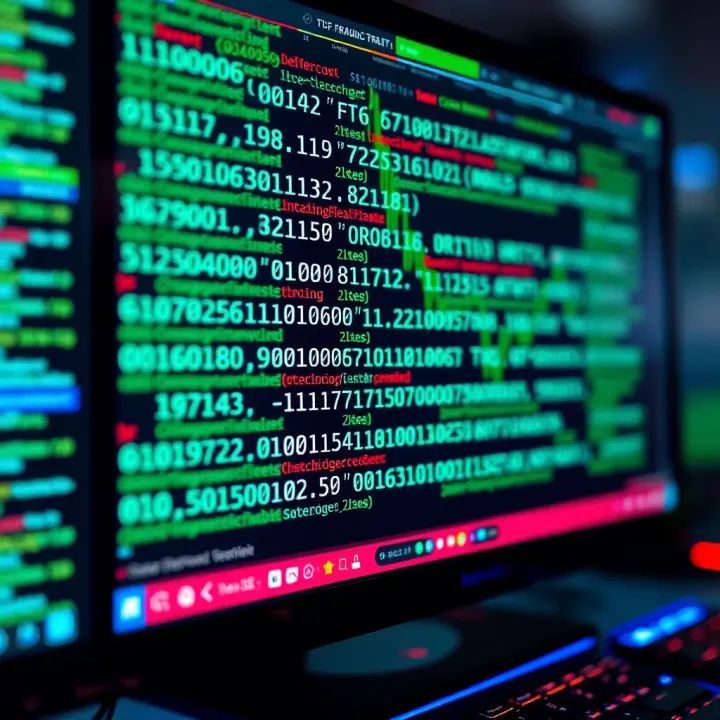
Common binary translations rely on established encoding standards like ASCII and Unicode, which map specific binary patterns to characters or numerical values. For example, the binary sequence 01000001 translates to the capital letter 'A' in ASCII. This standardised approach ensures that text appears consistently across various devices, whether you're checking banking figures on your FNB app or scrolling through a WhatsApp chat.
Binary code translators are indispensable tools during software development. Programmers write instructions in languages that are easier to understand, like Python or C++, but these must eventually be translated into binary for the machine to process. Translators convert this higher-level code into machine instructions, ensuring the commands are formatted correctly for specific hardware.
Debugging, the process of spotting and fixing errors, also benefits from binary translators. When a developer encounters a bug, the translator can break down the binary output to pinpoint where the issue lies. For example, if a local software developer is testing a new app aimed at Gauteng’s market, a malfunctioning feature’s binary translation helps trace the source of the error, making fixes faster and more efficient.
Without binary code translators, both users and developers would struggle to interact with digital systems, making everyday technology far less accessible and functional.
In short, these translators underpin everything from simple text chats to complex financial algorithms in the JSE, proving their lasting relevance in South Africa’s technological ecosystem.
Binary code translators come in various forms, each suited to different tasks depending on complexity and user needs. Traders, investors, and analysts, for example, benefit from understanding these tools because they bridge the gap between raw machine data and actionable information. Choosing the right translator type can speed up workflows, especially where rapid decision-making is key.
Reading binary manually means translating sequences of 0s and 1s into meaningful information without any digital aid. While this method may seem outdated, it still holds value for learners and professionals who need a deep grasp of binary fundamentals. For instance, grasping manual translation helps traders make sense of simple encoded alerts or messages in market data streams where automated systems fail to flag anomalies.
However, manual translation is slow and error-prone for anything beyond short binary strings. It demands familiarity with binary arithmetic and encoding standards like ASCII or Unicode. In complex settings such as software debugging or processing large datasets, manually converting binary data would be impractical.
Automated binary code translators come in handy when dealing with large or complex binary data. These software tools quickly convert binary strings into readable text, numbers, or commands with minimal user input. For example, analysts working with bytecode or machine-level data from trading platforms might use these programs to extract meaningful results without diving into raw code.
Online tools add convenience, offering instant binary translation without installing software. They often support multiple encoding formats and can handle bulky data, making them ideal for quick checks or cross-platform operations. For entrepreneurs and brokers, automated translation tools remove technical barriers, letting them focus more on interpreting results than the tedious nitty-gritty of binary conversion.
Several free and commercial tools simplify binary to text or numeric data conversion. Among these, ‘Binary Translator’ and ‘RapidTables’ are popular online utilities known for their user-friendly interfaces and fast output. For more advanced needs, software like ‘HxD’ (a hex editor) allows users to view and edit binary data directly, which proves invaluable for debugging or custom data analysis.
Text editors with binary plugin support, such as ‘Notepad++’, also enable on-the-fly translations, blending convenience with deeper functionality. These tools cater to a spectrum of users, from traders inspecting encrypted communication to programmers tweaking machine code for applications.
When choosing a tool, consider the format and volume of binary data you handle regularly. Simple online translators work well for straightforward, occasional conversions. On the other hand, robust software with batch processing, encoding format options, and integration capabilities fits users with continuous or complex tasks.
Traders and investors handling streaming data might prefer tools that automate translation and integrate with analytic dashboards. Meanwhile, programmers often seek editors supporting multiple data views – binary, decimal, hexadecimal – combined with debugging utilities. Selecting a tool aligned with task frequency and complexity ensures smoother workflows and quicker insights.
Understanding the types and tools of binary code translation not only demystifies raw data but also enhances efficiency across tech-driven roles. Whether converting quick alerts or debugging intricate software, the right translator equips you to work smarter, not harder.
At the heart of binary translation lies the systematic decoding of strings of zeros and ones into meaningful data. This process is essential for converting the basic language of computers—binary code—into information humans and machines can understand and use. It’s a key step that powers everything from software execution to data communication.
Binary data is composed of bits—short for binary digits—each representing a zero or one. However, a lone bit is usually meaningless on its own. To make sense of it, bits get bundled into groups called bytes, typically 8 bits long. For instance, the binary sequence 01000001 grouped as a byte translates to the letter 'A' in the ASCII encoding system.
Besides bytes, the computer might group these into words, which are larger blocks—say 16 or 32 bits—depending on the architecture. This grouping improves efficiency and speeds up processing by handling multiple bits simultaneously rather than one by one.
Once grouped, those clusters of bits need to be interpreted. Each pattern corresponds to a specific character, number, or machine instruction depending on the context. For example, in programming, the byte pattern 01000010 represents the letter 'B'. In contrast, certain binary sequences serve as commands that tell a processor what to do, like add numbers or jump to another instruction in the code.
This mapping is crucial because an incorrect interpretation can lead to wrong outputs or software glitches. It allows programmers and systems to bridge the gap between raw binary data and meaningful interactions users expect.
The way binary maps to characters isn’t arbitrary; it follows standards called encoding formats. ASCII (American Standard Code for Information Interchange) was one of the earliest and most basic, using 7 or 8 bits to represent common English characters. However, ASCII struggles with languages beyond English or special symbols.
That's why Unicode came about—to provide a universal encoding system that supports virtually all the world’s languages and symbols. Unicode uses more bits per character, enabling it to accommodate complex characters, emojis, and scripts. South African developers, for example, rely on Unicode when building apps that support isiZulu, Afrikaans, and other official languages.
The choice of encoding can make or break the accuracy of binary translation. If a system assumes ASCII but receives Unicode binary data, it can misinterpret characters, mangling text or causing system errors. Likewise, incompatible encoding between different software layers may cause communication breakdowns.
Therefore, recognising and using the proper encoding standard ensures data reads correctly and functions as intended. It's a key consideration in programming, software localisation, and data exchange—particularly in diverse markets like South Africa, where multilingual support is important.
Understanding these details helps traders, entrepreneurs, and IT professionals grasp how complex digital information translates into practical tools they rely on daily.
Binary data is grouped into meaningful blocks like bytes and words for easier handling.
Each binary pattern maps to specific characters or commands based on encoding standards.
ASCII and Unicode provide frameworks for accurate data interpretation, supporting diverse languages.
Correct encoding choice is vital for maintaining data integrity and avoiding translation errors.
This process enables the smooth running of applications and communication systems, making binary translation a foundational element in the digital world.
Binary code translators play a significant role beyond the theoretical world—they help us bridge the gap between computers' machine language and the human-readable data that powers much of today’s technology. Their practical applications are wide-ranging, impacting everything from the websites we visit to the educational tools shaping future tech professionals.
From websites to mobile apps
Every website or mobile app you interact with ultimately runs on binary data, which demands precise translation to function correctly. Binary code translators convert back-end binary streams into text, images, and commands that browsers and operating systems understand. For instance, when you shop on Takealot or scroll through social media apps like Instagram on your cellphone, binary translators operate behind the scenes to convert stored data into visual content you can engage with effortlessly.
This process is also critical in mobile apps, where quick, reliable translation of binary data ensures smooth user experiences. Translators help decode user inputs, app commands, or even encrypted messages, making your interactions seamless despite the complex binary exchanges happening internally.
Use in digital communications
Digital communications—whether emails, instant messaging, or video calls—depend heavily on binary translation tools. Messages typed in alphabetic characters must be converted into binary signals for transmission over networks. At the receiving end, these signals get translated back into readable text or images. Without accurate translations, your email to a client or a WhatsApp message to a colleague might turn into unintelligible code.
Given South Africa's rapid growth in mobile internet usage and reliance on data, binary translators ensure that data packets carrying your information are correctly decoded, maintaining the integrity of communication. This is particularly important when signals pass through various network hardware and software, each requiring proper interpretation of binary data.
Helping learners understand computing principles
Binary code translators aren’t just technical tools, they serve as crucial educational aids too. Learners in schools and tertiary institutions benefit from studying how these translators convert raw binary data into meaningful information, helping demystify computer operations. For example, when students at a Cape Town high school explore ASCII encoding, they see the tangible link between sequences of zeroes and ones and readable characters.
Understanding such fundamentals builds a solid foundation, especially for learners interested in computer science or programming. It turns abstract binary code into something accessible, encouraging problem-solving and computational thinking skills.
Use in coding bootcamps and schools
Coding bootcamps across South Africa are increasingly incorporating binary translation exercises to develop participants’ skills in interpreting low-level data. Translators make it easier for students to debug code by clearly showing which binary sequences correspond to errors or commands. This ability is vital for entrepreneurs and analysts working in tech or fintech sectors where efficiency and accuracy can impact business outcomes.
Many bootcamps use interactive tools that simulate translation processes, allowing learners in Johannesburg, Durban, or Pretoria to practice without needing physical hardware. These practical applications support rapid skill acquisition and bridge the gap between theoretical knowledge and real-world programming demands.
Practical knowledge of binary translators enhances technology literacy and empowers you to better navigate the digital environment, whether as a user, developer, or decision-maker.
They convert complex binary sequences into accessible information for technology devices.
Their role is critical in ensuring reliable communication and user-friendly digital experiences.
Education on binary translation deepens understanding of computing and accelerates tech skills development.
Overall, binary code translators quietly underpin much of the technology we rely on daily, shaping communication, commerce, and education across South Africa and beyond.
⌚ Discover how binary clocks work, learn to read them, explore their tech and uses, plus tips for building or buying your own stylish timepiece today.

🔍 Learn what binary accounts are, how they work in trading, the risks, regulations, and tips tailored for South African users to trade smartly and safely.

Explore how the decimal number 17 translates to binary 💻, its key role in digital systems, and why it matters for tech users in South Africa and beyond 🌍.

🔍 Explore Gray code basics, its key uses, and step-by-step ways to convert it into binary. Learn benefits and challenges in digital coding methods.
Based on 8 reviews