
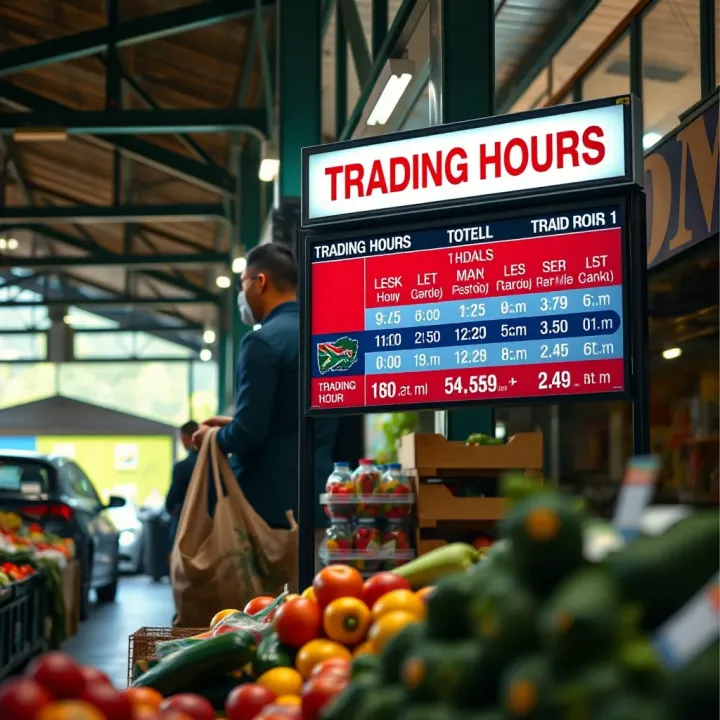
Fruit and Vegetable Market Hours in South Africa
🍎 Discover when fruit and vegetable markets in South Africa open and close. Get tips for traders, retailers, and buyers to plan fresh produce purchases well!
Edited By
Lucy Foster
Navigating the trading hours of fruit and vegetable markets in Montana, South Africa can sometimes feel like trying to catch a bus that never quite sticks to the timetable. For traders, investors, and brokers, understanding these hours is more than just about convenience—it’s key to making smart purchasing decisions, optimizing the supply chain, and spotting fresh produce at the right time.
This guide breaks down the core operating times you'll encounter, explains how they shift with the seasons, and signals when the busiest periods are. Alongside this, you'll find insights into prominent vendors and useful tips that help you secure the best deals without wasting time or money.
Whether you’re an entrepreneur scouting local markets for investment opportunities or an analyst tracking trends in South African fresh produce sales, a solid grasp of Montana market hours offers a practical edge. Let’s cut through the noise and get straight to what really matters for anyone involved in this lively trading scene.
Understanding the landscape of fruit and vegetable trading in Montana is key for anyone involved in the local agribusiness scene—from traders to entrepreneurs. Montana, a significant hub in South Africa's produce market, acts as a vital link connecting local farmers with retailers and consumers. Grasping how trading operates here helps stakeholders plan their activities better and make smarter decisions about when and what to buy or sell.
Montana Markets serve as the heartbeat of the local supply chain, bridging the gap between primary producers and a wide network of buyers. Imagine a small-scale farmer growing tomatoes on the outskirts of Pretoria; without Montana’s markets, getting their produce to urban retailers would be challenging and inefficient. These markets streamline the process by providing centralized locations where bulk goods change hands daily.
By acting as hubs for distribution, Montana markets also support price stabilization. When unexpected weather damages crops, the immediate impact feels less harsh because traders can source from multiple suppliers quickly. This diversifies supply options and reduces the risk for grocers and restaurants relying on daily deliveries.
If you drop by Montana Markets any morning, you'll find a vibrant assortment of fruits and vegetables reflecting both local agriculture and seasonal trends. Expect staples like maize, butternut squash, onions, and potatoes alongside fresh fruit varieties such as apples, oranges, and bananas. Unique to the region are items like marula fruit, which doesn't show up often in other parts of South Africa.
Seasonality plays a big role here; during summer months, stone fruits like peaches and nectarines flood the stalls, while winter welcomes hardy greens like cabbage and spinach. Traders should note this variability because it directly affects availability and pricing. An understanding of what’s typically on sale can help in forecasting demand and managing stock effectively.
Buyers and sellers alike benefit from knowing the common produce on offer—not just for variety, but also to spot quality trends and seasonal pricing dips that can improve profit margins.
Both novice and seasoned market participants benefit from keeping close tabs on Montana’s trading rhythm. This knowledge doesn't just smooth the trading process; it also arms you with the insight to seize opportunities and avoid pitfalls related to supply and demand fluctuations.
Understanding the regular trading hours for fruit and veg markets in Montana is key for anyone involved in the supply chain—whether you're a trader, broker, or entrepreneur. Knowing when the markets open and close directly affects planning logistics, inventory management, and capitalizing on fresh stock availability.
Businesses can avoid costly mistakes like missing prime trading hours, while shoppers can plan their visits to get the freshest produce and best deals. For example, if a trader knows the market opens at 4:00 AM, arriving right before the rush starts can mean access to premium goods before competition heats up.
Most fruit and vegetable markets in Montana open quite early, typically between 3:30 AM and 5:00 AM. This early start helps suppliers and buyers finish transactions before the heat of the day and allows fresh produce to reach retailers promptly. Markets generally close by late morning or early afternoon, around 11:00 AM to 1:00 PM.
This schedule reflects the fast-paced nature of fresh produce trading where freshness and rapid turnover are vital. For instance, at the Montana Fresh Produce Market, stalls are bustling by 4:30 AM and most vendors pack up by 12:00 PM. Late arrivals often face limited options or higher prices.
Trading hours during the week usually follow the standard early morning to early afternoon slot, optimized for business buyers and wholesale traders who rely on consistent timings. However, weekends tend to have shorter hours, opening later and closing sooner, sometimes around 6:00 AM to 10:00 AM.
This shift accounts for lower wholesale demand but increased foot traffic from retail customers. Vendors might adjust their stock to cater to household buyers rather than big suppliers, offering smaller quantities and more variety. For example, a weekend market might focus more on fresh fruits for families shopping for the week rather than bulk vegetable orders for restaurants.
Tip: Plan your visits based on day-specific hours. Weekdays suit bulk buying and wholesale deals, while weekends offer convenient opportunities for fresh, ready-to-use produce.
By understanding and aligning with these regular trading hours, businesses and consumers can optimize their experience, ensuring they never miss the best times to buy or sell in Montana’s fruit and vegetable markets.
Understanding how trading hours in Montana's fruit and vegetable markets shift with the seasons is essential for traders and shoppers alike. These changes aren’t just arbitrary; they reflect the rhythms of produce availability and buyer demand, helping vendors and buyers align schedules optimally.
Harvest time in South Africa brings a noticeable shift in trading hours. For instance, during the peak avocado season from February to May, markets often open earlier, around 4:00 AM rather than the usual 5:30 or 6:00 AM. Dealers want to catch the early morning buyers and move perishable stock quickly. This early start helps prevent spoilage and takes advantage of the cool morning temperatures.
Conversely, off-peak seasons can see shorter hours as there's less produce moving through the market. Strawberries, for example, have a narrower window of availability, prompting traders to be more selective about when they open stalls to avoid wasted time and resources.
Adjusting your schedule during these seasons can make a big difference. Early risers chasing the freshest tomatoes or butternut squash will find better deals and quality if they come right after the harvest trucks roll in.
Public holidays and local festivals create unique trading hour variations that every trader and buyer should be aware of. On major holidays like Heritage Day or during the festive season, the Montana markets may either shut down entirely or operate on reduced hours. This closure helps vendors restock and prepare for the increased foot traffic expected for the days that follow.
Take the Diwali festival celebrated by the Indian community—markets might close or see reduced activity due to lower foot traffic, but the following days often witness a surge as vendors restock. Similarly, during national holidays such as Freedom Day, many traders take the day off, resulting in shortened market hours.
Tip: Always check local market boards or vendor social media for announcements around holidays. This can save you a wasted trip or help you plan a bulk purchase before closures.
In summary, seasonal and holiday adjustments in Montana markets aren’t just a nuisance—they’re a natural reflection of supply chain realities and cultural rhythms. Being mindful of these changes allows you to plan your buying or selling with more precision and avoid surprises.
Key vendors and suppliers play a significant role in shaping the fruit and vegetable trading scene in Montana. Understanding who these players are and how they operate is essential for traders and investors looking to navigate the market effectively. These vendors often set the quality standards, influence prices, and determine the reliability of supply chains. For example, well-established vendors like Ntwa Fruit Suppliers or Lwazi Veg Traders are known for consistent quality and punctual deliveries, giving traders an edge in stocking fresh produce.
Finding reliable sellers is not just about spotting the biggest stall or the flashiest setup. Trustworthy vendors in Montana markets usually have a track record backed by quality and honesty. One sign is their regular clientele—if you observe local store owners or chefs returning consistently, that’s a strong endorsement. Another point is transparency; sellers who openly share the origin of their produce and allow a quick inspection build confidence. For instance, vendors who deal with KwaZulu-Natal’s wild berries or Limpopo’s tomatoes often highlight their source to assure freshness.
Don’t overlook the importance of personal relationships. Traders who network and check vendor reputations through word-of-mouth tend to avoid bad bargains. Also, punctuality and consistency in opening during official market hours, like the early morning windows in Montana, often signal a dependable vendor.
Securing fresh produce starts with timing. Early mornings, right when markets open in Montana, typically offer the best pickings before the crowds arrive. It’s wise to visit vendors a little before the official opening to observe their unloading and sorting procedures. This observation can reveal how carefully they handle delicate items like soft fruits or leafy greens.
Carrying a simple checklist helps. Look for bright colors, firm textures, and absence of blemishes or mold. For example, fresh avocados should give slightly under gentle pressure, while limp lettuce or rubbery carrots tell you to walk on. Don’t hesitate to ask vendors about their stocking schedule—those who replenish daily often provide fresher products.
Remember, vendors who take time to explain their produce’s story and allow some tasting usually value their reputation and quality.
Also, don't hesitate to negotiate prices, especially when buying in bulk. Montana markets often have flexible pricing, and vendors are open to deals that ensure quick sales without compromising quality.
Building strong relationships with key vendors not only ensures access to fresh produce but can also open doors to exclusive deals, advance notice on seasonal specials, and better terms overall.
Knowing when the Montana fruit and vegetable markets are open is essential for both buyers and sellers. Market hours can shift due to seasonal demands, public holidays, or supplier availability. Keeping yourself in the loop helps avoid wasted trips and ensures you connect with vendors when they're actually trading.
Market management typically publishes schedules and any last-minute changes through official notices. These might be posted at the market entrances or in vendor areas, giving you direct, reliable info. For example, if there’s a public holiday or a local event causing early closure, these notices will alert you early enough to adjust your plans.
Official notices can also include detailed updates about delivery times and expected peak business hours. Suppose you often buy avocados from a specific supplier; knowing when they receive their freshest stock can make all the difference.
In addition to physical notices, many Montana markets and vendors use digital channels to keep customers informed. Social media platforms like Facebook and WhatsApp groups are common for real-time updates. Vendors can announce unexpected closures, late openings, or even flash sales.
Several local trading groups on platforms like WhatsApp or Facebook posts regular updates — giving you a heads-up on when the market buzz is in full swing. For example, the "Montana Traders Hub" group often posts daily trading hours and offers tips on which stalls have new arrivals of seasonal produce.
Using online tools also lets you plan around traffic and peak crowd times, which is especially handy during busy seasons. For traders and investors, this means optimizing buying strategies for fresh stock without getting caught in market jams.
Staying switched-on to official notices and social media updates is simple but crucial. It’s like having a direct line to the heart of the market's rhythm, saving time and ensuring your trade moves smoothly. Regularly checking these sources helps avoid surprises and lets you capitalize on fresh deals or avoid slow trading days.
When it comes to buying fruit and veg at Montana markets, timing and strategy can make all the difference. Being smart about when and how you shop not only saves time but often ensures better quality and prices. If you just rock up at random hours, you might miss the freshest picks or get stuck in long queues. Traders, investors, and entrepreneurs alike will agree that understanding market rhythms is a practical edge.
For quality produce, early birds usually catch the best worm. Markets like Montana often open around 4:00 to 5:00 AM, with fresh deliveries arriving just before dawn. By heading out early, shoppers find a wider selection—everything from crisp apples to leafy greens looks fresh, and vendors are still eager to make deals.
Later in the day, say after 10 AM, choices shrink because many vendors start packing up or marking down prices to clear stock. One savvy tip: midweek mornings are generally quieter and better for finding high-grade produce compared to the weekend rush. If your schedule allows, avoid Saturdays and Sundays unless you want to hunt bargains at closing time.
Monday mornings and market openers tend to get crowded fast, with buyers ranging from small shop owners to casual consumers. Steer clear of this chaos by visiting right after the initial rush around 6:30 or just before noon when things slightly lull. This balance lets you dodge traffic jams and long queues.
Weekends in Montana can be especially busy because locals and traders from surrounding regions descend on the market. If you do go on a Saturday or Sunday, consider arriving an hour before closing. Vendors often lower prices drastically just to avoid hauling unsold produce back home.
Remember, shopping smart isn’t just about saving cash but also conserving your energy and time. Plan around peak hours, pick days with fewer visitors, and you’ll find the whole buying process less stressful and far more rewarding.
In short, the key to efficient shopping at Montana’s fruit and veg markets lies in timing and planning. Knowing when to show up can mean the difference between grabbing perfect produce or settling for whatever’s left. Keep these tips in your back pocket, and you’ll shop like a pro, whether you’re stocking up a restaurant, a stall, or your family’s kitchen.
🍎 Discover when fruit and vegetable markets in South Africa open and close. Get tips for traders, retailers, and buyers to plan fresh produce purchases well!
🥕 Plan your visit to Park Meadows' fruit & veg markets! Check trading hours, holiday schedules & peak times to shop fresh with ease 🍎🚜

Discover how forex trading hours affect currency volatility and liquidity for South African traders 📈⏰. Learn the best times to trade and tips for smarter decisions.

Discover when and how game trading happens in South Africa 🇿🇦, including regulations, regional differences, and how trading hours affect prices and availability 🎯.
Based on 7 reviews