
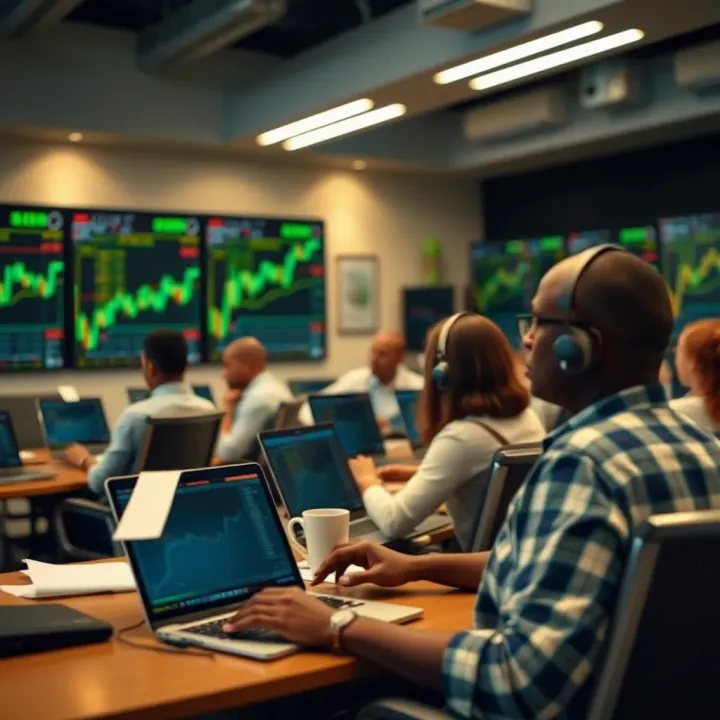
Guide to Forex Trading Training in South Africa
Explore forex trading training in South Africa 🇿🇦 with expert tips on selecting programs, understanding regulations, and mastering trading skills effectively.
Edited By
Oliver Kensington
Forex trading is no walk in the park, especially for those just starting out or even for seasoned traders aiming to sharpen their game. In South Africa, where the market comes with its own twists and turns, having the right learning resources can make a world of difference. That’s where forex trading training videos come in. They offer a practical, visual way to grasp the ins and outs of the forex market without spending hours buried in textbooks or jargon-heavy articles.
This article is designed to walk you through everything you need to know about using forex training videos effectively. We’ll cover why these videos are valuable tools, how to spot high-quality content, and ways to blend video learning with other methods for a balanced strategy. Whether you're a trader in Johannesburg or Cape Town, understanding this resource can help you avoid common mistakes and boost your trading skills more confidently.
Learning forex is like learning to ride a bike—you can't get good just by reading about it. Watching someone else pedal and then hopping on yourself is how real progress happens.
In the sections ahead, we’ll break down what to look for in training videos, where to find them, and how not to get overwhelmed by the sheer volume of material online. We’ll also touch on how videos stack up against other learning methods and offer tips specific to the South African trading environment.
If you’re ready to boost your forex know-how with videos that bring the charts and strategies to life, keep reading. This guide will help you cut through the noise and focus on what truly works.
Getting a grip on forex trading videos is step one for anyone serious about the currency markets. These videos aren't just pretty tutorials; they’re often packed with insights that can fast-track your understanding and practical skills. Whether you’re looking to understand the basics or sharpen a set of trading tactics, knowing what’s out there and how to use it makes all the difference.
There’s a wide buffet of forex training videos available, each serving different learning tastes. You'll find:
Explainer videos, which break down core concepts like how currency pairs operate or what affects exchange rates.
Live trading sessions, where experienced traders share their screens, narrate their thought process, and make trades in real time.
Strategy-focused tutorials, which dive into specific methods like scalping, swing trading, or trend following.
Webinars and interviews featuring seasoned traders discussing market psychology, risk management, or recent market shifts.
These types cover everything from novice-level introductions to deep dives suitable for traders looking to tackle complex scenarios.
Common content threads in these videos include:
Market fundamentals such as understanding currency pairs and global market hours.
Chart reading and technical analysis, using tools like moving averages, RSI, and Fibonacci retracements.
Fundamentals behind currency moves, including updates on economic indicators like interest rates, job reports, and geopolitical events.
Risk management techniques, crucial for preserving capital and ensuring consistent performance.
The practical edge comes when these lessons link directly to real-life trading examples, making it easier to connect theory with action.
If you’re stepping into forex trading with limited or no background, these videos provide a low-pressure way to absorb foundational concepts. For instance, learning how the USD/ZAR pair behaves during South African economic announcements can build context before risking your bucks. Look for videos that start with basics, avoid jargon, and use simple examples.
For those who've dabbled in forex trading, videos can fill the gaps in your strategy toolkit. Maybe you understand the how but need to know the when and why — like spotting trend reversals or using RSI divergences effectively. Videos focusing on practical tactics, case studies, and trade reviews can offer that edge.
Experienced traders aren’t left out. Advanced training videos often explore niche strategies or complex models, such as algorithmic trading or blending technical and fundamental analysis. These can spur fresh ideas or highlight subtle tweaks to improve existing methods. Watching a master trader's live session, analysing market behavior under different conditions, can reveal insights no book might cover.
No matter your stage in trading, these videos act as a valuable companion, offering flexibility and variety that suit your pace and style—just remember to combine video lessons with real-world practice for best results.
Forex trading videos serve as a treasure trove for traders at all levels, breaking down the complex world of currency exchange into manageable lessons. Understanding the key topics these videos cover is essential for making smart use of them. They typically address four main pillars: the basics of forex markets, technical analysis techniques, fundamental analysis, and risk management strategies. Each topic addresses a critical aspect of trading, so grasping these can boost your odds of consistent success.
At the heart of forex trading are currency pairs — think of these as two currencies locked in a financial tango. Videos emphasize this dual nature, explaining pairs like USD/ZAR (US Dollar/South African Rand), EUR/USD, and GBP/USD, showing how the first currency is the base, and the second is the quote or counter currency. When you read a price of 15.00 for USD/ZAR, it means one US Dollar costs 15 South African Rand. Grasping this fundamental is vital because every trade you make involves buying one currency and selling the other.
For example, if you expect the Rand to weaken against the Dollar, you might buy USD/ZAR. Videos often walk you through live demonstrations, making it easier to internalize this concept beyond dry textbook definitions.
Forex operates 24 hours a day during weekdays, but it’s not a constant whirl of activity. Videos break down the trading day into four key sessions — Sydney, Tokyo, London, and New York. For South African traders, timing your trades around the London and New York sessions is especially important since these overlap with active hours in South Africa, leading to higher liquidity and volatility.
Understanding when markets open and close helps avoid trading during quiet periods, which can have low volume and erratic price moves. For instance, a lesson might explain how market activity spikes when London and New York sessions overlap, making this time perfect for catching major price swings. This knowledge is directly actionable for traders wanting to plan their day effectively.
Charts are the bread and butter for technical traders, and the videos show you how to read different types like candlestick, line, and bar charts. Recognizing trends – whether upward, downward, or sideways – is essential to making educated bets on currency moves. For example, a series of higher highs and higher lows signals an uptrend, while lower highs and lower lows indicate a downtrend.
Training videos often guide you through spotting these patterns live, highlighting trendlines and channels. With this skill, you can decide whether to go long or short, aligning your trades with the prevailing market direction rather than swimming against the current.
To make sense of the chaos, traders use technical indicators like Moving Averages, RSI (Relative Strength Index), and MACD (Moving Average Convergence Divergence). Videos introduce these tools one by one, explaining how an RSI above 70 might mean an asset is overbought, signaling a potential reversal. Similarly, Moving Averages help smooth out price action — when a short-term average crosses above a long-term one, it may hint at an uptrend beginning.
By illustrating real chart setups, videos teach not just what these indicators are but how to integrate them into your strategy, preventing confusion and bad calls.

Economic indicators like GDP, unemployment rates, and interest rate decisions move currencies more than you might expect. Training videos help decode these reports so you don't get blindsided. For example, if South Africa’s inflation report comes in higher than expected, the Rand may weaken, changing your trading outlook immediately.
Trainers often simulate news event reactions, showing how markets might react and advising traders to either avoid trading during volatility spikes or to prepare for rapid movements.
Global events like trade tensions, political upheaval, or natural disasters have a ripple effect on currency markets. Videos discuss examples such as Brexit's impact on GBP or US-China tariff talks influencing USD and CNY pairs.
For South African traders, understanding these contexts can prevent nasty surprises. For instance, a sudden change in commodity prices (like gold or oil) can affect the Rand directly due to South Africa’s role in global mining.
Risk control is the unsung hero of trading success. Videos stress setting stop losses to automatically close losing positions and take profits to lock in gains. For example, if you enter a USD/ZAR trade expecting an upward move, placing a stop loss 100 pips below entry limits your damage if the market turns south.
This approach protects your capital, keeping losses small and predictable, which is a lesson often underscored with real-world trading scenarios.
How much of your trading capital do you put at risk on a single trade? Videos teach position sizing so you don't bite off more than you can chew. A general rule is risking only 1–2% of your total account on any trade. If you have a $1,000 account, that might mean risking $10–20 per trade.
Clear examples show how to calculate trade size based on stop loss distance and risk tolerance. This keeps emotions in check and helps traders last long in the game.
In essence, videos covering these core topics equip South African traders with knowledge not just to understand forex, but to actively apply strategies with confidence and control.
Finding trustworthy Forex trading videos is a big deal because the market moves fast, and bad info can lead to losing money. Not every video out there offers solid advice or up-to-date strategies, especially given how often global market conditions shift. For South African traders and others, reliable training videos help build a strong foundation and sharpen trading tactics, while dodging common traps.
YouTube is a treasure trove for forex newbies and seasoned traders alike. Many experienced traders and educators upload free content that breaks down concepts like currency pairs or risk management. Channels like "ForexSignals TV" and "Trading 212" provide clear tutorials and real-time market analysis. The key is to pick channels with consistent uploads and transparent trading records. These videos usually offer quick tips, live trading examples, and Q&A sessions that make complex ideas stick.
The platform’s comment sections can also give clues about the video’s usefulness — if many viewers report success following the advice, it’s usually worth your time. Keep in mind, though, that the sheer volume of content means you have to be picky; the worst videos can confuse rather than clarify.
For traders wanting a more systematic approach, websites like BabyPips and FX Academy offer step-by-step courses with video lessons, quizzes, and progress tracking. These platforms organize content from beginner to advanced levels, so you move forward without missing essentials.
Structured courses often include downloadable resources and access to trading simulators where you can practice without risking real cash. That kind of hands-on learning can make all the difference, especially when you're trying to apply theory to practice. Plus, paying a small fee for these courses sometimes guarantees better content quality and updated material compared to free videos.
Before investing your time in any forex video, find out who’s behind the camera. Does the creator have a verifiable trading background? Many well-known trainers openly share their trading history, certifications, or affiliations with recognized financial institutions.
For example, if someone claims to be a forex expert but lacks a clear track record or any recognizable credentials, it’s wise to be cautious. Genuine traders tend to show not just their successes but also how they've handled losses. That transparency often indicates honesty and experience, which are essential when learning.
Don't overlook the power of community feedback. Viewer reviews on YouTube or course platforms can reveal patterns about a creator’s reliability. Look for comments mentioning if the content is easy to understand or if the trader’s advice aligns well with current market conditions.
Sometimes, frequent complaints about outdated info or unrealistic promises serve as red flags. Conversely, positive reviews often mention how the videos helped viewers avoid costly mistakes or develop winning strategies. For example, a South African trader might find it useful if others from similar markets praise a trainer for addressing region-specific challenges.
When scouting for forex trading videos, patience and discernment pay off. Make a habit of verifying credentials and listening to fellow traders’ experiences to avoid wasting time on poor-quality content.
Forex trading videos are great tools, but getting the most out of them takes intentional effort. Just clicking through content won’t do much if your approach is scattered or passive. By setting clear learning goals, actively engaging with the material, and managing your intake carefully, you’ll make sure the time spent watching videos actually boosts your trading skills. This section breaks down practical steps to help you learn smarter, not harder.
Before you start binge-watching forex videos, take stock of where you stand. Identifying your current skill level helps you avoid spending hours on stuff you already know or jumping into advanced topics that leave you scratching your head. For instance, a trader familiar only with the basics of currency pairs should first master foundational concepts before diving into complex technical indicators. Knowing your level also means you can track progress more effectively—it’s like marking your spot on a road trip map.
Once you know your starting point, the next step is focusing on topics relevant to your needs. Avoid getting sidetracked by flashy strategies or rare trading hacks just because they sound cool. If you’re struggling with risk management, prioritize videos that explain stop-loss techniques, not choppy market scalping tricks. Setting specific goals — like “I want to understand how to read candlestick patterns this month” — keeps your learning structured and improves retention.
Passive watching rarely sinks lessons deep. To lock in key concepts, start creating summaries for key points after each video segment. Jot down definitions, formulas, or trade setup ideas in your own words—this simple act reinforces memory. For example, after a lesson on moving averages, write down how simple and exponential averages differ and when to use each. These notes become quick references when reviewing or testing your understanding later.
But notes alone aren’t enough. The real game-changer is applying lessons through demo accounts. Platforms like MetaTrader 4 or Thinkorswim offer free practice environments mimicking real market conditions without risking cash. After watching a tutorial on breakout strategies, try spotting and trading breakouts in your demo. This hands-on experience ties theory to action, making concepts stick and boosting your confidence before stepping into live markets.
It’s tempting to gobble up every forex video out there, but too much info too fast can freeze your progress. Pacing your learning means setting limits—like watching a couple of videos daily or focusing on one topic per week—and taking breaks to digest material. Imagine stuffing your brain with too much data at once like trying to drink from a firehose; the result is confusion, not clarity.
Also, balance your video learning with other resources. Balancing video learning with other resources like books, forums, and even trading simulators offers different perspectives and deeper insight. For example, reading "Currency Trading for Dummies" complements video lessons by providing detailed explanations that videos might skim over. Joining peer groups or forums enables you to discuss topics, ask questions, and catch nuances videos might miss.
Learning forex is not a sprint but a marathon. Combining clear goals, active practice, and measured intake helps you build real skills steadily and avoid burnout.
These tips aren’t fancy tricks but solid, down-to-earth ways to get the best returns on your time invested in forex training videos.
Training videos can be a fantastic tool for forex trading education, but depending solely on them without a broader strategy brings risks. It’s easy to fall into traps like relying too much on what’s shown on screen or getting stuck with old advice that no longer suits the current market conditions. Understanding these common pitfalls helps South African traders avoid costly mistakes and make the most of their learning journey.
Importance of live practice and market observation
Watching tutorials is one thing, but the real world of forex is constantly shifting. No video, no matter how detailed, can mimic this dynamic environment completely. Active practice on demo platforms or real accounts helps you get a feel for how trades actually play out and sharpen instincts that videos can’t build on their own. Regularly observing live market movements—like how closing rates fluctuate around major economic announcements—adds invaluable context that deepens understanding.
For example, a trader might see a video explaining a certain breakout strategy and think it's foolproof. Yet, without practicing in real-time markets, they won't experience how news events or sudden volatility can throw off those textbook patterns.
Need for supplementary reading and analysis
Forex videos usually simplify complex ideas to keep things digestible. To truly grasp market forces, traders should dig deeper through books, articles, or research reports. Reading Gary Smith’s "Currency Trading for Dummies" or Bloomberg’s market analyses can uncover layers of detail on economic indicators or geopolitical events that videos merely touch on. This extra reading equips traders with sharper judgment to evaluate trade ideas critically rather than accepting them at face value.
Identifying red flags in advice
There’s a flood of forex content out there, but not all of it is reliable. Warning signs include exaggerated profit claims, lack of verifiable credentials from content creators, or advice that sounds overly simplistic—like promising guaranteed returns with little risk. For instance, if a video claims a single indicator “never fails,” that’s a red flag. Wise traders keep a questioning mindset and cross-check advice before applying it.
Staying updated with changing market conditions
Forex markets evolve constantly. Something that worked last year might falter now due to changes in central bank policies, geopolitical tensions, or emerging market dynamics. Traders relying on outdated tutorials can find themselves stuck with strategies that no longer profit. Setting up alerts on reputable news sites and following regional brokers like IG South Africa helps keep traders informed. Updating knowledge regularly ensures that video lessons remain relevant and effective.
Without blending videos with ongoing practice, critical reading, and staying current, traders risk building brittle knowledge that cracks under real market pressure.
Mastering forex trading is more than just hitting play on training videos; it's about mixing different learning methods to craft a well-rounded skillset.
Relying solely on forex trading videos can leave gaps in your understanding. Videos are great for visual learning, but pairing them with other resources deepens your grasp and boosts your confidence. Think of it as having a sturdy toolkit: videos give you the basics, but books, articles, and community input fill in the details and keep you updated on real market shifts.
Books and well-written articles provide in-depth explanations that videos might skim over. For example, classics like Kathy Lien's Day Trading and Swing Trading the Currency Market break down strategies with a level of detail videos rarely cover. Articles from respected financial sites such as Investopedia or ForexFactory offer timely analysis and insights into market trends and economic news.
The practical benefit here is the ability to go back and revisit complex topics at your own pace, some of which might need a slower read-through to truly sink in. Also, certain books tackle psychology and risk management, saving you from pitfalls that even excellent video tutorials may not highlight enough.
Trading forums like BabyPips and Reddit’s r/Forex, alongside social media groups on Facebook or Telegram, offer a dynamic environment for learning. Here, you can ask questions, share experiences, and get feedback from a wide range of traders—from beginners to seasoned pros. These platforms often feature real-time trade ideas, alerts about scams or outdated methods, and lively debates on strategies.
Apart from advice, these communities help you see how others react to market news or unexpected events, which is a valuable edge no video can fully simulate. For South African traders, joining continent-specific groups helps you understand how local economic issues and currency pairs like ZAR behave differently.
Connecting with traders in South Africa adds another dimension to your learning. Groups like the South African Forex Community or meetups organized through platforms such as Meetup.com provide a chance to exchange insights face-to-face. These networks often discuss topics tailored for the South African market, such as how Rand volatility affects positions or where to find local brokerages that comply with FSCA regulations.
Besides local economic nuances, these networks can introduce you to mentorship opportunities and workshops that enhance what you’ve learned through videos. Practical exposure in a group setting often accelerates your ability to analyse live market conditions effectively.
Supporting your video learning through books, articles, and communities not only broadens your knowledge but keeps you grounded and current in the fast-moving forex world.
Combining these resources ensures your trading skills don’t stay stuck in one dimension. By reading detailed material and engaging with fellow traders, especially within local networks, you gain context and practical advice that videos alone may miss.
Wrapping up your learning journey with forex trading videos is just as important as picking the right content. These videos can offer a big boost if you know how to fit them into your overall strategy and keep learning over time.
Don’t just watch forex trading videos like they’re your favorite TV show. Treat them as part of a structured learning approach. For instance, if you're trying to grasp technical analysis, pair videos by experts like Rayner Teo or Trading 212 with hands-on practice using demo accounts. This way, your brain gets to connect what you see to real trades. Also, take notes and revisit complex sections. If you’re a South African trader, aligning your study with local market hours and conditions makes your learning way more practical.
Think of videos as building blocks. Start with foundational videos on currency pairs and market basics before moving on to advanced strategies, so you’ll avoid jumping the gun.
Forex markets never stand still, and neither should your learning. The best way to get better is through steady improvements. Keep an eye on the global economic changes affecting currencies and watch fresh video content that explores these developments.
Joining communities like Forex Factory forums or local Cape Town trading groups can also keep you sharp by sharing real-time insights and experiences. When a video suggests a new indicator or method, test it cautiously on a demo account before risking real money. This habit of trial and adjustment helps traders avoid costly mistakes.
Real success in forex doesn't come from a single course or video but from continuously updating your strategy and skills.
By blending video lessons with practical application and ongoing research, your forex trading skills will grow stronger and more adaptive to the market's twists and turns. Don’t expect to master it overnight; steady progress beats rushing every time.
Explore forex trading training in South Africa 🇿🇦 with expert tips on selecting programs, understanding regulations, and mastering trading skills effectively.

📈 Master forex trading in South Africa with this practical guide! Learn market basics, risk management, top courses, and local support to trade confidently.
📊 Explore top forex trading training in South Africa. Learn key concepts, find the best courses, and sharpen your skills with hands-on tips for all levels.
📈 Discover top resources in South Africa for learning forex trading—from courses and platforms to mentorships. Start or boost your trading skills today!
Based on 7 reviews