
Effective Forex Trading Tips for Beginners
📈 Discover practical forex trading tips for beginners in South Africa. Learn risk management, trading psychology & tools to boost your earning potential!
Edited By
Oliver Bennett
Diving into forex trading can feel like stepping into a whirlwind — charts flashing, currencies moving every second, and a seemingly endless list of terms to learn. For many beginners in South Africa, this complexity can be overwhelming. But the truth is, forex trading doesn’t have to be a mystery or purely luck-based. With the right guidance, you can have a solid footing and trade confidently.
In this guide, we’re going to break down essential forex trading tips that will help you navigate the market with more clarity and less confusion. Whether you’re a trader, investor, broker, analyst, or entrepreneur looking to understand forex better, this article will cover key aspects like getting started smartly, managing risks prudently, building effective strategies, and using the right resources.
Understanding forex trading is not just about jumping in and hoping for the best. It’s about learning how to read the signals, controlling your emotions, and making informed decisions. For South Africans especially, trading forex offers unique opportunities, but also challenges due to market hours, currency fluctuations involving the rand, and local regulations.
Forex trading is not a shortcut to getting rich quickly; it’s a skill that grows with patience, practice, and continuous learning.
In the sections ahead, we’ll unpack practical steps, share real-world examples, and point out common pitfalls beginners should steer clear of. By the end, you’ll have a sharper understanding of how to approach the forex market strategically and protect your investment as you grow.
Grasping the fundamentals of forex trading is the foundation every newbie needs before jumping into the market. Without this basic understanding, it's easy to get lost in the whirlwind of currency prices and complex charts. Knowing the core components not only builds confidence but also helps traders avoid costly mistakes early on. Imagine trying to drive in a foreign city without a map or directions—that’s what trading without a solid grasp feels like.
At its simplest, forex trading is about exchanging one currency for another to potentially earn a profit from changes in their values. These exchanges happen in pairs, like the popular EUR/USD or USD/ZAR. Every pair has a "base" and a "quote" currency; for example, in EUR/USD, the euro is the base currency and the US dollar is the quote. This means you’re betting on the euro’s value relative to the dollar.
The forex market itself is huge—it's the largest financial market worldwide, with daily trading volumes exceeding $6 trillion. Unlike stock markets, forex operates 24 hours a day across different global trading sessions, making it accessible for traders anytime.
Think of currency pairs like a seesaw; when one side goes up, the other goes down, and your job is to predict which way the balance will tip. This constant movement creates opportunities, but also demands attentiveness and proper timing.
Forex trading doesn't stick to traditional business hours. Instead, it follows global trading sessions tied to the economic hubs: Sydney, Tokyo, London, and New York. Each session brings its own level of market activity and volatility.
For example, the London and New York sessions overlap for a few hours, which often leads to increased trading volume and sharper price movements—ideal for traders looking to capitalize on more liquid markets. Conversely, the Sydney session might have quieter periods, which could suit beginners hesitant about big swings.
Knowing session times helps you time your trades better. If you prefer less hectic markets, you might avoid overlaps; those who thrive on rapid changes might focus on those peak hours instead.
Understanding forex jargon is crucial. A "pip" is the smallest price move a currency pair can make—usually the fourth decimal place. For instance, if EUR/USD moves from 1.1050 to 1.1051, that’s 1 pip.
A "lot" defines trade size. A standard lot is 100,000 units of the base currency, but for beginners, mini lots (10,000) or micro lots (1,000) are more manageable. This lets traders control risk better.
Leverage allows you to control a bigger position with a smaller amount of your own money; for example, 1:100 leverage means you can trade 100 times more than your deposit. But be careful—leverage can magnify both gains and losses. This is where margin comes in: it’s the amount of money you need upfront to open a trade.
Think of leverage like a double-edged sword—great for boosting profits when used wisely, but it can also wipe you out if you’re reckless.
There are several types of orders you’ll encounter:
Market Orders: Buy or sell immediately at the current price.
Limit Orders: Set a specific price to buy or sell when the market reaches it.
Stop-Loss Orders: Automatically close a trade at a predetermined loss level to limit risk.
Take-Profit Orders: Close the trade once a profit target is hit.
Costs in forex trading come mainly from spreads and commissions. The spread is the difference between buy (ask) and sell (bid) prices. Brokers might also charge commissions on trades. For beginners, picking brokers with transparent fees and tight spreads matters more than free trades with hidden costs.
In forex trading, clear understanding of terms and market mechanics sets the stage for practical, informed trading rather than guesswork and luck.
Mastering these basics gives you the tools to start your forex journey on solid ground. From knowing what’s moving markets to how you place your orders, every piece connects to help build strategies that actually make sense in real trading scenarios.
Getting started on the right foot can make all the difference when you're diving into forex trading. Setting up for success means taking deliberate steps before risking your money—choosing the right broker, getting familiar with the trading platform, and practicing with a demo account. These foundational moves reduce stress and help avoid rookie mistakes down the line.
Think of it like prepping for a road trip: you check your car, map out the route, and fill up the tank. In trading, these "pre-trip" checks involve selecting a trustworthy broker, understanding the platform’s tools, and running through practice trades until you're comfortable.
For traders in South Africa, the regulatory environment is quite important. The Financial Sector Conduct Authority (FSCA) governs financial services here, including forex brokers. Using a broker regulated by the FSCA means your trading activities are under a watchdog's eye, which helps reduce risks like fraud or unfair business practices.
Keep an eye on whether the broker is licensed by the FSCA or recognized regulators like the FCA in the UK or ASIC in Australia. Just because a broker offers low spreads or flashy bonuses doesn’t mean they’re safe. A reliable broker with proper regulation also follows rules on client fund segregation, so your deposits are kept separate from the broker’s operating capital. This protection can be a lifesaver if the broker ever runs into financial trouble.
Once you zero in on brokers that are regulated, the next step is to evaluate the platform features and the costs involved. Look for platforms that are user-friendly and offer the tools you'll actually use, like real-time charts, easy order execution, and built-in alerts.
Fees can silently eat into your profits, so keep a close watch. These include spreads, commissions, overnight swap rates, and deposit or withdrawal fees. For instance, some brokers offer floating spreads that widen during market volatility, which can catch beginners off guard. Others charge a flat commission per trade; depending on your trading style, this might be more predictable.
Here’s a quick checklist:
Minimum deposit requirements: Make sure it fits your budget
Deposit and withdrawal methods: Are they hassle-free? How fast are the transactions?
Mobile versus desktop platforms: Do you get full functionality on the go?
Remember, a cheaper broker isn’t always better. Sometimes the extra cost is worth it for better execution speed and customer support.
Jumping into live forex trading without practice is like trying to swim in the deep end without lessons. Demo accounts offer a risk-free environment to learn the ropes. You get to see how your decisions play out in real-time without the stress of losing your hard-earned cash.
Practicing helps build confidence and iron out your strategy before facing the rollercoaster of the live market. Plus, it’s a great way to familiarize yourself with how the forex platform works—like placing orders, setting stop-losses, and tweaking trade sizes.
To make the most of a demo account, treat it exactly like real money trading. Set yourself specific goals—whether that’s testing a new strategy or learning a particular trading platform feature. Resist the temptation to trade recklessly just because it’s virtual; this won't prepare you for real-world psychology when money is on the line.
Here are a few tips:
Use realistic trade sizes rather than maxing out the demo balance
Practice discipline by sticking to solid entry and exit rules
Test how economic news affects currency pairs in the demo before risking real capital
Review your trades regularly to spot patterns or mistakes
By using demo trading wisely, you build muscle memory and decision-making skills that carry over when you start live trading.
Setting up right can take some patience, but laying this groundwork saves plenty of headaches later. Remember, trading a demo account isn’t just fun and games—it's your training ground for actual success.
Developing a solid strategy is the backbone of successful forex trading, especially for beginners. Without a clear plan, new traders often jump around, chasing losses or entering trades based on hunches rather than solid reasoning. Basic strategies give you a framework to approach the market methodically and keep emotions in check. These strategies aren’t about making quick wins but about building a sustainable approach that grows with your experience.
For example, many beginners might be tempted to trade every currency pair they see or chase after every profitable signal from a forum. Instead, sticking to a couple of pairs and having defined goals can vastly improve your focus and results. These strategies also help you avoid burnout and expensive mistakes that come from being overwhelmed.
Focus on one or two currency pairs: When you're just starting, it makes sense to zero in on a small selection of currency pairs rather than trying to monitor the whole forex market. Each pair behaves differently depending on global events and economic conditions, so learning one or two pairs lets you understand their unique patterns and moves. For example, if you pick the USD/ZAR and EUR/USD pairs, you can track South African economic news and global developments without spreading yourself too thin. This narrowed focus lets you get to know typical price reactions without drowning in noise.
Setting realistic profit and loss targets: One of the traps beginners fall into is aiming for huge profits or hoping to never lose. Trading isn't about striking gold on the first try but managing small wins and losses consistently. Start by deciding on reasonable profit levels – maybe 20 to 30 pips for a day trade – and set stop-loss orders that protect you from big setbacks. For instance, if you enter a USD/ZAR trade aiming for 25 pips, set your stop-loss at around 15 pips to limit losses. This disciplined approach keeps your risks manageable and your stress levels lower, helping you trade longer and learn more.
Understanding charts and indicators: Charts are your best friends in forex. They display price movements and trends visually, making it easier to spot entry and exit points. Common indicators like moving averages, Relative Strength Index (RSI), and Bollinger Bands help detect momentum, overbought or oversold conditions, and volatility. For a beginner, mastering a few simple indicators rather than dozens will help you avoid analysis paralysis. For example, using a 50-period moving average can clarify trend direction, while RSI can warn if a currency pair might be due for a reversal. Practical use means applying these tools alongside price action rather than relying on them blindly.
Following economic calendars and news events: The forex market reacts sharply to global economic events like interest rate decisions, employment figures, and geopolitical tensions. An economic calendar summarizes these events with their expected impact and timing. Beginners should pay close attention to high-impact news releases related to their chosen currency pairs. For instance, if you’re trading EUR/USD, watching for European Central Bank announcements is key. Knowing when these events occur helps you avoid unexpected spikes or slumps or prepare to take advantage of them. Make a habit of checking news updates daily to stay ahead of market-moving developments.
A solid grasp of simple strategies combined with the basics of analysis and awareness of news can set you well ahead in the forex game. It's not about overcomplicating things but trading smarter, not harder.
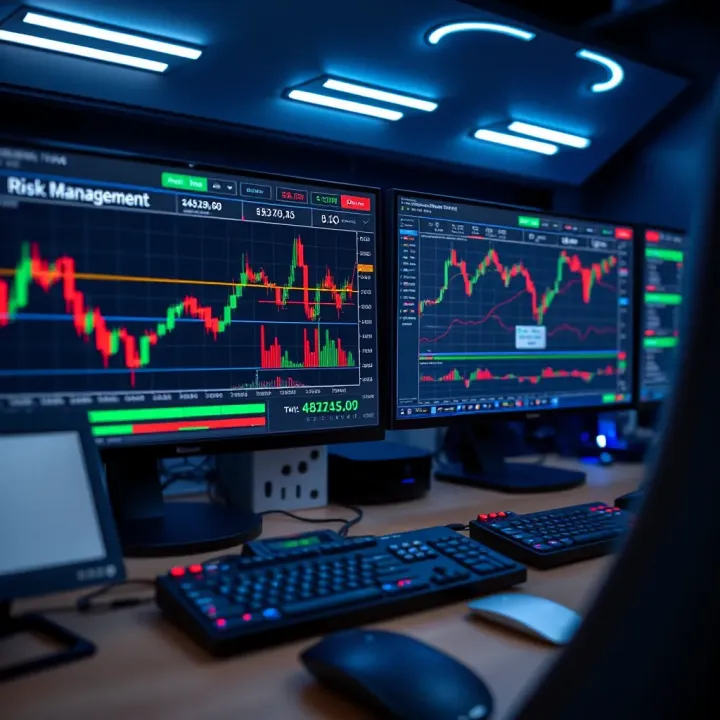
Risk management isn't just a fancy term thrown around by traders; it’s the backbone of survival in the forex market. Without it, even the most promising trading strategies can fall apart overnight. When you're starting, it's easy to get caught up chasing profits, but protecting your trading capital should come first. Effective risk management helps you keep losses small and stay in the game longer. For instance, imagine you invest R2000 on a trade without any stop-loss and the market suddenly moves against you – you could lose that entire amount in minutes. But with proper risk controls, you might limit your loss to just R100, preserving the bulk of your funds for future trades.
In forex, the market's fast and often unpredictable, so managing risk well means setting clear rules on how much you're willing to lose per trade and sticking to them. This mindset not only saves your account from devastating losses but also reduces emotional pressure, helping you make decisions that are less about fear and greed.
Setting stop-loss orders is one of the simplest yet most effective ways to safeguard your money. Think of a stop-loss as an automatic exit button that sells your position when the price hits a certain level you set. For example, if you buy EUR/ZAR at 18.50 and place a stop-loss at 18.40, your trade will close automatically if the pair drops to 18.40, capping your loss to 10 cents per unit. This prevents small setbacks turning into major disasters.
Take-profit levels work the same way but on the winning side. That’s your way of locking in gains before the market reverses. By predefining these levels, you remove guesswork and reduce the temptation to hold on too long, hoping for more profit – which often backfires.
Always remember: a trade without a stop-loss is like driving without a seatbelt. You might get lucky, but the risk is unnecessary and could cost you dearly.
Stop orders aren’t just for emergencies; they're strategic tools to manage your exposure. Besides stop-loss, there are trailing stops that move with the price, securing profits as the market trends in your favour while still protecting your downside. Let’s say the USD/ZAR climbs steadily from 15.00; a trailing stop set 50 pips below current price will move up as the price rises, ensuring you keep some profits even if the price drops unexpectedly.
By using these orders wisely, you take control over when to exit trades rather than relying on fast fingers or luck during sudden market swings. Most trading platforms like MetaTrader offer easy ways to set these orders, so you don’t have to watch every move constantly.
Knowing how much to risk on each trade is key to keeping your account healthy. A good rule of thumb for beginners is never to risk more than 1-2% of your total trading capital on a single trade. For example, if your trading account has R10,000, risking 1% means you’re willing to lose only R100 on any trade. This way, even a string of bad trades won't drain your entire account.
Calculating position size involves understanding your stop-loss distance and adjusting the amount of currency units you buy or sell accordingly. If your stop-loss is 50 pips away, and you risk R100, your lot size should reflect this to avoid bigger losses. This approach can feel math-heavy at first, but trading platforms often have calculators to make it simple.
It's tempting, especially after a loss or a win, to jump back in or chase quick profits. Overtrading leads to costly mistakes and burnt-out nerves. Setting daily or weekly trade limits based on your risk tolerance helps control impulsive behaviour.
Equally important is recognising emotional triggers. For example, if you find yourself trading more after losing or doubling your trades after winning, that's a red flag. Keeping a trading journal can help identify these patterns to build discipline over time.
By managing your capital wisely and staying disciplined, you're less likely to blow your account and more likely to stay consistent, which is the name of the game in forex trading.
In forex trading, having the right tools and access to reliable information can make all the difference between success and frustration. For beginners, using Forex trading tools isn’t just about convenience—it’s about gaining a practical edge that helps make smart trading decisions. Whether you’re analysing currency pairs or monitoring trades, these resources can turn complex data into clear insights.
Charting software is the backbone of technical analysis in forex trading. It allows traders to visually track price movements, spot trends, and identify key support and resistance levels. Platforms like MetaTrader 4, MetaTrader 5, or TradingView give you access to interactive charts with various indicators such as moving averages, RSI, and MACD. For example, say you’re watching the USD/ZAR pair; using charting tools helps you decide when to enter or exit trades by showing patterns that might not be obvious in raw numbers.
Beyond just charting, some platforms offer automated alerts. These alerts notify you when certain price levels are hit or when specific technical conditions apply, ensuring you don’t miss out on trading opportunities even if you’re away from your computer. Setting up alerts for stop-loss points or take-profit targets can help manage risk better and keep your trading discipline intact. Imagine this like having a trading assistant that keeps an eye on the markets for you.
Trustworthy information is the cornerstone of any trading strategy. Educational PDFs and guides are excellent starting points. Resources from brokers like IG or FXTM offer downloadable materials covering everything from forex basics to advanced strategies. These guides explain concepts in practical terms and often come with charts and examples tailored to beginners. It’s helpful to regularly update your knowledge, especially with guides that explain how global events affect currency prices.
Another invaluable resource is forex forums and expert analysis. Communities such as Forex Factory or BabyPips provide a platform to discuss strategies and share insights. Expert analysis from seasoned traders or financial analysts can highlight current market sentiment or upcoming economic events that might impact currency pairs. However, be cautious and avoid blindly following advice; use forums to cross-check and deepen your understanding rather than as a single source of truth.
Reliable tools and information are not a luxury—they’re essentials for trading with confidence and reducing guesswork. Take the time to explore and integrate these resources into your daily routine, and you’ll find making informed decisions becomes much easier.
By harnessing these tools and reliable information sources, beginners can sharpen their trading edge and protect themselves from common pitfalls. Don’t just trade blindly; equip yourself with the right resources to navigate the forex market efficiently.
Every trader who starts out in the forex market will eventually face errors that could sting their confidence or dent their capital. Recognizing common pitfalls early on isn’t just about avoiding losses; it’s about building a solid foundation for steady growth. This section sheds light on these typical mistakes so you can steer clear of them — making your trading experience smoother and more calculated.
One of the sneakiest traps for beginners is the lure of leverage. It’s like borrowing money to place bigger bets, which sounds tempting when you want to amplify gains. Yet, this same tool can wipe out your account faster than you can blink.
Leverage increases your exposure to the market without needing the full amount of capital upfront. For example, a leverage of 100:1 means you can control $100,000 with just $1,000 in your account. While this can lead to higher profits, it equally multiplies losses. A tiny market pivot can drain your account balance swiftly, making it crucial to handle leverage with care.
Think of leverage like adding spice to a dish—used judiciously it enhances the flavor, but too much can ruin the meal.
Start with low leverage, such as 10:1 or 20:1, especially if you’re new.
Always calculate the maximum loss you can handle before entering a trade.
Use stop-loss orders religiously to safeguard your capital.
Avoid the temptation to increase leverage just because you’re itching for higher profits.
Practical use of leverage means balancing between opportunity and risk, never letting emotion drive risky bets.
Jumping into trades with no clear plan is like sailing without a compass—you might drift off course and lose your way quickly.
A trading plan spells out your entry and exit rules, risk tolerance, and profit goals. Without it, decisions become guesswork, increasing the chance of costly mistakes. A solid plan helps you stay disciplined, especially during volatile markets when your gut might say one thing but logic another.
For example, deciding beforehand to risk only 1% of your capital per trade can prevent you from betting too much on a single position. It also forces you to consider realistic take-profit levels based on market conditions.
Maintaining a detailed journal is a simple but powerful habit. Record each trade’s setup, the reasons behind your decisions, market conditions, and the outcome. Over time, this journal becomes a personal audit tool, helping you pinpoint what strategies work and where you tend to trip up.
Track your emotional state during trades to spot patterns of impulsive behavior.
Review your journal weekly or monthly to adjust your plan accordingly.
With these habits, trading becomes less about luck and more about consistent performance.
Avoiding these common errors helps new South African traders keep their heads above water in forex markets. By respecting leverage and sticking to a plan, you’re not just avoiding mistakes—you’re paving your way to long-term success.
Getting your head right is often the unsung hero of successful forex trading. It’s one thing to know the charts and the orders, but if your mindset is out of whack, profits won’t stick around long. In this section, we’ll break down the mental approach that separates casual dabblers from those who can trade consistently over the long haul.
Jumping into trades without clear setups is like trying to catch fish with bare hands—you're likely to come up empty or get hurt. Waiting for the right setups means sticking to your trading plan and only entering when your criteria are met. Imagine watching a football game and only passing when a player's open rather than launching the ball blindly; that’s what waiting for proper setups looks like.
For example, if your strategy relies on the RSI indicator showing oversold conditions before buying, patiently waiting for that condition, instead of guessing, helps avoid needless losses. Patience helps you sidestep impulsive moves that eat into your bankroll.
Discipline is the glue holding your trading plan together. This means following your stop-losses, profit targets, and risk management rules without getting swayed by momentary emotions or random tips. Ever seen a soccer player chase after a ball recklessly, hoping for a miracle? That’s impulsive trading.
Practical advice: write down your trading rules and consult them before each trade. If you make rules like "never risk more than 2% of your capital on a single trade", sticking with this rule keeps losses manageable and your head clear. It’s easy to say but harder to do—discipline grows with practice.
Forex trading is a rollercoaster; without emotional control, you'll find yourself riding the highs one minute and crashing the next. Emotional balance means keeping your feelings in check—don’t throw a party in your head when a trade hits profit or lose your cool after a setback.
Think of it as driving through thick fog—panicking makes you veer off course. Instead, stay calm, focus on what the market tells you, not what your mind fears or hopes for. This helps in making clearer decisions and not chasing losses or overtrading after a win.
Every trade, good or bad, is a lesson packed in. Keeping a trading journal where you note why you made the trade, what happened, and how you felt can help identify patterns. Maybe you notice losses tend to happen when you trade after a long day. Recognizing that can save you a lot of trouble down the line.
On the flip side, spotting what works keeps you building on success rather than reinventing the wheel each time. Reflecting honestly, without blame or false pride, moves you from guesswork toward something approaching skill.
Remember: Forex trading is as much about mindset as it is about numbers. Tightening your mindset with patience, discipline, and reflection sets the foundation for better decisions and steadier outcomes.
Jumping into live forex trading can feel like stepping into a busy street without much warning—it's buzzing with activity and you want to cross safely. That's why having practical steps laid out before you start is vital. This section hooks all previous knowledge together and shows you how to take that first live trade confidently. Knowing the right moves to make, when to make them, and how to keep an eye on your trades will set you ahead of those diving in blindly.
Before clicking the "buy" or "sell" button on your first trade, take a moment to run through a quick checklist to make sure you're ready. This isn’t just busywork; it helps catch mistakes like choosing the wrong currency pair or miscalculating your position size. For instance, if you’re trading USD/ZAR, ensure you understand recent price trends and confirm your risk limit per trade aligns with your overall capital.
Another key point is double-checking your stop-loss and take-profit levels. These act like traffic lights—telling your trade when to stop to avoid heavy losses or when to cash in profits. Setting these wrong can leave you exposed to sudden market swings.
Think about it like prepping for a road trip—fuel up, check the map, pack essentials. Skipping these steps can leave you stranded or lost in the fast-moving forex world.
Once everything’s in place, it’s time to place your trade. Use your trading platform to input the trade size, direction (buy/sell), and your stop-loss and take-profit points. It sounds straightforward, but mistakes here are common.
After placing your trade, the real work begins: monitoring it. Keep an eye on the market news that can impact your currency pair. Sudden announcements or geopolitical shifts can cause unexpected price moves. Don't babysit your trade obsessively, though; rather, set alerts on your broker’s platform to notify you if the price hits your stop-loss or take-profit.
Always be ready to react calmly, not emotionally. For example, if you see your trade hitting a loss early, resist the urge to double down without re-assessing. Staying alert but not frantic is the sweet spot.
Trading without tracking how you’re doing is like sailing without a compass. Keep a trading journal or spreadsheet where you log every live trade—date, currency pair, entry and exit points, reasons for entering, stop-loss, take-profit, and outcomes. South African traders might find it useful to note ZAR’s performance against major currencies during the trade to spot trends later.
This record lets you see patterns: which strategies or pairs perform better, when you tend to overtrade, or if emotional decisions creep in. Plus, it’s a reality check, so your trading isn’t just guesswork.
No strategy works forever on autopilot. Markets shift, and your approach should shift too. After analyzing your results, identify areas for improvement. For example, maybe you notice that trades following economic calendar events outperform others, so boosting attention there might help.
Don't be afraid to tweak stop-loss sizes or the pairs you focus on. Realism in adjustments is crucial: instead of overhauling everything, making small, tested changes can avoid throwing out the baby with the bathwater.
Consistent reviewing and adapting your trading approach turns lessons learned into real profit. It's not about being perfect—it's about being prepared to change gears when the market demands.
By following these practical steps, you move from theory to real trading with a plan that’s mindful and adaptable. This structured start helps keep the excitement in check and positions you for sustainable success in forex trading.
📈 Discover practical forex trading tips for beginners in South Africa. Learn risk management, trading psychology & tools to boost your earning potential!

📈 Ready to start forex trading in South Africa? Learn key tips, strategies, and risk management to build your confidence and trade smart from day one.
Start your forex journey with confidence! Learn essential strategies, risk management tips, and practical tools to trade smart in today's market 📈💡
📈 Learn key forex trading strategies for beginners in South Africa. Get tips on analysis, risk management, avoiding mistakes, and using demo accounts.
Based on 8 reviews